
Some habits become so familiar that people never question how much they cost. They may quietly drain energy, disturb sleep, strain relationships, or waste money that could make retirement more comfortable.
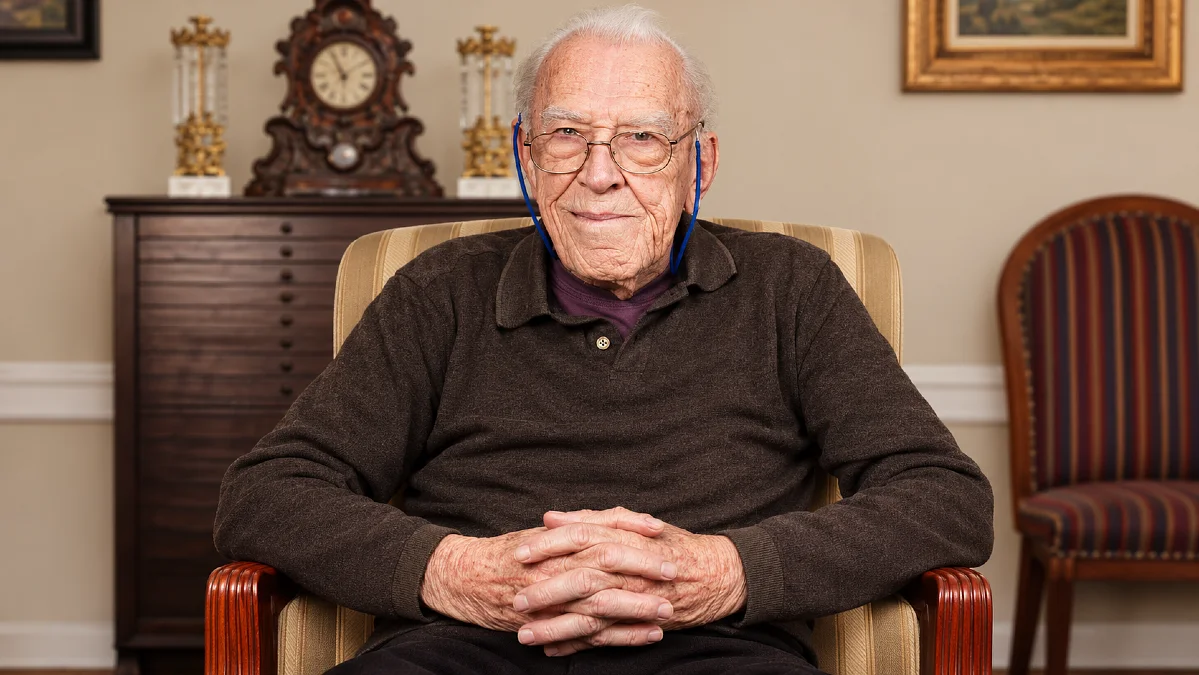
A life lesson shared by a 94-year-old offers a different way to think about aging. Instead of constantly adding new routines, sometimes the better choice is to stop doing things that no longer serve a purpose.
The original account highlights seven habits worth reconsidering. Four additional habits, supported by healthy aging guidance, complete this list of eleven practical changes that may make later life more enjoyable.
1. Stop Eating Heavy Meals Right Before Bed

Late-night eating can become an automatic routine, especially for people who spend their evenings watching television. Dinner ends, but a bowl of ice cream, crackers, or another snack soon follows.
The problem is not that everyone must stop eating when the sun goes down. Instead, large meals close to bedtime can make sleep less comfortable, particularly for people who experience acid reflux or heartburn.
The National Institute of Diabetes and Digestive and Kidney Diseases advises people with nighttime reflux symptoms that eating at least three hours before lying down may help reduce those symptoms.
For example, someone who goes to bed at 10 p.m. might benefit from finishing dinner around 7 p.m. However, this is not a universal rule, and some people need evening food because of medications, diabetes management, or nutritional needs.
The difference between a helpful habit and an unnecessary restriction matters. Eating earlier can be useful for some people without becoming a strict rule for everyone.
| Evening Habit | Possible Problem | Better Approach |
|---|---|---|
| Heavy dinner before bed | Reflux or discomfort | Eat earlier when practical |
| Snacking out of boredom | Unplanned extra eating | Check whether hunger is present |
| Eating while distracted | Less awareness of portions | Eat without television |
| Skipping needed meals | Inadequate nutrition | Follow individual dietary needs |
Eating earlier does not guarantee a longer life, and stopping food at exactly 6 p.m. has no proven universal benefit. The useful lesson is to pay attention to eating patterns rather than follow a strict clock.
Older adults should also avoid making major dietary changes without considering their medical needs. Adequate nutrition remains important at every age.
2. Stop Arguing With People Who Refuse to Listen

Some disagreements deserve a serious conversation. Others consume hours without changing anyone’s opinion, solving a problem, or improving a relationship.
People can spend an entire evening replaying a disagreement with a neighbor, relative, or stranger online. The conversation may have ended hours earlier, but the frustration continues.
The American Heart Association explains that stressful situations can temporarily increase heart rate and blood pressure. Long-term stress also deserves attention, although the relationship between chronic stress and heart disease is more complicated than a single argument.
Not every disagreement is worth the emotional cost.
Consider a family gathering where someone makes a provocative comment. Responding may be worthwhile if the issue concerns safety, fairness, or an important decision.
However, an argument about an opinion that neither person intends to reconsider may accomplish very little. The disagreement can continue long after the gathering ends.
A useful habit is to recognize the difference between a discussion and a competition. Discussions can produce understanding, while competitions often focus on proving someone wrong.
There is no need to agree with every unreasonable statement. Sometimes a calm response, a change of subject, or ending the conversation is the more productive choice.
This does not mean avoiding difficult conversations about money, caregiving, or personal boundaries. Those issues often require direct communication, even when the discussion feels uncomfortable.
The goal is not to eliminate conflict entirely. It is to stop spending valuable time on arguments that have no realistic purpose.
3. Stop Sitting for Most of the Day

Retirement often removes the movement that once happened naturally during a working day. There may be fewer reasons to walk between buildings, climb stairs, or leave the house at a particular time.
Television, reading, hobbies, and computer use can fill several hours without much physical movement. Those activities are enjoyable, but long periods of sitting are worth interrupting.
The CDC advises adults aged 65 and older to aim for at least 150 minutes of moderate physical activity each week. Older adults also benefit from muscle-strengthening activities and exercises that support balance.
However, someone does not need a gym membership to begin moving more. Walking around the garden, doing household tasks, or taking a short walk after lunch can help make daily life more active.
A few minutes can also add up over a week. Small periods of activity may be easier to maintain than a demanding exercise routine.
| Activity Routine | Total Weekly Time | Practical Benefit |
|---|---|---|
| Walk 10 minutes daily | 70 minutes | Builds a regular movement habit |
| Walk 15 minutes daily | 105 minutes | Adds consistent activity |
| Walk 30 minutes, 5 days | 150 minutes | Meets the aerobic time target if intensity is moderate |
| Strength exercises, 2 days | Varies | Supports muscles and daily function |
These examples are starting points, not guarantees of improved health. The CDC recommends adapting activity to individual abilities, especially when chronic conditions or mobility limitations are present.
The most useful change may be simple: stop treating the chair as the default place to spend the entire day. Short, regular opportunities to move can become part of an ordinary routine.
People with limited mobility can also benefit from suitable seated exercises or professionally recommended activities. The aim is to work with the body rather than force it beyond safe limits.
4. Stop Carrying Old Grudges Into Every New Day

A disagreement that happened years ago can continue affecting someone’s thoughts long after the original event. Family disputes, broken friendships, and hurtful comments sometimes become emotional burdens that never seem to disappear.
Holding a grudge can feel like maintaining a record of an injustice. Yet repeatedly thinking about the same painful experience may create distress without changing what happened.
Research has found an association between forgiveness, lower perceived stress, and improved mental health. That does not mean forgiveness cures physical illness or automatically extends someone’s lifespan.
Letting go of resentment is different from pretending that the past was acceptable.
Someone who experienced betrayal may decide to stop dwelling on the event while still maintaining firm personal boundaries. Forgiveness does not require rebuilding a relationship or allowing harmful behavior to continue.
This distinction is especially important for older adults dealing with difficult family histories. Some conflicts can be resolved through conversation, while others may never receive a satisfying explanation.
An apology may never arrive, and the person responsible may never acknowledge the harm. Emotional recovery should not depend entirely on another person’s willingness to change.
For some people, speaking with a trusted friend, counselor, or mental health professional can help process unresolved feelings. Others may find relief through journaling, reflection, or gradually reducing contact with sources of conflict.
The practical lesson is that carrying old resentment indefinitely may demand more attention than the situation deserves today. Releasing that burden can create room for relationships and experiences that still matter.
5. Stop Watching Disturbing News Before Bed

Keeping up with current events is useful, particularly for retirees following changes in Social Security, Medicare, local government, or the economy. However, the timing and amount of news consumption can affect how people feel.
An evening filled with reports about disasters, crime, political conflict, and financial uncertainty may leave little room for relaxation. Some viewers continue scrolling through headlines long after they planned to go to sleep.
The CDC recommends switching off electronic devices at least 30 minutes before bedtime as part of healthy sleep habits. This advice concerns sleep preparation generally, not a requirement to avoid all news.
A person does not have to abandon the news to build a calmer evening. Reading headlines earlier, selecting a trusted news source, or setting a time limit can help prevent information gathering from becoming endless scrolling.
The difference is between staying informed and remaining emotionally absorbed in problems that cannot be solved that night.
Instead of watching another hour of upsetting coverage, someone might read a book, listen to relaxing music, speak with a friend, or spend time on a quiet hobby.
Those alternatives do not erase problems in the world. They simply create some separation between public events and personal rest.
For people who notice that late-night news makes them anxious or keeps them awake, changing the timing may be worth trying. Better sleep habits can be a more useful evening priority than another round of headlines.
6. Stop Saying Yes to Every Request

Being dependable is a valuable quality, but constantly agreeing to other people’s demands can become exhausting. This is particularly true during retirement, when friends and family may assume that having no job means having unlimited free time.
A retired person may be asked to provide childcare, drive relatives to appointments, volunteer for community events, or lend money. Each request may seem reasonable on its own, but the combined demands can leave little time for personal needs.
Overcommitting can also create financial pressure. Repeatedly covering other people’s expenses or contributing more than a budget allows may gradually weaken retirement savings.
The amount of time involved can be surprisingly large. Even small weekly commitments can consume many hours over the course of a year.
| Repeated Commitment | Time Each Week | Time Over 1 Year |
|---|---|---|
| Small favor | 30 minutes | 26 hours |
| Regular task | 1 hour | 52 hours |
| Ongoing obligation | 3 hours | 156 hours |
These calculations assume that each commitment continues for all 52 weeks. The point is not that helping others wastes time, but that recurring obligations deserve thoughtful consideration.
Three hours each week adds up to nearly four standard 40-hour workweeks over a year. That time might be willingly given to family, volunteering, or friendship, but it is still a meaningful commitment.
Saying no is sometimes necessary to protect time, energy, and money.
A polite refusal does not require a lengthy explanation. Someone might explain that an expense is not in the budget or that a particular day has already been reserved for personal activities.
Healthy relationships usually involve some balance between giving and receiving. People can remain generous without agreeing to every request.
Retirement should provide room for personal priorities as well as family responsibilities. Protecting that time is not the same as being selfish.
7. Stop Waiting for the Perfect Time to Enjoy Life

One of the most common habits people develop is postponing happiness until a future milestone. They may wait until the mortgage is paid, the children become independent, retirement begins, or their savings reach a particular amount.
Planning ahead is sensible, but it becomes a problem when every enjoyable experience gets moved into the future. Years can pass while someone continues preparing for a life they rarely make time to enjoy.
Travel offers a familiar example. A couple may spend decades discussing a special destination while repeatedly deciding that another year would be more convenient.
Eventually, health limitations, caregiving responsibilities, or other circumstances may make the trip harder. The opportunity has not necessarily disappeared, but the original plan may no longer be realistic.
This is where retirement planning involves more than accumulating money. Financial security matters, but so does having opportunities to enjoy the resources that have been saved.
A responsible retirement budget should cover essential expenses, emergency reserves, and future needs. It can also include a reasonable amount for experiences that make life satisfying today.
Someone does not need an expensive vacation to make progress. Visiting an old friend, attending a local event, learning a new skill, or spending an afternoon with grandchildren can all provide meaningful experiences.
The better question is not simply how much money remains, but what that money is meant to support.
A retiree who has sufficient resources for planned spending may still hesitate to use any savings. After decades of being careful with money, spending can feel uncomfortable even when it is affordable.
That hesitation deserves attention because excessive postponement has a cost that cannot be calculated on a bank statement. Time, health, and opportunities are not always available in the same form later.
The goal is to balance future security with present enjoyment. Deliberate spending on meaningful experiences can be part of a sound retirement plan rather than a failure to save.
8. Stop Ignoring Health Problems Until They Become Serious

Some people avoid medical appointments because they dislike examinations, worry about potential diagnoses, or assume that minor symptoms are simply part of getting older. Others delay visits because of transportation problems or healthcare costs.
However, waiting until a problem interferes with daily life can sometimes make treatment more difficult. Conditions such as high blood pressure may develop without obvious symptoms.
The National Institute on Aging recommends regular medical checkups and appropriate screenings as part of healthy aging. These visits can help identify problems, review medications, and support decisions about treatment.
Preventive care should also be tailored to the individual. The appropriate screening schedule depends on factors such as age, medical history, health status, and personal preferences.
Medication reviews are another useful habit, especially for people taking several prescriptions. Certain medicines can interact or cause side effects that affect balance, alertness, or memory.
A pharmacist or healthcare professional can review prescription medicines, over-the-counter products, and supplements together. People should not stop prescribed medicines without discussing the change with their healthcare provider.
There is also a financial reason to pay attention to preventive care. Untreated health problems can sometimes lead to additional medical visits, treatment expenses, or a greater need for assistance.
Not every condition is preventable, and regular checkups cannot guarantee good health. Still, addressing concerns promptly gives patients and clinicians more information for making appropriate decisions.
Growing older does not mean every new symptom should be accepted without question. Paying attention to health remains worthwhile at 60, 75, 90, and beyond.
9. Stop Letting Important Friendships Slowly Disappear
Friendships can become harder to maintain as people grow older. Retirement changes daily routines, friends relocate, and health limitations may reduce opportunities to socialize.
Sometimes relationships fade without any major disagreement. Two people simply stop calling, and months gradually turn into years.
The National Institute on Aging identifies loneliness and social isolation as concerns that can affect physical and mental health. Maintaining supportive relationships is one of the steps that may help protect well-being.
Social connection does not require a crowded calendar or a large circle of friends. A few meaningful relationships can provide companionship, shared interests, and practical support.
For example, a weekly phone call with an old friend may become something both people look forward to. A neighborhood walking group, library event, or regular community activity can also create opportunities for connection.
The important distinction is between choosing quiet time and becoming isolated without intending to. Someone can enjoy living alone while maintaining strong friendships and family relationships.
Reconnecting does not have to be complicated. A short message, invitation for coffee, or birthday card can be enough to restart a conversation.
Technology can also help people maintain relationships across long distances. Video calls and messaging are useful options, but they do not have to replace in-person contact when meeting is practical.
Time spent maintaining good relationships is rarely wasted.
It is equally important to recognize that not every relationship deserves unlimited access to someone’s life. Meaningful connection should provide mutual respect rather than constant pressure or obligation.
The goal is to maintain relationships that add companionship, support, and a sense of belonging. Even small efforts to stay connected can become valuable parts of the weekly routine.
10. Stop Treating Sleep as Something That Can Wait

Poor sleep is sometimes accepted as an unavoidable part of aging. However, consistently getting too little rest can affect how people feel and function throughout the day.
The CDC recommends that adults aged 65 and older generally get seven to eight hours of sleep each night. Sleep needs vary, but adequate rest supports memory, emotional well-being, and physical health.
Retirement may remove the need to wake up for work, yet that freedom can also lead to irregular schedules. Someone might stay awake until midnight one evening, fall asleep early the next, and nap for long periods during the afternoon.
A more consistent routine may help the body maintain a predictable sleep schedule. Going to bed and waking up at similar times is one of the habits recommended by the CDC.
The sleeping environment also deserves attention. A quiet, comfortable bedroom and fewer evening distractions may make it easier to rest.
Late caffeine, alcohol, heavy meals, and extended screen use can interfere with sleep for some people. Adjusting those habits may be more useful than simply spending additional hours in bed.
Persistent sleep problems should not be dismissed as a normal consequence of age. Conditions such as sleep apnea, chronic pain, medication effects, or frequent nighttime urination may require medical evaluation.
There is no reason to treat exhaustion as proof that someone has been productive. Rest is an essential part of maintaining the energy needed for daily activities.
Good sleep cannot prevent every illness or guarantee longevity. However, making it a priority supports a healthier daily routine.
11. Stop Spending Money to Impress Other People

Retirement can create an unusual financial challenge. Some people have spent much of their lives saving for the future, yet still feel pressure to maintain a lifestyle that reflects their previous income.
This pressure may show up through expensive gifts, unnecessary upgrades, luxury purchases, or social outings that cost more than the household can comfortably afford.
None of these expenses is automatically irresponsible. The problem begins when spending is driven mainly by a desire to meet other people’s expectations.
Someone may continue buying expensive holiday gifts because family members have grown accustomed to them. Another person might replace a perfectly functional vehicle simply because friends have purchased newer models.
Small recurring expenses can also become significant over time. Even purchases that appear affordable individually may create a substantial annual cost.
| Unnecessary Weekly Spending | Annual Cost | Cost Over 5 Years |
|---|---|---|
| $15 | $780 | $3,900 |
| $30 | $1,560 | $7,800 |
| $50 | $2,600 | $13,000 |
These are illustrative calculations based on 52 weeks per year, with no inflation or investment returns included. The figures show how repeated spending can accumulate, not how much every retiree should save.
An extra $30 each week amounts to $1,560 annually. For someone living on a fixed retirement income, that amount could instead support a travel fund, household repairs, or future expenses.
However, the answer is not to eliminate everything enjoyable. Spending money on hobbies, dining out, gifts, or travel can be entirely reasonable when it fits the budget and reflects personal priorities.
The distinction is between spending for genuine enjoyment and spending for appearances.
A useful approach is to review purchases that are repeated out of habit rather than necessity. Some expenses may still bring enough value to justify keeping them, while others may no longer serve a purpose.
Retirees can also set clear limits for gifts, family assistance, and entertainment without giving up generosity. Establishing those limits makes it easier to enjoy spending without creating unnecessary financial pressure.
There is little benefit in sacrificing financial flexibility to maintain an image that other people may barely notice. The best retirement lifestyle is one that supports personal needs and priorities rather than outside expectations.