

For decades, people measure success through promotions, expensive purchases, packed schedules, and the opinions of others. Then retirement arrives, and many discover that the things they spent years worrying about no longer hold the same importance.
The problem is that old habits can follow people into retirement. Trying to impress others, chasing unnecessary purchases, and filling every hour can drain both savings and valuable personal time.
Fortunately, retirement offers an opportunity to reconsider these priorities. Here are 11 things that often stop mattering once people retire, and what becomes more important instead.
1. Keeping Up With the Joneses
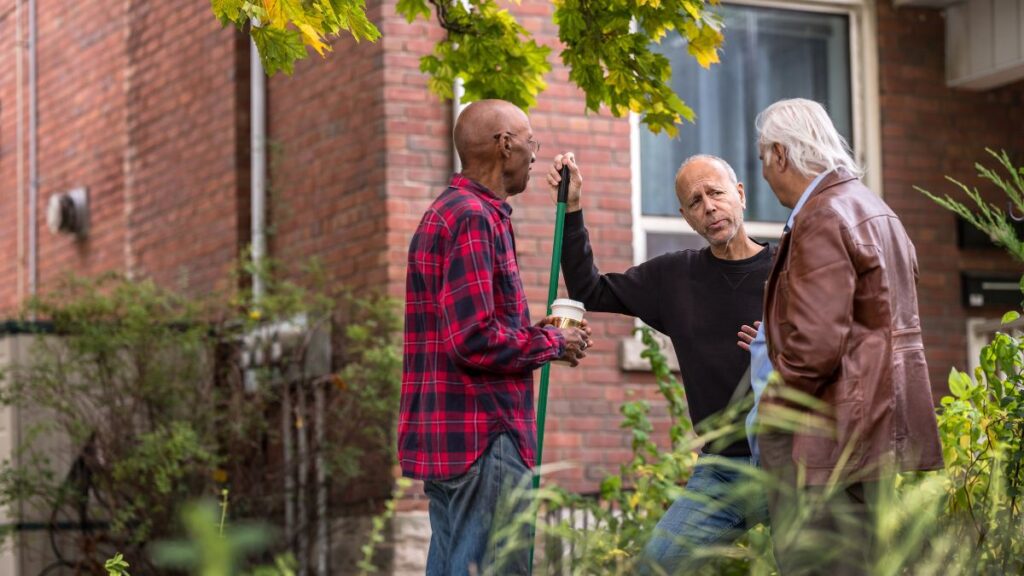
For much of adult life, people feel pressure to keep up with their neighbors, coworkers, and friends. Someone buys a new car, renovates a kitchen, or takes an expensive vacation, and suddenly an ordinary lifestyle begins to feel inadequate.
Retirement often changes that perspective. Without the daily competition of workplace success and professional status, many retirees realize that owning impressive things does not necessarily mean living a satisfying life.
A neighbor may drive a luxury vehicle, but that does not reveal the person’s savings, debts, or monthly expenses. A beautiful house can create serious financial pressure when property taxes, insurance, and maintenance costs become difficult to manage.
The difference becomes especially important when regular employment income stops. Spending $400 more each month to maintain a certain lifestyle adds up to $4,800 annually, money that could support other retirement priorities.
Many retirees gradually become less interested in what other households own. They focus instead on whether their own lifestyle is affordable, comfortable, and personally rewarding.
What matters instead: Financial independence, manageable expenses, and living within a budget that supports long-term security.
2. Owning More and More Stuff

During working years, accumulating possessions often feels like progress. People purchase larger homes, additional furniture, expensive appliances, collectibles, and items they expect to use someday.
After retirement, many begin looking at those belongings differently. A garage filled with unused equipment or a basement packed with boxes may represent more responsibility than enjoyment.
Every possession requires some combination of storage, cleaning, maintenance, insurance, or organization. Even items that were expensive years ago may have little practical value if they are rarely used.
Downsizing can therefore become more attractive. A smaller home, fewer belongings, and simpler household routines may reduce expenses while making everyday life easier.
However, living with less does not mean giving away meaningful possessions or moving into the smallest available home. The goal is to keep items that provide comfort, usefulness, or genuine personal satisfaction.
A common retirement shift is moving from collecting possessions to appreciating what is already owned.
| Before Retirement | After Retirement | What Still Matters |
|---|---|---|
| Buying a bigger home | Choosing manageable space | Comfort and housing costs |
| Collecting expensive furniture | Keeping useful pieces | Quality and practicality |
| Purchasing the latest gadgets | Replacing items when necessary | Reliability and safety |
| Saving special items indefinitely | Using meaningful belongings | Personal enjoyment |
This shift can also change how retirees spend money. Instead of purchasing another expensive decoration, some may prefer a family dinner, a weekend trip, or improvements that make their homes safer.
3. Impressing Other People

Professional life often encourages people to demonstrate success through appearance, achievements, and social recognition. Expensive clothing, impressive job titles, luxury vehicles, and prestigious memberships can become symbols of personal accomplishment.
Once retirement begins, the need to maintain that image may weaken. Many people realize that most strangers are far less interested in their lifestyle than they once assumed.
A retiree might feel comfortable wearing practical shoes, driving an older vehicle, or choosing an inexpensive restaurant. These decisions no longer need to communicate professional success or financial standing.
The financial benefit can be substantial. Regular spending on unnecessary upgrades, memberships, or expensive social activities can consume thousands of dollars over several years.
There is also an emotional benefit. People who stop seeking constant approval can make decisions based on their own preferences rather than worrying about how those decisions will appear to others.
This does not mean appearance, good manners, or personal presentation become irrelevant. It simply means those choices can reflect individual taste instead of a need to prove something.
What matters instead: Self-respect, meaningful relationships, and spending money on things that genuinely improve everyday life.
4. Defining Personal Worth Through a Job Title

For many Americans, a career becomes a major part of their identity. People spend decades introducing themselves as managers, teachers, engineers, business owners, or executives.
Retirement can make those professional labels feel less important. Once daily responsibilities disappear, the title that once carried considerable meaning no longer defines how every day is spent.
This adjustment is not always easy. AARP’s retirement-transition guidance recognizes that leaving a career can create emotional challenges because work often provides structure, identity, and a sense of purpose.
Some retirees initially struggle with the question of what makes them valuable without professional recognition. However, that question can open the door to a broader understanding of personal achievement.
A retired manager may become an active grandparent, community volunteer, mentor, gardener, or enthusiastic traveler. A former teacher might find satisfaction in helping younger relatives learn without returning to a formal classroom.
The important change is recognizing that personal worth does not disappear when employment ends. Skills, experience, knowledge, and character remain valuable long after a final paycheck.
Retirement does not erase a person’s achievements. It allows those achievements to become part of a larger identity instead of defining the entire person.
5. Chasing Every Last Dollar

Money remains important throughout retirement, particularly when savings must support expenses for many years. However, there is a meaningful difference between making responsible financial decisions and constantly pursuing small financial advantages.
During working years, earning more often feels like the obvious goal. Promotions, overtime, additional projects, and side businesses can provide greater income and improve financial security.
After retirement, the value of additional income must be weighed against the time and effort required to earn it. Someone with adequate resources may decide that an extra consulting assignment is not worth sacrificing a planned family gathering.
The same thinking applies to everyday savings. Driving across town to save a few cents per gallon might cost more in time and fuel than the amount saved.
The Employee Benefit Research Institute’s 2026 Retirement Confidence Survey found that 41% of retirees reported overall spending higher than they originally expected. That makes careful budgeting essential, even when unnecessary penny-pinching becomes less appealing.
The following examples show why retirees benefit from distinguishing meaningful savings from small financial distractions.
| Financial Decision | Illustrative Annual Impact | Better Question |
|---|---|---|
| Saving 4 cents on 12 gallons of gas every week | $24.96 saved | Is the extra trip worthwhile? |
| Earning an extra 0.15 percentage points on $20,000 | $30 extra before tax | Is changing accounts worthwhile? |
| Eliminating $50 in unused monthly subscriptions | $600 saved | Is the service actually used? |
| Cutting $150 in monthly status spending | $1,800 saved | Does the expense provide real value? |
These are hypothetical calculations, not estimates of what every household spends. They illustrate why the largest opportunities often come from recurring expenses rather than tiny transactions.
A financially secure retirement is not necessarily about spending as little as possible. It is about using available resources responsibly while leaving room for experiences, relationships, and activities that make life rewarding.
6. Winning Every Argument

Many people spend years trying to defend their opinions, prove their knowledge, or convince others they are correct. Disagreements at work, family gatherings, and social events can become exhausting when every conversation feels like a competition.
Retirement may provide a different perspective. Some people become more selective about which disagreements deserve their attention and which are better left unresolved.
This is especially relevant to online discussions. Social media can encourage lengthy arguments with strangers who have little interest in changing their opinions.
Retirees who recognize this pattern may choose to spend less time responding to inflammatory posts. Instead, they can direct that attention toward conversations, hobbies, and relationships that provide greater satisfaction.
The same principle applies to family disagreements. Adult children may make different financial, career, or lifestyle decisions, and retired parents do not need to approve of every choice to maintain a healthy relationship.
Of course, standing up for personal rights, correcting dangerous misinformation, and addressing serious family issues still matter. The difference is learning to distinguish important disagreements from arguments that accomplish very little.
What matters instead: Constructive communication, patience, respectful boundaries, and protecting valuable relationships.
7. Following Every New Trend
Modern consumer culture constantly introduces new products, technologies, fashions, and lifestyle expectations. People are encouraged to replace perfectly functional belongings simply because newer versions have become available.
Retirement can weaken this pressure. Without the same workplace and social expectations, some retirees become more comfortable choosing what works rather than what happens to be popular.
A reliable older vehicle may serve its purpose without needing replacement. Comfortable clothing can remain appropriate for years, regardless of changing fashion trends.
Technology provides another example. An older smartphone that still receives security updates and performs necessary tasks may be more practical than purchasing the newest model every year.
However, ignoring trends should not mean ignoring important improvements. Updated safety features, accessible technology, medical equipment, and essential security updates can offer meaningful benefits.
| Popular Pressure | More Practical Retirement Choice | Main Benefit |
|---|---|---|
| Upgrade phones frequently | Replace when needed | Lower spending |
| Follow every fashion trend | Choose comfortable, versatile clothes | Better value |
| Buy the newest vehicle | Maintain a safe, reliable car | Fewer unnecessary costs |
| Purchase fashionable home decor | Keep useful, meaningful pieces | Less clutter |
| Follow investment fads | Use a suitable long-term plan | More disciplined decisions |
The key is understanding the difference between personal preference and social pressure. Retirees can remain curious about new developments without feeling obligated to participate in every trend.
8. Living According to Other People’s Schedules

For decades, working adults organize their lives around employers, meetings, deadlines, and workplace expectations. Even personal activities must often fit around a fixed professional calendar.
Retirement changes that relationship with time. Many people gain greater control over when they wake up, eat meals, exercise, visit friends, and complete household tasks.
The change is significant because time becomes something retirees can manage according to personal priorities. A weekday morning can be used for gardening, a leisurely breakfast, or an appointment without requesting permission from an employer.
The Bureau of Labor Statistics’ 2025 American Time Use Survey, released in 2026, found that Americans aged 65 and older spent an average of approximately 7.1 hours daily on leisure and sports activities. This is an age-group average, not a measurement limited to retired individuals.
However, unlimited free time does not automatically create a satisfying routine. Some retirees initially struggle without the structure that employment once provided.
A flexible daily schedule can help address this challenge. Regular sleep, exercise, meals, social activities, and personal projects can provide direction without recreating the demands of full-time employment.
The real benefit of retirement is not simply having fewer responsibilities. It is having greater freedom to decide which responsibilities deserve attention.
9. Being Busy Just to Feel Productive

During working years, having a full calendar is often treated as a sign of success. People become accustomed to measuring productivity through completed tasks, meetings attended, and hours worked.
That mindset can continue after retirement. Some retirees fill their days with unnecessary errands, household projects, and obligations because sitting quietly feels uncomfortable.
However, constant activity does not necessarily lead to greater satisfaction. A person can remain busy from morning until evening without spending meaningful time on health, relationships, or enjoyable experiences.
Retirement creates an opportunity to separate being occupied from doing something worthwhile. Reading, taking a walk, having lunch with a friend, or spending an afternoon relaxing may provide greater personal value than completing another unnecessary task.
Small adjustments can create a surprising amount of additional free time. The following examples illustrate how reducing low-value commitments can change a weekly routine.
| Activity Reduced | Time Saved | Annual Time Recovered |
|---|---|---|
| Unnecessary weekly errand | 90 minutes weekly | 78 hours |
| Mindless scrolling | 20 minutes daily | About 122 hours |
| Unwanted monthly obligation | 3 hours monthly | 36 hours |
| Unnecessary weekly appointment | 1 hour weekly | 52 hours |
These calculations assume the reductions continue throughout a full year. They demonstrate how ordinary scheduling choices can return valuable time for more meaningful activities.
A productive retirement can include volunteering, learning, exercise, caregiving, and personal projects. It can also include quiet afternoons that accomplish nothing measurable.
Retirees do not need to earn the right to rest by keeping themselves busy. A balanced routine leaves room for both meaningful activity and genuine relaxation.
10. Trying to Please Everyone

Approval seeking can become a deeply established habit. People spend years accepting invitations, agreeing to favors, and avoiding uncomfortable conversations because they do not want to disappoint others.
Retirement often makes the cost of those habits easier to recognize. Time and energy become especially valuable when people want to focus on health, family, friendships, and personal interests.
A retiree may decide not to attend every social gathering or volunteer for every community project. That choice does not necessarily reflect selfishness or a lack of concern for others.
Instead, it may represent a clearer understanding of personal limits. Someone who enjoys helping family members can still establish boundaries around financial assistance, transportation, childcare, or household responsibilities.
These boundaries matter financially as well. Repeatedly lending money, paying relatives’ bills, or contributing to expensive events can weaken a retirement budget.
However, independence should not become isolation. The National Institute on Aging emphasizes that meaningful social connections support physical and emotional well-being, while loneliness and social isolation are associated with several health risks.
The healthier approach is maintaining supportive relationships without feeling responsible for meeting everyone’s expectations. Retirees can be generous with their time and attention while protecting their own needs.
What matters instead: Meaningful connections, healthy boundaries, and spending time with people who value the relationship rather than constant favors.
11. Worrying About Things Beyond Their Control

One of the most valuable changes retirement can bring is a clearer understanding of what deserves concern. For decades, people may worry about workplace decisions, economic conditions, political arguments, and the expectations of others.
Retirement does not eliminate uncertainty. Market declines, rising living costs, health concerns, and family challenges can still create significant stress.
However, constantly worrying about these issues rarely changes the outcome. What matters more is identifying practical steps that reduce risk and improve preparation.
Investment accounts provide a useful example. Checking a retirement portfolio several times each day may create unnecessary anxiety without improving long-term financial results.
The Securities and Exchange Commission encourages investors to consider diversification, suitable asset allocation, and periodic rebalancing. These practices can help manage investment risk, although they cannot eliminate losses.
Retirees may benefit from maintaining an appropriate cash reserve, following a realistic withdrawal plan, and reviewing investments at sensible intervals. The amount held in cash or other lower-risk assets should depend on individual spending needs, risk tolerance, and financial circumstances.
The distinction between concern and action also applies outside financial matters. Retirees cannot control every decision their adult children make, changes in the economy, or other people’s opinions.
They can, however, control how they communicate, prepare for emergencies, manage spending, and respond to unexpected challenges.
| Concern | What Cannot Be Controlled | What Can Be Done |
|---|---|---|
| Stock market declines | Short-term market movements | Diversify and review investment risk |
| Rising living costs | National inflation | Adjust spending and maintain reserves |
| Adult children’s choices | Other adults’ decisions | Offer support while respecting boundaries |
| Health uncertainties | Every future medical condition | Attend checkups and follow preventive care |
| Other people’s opinions | How others judge personal choices | Make decisions based on personal values |
The practical lesson is that retirement becomes easier to manage when attention shifts from predicting every problem to preparing for realistic possibilities.
This does not mean becoming indifferent to the future. It means replacing unnecessary worry with decisions that offer a reasonable degree of control.
What Really Starts Mattering More After Retirement?
As some old priorities lose importance, others often become more valuable. Health, financial stability, supportive relationships, and the ability to make independent decisions can take on greater significance.
Many retirees begin appreciating experiences that once seemed ordinary. A relaxed morning, a conversation with a longtime friend, or time spent with grandchildren may become more rewarding than expensive purchases or public recognition.
Financial security remains central to these choices. The 2026 Retirement Confidence Survey found that many retirees face higher-than-expected expenses, reinforcing the importance of maintaining a practical budget and preparing for unexpected costs.
Retirement satisfaction therefore depends on more than simply abandoning old expectations. It requires deciding which activities, relationships, and responsibilities are worth keeping.
The goal is not to stop caring about everything. It is to become more selective about what receives time, money, and emotional attention.