

Retirement often looks affordable on paper until the bills start arriving. You may have calculated your Social Security benefits, pension payments, grocery costs, and monthly housing expenses, yet still find yourself spending more than expected.
The problem is often not one enormous expense but several smaller costs that were never included in the original plan.
Some bills arrive once a year, while others slowly increase without attracting much attention. Even owning a home outright or having a comfortable retirement account does not make these expenses disappear.
Why Retirement Budgets Often Miss the Real Cost of Living

A retirement budget built around fixed monthly bills may leave out expenses that appear only occasionally.
Property taxes, dental work, vehicle repairs, and family celebrations can turn an otherwise comfortable month into a financial struggle. These expenses are not necessarily unusual, but their timing makes them easy to underestimate.
The Bureau of Labor Statistics consistently identifies housing, transportation, food, and healthcare as major areas of household spending. Retirement changes how those costs are paid, but it does not eliminate them. In some cases, losing an employer’s benefits or having more time at home can create additional expenses.
| Budget Category | Commonly Forgotten Expense | Why It Matters |
|---|---|---|
| Housing | Property taxes and insurance increases | Costs continue after paying off a mortgage |
| Healthcare | Premiums, copays, and uncovered services | Medicare does not pay every medical bill |
| Transportation | Repairs and vehicle replacement | Older vehicles still need maintenance |
| Taxes | Retirement withdrawal taxes | Not all retirement income is tax-free |
| Family | Gifts and financial assistance | Family needs can change unexpectedly |
| Personal care | Household help and accessibility changes | Daily support may become necessary |
The goal is not to predict every bill perfectly. It is to create enough room in the budget that an ordinary surprise does not force an uncomfortable financial decision.
1. Property Taxes and Homeowners Insurance Keep Increasing

Paying off a mortgage is a major financial achievement, but it does not mean housing becomes free. Property taxes, homeowners insurance, and possible homeowners association fees can continue for decades. Depending on the location, some of these expenses may increase faster than expected.
A retiree who has lived in the same house for 30 years might assume housing costs will remain manageable. Then a higher insurance renewal or property assessment arrives, requiring hundreds or even thousands of additional dollars. Those increases can be difficult when retirement income stays relatively stable.
Budget adjustment: Review the annual amounts rather than relying on last year’s monthly estimate. Divide the total by 12 and set aside that amount every month, with additional room for possible increases.
Also check whether your state or county offers property tax exemptions, assessment limits, or deferrals for qualifying older homeowners. Eligibility rules vary, and some programs require applications rather than providing benefits automatically.
2. Home Repairs Arrive Without Warning

A house can be fully paid off and still become one of the largest financial responsibilities in retirement. Roof repairs, plumbing problems, heating systems, and aging appliances do not stop needing attention simply because the homeowner has left the workforce. Some major expenses can arrive within months of each other.
Consider a retiree whose washing machine fails shortly after an expensive air conditioning repair. Neither problem is particularly unusual, but together they can consume money originally intended for travel or emergency savings. Older homes may require even more attention as their major systems age.
Budget adjustment: Create a separate home maintenance fund rather than treating every repair as an emergency. Estimate upcoming replacements based on the age and condition of major equipment, then build monthly savings around those needs.
Home safety improvements deserve consideration too. Grab bars, better lighting, safer flooring, or changes to stairs may become important for remaining comfortable and independent at home.
3. Utility Bills May Rise After Leaving Work
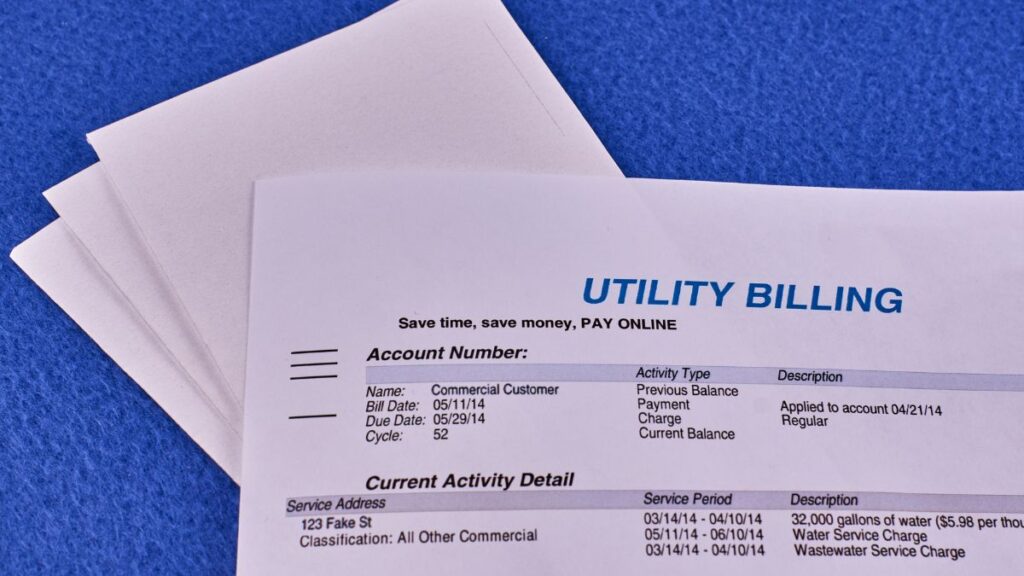
Retirement often means spending more hours at home, and that can change household expenses. Heating, cooling, electricity, water, and internet use may increase when someone is home throughout the day. Seasonal changes can make the difference even more noticeable.
A household that once reduced heating during working hours may now maintain a comfortable temperature all day. Hot summers, cold winters, and rising service charges can produce utility bills considerably higher than expected. Internet and phone expenses may also continue increasing as promotional discounts expire.
Budget adjustment: Review a full 12 months of utility bills instead of using one recent month. That gives a more realistic picture of winter and summer expenses, especially in areas with extreme temperatures.
Ask about senior discounts, utility assistance programs, and less expensive phone or internet plans where available. Small reductions in recurring bills can create meaningful savings over several years.
4. Medicare Premiums Take More Income Than Expected
Some retirees enter Medicare believing that healthcare will become nearly free at age 65. Medicare provides important coverage, but premiums remain a regular expense, and costs depend on the coverage selected. Retirees may also pay for prescription drug coverage, supplemental insurance, or a Medicare Advantage plan.
For 2026, the standard Medicare Part B premium is $202.90 per person each month. That means a married couple both paying the standard premium would spend $405.80 monthly on Part B alone. Higher-income beneficiaries may pay more, and other coverage costs can add to the total.
A retiree receiving Social Security may not notice the full premium because it is often deducted directly from the benefit payment. However, the money still reduces the amount available for ordinary household spending.
| Medicare Expense | 2026 Amount or Rule |
|---|---|
| Standard Part B premium | $202.90 per person monthly |
| Part B annual deductible | $283 |
| Higher-income premiums | Additional amounts may apply |
| Part D covered-drug out-of-pocket limit | $2,100 annually |
| Medigap premiums | Vary by policy and location |
| Medicare Advantage premiums | Vary by plan, with Part B generally still required |
Budget adjustment: Calculate the combined cost of all coverage instead of considering only the standard Medicare premium. Review plans annually because premiums, provider networks, medication coverage, and cost-sharing arrangements can change.
5. Medical Deductibles and Copays Still Add Up

Even with health insurance, a retiree can face bills for specialist visits, diagnostic testing, outpatient services, and other medical treatment.
These costs may seem manageable individually, but repeated appointments can place pressure on a fixed monthly budget. A year involving several health concerns may look very different from a healthy year.
Original Medicare generally requires beneficiaries to pay a share of many covered services unless they have supplemental coverage that pays some of those amounts.
Medicare Advantage plans use different cost-sharing arrangements and annual limits for covered Part A and Part B services. The amount paid depends on the particular coverage and healthcare needs.
Budget adjustment: Include a yearly medical spending allowance beyond insurance premiums. Review what you actually paid during the previous year, then consider whether upcoming appointments or treatments might raise that amount.
For retirees with limited income and resources, Medicare Savings Programs and other assistance programs may help with certain costs. Checking eligibility can be worthwhile before cutting essential healthcare from the budget.
6. Dental, Vision, and Hearing Costs Can Be Substantial

Dental treatment is one of the most easily overlooked retirement expenses. Original Medicare generally does not cover routine dental cleanings, fillings, dentures, or implants, although limited exceptions exist for certain medically necessary dental services. That can leave retirees paying significant amounts for treatment.
Vision and hearing expenses create similar challenges. Routine eye exams for prescription glasses and hearing aids are generally not covered by Original Medicare. Some Medicare Advantage plans offer additional benefits, but coverage limits and provider restrictions still matter.
A retiree may go years with relatively low dental expenses before suddenly needing a crown, dentures, or extensive treatment. Hearing aids and updated glasses can also require money that was never included in the original retirement plan.
Budget adjustment: Set aside money for dental, vision, and hearing needs separately from ordinary medical costs. Compare actual coverage and annual benefit limits before assuming that an insurance plan will handle the full bill.
7. Prescription Drug Costs Change Over Time

A prescription budget that works at age 65 may not remain accurate at 75. New health conditions, different medications, and insurance formulary changes can alter monthly pharmacy expenses. Even a medication that was inexpensive last year may move to a different coverage tier or face new restrictions.
Medicare Part D offers important financial protection. In 2026, out-of-pocket spending for covered Part D drugs is capped at $2,100 for the year, but that limit does not include plan premiums or medicines that are not covered. Actual expenses still depend on the medications and plan.
Budget adjustment: Review the full medication list during each annual Medicare plan comparison. Check formularies, pharmacy networks, expected copays, and whether generic or other lower-cost options are medically appropriate.
Retirees who qualify for Medicare’s Extra Help program may receive assistance with prescription drug expenses. A pharmacist or healthcare professional can also help identify suitable ways to reduce medication costs.
8. Transportation Costs Continue Even When Commuting Ends

Many people assume leaving work will dramatically reduce transportation spending. Gasoline expenses may decline without a daily commute, but insurance, registration, tires, maintenance, and vehicle repairs continue. A car that is already several years old may become more expensive to maintain.
Eventually, a vehicle may need replacement, creating a much larger expense than normal monthly transportation costs. Some older adults also begin paying for rides, taxis, or transportation services when driving becomes less comfortable. Those expenses can grow even when annual mileage decreases.
Budget adjustment: Treat transportation as more than gasoline and insurance. Include maintenance, registration, repairs, and a vehicle replacement fund if continued car ownership is important.
If driving is no longer practical, compare community transportation programs and other local options. Planning ahead helps prevent transportation costs from becoming a barrier to medical appointments, shopping, or social activities.
9. Income Taxes Do Not Automatically Disappear in Retirement

Leaving a job does not necessarily mean leaving income taxes behind. Withdrawals from traditional IRAs and many workplace retirement plans are generally taxable, and pension payments may also create tax obligations. Depending on total income, some Social Security benefits can be subject to federal income tax.
Retirees can also be surprised when larger withdrawals affect other expenses. Higher income can increase Medicare premiums through income-related adjustments, while required minimum distributions can affect taxable income later in retirement.
State income tax rules add another layer because retirement income receives different treatment depending on where someone lives.
There is some tax relief available. For 2025 through 2028, qualifying taxpayers age 65 or older may claim an additional federal deduction of up to $6,000 per eligible person, subject to income limits and other requirements. However, this deduction does not automatically make all Social Security benefits or retirement withdrawals tax-free.
Budget adjustment: Estimate annual taxes based on all expected income sources, not just pension or Social Security payments. Tax withholding or estimated payments may help avoid a large balance due at filing time.
Tax rules depend on income, filing status, account type, and state. A qualified tax professional can help review larger withdrawals and their possible effects on Medicare premiums.
10. Family Gifts and Financial Help Can Become Regular Expenses

Retirement budgets often include personal living expenses but overlook the money spent on other people. Birthday gifts, holiday celebrations, grandchildren’s activities, and family visits can become meaningful annual costs. These expenses may feel small individually, yet their combined effect can be substantial.
Financial assistance can become an even larger responsibility. Adult children may need temporary help with housing, car repairs, or unexpected bills. Some retirees also help aging relatives or contribute to family emergencies that were never part of their financial plan.
Generosity can bring satisfaction, but it becomes stressful when helping others consistently requires withdrawing additional retirement savings. A retiree with a carefully calculated income plan may discover that family spending is one of the least predictable parts of the budget.
Budget adjustment: Create an annual giving allowance that includes holidays, birthdays, charitable donations, and family support. Establish a comfortable limit before an unexpected request arrives, and avoid committing money needed for essential expenses.
11. Travel, Hobbies, and Social Activities Cost More Than Planned

Retirement is not supposed to consist only of paying bills. Many older adults look forward to traveling, dining with friends, visiting family, taking classes, or enjoying hobbies they previously lacked time for. However, those activities can require a larger budget than expected.
Someone who traveled once a year while working may now take several smaller trips. More lunches with friends, club memberships, hobbies, and entertainment can also increase monthly spending. These expenses are easy to underestimate because they often feel optional rather than necessary.
Cutting every enjoyable activity may improve the numbers on paper while making retirement less satisfying. A practical budget should support both financial security and the relationships, experiences, and interests that give everyday life meaning.
Budget adjustment: Decide what matters most and assign a realistic monthly or yearly amount to it. A separate leisure fund makes it easier to enjoy activities without wondering whether the money should have been reserved for essential bills.
12. Household Help and Long-Term Care May Become Necessary
One of the most difficult retirement costs to predict is paying for help with everyday life. Housecleaning, yard maintenance, meal preparation, transportation, and personal care may become more important with age. Even a few hours of paid assistance each week can add to household spending.
Long-term care can create a much greater financial challenge. Original Medicare generally does not pay for ongoing custodial care, such as assistance with bathing, dressing, or other everyday activities when skilled medical care is not required. Medicare Supplement policies also generally do not cover these long-term services.
Not every retiree will need extensive paid care, and support arrangements vary considerably. Some people remain independent with minor home adjustments, while others need assistance from relatives, community programs, home care workers, or residential care facilities.
Budget adjustment: Discuss possible care needs before an urgent situation develops. Review savings, insurance coverage, Medicaid eligibility rules, local support programs, and whether the current home could remain practical with assistance.
This category may be difficult to turn into a fixed monthly estimate. However, acknowledging the possibility is better than assuming that existing health insurance will cover every future care need.
A Simple Budget Table That Can Reveal Missing Expenses
The difference between a workable retirement budget and a stressful one often comes down to planning for bills that do not arrive every month. A $1,200 annual expense, for example, represents $100 per month that should already have a place in the budget.
The following worksheet shows how retirees can organize the 12 categories. These are illustrative planning amounts, not national averages or recommended spending targets.
| Often-Missed Expense | Example Annual Allowance | Monthly Amount to Reserve |
|---|---|---|
| Property tax and insurance increases | $600 | $50 |
| Home repairs and replacements | $1,800 | $150 |
| Higher utility expenses | $360 | $30 |
| Additional insurance premium allowance | $600 | $50 |
| Medical copays and deductibles | $1,200 | $100 |
| Dental, vision, and hearing | $960 | $80 |
| Prescription drug expenses | $720 | $60 |
| Vehicle repairs and replacement savings | $1,800 | $150 |
| Income tax reserve | $1,200 | $100 |
| Family gifts and assistance | $960 | $80 |
| Travel and hobbies | $1,200 | $100 |
| Household assistance reserve | $600 | $50 |
| Total | $12,000 | $1,000 |
This example illustrates how overlooked categories can add up, even without a major financial crisis. The amounts should be replaced with each household’s actual costs, and some categories may not apply.
Standard insurance premiums, routine living expenses, and other costs already included elsewhere should not be counted twice.
A retiree who has not accounted for these expenses may believe that an extra $1,000 is available for discretionary spending every month. In reality, that money may already be needed for predictable annual bills and future replacements.