

Retirement is supposed to bring freedom, but having more free time does not always bring more happiness. Some retirees spend their days feeling bored, disconnected, or worried about what comes next.
Others seem genuinely content, even without a large pension, expensive vacations, or a perfect life.
The difference often comes down to ordinary daily habits. Happy retirees tend to protect their independence, maintain meaningful relationships, stay active, and give their days a sense of purpose.
Happiness in Retirement Often Comes From What Happens Every Day

There is no scientific formula proving that the happiest retirees follow exactly 13 habits. Happiness depends on many things, including health, financial security, personality, relationships, and personal circumstances.
Still, research on aging points to several patterns associated with greater well-being. Meaningful social connections, physical activity, personal independence, and a sense of purpose can all contribute to a more satisfying later life.
The encouraging part is that many of these habits cost little or nothing. They also do not require perfect health, a busy social calendar, or an unusually large retirement account.
| What Matters | Common Misconception | A More Helpful Daily Habit |
|---|---|---|
| Happiness | You need exciting activities every day | Find pleasure in ordinary moments |
| Friendship | You need many friends | Maintain a few dependable relationships |
| Health | You must remain physically fit | Move within your abilities |
| Financial comfort | You need to be wealthy | Keep expenses manageable |
| Independence | You must do everything alone | Make your own choices while accepting help |
| Purpose | You need an important job | Do something that feels worthwhile |
These are not standards retirees must meet to be happy. They are practical areas where small improvements may make daily life feel better.
1. They Start Each Morning With Something Worth Getting Up For

One habit common to satisfying retirement routines is having a reason to get out of bed. That reason does not need to be dramatic or financially rewarding.
It might be watering the garden, preparing breakfast, walking the dog, or reading the newspaper with a cup of coffee. What matters is beginning the day with something that feels enjoyable or worthwhile.
During working years, mornings usually come with a clear purpose. Retirement removes that automatic structure, sometimes leaving people unsure how to spend the hours ahead.
A simple morning activity can restore some of that direction. It provides a starting point without forcing retirees to follow another rigid schedule.
Try this tomorrow: Before going to bed, decide on one thing you would enjoy doing the next morning. Keep it small enough that you can complete it even on a low-energy day.
Over time, this can help mornings feel less empty. The goal is not productivity for its own sake, but having something that makes the day feel like it belongs to you.
2. They Move Their Bodies Without Turning Exercise Into a Punishment

Happy retirement does not require running marathons or spending hours at the gym. Physical movement matters because it helps older adults continue doing the things they enjoy.
Walking to the mailbox, getting out of a chair, shopping independently, or tending a garden all involve physical abilities worth protecting. Even modest improvements in strength and balance can make everyday tasks easier.
The Centers for Disease Control and Prevention recommends that adults 65 and older generally aim for 150 minutes of moderate aerobic activity each week. It also recommends muscle-strengthening activities on at least two days and regular balance activities.
Not everyone can safely meet those targets. Older adults with health or mobility limitations can still benefit from appropriate movement within their abilities.
| Daily Activity | What It May Support | Practical Starting Point |
|---|---|---|
| Comfortable walking | Endurance and mobility | A manageable walk |
| Standing up from a chair | Leg strength | A few controlled repetitions |
| Gentle stretching | Flexibility and comfort | Several minutes |
| Balance exercises | Stability | Practice with safe support |
| Light gardening | Movement and engagement | One manageable gardening task |
| Water exercise | Activity with less joint impact | A suitable supervised or independent session |
A retiree who uses a cane, walker, or wheelchair can also maintain an active life. The important measure is not whether someone moves like they did at 40, but whether movement helps them participate in everyday life.
Practical tip: Choose movement you enjoy enough to repeat. Anyone with significant mobility limitations, recent falls, or medical concerns should ask a healthcare professional which activities are appropriate.
3. They Reach Out to Someone Instead of Waiting for the Phone to Ring

One of the quiet problems of retirement is losing the casual conversations that came with work. Former coworkers no longer appear every morning, and friendships can gradually become less frequent.
Content retirees often make social contact part of their routine instead of leaving every interaction to chance. They call friends, send messages, speak with neighbors, or arrange regular meetings.
This does not mean forcing yourself to socialize constantly. Some people feel happiest with plenty of quiet time and a smaller number of meaningful connections.
The National Institute on Aging distinguishes loneliness from simply living alone. A person can enjoy living independently and still feel connected, while someone surrounded by relatives may experience loneliness.
That distinction matters because social happiness is not determined by how many people are around. It depends more on whether relationships feel supportive and meaningful.
Try this today: Reach out to one person you have been meaning to contact. A short conversation can help maintain a friendship that might otherwise slowly fade.
It also helps to make contact a shared responsibility. Friendships tend to feel better when both people show interest rather than one person doing all the work.
4. They Keep at Least One Relationship Where They Can Be Completely Honest

Retirees can have dozens of acquaintances and still feel they have nobody to confide in. Social contact and emotional closeness are not always the same thing.
A meaningful friendship allows someone to admit they are worried, tired, lonely, or uncertain without feeling embarrassed. It also creates space to share excitement and good news without pretending.
For some retirees, that person is a spouse or longtime friend. For others, it may be a sibling, neighbor, former coworker, or someone they met later in life.
The important part is emotional safety rather than the length of the relationship. A newer friendship can sometimes provide more comfort than an old connection that has become strained.
| Relationship Habit | What It Looks Like |
|---|---|
| Listening carefully | Giving someone time to explain their feelings |
| Showing interest | Remembering important events in another person’s life |
| Being honest | Sharing concerns without pretending everything is fine |
| Respecting boundaries | Allowing someone privacy and personal space |
| Offering support | Helping when possible without keeping score |
| Staying consistent | Checking in even when nothing special has happened |
Building trust takes time, and not every acquaintance will become a close friend. However, investing in a few genuine relationships can be more rewarding than trying to maintain an enormous social circle.
A useful question: If something difficult happened tomorrow, who would you feel comfortable calling? If nobody comes to mind, strengthening one trustworthy connection may be a worthwhile priority.
5. They Make Room for Family Without Letting Family Control Their Happiness
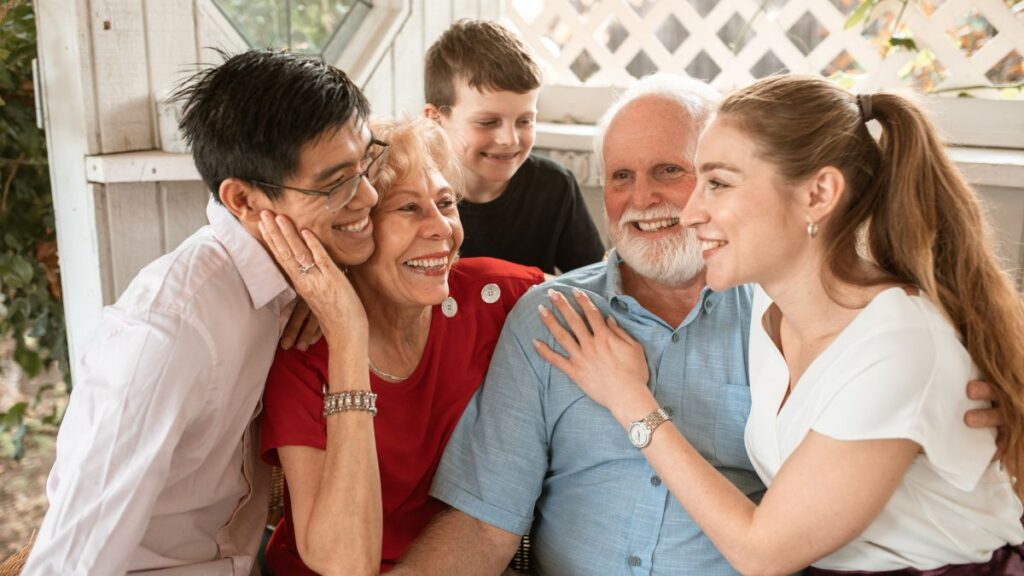
Many retirees find great joy in their relationships with adult children, grandchildren, and other relatives. These connections can provide affection, shared memories, and a sense of belonging.
But happy retirement should not depend entirely on whether children call regularly or grandchildren visit every weekend. Adult family members have their own responsibilities, and some family relationships are complicated.
Retirees who maintain a satisfying personal life often develop connections beyond their immediate relatives. Friends, neighbors, community groups, and former coworkers can become an important part of their support system.
This is especially meaningful for older adults who never had children, live far from relatives, or have experienced family losses. A chosen family can offer companionship and belonging without a biological connection.
Daily habit: Show interest in the people you care about while keeping room for your own activities. Send a thoughtful message, remember an important date, or arrange a visit without treating every unanswered call as rejection.
Relationships usually feel healthier when affection is freely shared rather than constantly demanded. Retirement can become more peaceful when family is an important part of life instead of its only source of happiness.
6. They Keep Their Home Comfortable, Safe, and Easy to Manage
A satisfying retirement often begins with having a place that genuinely feels like home. That does not necessarily mean owning a large house or having every room beautifully decorated.
A modest apartment with manageable expenses, convenient services, and supportive neighbors may provide greater peace than a large property that demands constant repairs. Housing comfort is about daily experience as much as financial value.
Many content retirees develop simple routines that keep their living spaces pleasant and functional. They put frequently used items within reach, reduce unnecessary clutter, and address small maintenance problems before they become bigger.
The goal is not maintaining a spotless house. It is creating an environment where ordinary activities feel manageable and where safety concerns do not quietly limit independence.
| Area of the Home | Small Helpful Habit | Why It Matters |
|---|---|---|
| Living room | Keep walkways clear | Reduces tripping hazards |
| Kitchen | Store common items within easy reach | Makes daily tasks easier |
| Bathroom | Check lighting and support features | Helps with safer movement |
| Bedroom | Keep essentials close to the bed | Improves convenience |
| Entryway | Maintain a clear path and good lighting | Makes entering and leaving easier |
| Household paperwork | Keep important documents organized | Reduces confusion when information is needed |
For homeowners, this might include setting aside money for repairs. For renters, it could mean reporting maintenance problems and keeping track of lease terms.
Simple habit: Spend a few minutes each day making one part of your home easier to use. Small changes can support comfort without requiring expensive renovations.
7. They Keep Money Worries From Taking Over Every Conversation
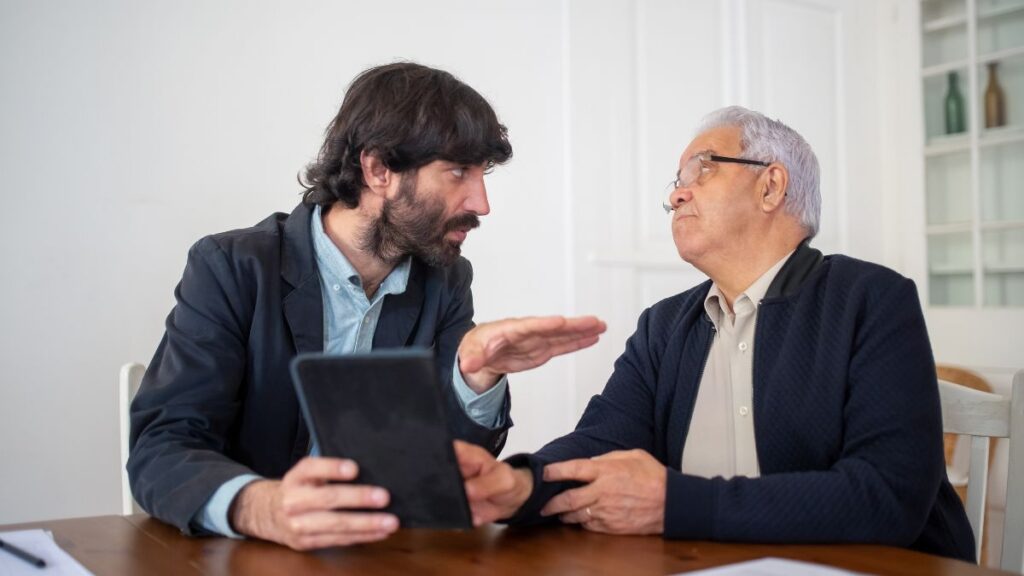
Financial security matters in retirement, but happiness is not reserved for millionaires. Someone with modest retirement income can still feel comfortable when essential expenses are manageable.
The Consumer Financial Protection Bureau describes financial well-being in terms of meeting obligations, handling financial shocks, progressing toward goals, and retaining freedom to make choices. This is a more useful measure than comparing account balances.
Retirees who feel more financially secure often have a clear picture of their regular expenses. They know which bills must be paid, how much spending flexibility they have, and where they may need to make adjustments.
That awareness can reduce uncertainty without requiring someone to think about money constantly. Checking investment balances several times a day may add stress without improving a long-term financial plan.
A Simple Money Routine That Supports Peace of Mind
| Habit | How Often | Main Benefit |
|---|---|---|
| Check unusual account activity | Regularly | Helps identify errors or fraud |
| Track daily spending | As needed | Keeps purchases within budget |
| Review upcoming bills | Weekly | Reduces payment surprises |
| Check emergency savings | Monthly | Shows available financial protection |
| Review retirement withdrawals | Periodically | Helps spending stay aligned with resources |
| Review major financial goals | At least annually | Keeps plans current |
Money management should create more confidence, not become another full-time job. A short and organized routine can be more useful than constantly worrying about every purchase.
Practical tip: Give yourself a reasonable amount for small pleasures when your budget allows. Retirement savings are meant to support a life, although spending decisions should still protect essential needs and long-term security.
For retirees with limited resources, public benefits or help from family can provide important support. Accepting assistance does not mean someone has failed financially.
8. They Do Something That Makes Them Feel Useful

Many people underestimate how much purpose their jobs provided. Work created responsibilities, gave people reasons to interact, and often reminded them that their efforts mattered.
Retirement can remove those roles almost overnight. Without something to replace that sense of contribution, even a comfortable lifestyle can begin to feel directionless.
Satisfied retirees often find useful things to do that fit their interests and abilities. They may help a neighbor, volunteer, care for a pet, mentor a younger person, or maintain a garden.
Others find purpose in family responsibilities, creative projects, or community involvement. There is no requirement that the activity be impressive or recognized by anyone else.
Research on purpose in older adulthood has found associations with better mental and physical well-being. These findings do not mean that staying busy guarantees happiness, but they suggest that meaningful engagement deserves attention.
Try this: Ask yourself what small contribution you could make today. Perhaps someone needs encouragement, a plant needs care, or a personal project deserves another hour of attention.
The best activities often provide a feeling of satisfaction without becoming obligations that leave someone exhausted. Retirement purpose should add meaning rather than recreate unwanted work pressure.
9. They Protect Their Freedom to Make Everyday Decisions

One of retirement’s greatest rewards is having more control over how time is spent. People may finally choose when to wake up, what to eat, where to go, and which activities deserve their attention.
That freedom can become especially meaningful after decades of working around other people’s schedules. Yet retirement independence can also be affected by health problems, transportation barriers, financial pressures, and family expectations.
Content retirees often try to preserve their role in everyday decisions, even when they need assistance. They express preferences, discuss alternatives, and seek solutions that help them continue doing things they value.
Independence should never be confused with refusing all support. A person who accepts transportation assistance may gain the freedom to attend social events that would otherwise become impossible.
Similarly, installing bathroom safety equipment or arranging grocery delivery may help an older adult remain comfortable at home. Adaptation can protect choice rather than take it away.
Daily habit: Make at least one intentional choice about how you spend your day. It could involve your meals, hobbies, clothing, visitors, or plans for the afternoon.
Small decisions reinforce the feeling that your life remains your own. And that sense of personal control can matter deeply when other circumstances are changing.
10. They Keep Learning Instead of Assuming Their Best Years Are Behind Them
Retirement can provide time to explore interests that were pushed aside during working years. Some people discover a love of painting, gardening, photography, history, or learning a new language.
Others become interested in technology, cooking, local history, or improving a skill they already enjoy. The particular subject matters less than having something that keeps their curiosity alive.
The National Institute on Aging identifies meaningful hobbies, learning, and social participation as activities that can support engagement and well-being in older adulthood. Learning can also create opportunities to meet people with similar interests.
It is worth remembering that learning does not need to be formal. A retiree can gain new knowledge through books, conversations, workshops, community classes, and hands-on activities.
| Interest | Simple Learning Habit | Possible Added Benefit |
|---|---|---|
| Gardening | Learn about one new plant | Creates seasonal projects |
| Cooking | Try a different recipe | Adds variety to meals |
| Technology | Practice one phone feature | Builds confidence with devices |
| Reading | Explore an unfamiliar subject | Encourages curiosity |
| Music | Practice a favorite instrument | Offers a creative activity |
| Local history | Learn about a nearby landmark | Creates conversation topics |
Try this: Spend 15 minutes exploring something you do not already know. There is no need to take a test, earn a certificate, or become an expert.
Learning simply for pleasure can make ordinary days more interesting. It also provides something new to talk about with friends and family.
11. They Ask for Help Before Small Problems Become Major Obstacles

Some older adults believe independence means handling every difficulty without assistance. That belief can lead people to struggle unnecessarily with household tasks, transportation, health concerns, or paperwork.
Retirees who protect their quality of life often take a more practical approach. They recognize that asking for the right support can preserve independence rather than reduce it.
A person who develops difficulty carrying groceries might use delivery services. Someone who feels unsteady on the stairs might ask about safety changes before experiencing a fall.
The same principle applies to finances and technology. Getting help with confusing insurance documents or unfamiliar online services can prevent mistakes and reduce frustration.
A useful daily habit: Notice what has become harder instead of automatically ignoring it. Then consider whether a simple change, helpful tool, or trusted person could make the task more manageable.
Accepting support does not mean surrendering control. Retirees can remain active participants in decisions about their homes, finances, medical care, and daily routines.
There is also value in offering help when possible. Relationships become stronger when people can sometimes give support and sometimes receive it.
12. They Enjoy Small Pleasures Without Feeling Guilty

Some retirees spend decades saving money and delaying enjoyment. After leaving work, they may continue treating every enjoyable purchase or unproductive afternoon as something they must justify.
Financial care is sensible, but retirement does not need to become an endless exercise in restriction. Small pleasures can make ordinary life more enjoyable without threatening long-term financial security.
A favorite breakfast, a library visit, music, an afternoon with a friend, or watching birds outside the window can all bring satisfaction. Many enjoyable experiences require little money and no complicated planning.
The key is recognizing that pleasure does not need to be earned through constant productivity. After years of responsibilities, retirees are allowed to enjoy time without proving they used every minute efficiently.
Some days may also be quieter than others. A retiree does not have to fill every hour with activities to have a meaningful life.
Try this: Choose one enjoyable activity each day simply because you like it. Treat it as a normal part of living rather than a reward you must earn after finishing every chore.
Contentment often develops through repeated ordinary experiences, not nonstop excitement. A peaceful afternoon can be just as valuable as a busy day of social events.
13. They Always Keep Something on the Calendar to Look Forward To
One of the simplest habits worth borrowing from satisfied retirees is making plans for the future. The plans do not have to involve expensive vacations or major family celebrations.
They might include a weekly lunch, an upcoming birthday, a gardening project, a community event, or an afternoon spent exploring a nearby place. What matters is having something ahead that feels personally meaningful.
Working life provides automatic milestones through schedules, deadlines, holidays, and professional goals. Once those disappear, retirees may need to create their own reasons to anticipate the coming days.
Looking forward to an activity can give the week a little more structure. It may also encourage people to stay socially connected and participate in activities they enjoy.
There is no need to plan every day months in advance. A balance between anticipation and flexibility allows retirement to remain relaxing.
Simple habit: Keep one enjoyable activity on the calendar, and choose another after it happens. The goal is to have something that creates pleasant anticipation without adding unnecessary pressure.
A retired person might look forward to spring flowers, a friend’s visit, or finishing a book. These small expectations can remind people that meaningful experiences are still ahead.
How to Turn These 13 Habits Into a More Enjoyable Retirement Routine
Trying to change 13 behaviors at once can make retirement feel like another demanding job. A better approach is to begin with a few small actions that fit your personality, health, and circumstances.
The following example offers a flexible daily routine. The times are only suggestions, and activities can be changed to match personal preferences.
| Part of the Day | Simple Habit | Main Purpose |
|---|---|---|
| Morning | Begin with an enjoyable activity | Creates direction |
| After breakfast | Walk, stretch, or move comfortably | Supports physical function |
| Late morning | Complete one useful task | Builds purpose |
| Midday | Contact a friend or relative | Maintains connection |
| Afternoon | Read, learn, or enjoy a hobby | Encourages engagement |
| Early evening | Prepare for tomorrow and check essential tasks | Reduces uncertainty |
| Before bed | Choose something to anticipate | Gives the next day direction |
This routine should not become a strict set of rules. Some retirees prefer later mornings, extended social activities, or quiet afternoons without specific plans.
What matters is whether the routine supports the life you want. A good retirement schedule leaves room for rest, changing energy levels, unexpected opportunities, and personal choice.