

Living on your own after 65 can be one of retirement’s greatest freedoms, but it can also bring challenges that are easy to overlook.
Without a regular schedule, days may slowly become quieter, movement can decrease, and small household problems can turn into bigger concerns.
The good news is that staying independent does not always require major changes or expensive services. A few dependable daily routines can help older adults protect their health, maintain connections, and enjoy life on their own terms.
The goal is not to fill every hour with activities. It is to create enough structure that everyday life feels safe, manageable, and worth looking forward to.
Why Small Daily Habits Matter More After 65
Retirement removes much of the structure that work once provided. There may be no morning commute, scheduled lunch break, coworkers expecting an answer, or clear time to finish the day.
For older adults living alone, that freedom can be wonderful. However, when too many days lack purpose or meaningful contact, it can become easier to withdraw from activities that once made life enjoyable.
Daily routines provide a useful middle ground between complete freedom and a rigid schedule. They help people remember important tasks, care for their bodies, manage their homes, and stay involved in the world around them.
| Area of Daily Life | Helpful Routine | Main Benefit |
|---|---|---|
| Physical health | Regular walking or adapted movement | Supports mobility and independence |
| Nutrition | Planned meals and regular fluids | Supports nourishment and energy |
| Home safety | Brief daily safety checks | Reduces common household hazards |
| Social connection | Meaningful daily contact | Helps reduce isolation |
| Mental activity | Reading, learning, or hobbies | Encourages mental engagement |
| Financial security | Keeping expenses organized | Helps prevent missed obligations |
| Emotional well-being | Enjoyable activities and future plans | Adds purpose and anticipation |
There is no proven formula requiring every older adult to follow exactly 13 routines. These habits are practical options that can be adjusted for health, income, mobility, personal interests, and living arrangements.
1. Begin Each Morning With a Predictable Routine

Waking up without an alarm may be one of retirement’s pleasures, but an unpredictable morning can sometimes make the entire day feel unorganized. Having a familiar starting point creates structure without taking away personal freedom.
That routine might include opening the curtains, washing up, getting dressed, eating breakfast, and looking over the day’s plans. These simple actions can help separate the start of the day from the hours spent resting or relaxing.
For older adults who experience dizziness when standing, getting out of bed slowly is especially sensible. Sitting briefly before standing can help, although repeated dizziness should be discussed with a healthcare professional.
A helpful habit: Choose three morning actions that feel comfortable and repeat them in roughly the same order. The routine should make the day easier, not create pressure to follow a perfect schedule.
2. Eat Regular Meals Instead of Waiting Until Hunger Becomes a Problem

Cooking for one can gradually become less appealing after years of preparing meals for a household. Some older adults begin skipping lunch, replacing dinner with snacks, or eating whatever requires the least effort.
Regular, balanced meals help provide the nutrients needed for daily activity, muscle maintenance, and overall health. Keeping easy choices available, such as eggs, oatmeal, yogurt, beans, vegetables, and frozen meals with reasonable nutrition, can make eating well more manageable.
Staying hydrated deserves attention too. Older adults may not always feel thirsty when they need fluids, although the right amount depends on health conditions, activity, medications, and any fluid restrictions.
A helpful habit: Build meals around a simple routine and keep a few easy options available for days when cooking feels tiring. People with medical dietary restrictions should follow their clinician’s advice rather than a general meal plan.
3. Make Movement Part of Ordinary Daily Life
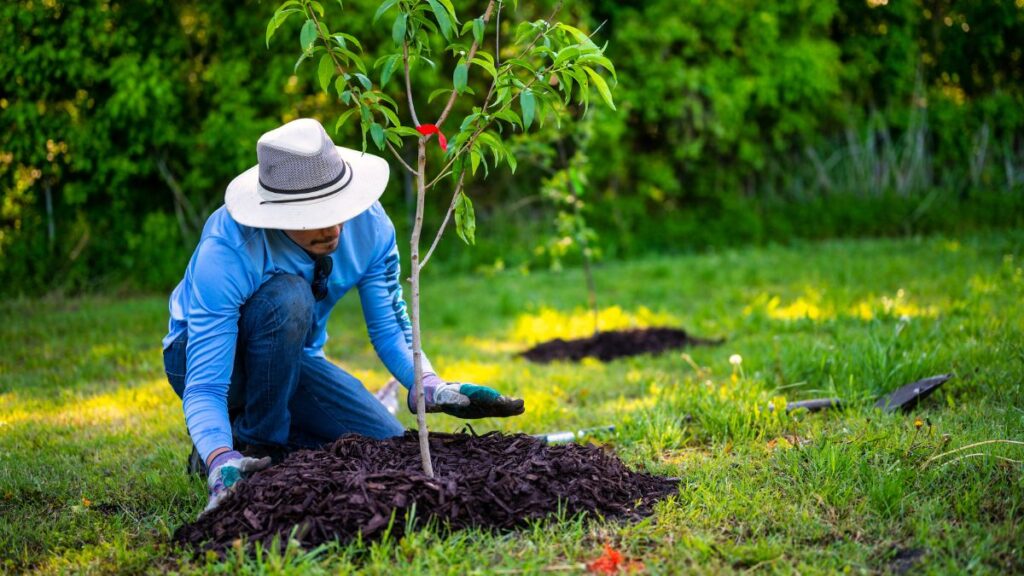
One of the biggest threats to independence is gradually doing less because everyday movement starts feeling difficult. Spending long periods sitting may make it harder to maintain the strength and stamina used for household tasks.
The CDC recommends that adults 65 and older generally aim for at least 150 minutes of moderate aerobic activity each week, along with muscle-strengthening activities and balance work. Those unable to meet the full guidance can still benefit from movement suited to their abilities.
A daily walk, gentle gardening, walking indoors, or an appropriate seated exercise routine can help make movement more consistent. Using a cane, walker, or wheelchair does not remove the value of staying active in safe, accessible ways.
A helpful habit: Find a realistic movement opportunity during the morning or afternoon and make it part of the usual schedule. Start within your abilities and ask a healthcare professional about suitable activity if you have significant mobility or health concerns.
4. Practice Small Activities That Support Strength and Balance

Walking is useful, but everyday independence also depends on the strength needed to stand, lift, reach, and move safely. These abilities can become harder to maintain when muscles and balance are rarely challenged.
Strength activities might include doctor-approved resistance exercises, gentle leg movements, or rising from a sturdy chair when safe and appropriate. Balance activities may involve guided exercises or supported practice based on individual ability.
The CDC recommends muscle-strengthening activities at least twice weekly, along with regular balance activities for older adults. Not every exercise needs to happen every day, and some movements should be supervised when falling is a concern.
A helpful habit: Set aside a regular time for safe movement and schedule strength work on suitable days. If you feel unsteady, seek advice from a physical therapist rather than attempting unsupported balance exercises.
5. Spend Five Minutes Keeping the Home Safe

Living independently involves more than being able to cook, clean, and manage bills. It also means noticing small household hazards before they become serious problems.
A loose rug, poorly lit hallway, electrical cord across the floor, or slippery bathroom surface can increase the chance of an accident. The National Institute on Aging recommends changes such as better lighting, secure handrails, grab bars, and clear walking paths.
A brief daily check can catch problems without turning home maintenance into an exhausting project. It may take only a few minutes to put shoes away, clean up a spill, or make sure a frequently used walkway is clear.
A helpful habit: Before settling down for the evening, check the places used most often, especially the route between the bedroom and bathroom. Keep a charged phone accessible and arrange help for repairs that are unsafe to handle alone.
6. Keep Medications and Health Tasks Organized

Managing health becomes more complicated when prescriptions, appointments, and medical instructions begin to overlap. Living alone can make it particularly important to have a dependable way to track these responsibilities.
A written medication list, calendar, or reminder system can reduce confusion about what needs attention. Some people benefit from medication organizers, although these should be used only when suitable for their prescriptions and with guidance from a pharmacist if needed.
Regularly reviewing medications with a healthcare professional matters because some drugs can cause dizziness, sleepiness, or other side effects. Keeping track of concerning changes can make appointments more productive.
A helpful habit: Use one reliable system for prescribed medication times, refills, and upcoming appointments. Never change or stop a prescribed medication simply because a reminder system suggests something is wrong; check with your pharmacist or prescriber.
7. Have One Meaningful Conversation With Another Person
Living alone does not automatically mean feeling lonely. Many older adults enjoy the peace and privacy of having their own home while maintaining close relationships outside it.
The difficulty begins when days pass without meaningful conversation, especially after retirement removes regular workplace interactions. A growing lack of contact can make it harder to notice when friendships are fading or emotional needs are going unmet.
A conversation does not need to last an hour to matter. Calling a friend, chatting with a neighbor, speaking with a family member, or taking part in a community group can make an ordinary day feel more connected.
A helpful habit: Keep a short list of people you enjoy speaking with and reach out regularly. When daily conversation is not practical, a dependable schedule of calls, messages, or social activities can provide a similar sense of connection.
8. Spend Some Time Outside the House or Near Natural Light

When groceries can be delivered and entertainment is available at home, it is possible to spend several days indoors without much reason to leave. That convenience can become limiting when it replaces movement, social contact, and enjoyable time outside.
Sitting on a porch, walking through a garden, visiting a nearby park, or having coffee outdoors may help make the day feel less confined. For people with limited mobility, spending time by a window or in an accessible outdoor area may be a more realistic choice.
Getting outdoors can also create natural opportunities for conversation and gentle activity. The goal is not to force a daily outing in bad weather or unsafe conditions, but to avoid letting the home become the entire world.
A helpful habit: Choose a comfortable time of day to enjoy the outdoors when conditions allow. Protect yourself from heat, cold, poor air quality, and excessive sun exposure.
9. Give Every Day One Task That Feels Worth Completing

Work once provided many older adults with a regular sense of responsibility. Retirement can remove that structure almost overnight, leaving some people wondering what makes one day different from the next.
A daily purpose does not have to involve employment, volunteering, or an impressive accomplishment. Watering plants, preparing a favorite meal, helping a neighbor, working on a craft, or caring for a pet may provide a satisfying reason to get moving.
The strongest tasks are often the ones people choose for themselves. A responsibility that feels meaningful can be more satisfying than a long list of chores completed only because they need doing.
A helpful habit: Choose one useful or enjoyable task each morning and give it a place in the day. It should be realistic enough to finish without leaving you exhausted or disappointed.
10. Keep the Mind Engaged With Something Interesting

Leaving the workforce should not mean leaving curiosity behind. Older adults can continue learning, practicing skills, and exploring interests well into later life.
Reading, playing music, completing puzzles, writing, studying local history, or learning to use a new device can provide enjoyable mental activity. Although no single hobby is proven to prevent dementia, staying mentally and socially engaged is a reasonable part of healthy aging.
Activities are often more rewarding when they involve genuine interest rather than pressure to improve memory scores. Someone who enjoys cooking may prefer trying a new recipe, while another person may enjoy learning a few phrases in a different language.
A helpful habit: Spend some time each day on an activity that requires attention, creativity, or learning. Choose something enjoyable enough that you look forward to doing it again.
11. Protect Time for Something That Brings Genuine Enjoyment
An independent life can still become overly focused on responsibilities. Between cleaning, health appointments, shopping, and managing expenses, some older adults find that very little time is left for simple pleasure.
Enjoyment deserves a regular place in retirement rather than being treated as something that happens only after every chore is finished. Listening to favorite music, watching birds, visiting a friend, working on a hobby, or reading a novel can add welcome variety.
Pleasure does not always require spending money or leaving the house. The key is choosing activities that feel personally satisfying instead of automatically filling free hours with television or scrolling.
A helpful habit: Keep a short list of affordable activities that reliably improve an ordinary day. When the day feels dull, choose one intentionally rather than waiting for something interesting to happen.
12. Keep Money and Household Responsibilities From Piling Up
Financial independence is not necessarily about having a large retirement account. For many older adults, it means knowing what bills are due, having a plan for routine expenses, and being able to make everyday decisions without constant confusion.
Mail, invoices, medical statements, subscriptions, and household repairs can become stressful when ignored for weeks. A small administrative routine helps keep important tasks visible before they turn into urgent problems.
Checking every bank transaction repeatedly is not necessary and may create anxiety. Instead, a brief daily review of incoming mail and household needs, combined with a more detailed weekly money check, can be easier to maintain.
A helpful habit: Keep bills, important documents, and upcoming tasks in one designated place. Set aside a regular weekly time to review balances and payments, and verify unexpected financial requests through trusted contact information.
13. End the Day With a Routine That Makes Tomorrow Easier

Evenings can feel especially quiet for people living alone, particularly when the day has included little conversation or activity. A familiar nighttime routine can help mark the end of the day and prepare for the morning ahead.
That might involve putting away dishes, preparing breakfast items, checking tomorrow’s calendar, charging a phone, and leaving clear paths through the home. Keeping medications and emergency contact details organized can provide additional reassurance.
Consistent sleep and wake times may also help support better rest. A calm bedroom, comfortable lighting, and relaxing activities before bed can make the evening more pleasant without requiring a strict schedule.
A helpful habit: Spend a few minutes preparing one thing for tomorrow and making sure you can contact help if needed. Then allow yourself time to relax instead of turning the evening into another list of obligations.
How These 13 Routines Can Fit Into an Ordinary Day
The routines are not meant to become 13 separate appointments. Several can fit naturally into the same activity, allowing older adults to maintain structure while still enjoying retirement freedom.
Here is one flexible example.
| Time of Day | Example Routine | Main Focus |
|---|---|---|
| Morning | Get dressed, eat breakfast, review plans | Structure and nourishment |
| Midmorning | Walk or do suitable movement | Mobility |
| Late morning | Tidy a walkway and organize health tasks | Safety |
| Lunchtime | Prepare a balanced meal | Nutrition |
| Early afternoon | Call someone or enjoy a social activity | Connection |
| Afternoon | Read, learn, garden, or work on a project | Mental engagement and purpose |
| Late afternoon | Enjoy outdoor time if practical | Variety and movement |
| Early evening | Handle a small household task | Independence |
| Night | Prepare for tomorrow and unwind | Safety and rest |
This is an example, not a schedule that everyone must follow. People with different energy levels, disabilities, appointments, caregiving duties, or personal preferences may need a different rhythm.
Warning Signs That Living Independently May Require More Support
Maintaining independence does not mean insisting on handling every challenge without assistance. Sometimes the best way to continue living comfortably at home is to recognize where extra help would make daily life safer.
Certain changes deserve attention, particularly when they appear suddenly or begin interfering with normal activities.
| Change to Notice | Why It Matters | Possible Next Step |
|---|---|---|
| Repeated falls or increasing unsteadiness | May signal a safety or health concern | Seek medical assessment and fall prevention support |
| Frequently missed medications | Can affect treatment and safety | Review the medication system with a pharmacist or clinician |
| Difficulty preparing meals | May affect nutrition and health | Explore meal support or accessible cooking arrangements |
| Unpaid bills or unusual money confusion | May signal stress, exploitation, or difficulty managing tasks | Review finances with a trusted person or professional |
| Growing loneliness or withdrawal | May affect emotional well-being | Rebuild meaningful contact and seek support |
| Trouble with bathing, dressing, or moving around | May indicate changing support needs | Discuss home adaptations and available care services |
New or worsening confusion, repeated falls, persistent dizziness, or major changes in everyday functioning should not be dismissed as normal aging. Sudden confusion, stroke symptoms, or another apparent medical emergency require immediate medical attention.
Getting support with transportation, cleaning, medications, or personal care does not automatically mean giving up one’s home. The right assistance can allow an older adult to keep making choices that matter.