

Living alone after 65 can be wonderful. You control your schedule, enjoy your own space, and make decisions without answering to anyone. But some of the biggest mistakes to avoid when you live on your own after 65 begin with small habits that seem harmless.
Skipping proper meals, spending entire days indoors, or gradually losing touch with neighbors can change how you feel about everyday life. These patterns may also affect your health, finances, and independence.
The good news is that many are preventable, and small changes can make living alone more comfortable and rewarding.
1. Stop Treating Every Meal as an Afterthought
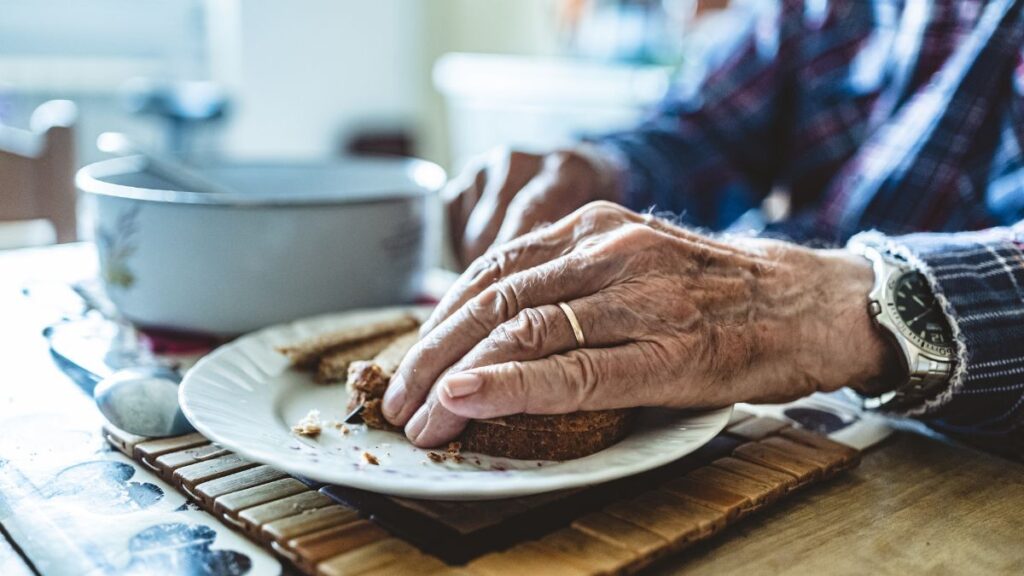
One of the first habits that can change when someone begins living alone is how they eat. Cooking a full meal for one person may feel like too much work, especially after years of preparing food for a spouse or family.
Breakfast becomes coffee and toast, lunch turns into crackers, and dinner comes from whatever is easiest to find. An occasional simple meal is perfectly fine, but regularly skipping balanced meals can make it harder to get enough protein and other important nutrients.
The National Institute on Aging recommends eating a variety of foods, including protein sources that help maintain muscle. This matters because strength and physical function are important parts of remaining independent as people age.
Eating Well Does Not Require Complicated Cooking
Consider someone who buys a $12 prepared dinner instead of making a $6 meal at home three nights a week. Under those hypothetical prices, the difference would be $936 over one year.
Convenience meals can still be a sensible choice when cooking is difficult or exhausting. The goal is to find affordable, nourishing options that fit individual needs rather than treating every meal as an inconvenience.
| Meal | Simple Option | Helpful Nutrients |
|---|---|---|
| Breakfast | Eggs and whole-grain toast | Protein and fiber |
| Lunch | Bean soup and vegetables | Protein and fiber |
| Dinner | Baked fish, rice, and vegetables | Protein and vitamins |
| Snack | Yogurt with berries | Protein and calcium |
Preparing extra portions for another day can reduce work without sacrificing variety. Eating at a table rather than standing over the kitchen counter can also make meals feel like an enjoyable part of the day.
2. Letting the Television Become Your Main Companion

Television can provide entertainment, comfort, and familiar voices in a quiet home. There is nothing wrong with enjoying favorite movies, old westerns, sports, or a television series.
Problems may develop when the television stays on from breakfast until bedtime simply because the house feels too quiet. Hours pass, planned activities get postponed, and watching becomes something done automatically rather than something genuinely enjoyed.
The television can begin replacing activities that provide movement, conversation, and mental stimulation. Although watching a program can be relaxing, it cannot fully replace meaningful contact with other people.
A useful change is to decide what to watch before turning the television on. Someone might enjoy a favorite program after dinner while keeping the morning available for walking, reading, hobbies, or household tasks.
Background noise can also come from music, audiobooks, or radio programs. The important distinction is having entertainment that adds something to the day rather than allowing it to occupy nearly every waking hour.
3. Keeping Your Front Door Closed to the Outside World

Staying home can become increasingly convenient after retirement. Groceries arrive through delivery services, prescriptions come in the mail, and many appointments can be handled without leaving the house.
These conveniences are valuable, especially for people with mobility problems or limited transportation. However, when every activity moves indoors, opportunities for fresh air, exercise, and casual conversations may gradually disappear.
The National Institute on Aging explains that loneliness and social isolation are related but different experiences. Someone can enjoy living alone without feeling lonely, while another person may struggle with loneliness despite having people nearby.
Make Leaving Home Part of Your Week
Going outside does not require an expensive outing or a full day of activities. A short walk, a visit to the library, or a conversation with someone at a neighborhood gathering can provide a welcome change of scenery.
People who cannot comfortably leave home can still maintain connections through phone calls, video conversations, accessible community programs, and visitors. Opening a window or sitting outside for a few minutes may be enjoyable, but these activities should complement rather than replace human contact.
A helpful goal is to plan regular opportunities to interact with the world beyond the house. The frequency and activity should match personal interests, physical abilities, and comfort.
4. Spending Almost Every Day in One Room

A favorite chair, comfortable bedroom, and television within reach can make one room particularly appealing. Over time, someone may begin eating, reading, watching television, and spending most of the day in that same space.
This arrangement is not automatically harmful, particularly for someone with a disability or a home that is difficult to move around. The concern arises when convenience gradually replaces activities the person previously enjoyed.
Someone who once read by the living room window might start reading only in bed. Meals move from the dining table to a bedroom tray, and other parts of the home are rarely used.
Using different areas of the house can create natural changes in the day. Coffee in the kitchen, reading in a comfortable chair, and eating dinner at a table can establish a more varied routine.
However, moving between rooms should never take priority over safety. A person with mobility difficulties may benefit more from making their main living area functional, comfortable, and accessible.
The real mistake is allowing daily life to become unnecessarily restricted without considering whether small adjustments could improve it.
5. Mistaking Routine for Boredom
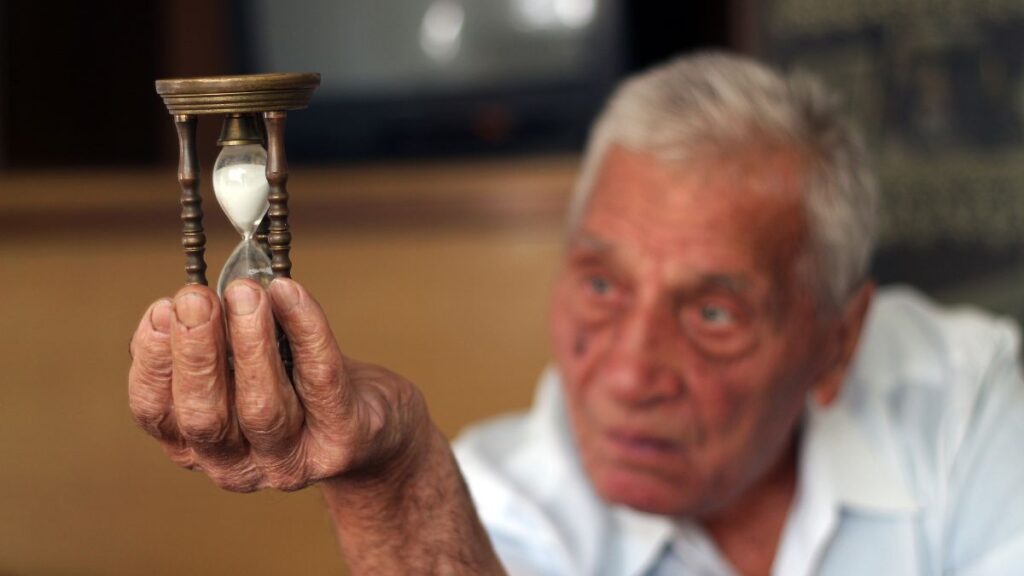
Some retirees reject routines because they associate schedules with years of working and meeting obligations. After decades of following a clock, waking up without a plan can initially feel like freedom.
But completely unstructured days can become difficult for some people. Without regular activities, meals may happen at inconsistent times, important household tasks may be forgotten, and days can begin to feel almost identical.
A routine does not need to resemble a work schedule. It can be as simple as having breakfast, taking a walk, calling a friend, and setting aside an hour for something enjoyable.
Build a Routine That Supports Independence
A flexible daily structure can help people remember important activities without making life feel restricted. The following is an example rather than a schedule everyone must follow.
| Time | Suggested Activity | Main Purpose |
|---|---|---|
| Morning | Breakfast and light movement | Nutrition and activity |
| Late morning | Household tasks or errands | Daily independence |
| Afternoon | Hobby or social conversation | Enjoyment and connection |
| Evening | Dinner and relaxing activity | Comfort and routine |
The most useful routines include both responsibilities and enjoyable activities. They leave room for unexpected invitations, rest, appointments, and days when someone simply wants to do something different.
A predictable schedule can provide structure, but it should never become another source of pressure. The goal is to make each day easier to manage while preserving personal freedom.
6. Giving Up on Personal Care Because No One Is Watching

Living alone removes much of the social pressure surrounding clothing and appearance. Nobody notices whether someone wears the same sweater two days in a row or decides to stay in pajamas until lunchtime.
There is no need to dress formally at home, and comfort becomes increasingly important for many people. Still, losing interest in basic grooming or personal hygiene can sometimes signal that daily routines are becoming difficult.
A person who previously enjoyed dressing neatly may gradually stop changing clothes, brushing their hair, or paying attention to personal care. These changes may reflect low mood, pain, limited mobility, fatigue, or another problem rather than simply getting older.
Personal Care Is About More Than Appearance
Washing, wearing comfortable clean clothes, and keeping up with basic hygiene are practical forms of self-care. They can also help maintain a sense of normalcy after retirement, bereavement, or major life changes.
There is no need to impress anyone or meet somebody else’s standards. A favorite shirt, a comfortable hairstyle, or a familiar morning grooming routine may be enough to make the day feel more settled.
If personal care suddenly becomes difficult or unimportant, it may be worth discussing the change with a healthcare professional. Persistent loss of interest, especially alongside sadness, poor sleep, or changes in appetite, deserves attention.
7. Becoming a Stranger to Your Own Neighbors

Privacy is one of the greatest advantages of living independently. Some people genuinely prefer limited social contact and feel perfectly satisfied with a small circle of close relationships.
However, there is a difference between choosing privacy and becoming disconnected from the surrounding community. Someone may live on the same street for years without knowing even one nearby person well enough to ask for assistance.
This can become a practical concern during power outages, severe weather, or unexpected household problems. Having a neighbor who recognizes you can provide another source of support without requiring a close friendship.
Small Connections Still Matter
A friendly greeting while collecting the mail or a brief conversation during a walk can make neighbors more familiar. Over time, these small interactions may create relationships that make the neighborhood feel more welcoming.
The same principle applies to people who live in apartment buildings or retirement communities. Regular contact with familiar residents, community volunteers, or local groups can provide opportunities for conversation.
A simple connection schedule might look like this:
| Frequency | Connection Habit | Alternative |
|---|---|---|
| Daily | Greet a familiar neighbor | Send a friendly message |
| Twice weekly | Call a friend or relative | Have a video conversation |
| Weekly | Attend a community activity | Join an online group |
| Monthly | Arrange a shared meal | Invite someone for coffee |
These activities should reflect personal preferences rather than become obligations. Maintaining a few dependable connections is generally more valuable than trying to socialize with everyone.
8. Having Nobody Who Would Notice an Emergency
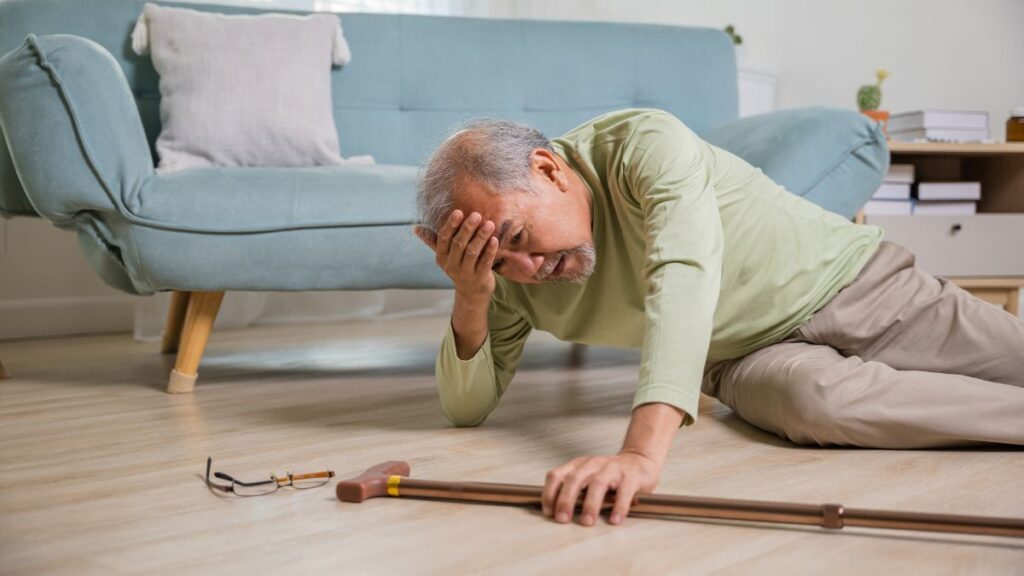
One of the most practical mistakes people make while living alone is failing to establish a simple check-in arrangement. This issue has less to do with loneliness and more to do with having a clear plan if something unexpected happens.
A fall, sudden illness, or serious household problem may require assistance. When nobody expects regular contact, a missed call or an unusual change in routine may go unnoticed.
A basic check-in system does not need complicated technology. It could involve sending a morning text, making a short evening phone call, or arranging regular contact with a trusted person.
Create a Plan Before You Need One
Choose someone who agrees to check on you if an expected message or call does not arrive. Discuss what they should do if they cannot reach you, including whom to contact and when to request emergency assistance.
Keep important phone numbers accessible and consider whether an emergency alert device would be useful. A medical alert system may offer additional support, but it should be evaluated for cost, reliability, coverage, and personal needs.
It is also wise to keep an updated list of medications, allergies, and emergency contacts where first responders can find it. Review the list whenever important medical information changes.
Living independently does not require handling every possible emergency alone. A small amount of planning can make it easier for others to help when assistance is genuinely needed.
9. Ignoring Small Safety Problems Around the House
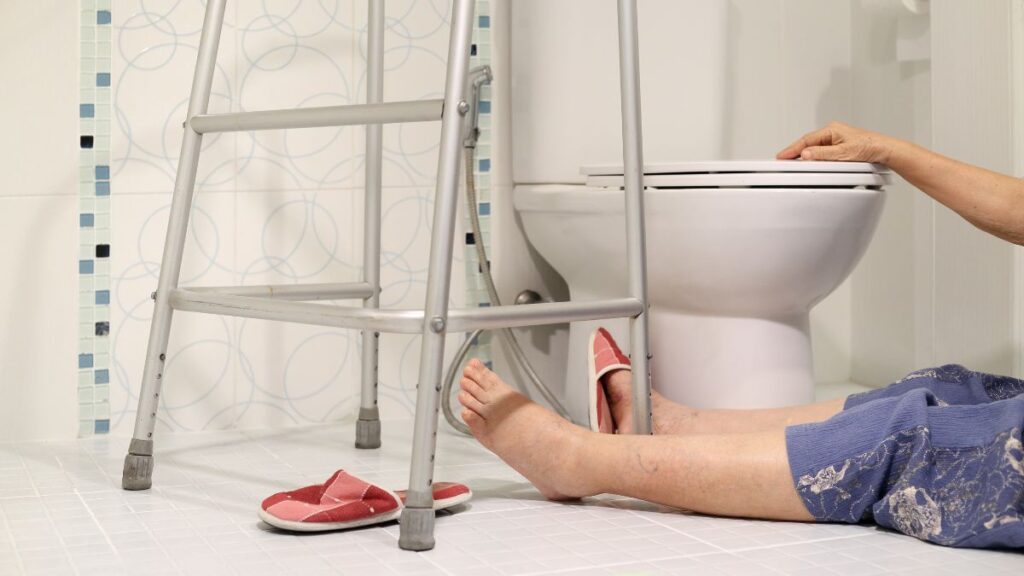
A home that has been comfortable for decades may develop hazards that are easy to overlook. Loose rugs, dim hallway lights, slippery bathroom floors, and cluttered walkways can all contribute to falls.
The CDC reported that falls among adults 65 and older caused more than 43,000 deaths in the United States in 2024. The agency also recorded approximately 4.5 million emergency department visits involving older adult falls that year.
These numbers do not mean falling is an unavoidable part of aging. The CDC emphasizes that many falls can be prevented through home improvements, physical activity, medication reviews, and other practical measures.
Look Closely at Everyday Spaces
Safety improvements do not always require major remodeling. Removing tripping hazards, improving lighting, and installing properly secured grab bars may make daily activities safer.
| Area | Potential Problem | Practical Improvement |
|---|---|---|
| Bathroom | Slippery surfaces | Install grab bars and nonslip surfaces |
| Bedroom | Dark walking path | Add accessible lighting |
| Hallway | Loose rugs or cords | Clear walking routes |
| Stairs | Poor lighting or weak rails | Improve lighting and handrails |
| Kitchen | Frequently used items stored high | Move essentials within easy reach |
A particularly important habit is avoiding unstable chairs or stools when reaching for household items. Frequently used objects should be kept where they can be accessed without unnecessary climbing.
Someone who notices dizziness, balance problems, or a recent fall should discuss those concerns with a healthcare professional. Medication side effects and vision changes may also deserve review.
Small changes around the house can help support independence. Making them before an accident occurs is generally easier than making them during recovery.
10. Turning Your Home Into a Museum of the Past
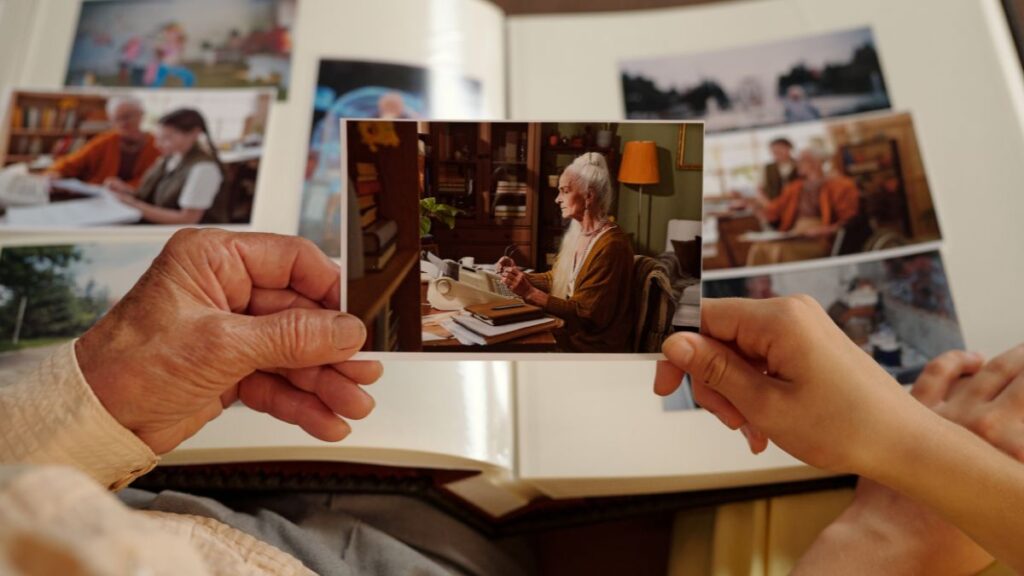
Memories become especially meaningful after the death of a spouse, close friend, or family member. Photographs, furniture, letters, and personal belongings can provide comfort and maintain a connection to important parts of life.
There is nothing wrong with preserving treasured possessions or leaving a room unchanged after a loss. Grief is personal, and there is no universal timeline for deciding what to keep.
However, some people eventually find that their homes no longer reflect their present needs. Rooms remain unused, furniture occupies valuable space, and belongings make everyday activities increasingly difficult.
Keep the Memories Without Losing Living Space
A person who once shared an office with a spouse might eventually want to use that space for painting, sewing, reading, or visiting grandchildren. Making such a change does not erase the relationship or the memories associated with the room.
The same principle applies to collections and stored belongings. Keeping a few especially meaningful objects can sometimes make those possessions easier to appreciate than maintaining an entire room of items that are rarely used.
It may help to begin with a small drawer or shelf rather than an entire room. Decisions about deeply meaningful belongings should be made at a comfortable pace, without pressure from relatives or friends.
The purpose is not to erase the past. It is to allow the home to continue supporting the life being lived today.
11. Saying “I’m Too Old” Before Even Trying
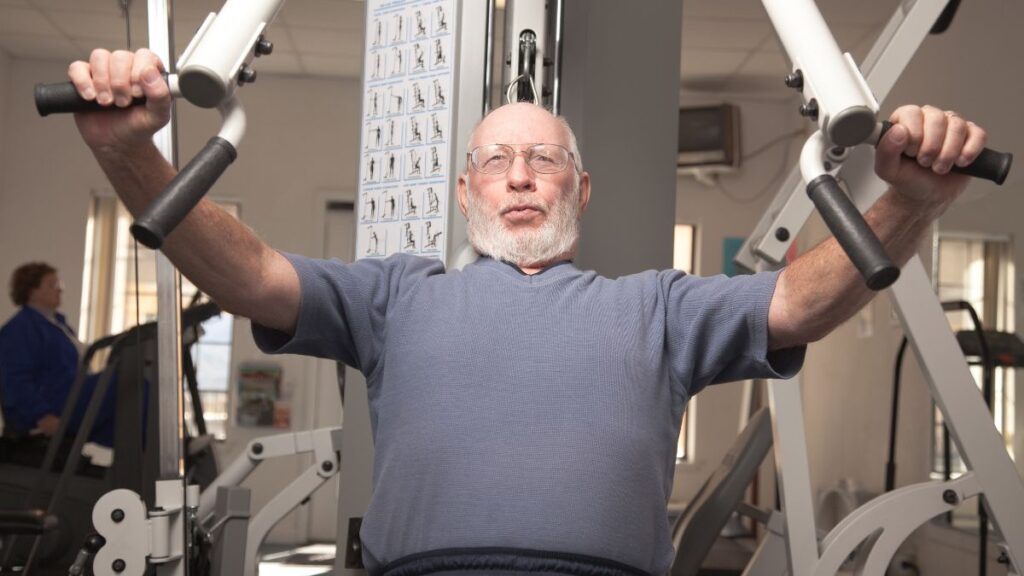
Age can affect strength, endurance, balance, and the types of activities someone can safely perform. But reaching 65, 75, or 85 does not automatically mean that opportunities to learn or enjoy new experiences have ended.
Some people stop considering activities because they assume they will be the oldest person participating. Others worry that they will look inexperienced or struggle to keep up with younger participants.
These feelings are understandable, especially when starting something unfamiliar. However, avoiding every new experience can gradually reduce the range of activities someone feels comfortable attempting.
Choose Activities That Match Your Abilities
Learning photography, attending a local history class, trying watercolor painting, or joining a book discussion may provide opportunities for enjoyment and connection. Many activities can also be adapted for people with physical limitations.
A person interested in dancing might try a suitable beginner class, while someone with mobility difficulties could explore seated movement programs. Higher-risk physical activities may require medical guidance, instruction, or appropriate supervision.
The important question is not simply whether someone is too old. It is whether the activity is enjoyable, suitable, and reasonably safe for their individual circumstances.
Age can change how an activity is approached without removing the opportunity altogether.
12. Losing Track of Bills, Subscriptions, and Suspicious Calls
Living independently means managing household finances without another person automatically reviewing the bills. This creates an important responsibility, particularly for retirees living on a fixed monthly income.
Small recurring charges can continue for months or years without attracting much attention. Unused subscriptions, account fees, and forgotten memberships may gradually reduce the money available for other priorities.
Consider the following hypothetical monthly expenses:
| Expense | Monthly Cost | Annual Cost |
|---|---|---|
| Unused streaming service | $16 | $192 |
| Forgotten membership | $28 | $336 |
| Delivery subscription | $12 | $144 |
| Avoidable account fee | $9 | $108 |
| Total | $65 | $780 |
These are illustrative amounts, not national averages. Someone paying all four charges could spend $780 in a year without receiving much value from them.
A monthly review of bank statements and credit card transactions can reveal expenses worth reconsidering. It can also help identify unfamiliar transactions that deserve further investigation.
Protect Yourself From Financial Scams
Financial scams are another concern that deserves attention. According to an FTC report released in November 2026, reported fraud losses among adults 60 and older rose from about $600 million in 2020 to approximately $3 billion in 2025.
These figures represent reported losses, not necessarily every dollar lost to fraud. They also do not mean that all older adults are equally vulnerable or that fraud only affects people who live alone.
A scammer may pretend to represent a bank, government agency, technology company, or familiar business. Unexpected requests to transfer money, provide account information, or act immediately should raise concern.
Do not send money simply because someone claims your savings are in danger. End the conversation and contact the organization through independently verified contact information.
The FTC recommends reporting suspected fraud, even when no money was lost. Discussing a suspicious request with a trusted person before taking action can also provide a valuable second opinion.
13. Assuming There Is Nothing New Left to Learn

Retirement removes many of the regular challenges associated with work. There may be fewer deadlines, professional responsibilities, and situations that require learning unfamiliar skills.
For some people, this change is a welcome relief. For others, it can gradually create the feeling that there is nothing particularly interesting left to accomplish.
Learning does not need to produce a certificate, professional achievement, or financial reward. The enjoyment of understanding something new can be reason enough to continue.
Curiosity Can Give Ordinary Days More Variety
A person who enjoys family history might learn how to research old records. Someone interested in music could try a beginner instrument, while another person might experiment with gardening or a new language.
Technology can also provide opportunities to learn, but it is not necessary to master every new device. Learning how to use a particular feature that makes everyday life easier may be more useful than trying to understand everything at once.
Public libraries, community colleges, local recreation programs, and senior centers may offer affordable educational opportunities. Some programs are free, while others charge fees that vary by location.
The most rewarding activity is often something that fits a person’s existing interests while offering a manageable challenge. Progress can happen slowly, and there is no requirement to become an expert.
Remaining curious can help keep daily life interesting, especially for people who spend substantial time on their own.
14. Refusing Small Amounts of Help Until a Crisis Happens

Many older adults take pride in handling their own responsibilities. Cooking, cleaning, driving, paying bills, and maintaining the house may represent years of independence and personal accomplishment.
However, independence does not have to mean completing every task without assistance. Refusing help with difficult or unsafe activities can sometimes create problems that would have been easier to prevent.
Someone with balance difficulties might continue climbing a ladder to clean gutters. Another person may struggle with grocery shopping or postpone needed home repairs because asking for help feels uncomfortable.
Accepting Support Can Help You Stay Independent
Hiring someone for yard maintenance, arranging grocery deliveries, or asking a relative for transportation does not automatically reduce independence. In many cases, support with selected tasks allows a person to continue managing the rest of daily life.
The Administration for Community Living explains that local Area Agencies on Aging can help connect older adults with community services. Depending on location and eligibility, options may include home-delivered meals, transportation, and assistance with household activities.
The Eldercare Locator can help people find these local resources. Its phone number is 1-800-677-1116, and available services and costs vary by community.
It is also important to understand the financial side of receiving help. Medicare generally does not pay for ongoing personal assistance when that is the only care needed, although certain home health services may be covered when specific conditions are met.
Medicaid and other assistance programs may cover qualifying services, but eligibility and benefits vary by state. Checking these details before making a major decision can prevent unexpected expenses.
The strongest form of independence is not necessarily doing everything alone. It is maintaining as much personal choice and control as possible while getting appropriate support.