
A modest Social Security check can feel painfully small when rent, groceries, insurance, and medical bills keep getting more expensive.
Yet in some parts of the world, that same retirement income may cover a comfortable apartment, fresh food, and a lifestyle that feels less financially stressful.
The surprising part is that several of these places are islands where English is widely spoken, making everyday communication easier for American retirees. But before packing your bags, it helps to know which islands offer real savings and which come with hidden costs.
How Affordable Are These Five Retirement Islands?
Some low-cost retirement estimates suggest that a single person can manage basic monthly expenses for around $1,000 to $1,500 in certain island communities. Those figures usually assume modest housing, local food, and a relatively simple lifestyle.
However, these are optimistic planning estimates rather than verified, all-inclusive monthly costs. They may exclude health insurance, taxes, international flights, immigration expenses, and major emergencies.
| Island Destination | Illustrative Monthly Budget | Main Appeal |
|---|---|---|
| Gozo, Malta | $1,300–$1,500 | Mediterranean living and official English use |
| Dominica | $1,100–$1,300 | Rainforests, peaceful communities, and nature |
| Roatán, Honduras | $1,000–$1,400 | Caribbean beaches, diving, and expat communities |
| Cebu or Palawan, Philippines | $900–$1,300 | Affordable services and English communication |
| Penang, Malaysia | Around $1,500 | Modern hospitals, food, and urban convenience |
These budget targets are most useful for comparing possibilities, not deciding whether someone can afford to move immediately. A person who needs regular specialist care or frequent flights home could spend considerably more.
The five destinations also differ in their immigration requirements. A country with low grocery prices may still require substantial savings before approving long-term residence.
1. Gozo, Malta: A Quieter Mediterranean Retirement With English Everywhere
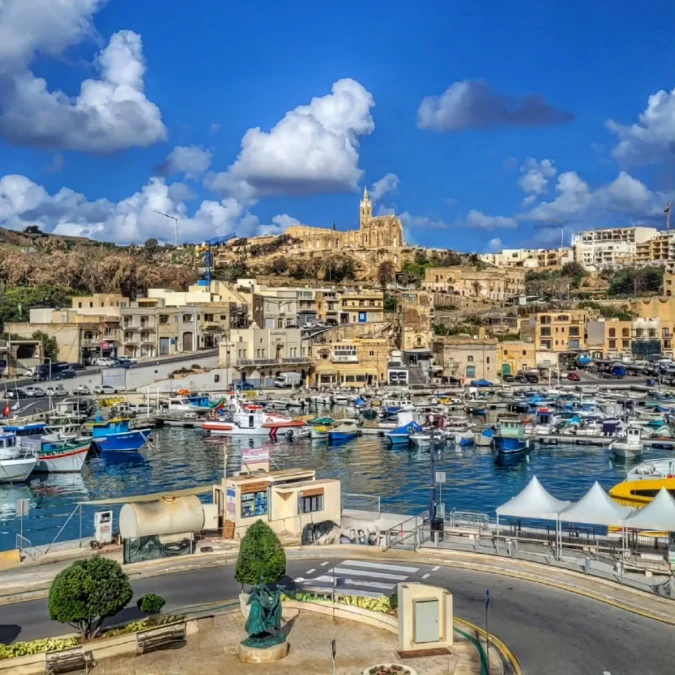
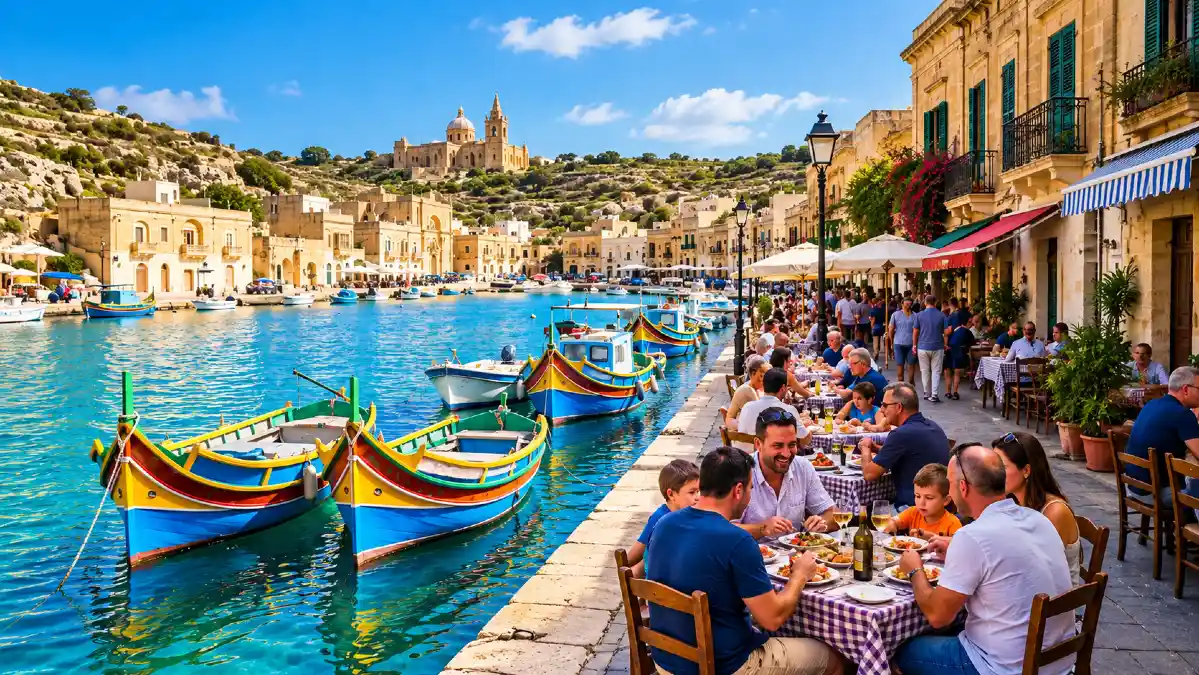
Gozo sits in the Mediterranean Sea, just north of Malta’s main island. It offers limestone cliffs, fishing villages, old stone buildings, and beautiful coastal scenery without the same level of activity found in Malta’s busiest urban areas.
For retirees who have always wanted to live in Europe, Gozo offers an appealing combination of history, sunshine, and a slower daily routine. Its smaller communities can feel more relaxed than the major European cities people often consider for retirement.
English is one of Malta’s two official languages, alongside Maltese. That makes communication with landlords, medical offices, businesses, and government services easier for many American retirees.
Where Gozo Can Save Retirees Money
Housing is one of Gozo’s main financial advantages. In 2026, one-bedroom apartments in several Gozo villages commonly fall around €500 to €850 monthly, depending on the location, condition, and proximity to the sea.
A retiree choosing a modest apartment in Victoria or a quieter inland village may spend less than someone renting in Malta’s popular coastal districts. Shopping at local markets and preparing meals at home can help keep food expenses manageable.
Daily life can also be inexpensive when entertainment revolves around walking, swimming, visiting local cafes, and spending time outdoors. Gozo’s villages offer simple pleasures that do not require expensive memberships or constant shopping.
Healthcare and Residency Deserve a Closer Look
Malta has a developed healthcare system, and English communication is a major advantage when discussing medical needs. However, foreign retirees should not assume they automatically qualify for free public healthcare simply because they live on Gozo.
Residence status, insurance coverage, and eligibility rules matter. Some specialist appointments and treatments may also require travel to Malta’s main island.
Malta offers special tax programs that can apply a 15% rate to qualifying foreign income brought into the country. But that is not a universal 15% tax rate for every foreign retiree, and these programs have eligibility rules, housing conditions, and minimum annual tax obligations.
The Trade-Off Retirees Should Consider
Gozo is becoming more popular, and desirable rental properties may be expensive or difficult to find. Summer tourism can also change the atmosphere in coastal villages that feel peaceful during winter.
Travel is another consideration. Visiting family in the United States typically involves connections, and frequent long-distance flights can erase some of the savings from lower housing costs.
Best suited for: Retirees who want Mediterranean surroundings, easy English communication, and a peaceful community, provided they can meet Malta’s residency and financial requirements.
2. Dominica: The Caribbean Nature Island Where Simple Living Can Cost Less
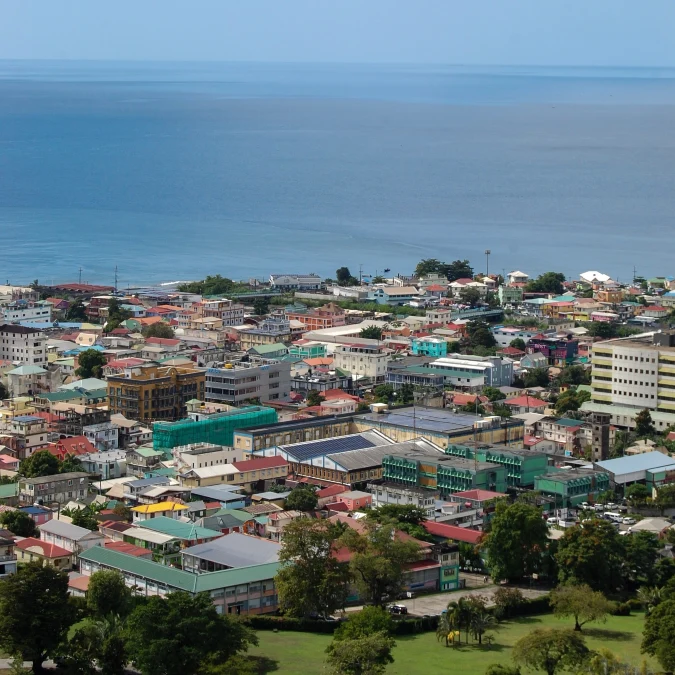
Dominica is one of the Caribbean’s most remarkable islands, although many Americans confuse it with the Dominican Republic. These are two separate countries with different landscapes, cultures, and living costs.
Known as the Nature Island, Dominica offers tropical forests, waterfalls, hot springs, rugged mountains, and beautiful coastal scenery. Instead of being dominated by large resort developments, much of the island has kept its natural character.
English is the official language, which makes everyday communication easier. Creole is also widely spoken, reflecting the island’s history and local traditions.
Why Dominica Appeals to Budget-Conscious Retirees
A retiree who prefers local markets, home cooking, and a modest apartment may find opportunities to spend less than in many American cities. Fresh produce, locally caught fish, and seasonal tropical fruit are part of everyday life.
The capital, Roseau, offers shopping, transportation, medical services, and government offices. Some surrounding communities may provide quieter housing, although transport and access to services become more important outside town.
The often-quoted budget of $1,100 to $1,300 monthly is a tight target rather than a reliable comfort standard. Actual costs depend heavily on rent, imported goods, transportation, and insurance.
Dominica may appeal most to retirees who already enjoy a simple lifestyle. Someone who needs a large air-conditioned home, frequent imported products, or regular international travel may find that the savings shrink.
The Lifestyle Is Beautiful, but Not Always Convenient
Dominica’s scenery comes with practical challenges. Many roads are steep or winding, and mountainous areas may be difficult for retirees with limited mobility.
Heavy rainfall and tropical storms can disrupt transportation, utilities, and everyday routines. Hurricane Maria caused enormous damage in 2017, showing how serious the island’s exposure to severe weather can be.
Medical services are available, but advanced treatment options are more limited than those found in major metropolitan areas. Retirees who require regular specialist care should investigate whether necessary treatment is available locally.
Long-Term Living Requires Proper Planning
Dominica has residence-permit procedures, but living there permanently is not the same as taking an extended vacation. Applicants may need medical documents, financial information, police records, and other paperwork.
Permanent residence is not automatic. The government’s published process generally expects a period of residence or employment before someone can be considered.
Best suited for: Nature lovers who enjoy quiet communities, outdoor activities, and a simpler routine, and who are prepared for storm risks and more limited medical infrastructure.
3. Roatán, Honduras: Caribbean Beach Living Without Resort-Level Spending
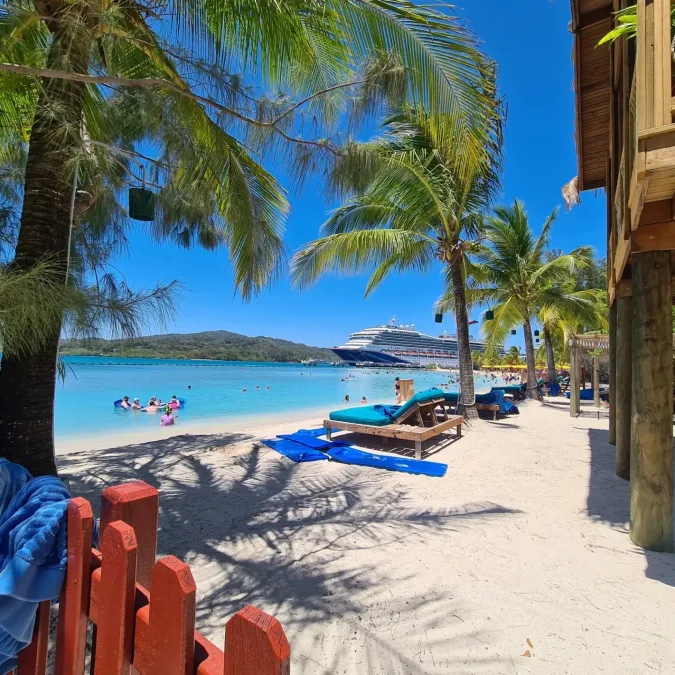
Roatán is a long, narrow island off the northern coast of Honduras. It is known for clear Caribbean water, tropical beaches, colorful marine life, and access to the Mesoamerican Barrier Reef.
For retirees who enjoy swimming, snorkeling, fishing, or scuba diving, the island offers activities that would be expensive vacation experiences elsewhere. Here, they can become part of ordinary life.
Although Spanish is Honduras’s official language, English is widely spoken in Roatán’s established island communities and tourism areas. Retirees can often manage common daily interactions in English, although learning some Spanish remains useful.
The Affordable Side of Roatán
Living away from high-demand beachfront neighborhoods can make a major difference to monthly spending. Modest apartments, local food, and fewer entertainment expenses may allow some retirees to live on a relatively small budget.
Local seafood, produce markets, and inexpensive restaurants provide ways to control food costs. Retirees who adopt local habits rather than maintaining an expensive vacation lifestyle generally have a better chance of saving money.
However, the $1,000 to $1,400 monthly budget often mentioned in retirement discussions is optimistic. Popular expat areas can have higher rents, and imported groceries, electricity, and transportation may cost more than expected.
Air conditioning can become a significant expense in the tropical climate. A reliable backup power source may also be worth considering where electricity interruptions occur.
Retirement Residency May Be Possible With Pension Income
Honduras has residency categories for foreign pensioners and people with qualifying income. The pensioner category has traditionally used a $1,500 monthly pension requirement, although applicants should confirm current rules, documentation, and legal fees before proceeding.
That distinction matters because qualifying for residency is separate from determining whether a monthly budget is enough. Someone may meet an income threshold but still need additional savings for insurance, emergencies, and housing.
Roatán also has established international communities, which may help newcomers find social activities and practical advice. But a welcoming community cannot replace independent research into legal residence and personal safety.
Safety and Healthcare Are the Biggest Concerns
Honduras carries a serious U.S. travel advisory due to crime and security concerns. Roatán has different conditions from some mainland cities, but it would be misleading to describe the island as free from risk.
Retirees should research specific neighborhoods, transportation arrangements, property security, and local conditions before signing a lease. Extra caution is especially important for anyone unfamiliar with the country.
Healthcare is another limitation. Roatán has clinics and medical services, but serious conditions may require treatment on the mainland or in another country.
Best suited for: Active retirees who love Caribbean water activities, value an established expat community, and are willing to make careful plans for safety, insurance, and medical access.
4. Cebu and Palawan, Philippines: Two Affordable Island Lifestyles With English Widely Spoken
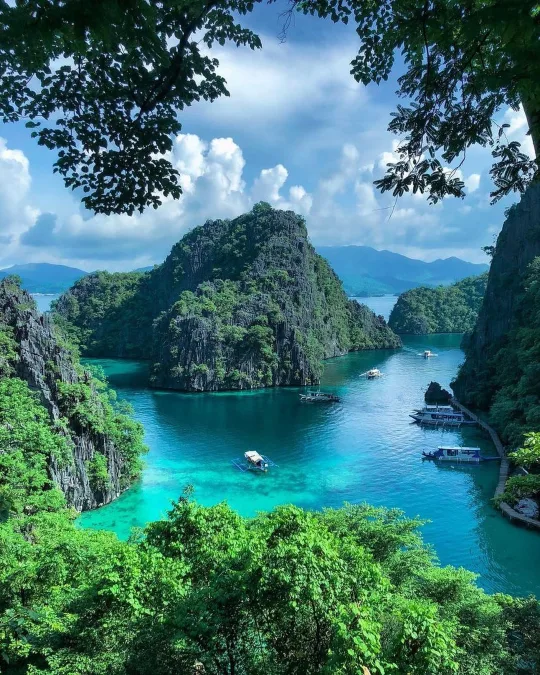
The Philippines offers more than 7,000 islands, so retiring there does not mean choosing one kind of environment. Some communities have modern shopping centers, hospitals, and busy urban streets, while others offer quiet beaches and small coastal towns.
English and Filipino are official languages, and English is commonly used in business, education, healthcare, and many public services. That can make daily life easier for American retirees who do not speak a local language.
Two island choices worth comparing are Cebu and Palawan. Both offer tropical scenery and potentially lower living expenses, but their healthcare access and daily conveniences are quite different.
Cebu Offers City Convenience With Island Living
Cebu is a strong option for retirees who want lower everyday costs without giving up access to shopping, hospitals, restaurants, and other city services.
Cebu City has established private hospitals, large supermarkets, shopping malls, and a sizable international community. Nearby coastal areas provide opportunities for beach outings and water activities.
In some neighborhoods, a single retiree may be able to find modest rental housing for far less than a comparable apartment in an expensive American city. Local restaurants and markets can also make eating out relatively affordable.
Still, a $900 to $1,300 monthly budget leaves limited room for expensive insurance, emergencies, and higher-end housing. A person seeking a newer condominium in a premium district should expect a different price.
Traffic, congestion, and air pollution are additional concerns in urban areas. Choosing housing close to hospitals, grocery stores, and regular activities can reduce both transportation expenses and everyday frustration.
Palawan Provides a More Peaceful Tropical Setting
Palawan offers a noticeably different retirement experience. Its dramatic limestone cliffs, clear lagoons, tropical forests, and coastal villages appeal to people who want natural surroundings rather than a busy city lifestyle.
Puerto Princesa has more everyday services than many smaller communities, making it a practical starting point for someone considering long-term residence. More remote locations can feel beautiful and peaceful, but basic errands may require additional planning.
The greatest concern is access to healthcare. Retirees who need frequent specialist appointments or advanced treatment should carefully compare Palawan with Cebu before choosing a permanent home.
Internet service, transportation, and storm preparedness also deserve attention. The lowest-cost village is not necessarily the best place to live when dependable services become more important with age.
The Philippines Has a Formal Retirement Visa
The Philippines offers a Special Resident Retiree’s Visa, commonly called the SRRV. It can provide long-term residence and multiple-entry privileges to approved applicants.
Under the Philippine Retirement Authority’s published rules, applicants aged 50 and older using the SRRV Classic option generally need a $15,000 visa deposit if they qualify as pensioners or $30,000 if they do not. Pensioners must also meet qualifying pension-income rules, and processing and annual fees apply.
Some SRRV holders can receive benefits from participating merchants, but these should not be confused with automatic senior discounts at every business. The visa’s financial requirements also need to be considered separately from monthly living expenses.
Best suited for: Retirees who want widespread English communication and lower everyday costs, especially those choosing Cebu for better access to services or Palawan for a quieter lifestyle.
5. Penang, Malaysia: Affordable Daily Living With Modern Healthcare and City Comforts
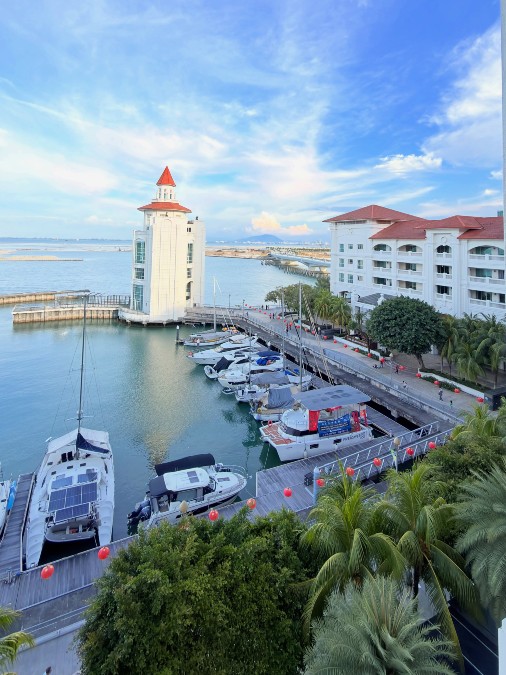
Penang may be the most interesting choice for retirees who want affordable daily living without feeling cut off from modern services. The Malaysian island combines historic neighborhoods, shopping centers, private hospitals, beaches, and an especially strong local food culture.
Its main city, George Town, is known for historic buildings, traditional shops, lively streets, and a UNESCO-listed heritage area. Modern residential neighborhoods sit alongside older communities where local markets and small restaurants remain part of everyday life.
Malay is Malaysia’s official language, not English. However, English is widely spoken in Penang, especially in business, healthcare, tourism, and many urban settings.
Why Penang Offers Strong Value for Everyday Expenses
Housing is one of Penang’s biggest attractions. In some areas, modest one-bedroom apartments can cost significantly less than similar homes in large American cities.
A retiree who chooses an older apartment or a neighborhood outside the most expensive districts may have more room in the budget for food, utilities, and transportation. Modern condominiums with sea views, pools, or premium facilities generally cost more.
Food provides another opportunity to save. Penang is famous for hawker centers, where small stalls sell freshly prepared local dishes at prices that are often much lower than Western restaurant meals.
Traditional dishes such as char kway teow, laksa, and nasi kandar are popular parts of local dining. Retirees who enjoy Malaysian food can often eat well without spending heavily on imported products.
Public transport, taxis, and ride-hailing services can also reduce the need to own a car. However, the practical cost depends on where someone lives and how frequently they need to travel.
Healthcare Is a Major Part of Penang’s Appeal
Penang has several established private medical centers, including Gleneagles Hospital Penang, Penang Adventist Hospital, and Island Hospital. These facilities make the island attractive to retirees who value access to specialist appointments and private treatment.
English-speaking healthcare professionals are another advantage. For older adults who need to explain symptoms, medications, and medical histories, being able to communicate clearly can make a meaningful difference.
Private healthcare costs may be lower than in the United States, but affordability varies widely by procedure and insurance arrangements. Retirees should request actual quotations for their medical needs rather than relying on advertised consultation prices.
The Major Catch Is Malaysia’s Long-Term Residency Cost
Penang’s everyday expenses may be affordable, but obtaining the right to stay for years can require a much larger financial commitment.
Malaysia’s standard Malaysia My Second Home program, known as MM2H, includes different financial categories. Under the published Silver requirements, applicants need a fixed deposit of US$150,000 and must purchase qualifying residential property valued at no less than RM600,000.
That means an American retiree cannot simply assume that renting a $400 apartment and receiving a modest Social Security check will qualify them for the program. The initial capital requirement may be far beyond what many retirees can afford.
Other legal routes may exist depending on individual circumstances, but these must be checked carefully. A low monthly living cost does not create a right to permanent residence.
The Climate and Distance From Home Matter Too
Penang stays hot and humid throughout much of the year. Retirees who prefer cooler weather may find the climate uncomfortable, especially when walking outdoors during the hottest hours.
Air conditioning, traffic, and seasonal heavy rain are everyday considerations. Visiting relatives in the United States also involves long flights, which can be tiring and expensive.
Still, Penang offers an unusual combination of food, culture, healthcare, and housing choices at relatively modest everyday prices.
Best suited for: Retirees who value private healthcare, varied food, and convenient urban services, particularly those with enough savings to qualify for an appropriate long-term residence program.
The Hidden Costs That Can Change an Affordable Retirement
The most common mistake when comparing retirement islands is looking only at rent and groceries. Those expenses matter, but a successful retirement budget needs to cover the things that happen outside an ordinary month.
Healthcare, immigration requirements, major repairs, international flights, and currency changes can all affect how far a fixed income stretches. These expenses can be especially difficult for retirees who have little financial flexibility.
| Expense | What Retirees Need to Check | Why It Matters |
|---|---|---|
| Health insurance | Coverage, age limits, and preexisting conditions | Medical costs can be unpredictable |
| Immigration and visas | Deposits, fees, renewals, and property rules | Low living costs do not guarantee eligibility |
| Flights home | Airfare and emergency travel | Visiting family can become expensive |
| Transportation | Dependable local services and vehicle costs | Cheap rural housing may require a car |
| Emergency savings | Storm damage, evacuation, or urgent expenses | A financial cushion provides security |
| Taxes | U.S. and foreign tax obligations | Moving abroad does not automatically remove taxes |
For Americans, Medicare generally does not cover medical care outside the United States, apart from limited exceptions. Retirees should investigate appropriate international healthcare and medical evacuation coverage before committing to a move.
Social Security retirement benefits can generally continue for eligible U.S. citizens living abroad, subject to program rules and payment restrictions. Noncitizens may face additional requirements, so individual eligibility should be confirmed before relocating.
American citizens may also continue to have U.S. tax filing and reporting obligations while living overseas. Foreign tax rules, pension treatment, and any applicable tax credits should be reviewed with a qualified professional.
These are not reasons to dismiss international retirement. They are reasons to judge affordability by the full financial picture rather than the cheapest apartment advertised online.