

For years, The Villages in Florida has represented the retirement dream: warm weather, beautiful neighborhoods, golf courses, and endless activities. Yet some longtime residents are now making a surprising decision.
They are selling their homes and choosing to spend their remaining retirement years somewhere else.
The surprising part is that many are not leaving because they dislike the community. Rising ownership costs, changing health needs, family priorities, and the challenges of living in a growing retirement destination can gradually change what people want.
The Villages Is Still Growing, So Why Are People Selling?
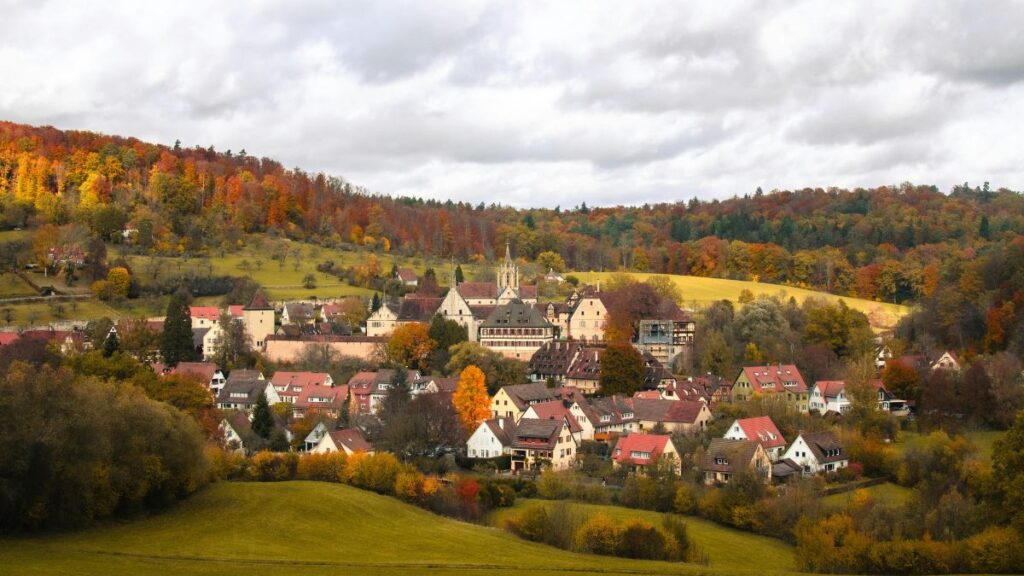
The first thing to understand is that The Villages is not becoming an abandoned retirement community. With more than 150,000 residents across the larger development, it remains one of America’s most recognizable retirement destinations.
However, population growth and homeowner turnover are not the same thing. New retirees can continue purchasing homes while older residents sell properties they have owned for 10, 15, or even 20 years.
Recent real estate figures show that the resale market has changed significantly since the pandemic housing boom. Homes are generally taking longer to sell than they did at the market’s peak, and asking prices have retreated from earlier highs.
| Housing Market Indicator | What the Data Shows |
|---|---|
| Median listing price in 2022 | Approximately $436,850 |
| Median listing price in August 2026 | Approximately $377,784 |
| Homes listed for sale in 2022 | 153 |
| Homes listed for sale in 2025 | 651 |
| Homes listed for sale in August 2026 | 586 |
| Typical marketing time in August 2026 | About 60 days |
Source: Realtor.com housing market reporting, September 2026. Listing figures represent market snapshots and should not be interpreted as the number of residents relocating.
These figures do not establish that departures are accelerating in 2026. In fact, the number of homes listed for sale was lower in August 2026 than at the 2025 peak, although the longer-term increase from 2022 remained substantial.
What the figures do reveal is a changing housing market. Some sellers are responding to prices, while others are dealing with the natural changes that come with aging.
For many retirees, the decision begins with something more personal than real estate.
1. Health Care Becomes More Important Than Golf Courses

When someone moves to The Villages at 62, access to golf, pickleball, swimming pools, and social clubs may seem like the perfect retirement arrangement. But priorities can change significantly by age 75 or 80.
Regular medical appointments, specialist visits, prescription management, and hospital access may become more important than recreation. A community that once felt convenient can begin to feel less practical if someone’s medical needs become complicated.
The Villages experienced a major health care development that brought these concerns into sharper focus.
In July 2025, The Villages Health System filed for Chapter 11 bankruptcy protection following the discovery of significant Medicare billing problems. Its operations were subsequently acquired by CenterWell Senior Primary Care, a company owned by Humana.
In August 2026, the U.S. Department of Justice announced a $541.5 million settlement resolving allegations involving unsupported Medicare Advantage diagnosis codes.
The company had voluntarily disclosed the billing problems and cooperated with federal officials, and the settlement did not constitute a judicial determination of liability.
The restructuring created uncertainty for some patients, particularly during negotiations involving insurance coverage. CenterWell and UnitedHealthcare eventually reached an agreement allowing participating UnitedHealthcare plans to remain in network during 2026.
That resolution was reassuring, but the experience highlighted how much retirees depend on stable medical arrangements. Changing providers or insurance networks can be stressful when someone has spent years building relationships with familiar doctors.
The Bigger Concern Is Specialized Care
The Villages does have significant local medical services, including UF Health Spanish Plaines Hospital, cardiology, oncology, neurology, and other specialties. It would be inaccurate to suggest that residents must travel to Orlando or Gainesville for every serious medical condition.
However, certain advanced treatments, specific specialists, or insurance network requirements may still involve appointments outside the immediate area. The availability of a hospital does not guarantee that every treatment someone eventually needs will be nearby.
| Health Care Consideration | Why It Matters After 70 |
|---|---|
| Primary care doctor | Regular appointments and familiar medical support |
| Specialist availability | Access to treatment for more complicated conditions |
| Medicare plan network | Determines which providers may be covered |
| Hospital access | Important during emergencies and serious illness |
| Transportation | Affects the ability to attend frequent appointments |
| Family assistance | Can become necessary during recovery or illness |
For someone managing several medical conditions, being closer to trusted specialists or supportive relatives may matter more than living near recreational facilities.
The important question is no longer simply whether a retirement community offers an active lifestyle. It is whether that community can continue meeting someone’s needs when health circumstances change.
2. Being Far Away From Family Starts to Hurt

One of the most personal reasons some retirees consider leaving The Villages has little to do with Florida itself. It is the emotional cost of living far away from children, grandchildren, and longtime family connections.
A couple may move to Florida in their early 60s, excited about warm winters and the freedom to enjoy retirement. Their children are independent, their careers are finished, and the idea of starting a new life seems appealing.
Then grandchildren arrive, family members relocate, or someone back home begins needing additional support. Suddenly, living hundreds of miles away can feel different from what it did ten years earlier.
Phone calls and video chats help maintain relationships, but they cannot replace every family experience. Birthdays, school events, ordinary Sunday dinners, and unexpected visits may become increasingly meaningful as people grow older.
There is also a practical side to this decision. Retirees who expect to need assistance eventually may prefer living near relatives who can provide transportation, help with appointments, or support during recovery.
Social Activities Cannot Replace Every Kind of Connection
The Villages offers an extraordinary number of opportunities to meet people. Clubs, sporting activities, community events, and neighborhood gatherings can help residents develop strong friendships.
Still, having a busy social calendar does not automatically satisfy everyone’s need for family closeness. Someone may enjoy weekly golf games while quietly wishing they could spend more afternoons with their grandchildren.
Others become widowed and begin reconsidering where they want to live. A house that once felt perfect for a married couple may suddenly feel too large or too far from familiar support.
Moving closer to family is not necessarily a criticism of The Villages. Sometimes a retirement community has provided many happy years, but a person’s emotional priorities have simply changed.
3. The Real Cost of Living Is Higher Than Some Expected

The purchase price of a home is only one part of living in The Villages. For retirees managing their expenses carefully, the ongoing costs deserve just as much attention.
The community includes a monthly amenity fee that helps support recreational facilities and community services. For qualifying new-home contracts and resale closings beginning January 1, 2026, the contractual monthly amenity fee was adjusted to $204.
That equals $2,448 annually before considering property taxes, insurance, district assessments, utilities, repairs, and other household expenses. Some existing owners have different amenity fee arrangements, so the actual charge must be checked for each property.
The bigger surprise for some newcomers is the Community Development District assessment structure.
Understanding the CDD Bond and Maintenance Charges
The Villages uses Community Development Districts, commonly called CDDs, to finance and maintain infrastructure. These charges are separate from the monthly amenity fee.
A CDD bond assessment generally helps repay money borrowed for initial infrastructure construction. A maintenance assessment supports ongoing work such as landscaping, repairs, utilities, and the maintenance of district property.
The bond associated with a particular home may have already been paid off, may have a remaining balance, or may require substantial future payments. The maintenance assessment generally continues even after the bond has been fully repaid.
| Expense | What Retirees Should Understand |
|---|---|
| Amenity fee | Ongoing monthly charge for community amenities |
| CDD bond assessment | Repayment of infrastructure financing, if a balance remains |
| CDD maintenance assessment | Continuing annual district maintenance charge |
| Property taxes | Depend on the property’s taxable value, exemptions, and location |
| Homeowners insurance | Premiums vary by property, coverage, and insurer |
| Utilities | Electricity, water, sewer, irrigation, and related services |
| Home maintenance | Roof, air conditioning, landscaping, and routine repairs |
Two homes with similar layouts and asking prices may have very different ownership costs. One may have no remaining bond balance, while another may carry years of additional assessments.
Property taxes also deserve careful attention because The Villages extends across Sumter, Lake, and Marion counties. A buyer cannot safely estimate a future tax bill using only the amount the current owner paid.
Fixed Income Makes Small Increases Feel Bigger

Consider a retired couple who expected their largest expenses to remain predictable. Their mortgage may be paid off, but insurance renewals, maintenance costs, taxes, and other charges can still increase.
Even an additional $100 or $200 in monthly expenses can affect a household with limited room in its budget. Money that once paid for restaurants, vacations, and hobbies may gradually be redirected toward regular bills.
Florida’s insurance costs are another factor worth reviewing carefully. Individual premiums depend on the home’s characteristics, coverage, location, and the insurance market, so buyers should request actual quotes rather than rely on general estimates.
For some retirees, selling their property and moving to a less expensive neighborhood offers a way to reduce financial pressure. The goal is not necessarily to accumulate more wealth, but to make everyday retirement living easier to afford.
4. Changing Home Prices Are Making Some Owners Reconsider Their Plans

The housing market in The Villages looks different from the period when available homes were scarce and buyers competed aggressively. During the pandemic-era boom, rising demand pushed property prices to unusually high levels.
Realtor.com data show that median listing prices reached about $436,850 in 2022. By August 2026, that figure had fallen to approximately $377,784.
Inventory also changed considerably during that period. The number of homes offered for sale rose from 153 in 2022 to a peak of 651 in 2025, before easing to 586 in August 2026.
This is not proof of a housing crash or an organized departure. Different market reports also show different short-term price trends depending on their boundaries, time periods, and whether they track asking prices or completed sales.
Still, the broader change matters for longtime homeowners.
Some Retirees Have a Strong Reason to Cash Out
Consider someone who purchased a property many years ago and now owns it outright. Even after the recent market correction, their home may still be worth substantially more than the amount they originally paid.
Selling could free up money for a smaller house, a location closer to family, or additional financial reserves. The proceeds might also help cover future care needs or reduce the responsibilities of maintaining a property.
That does not mean selling is automatically the best decision. Realtor commissions, moving expenses, taxes, and the cost of purchasing a replacement home can reduce the financial benefit.
There is another important reality in retirement communities: residents who moved in around the same time often reach similar life stages together. Some eventually need smaller homes, assisted living, or housing closer to caregivers.
Local real estate reporting has identified this natural aging pattern as one reason more homes have entered the resale market over time. It is a much more grounded explanation than assuming every property listing represents a dissatisfied retiree.
5. The Villages Has Become Busier Than Some Residents Expected

Part of The Villages’ appeal is the feeling of belonging to an active, self-contained community. Recreation centers, town squares, golf courses, walking areas, and golf cart paths give residents many ways to enjoy their days.
But a larger population can also create challenges. Popular facilities may become crowded, roads can feel busier during peak seasons, and some activities require more planning than residents initially expected.
Someone who moved into a quieter section years ago may find that the surrounding area has changed. More homes, commercial development, and increased traffic can affect the atmosphere they once enjoyed.
Golf carts are another distinctive part of life in The Villages. They make local transportation convenient, but busy intersections and shared travel routes can become frustrating for residents who prefer quieter roads.
Water Restrictions Have Also Become a Consideration
During 2026, parts of Central Florida experienced significant drought-related water restrictions. The Southwest Florida Water Management District implemented limits affecting The Villages and surrounding areas.
For affected properties, watering restrictions included designated days and limited hours. Residents who enjoy maintaining lawns and gardens have had to adjust their routines to meet those requirements.
These restrictions were responses to regional water shortages, not evidence that The Villages alone was using water irresponsibly. They nevertheless reminded homeowners that maintaining Florida landscaping can involve changing costs and rules.
For someone who originally moved to The Villages seeking quiet surroundings and low-stress living, the busier pace may eventually feel less appealing. They may still appreciate the community while deciding they would prefer a smaller, calmer neighborhood.
6. Some Homeowners Grow Tired of the Property Rules

The Villages is known for its attractive neighborhoods, maintained landscaping, and consistent appearance. Part of that visual appeal comes from its deed restrictions and architectural standards.
These rules help protect the character of the community and establish expectations for property owners. Many residents appreciate knowing that neighboring homes must follow similar standards.
However, restrictions that seem reasonable before purchasing can begin to feel inconvenient to someone who wants greater freedom over their property.
Depending on the neighborhood and applicable rules, certain exterior improvements may require approval. The Villages’ Architectural Review Committee identifies landscaping changes, pool additions, painted driveways, porch enclosures, and other modifications as examples of projects that may need review.
Homeowners must also consider any specific deed restrictions applying to their property. The exact requirements may differ depending on the location and district.
What Protects One Homeowner May Frustrate Another
A homeowner who values consistent neighborhood appearance may appreciate these restrictions. Another person may feel uncomfortable needing approval before changing landscaping or modifying outdoor spaces.
The difference often comes down to personal expectations. Someone who enjoys structured community living may feel completely comfortable, while a retiree accustomed to making independent decisions may eventually prefer fewer restrictions.
| Community Feature | Why Some Residents Appreciate It | Why Others May Reconsider |
|---|---|---|
| Architectural standards | Consistent neighborhood appearance | Less freedom to change exteriors |
| Landscaping requirements | Attractive, maintained streets | Limits on personal landscaping choices |
| Shared amenities | Convenient recreation and activities | Ongoing fees regardless of usage |
| Large social environment | Many opportunities to meet people | Busy surroundings may feel tiring |
| Community governance | Established property standards | More procedures and requirements |
These differences explain why two retirees can have completely opposite opinions about living in the same community. What feels comfortable and organized to one person may feel unnecessarily restrictive to another.
The issue is not whether deed restrictions are good or bad. It is whether they match the homeowner’s preferred way of living.
Where Are Retirees Going After Leaving The Villages?

Not everyone selling a home in The Villages plans to leave Florida. Some retirees may simply want a different living arrangement while keeping the weather and familiar surroundings they enjoy.
Nearby communities around Ocala and other parts of Central Florida may appeal to those seeking different housing options. Others may prefer moving toward Florida’s Gulf Coast or returning to the states where their children and relatives live.
There is no reliable public count establishing exactly how many former Villages residents choose each destination. These are reasonable relocation options to consider rather than a verified ranking of where departing homeowners are moving.
| Relocation Option | Possible Advantage | Important Trade-Off |
|---|---|---|
| Ocala area | Alternative neighborhoods and housing prices | Property costs and assessments vary |
| Smaller Central Florida communities | Potentially quieter surroundings | Fewer nearby recreational amenities |
| Florida Gulf Coast | Coastal lifestyle and recreation | Insurance and storm risks may be higher |
| Near adult children | Easier family visits and assistance | Housing costs may increase |
| Smaller senior community | Different activity levels and property options | Community fees and rules still need review |
| Independent apartment or condo | Potentially less home maintenance | Rent, association fees, or assessments |
A property outside The Villages is not automatically cheaper, and living outside the development does not guarantee freedom from homeowners association fees or special assessments. Retirees still need to compare the actual costs of individual properties.
The strongest financial move is often determined by the total housing budget rather than the name of the community. A lower purchase price offers little benefit if insurance, taxes, transportation, and maintenance consume the savings.
For some people, relocating is about being closer to family rather than lowering costs. Others want smaller homes that require less work, even if their monthly expenses remain similar.
Before Buying in The Villages, Ask These Questions
The changing priorities of longtime residents offer useful lessons for anyone considering a move to The Villages in 2026. Buying a retirement property should involve more than comparing floor plans and visiting recreation centers.
A home that fits someone perfectly at 60 may not remain ideal at 80. Thinking about future health needs, transportation, financial flexibility, and family connections can help buyers make more durable decisions.
| Question to Ask | What to Check Before Purchasing |
|---|---|
| What is the remaining CDD bond? | Obtain the exact bond balance and annual assessment |
| What will the property taxes be? | Request an estimate based on your likely taxable value and exemptions |
| What is the real insurance cost? | Obtain quotes for the specific home |
| How much will monthly living cost? | Include amenities, maintenance, utilities, transportation, and repairs |
| Which doctors accept my insurance? | Verify individual providers and the exact Medicare plan |
| How accessible is specialist care? | Check appointment locations, transportation, and availability |
| What restrictions apply? | Review the property’s recorded deed restrictions and approval requirements |
| Will the location still work in ten years? | Consider family proximity, mobility, and future housing needs |
Renting temporarily before buying may also be useful for some people. Spending time in the area during both busy and quieter seasons can reveal details that a short vacation or promotional visit might miss.
It is worth visiting different neighborhoods instead of assuming every part of The Villages offers the same experience. Traffic, location, home age, assessments, and access to daily services can vary considerably.
Should Current Residents Consider Selling?

There is no single answer that works for every homeowner. Some retirees are still enjoying everything The Villages offers and have little reason to leave.
Others may benefit from reviewing whether their current home continues to match their health needs, financial circumstances, and preferred lifestyle. A decision made ten years ago does not have to remain permanent simply because it was the right choice at the time.
Before selling, homeowners should calculate the estimated net proceeds after commissions, closing costs, moving expenses, and any other obligations. They should then compare the realistic cost of living somewhere else, including the price of replacement housing.
Emotional considerations deserve equal attention. Leaving a close network of friends and familiar routines can create unexpected loneliness, especially if the new location offers fewer opportunities to socialize.
A sensible approach is to compare the current home against three questions: Can I comfortably afford it, does it support my changing needs, and do I still enjoy living here?
If all three answers remain positive, there may be little reason to relocate. If one or more have changed significantly, exploring alternatives may be worthwhile.
The Bigger Lesson Behind These Quiet Moves

The Villages continues to offer an appealing lifestyle for many American retirees. Its recreational facilities, organized activities, warm climate, and social opportunities remain meaningful advantages.
However, retirement priorities rarely stay exactly the same throughout a person’s later years. What feels exciting at 62 can feel less important at 78, particularly when health, family relationships, or household finances begin requiring more attention.
Some retirees are choosing to move because they want lower expenses, more independence, easier access to care, or greater proximity to loved ones. Others are selling simply because the next stage of life requires a different kind of home.
The important distinction is that selling a home in The Villages does not necessarily mean retirement there was a mistake. For many people, the community may have provided years of enjoyable living before their needs changed.
The best retirement location is not always the place with the most golf courses, the busiest social calendar, or the most attractive promotional materials. It is the place that continues to support your comfort, financial security, relationships, and independence as you grow older.
And sometimes, choosing that place means recognizing when it is time to move on.