

Retirement can bring a strange kind of loneliness that catches people off guard. You may have enough money, a comfortable home, and family members who care about you, yet still feel that something important is missing.
Some retirees miss having one person who truly understands them. Others miss their old social circle, a reason to get up each morning, or the feeling that they still belong somewhere.
The solution depends on what kind of connection is missing. Understanding these five different experiences can help you recognize what is happening and find ways to make retirement feel more connected and meaningful.
Why Retirement Loneliness Is More Complicated Than It Looks

In the University of Michigan’s 2024 National Poll on Healthy Aging, 33% of adults ages 50 to 80 reported feeling lonely at least some of the time during the previous year. Another 29% reported feeling socially isolated.
These numbers include older adults generally, not just retirees. They show why loneliness deserves attention, especially when changes in work, health, and personal relationships begin affecting everyday life.
Loneliness and social isolation are not the same thing. Someone who lives alone may feel perfectly content, while someone surrounded by relatives and friends may still experience a painful lack of meaningful connection.
Research also suggests that retirement itself does not automatically cause loneliness. The experience often depends on personal relationships, health, transportation, financial security, and whether people feel connected to their communities.
Researchers commonly distinguish emotional, social, and existential loneliness. The five categories below build on those ideas while also addressing the loss of meaningful roles and the practical barriers that can limit social contact.
| Type of Loneliness | What It Often Feels Like | What May Help |
|---|---|---|
| Emotional | Nobody really understands me | A trusted, close relationship |
| Social | My circle of friends has disappeared | Regular group activities |
| Role and purpose | Nobody needs me anymore | Meaningful responsibilities |
| Existential | Nobody understands this stage of life | Being heard and finding meaning |
| Access related | I want company but cannot get there | Removing practical barriers |
These experiences can overlap, and the categories are not medical diagnoses. A retiree who has lost a spouse and stopped driving may face several kinds of loneliness that require different forms of support.
1. Emotional Loneliness: When Nobody Feels Close Enough

Emotional loneliness happens when you lack a close relationship with someone you can trust. You might talk with several people every day but still feel that nobody truly understands what you are experiencing.
This feeling often becomes stronger after losing a spouse, a longtime friend, or another trusted companion. Their absence can leave an emotional gap that ordinary social activities do not easily fill.
A retired man might attend church every Sunday, speak with neighbors, and see his children regularly. Yet when he returns home, he misses having someone who remembers his stories and shares the small details of everyday life.
The problem is not necessarily how many people he sees. It is the absence of someone who knows him deeply and makes him feel comfortable sharing his thoughts without judgment.
Why Having More People Around May Not Help
One common response to loneliness is filling the calendar with activities. People join clubs, attend community events, and accept invitations because they believe staying busy will make the uncomfortable feelings disappear.
These activities can be enjoyable, but they may not address emotional loneliness directly. A crowded room cannot always replace the comfort of having one person with whom you can be completely honest.
Research on loneliness recognizes the difference between lacking a social network and lacking emotional closeness. Someone may enjoy a busy afternoon with friends but still return home wishing they had a deeper personal connection.
What Actually Helps Emotional Loneliness
Building emotional closeness often begins with strengthening one relationship rather than creating many new ones. Reconnecting with an old friend or spending more meaningful time with a trusted relative can provide a comfortable starting point.
Regular conversations matter because trust usually develops through repeated contact. Discussing personal experiences, worries, memories, and everyday frustrations can gradually create a stronger feeling of emotional support.
| What Often Falls Short | What May Help More |
|---|---|
| Having many casual conversations | Spending meaningful time with one trusted person |
| Keeping every feeling private | Sharing concerns with someone who listens |
| Attending events without connecting | Meeting the same person regularly |
| Expecting children to provide all support | Building friendships beyond immediate family |
| Trying to replace a lost spouse quickly | Allowing grief while developing supportive relationships |
A practical first step: Think of one person with whom you feel comfortable being yourself. Arrange a relaxed conversation and allow enough time to discuss something more personal than everyday news.
For retirees dealing with bereavement, grief counseling or a support group may also be helpful. These options cannot replace someone who has died, but they can provide understanding while new sources of support gradually develop.
2. Social Loneliness: When Your Everyday Circle Disappears

Social loneliness develops when you no longer feel connected to a wider group of people. Unlike emotional loneliness, the missing piece is often a community, a familiar social circle, or regular contact with others.
Many adults spend decades surrounded by coworkers, customers, supervisors, and familiar faces. These people may not become close friends, but their presence creates a social routine that gives ordinary days a sense of belonging.
After retirement, those relationships can disappear surprisingly quickly. Conversations that once happened naturally now require phone calls, invitations, and deliberate plans that may not always be easy to arrange.
Why Losing Casual Friendships Matters
Social life depends on more than close friendships and family gatherings. Greeting the same neighbor, chatting at the library, or seeing familiar people at a weekly class can provide a welcome feeling of recognition.
Without these interactions, everyday life may begin feeling much quieter. Someone who once spoke with numerous coworkers each day might now exchange only a few words with a cashier or delivery driver.
The change can be particularly noticeable for retirees who enjoyed the social side of their careers. They may miss walking into a familiar place where people recognized them and expected them to participate.
How to Rebuild a Social Circle After Retirement
One useful approach is choosing activities that bring you into contact with the same people regularly. Repeated interaction gives everyone time to become familiar with one another without the pressure of forming immediate friendships.
Walking groups, library clubs, community classes, and volunteer programs can provide these opportunities. The activity itself gives people something to discuss while relationships develop through shared interests and experiences.
| Activity | Possible Social Benefit | Simple Starting Point |
|---|---|---|
| Walking group | Familiar faces and shared activity | Meet once or twice weekly |
| Library book club | Conversation around common interests | Attend one monthly meeting |
| Volunteer work | Teamwork and a sense of belonging | Begin with one regular shift |
| Community class | Repeated contact while learning | Choose a short course |
| Neighborhood coffee gathering | Casual friendships close to home | Invite two or three neighbors |
These activities do not guarantee friendship, and some groups may not suit your personality. Choosing something you genuinely enjoy makes it easier to return regularly and meet people who share your interests.
Why Regular Contact Can Matter More Than Big Events
Some retirees depend on holidays, birthdays, and family gatherings for most of their social interaction. These occasions can be enjoyable, but they may leave long periods without meaningful contact between them.
A simple weekly activity can provide something more dependable. Knowing that familiar people will be there every Tuesday or Thursday can give the week a pleasant rhythm and something to anticipate.
A practical first step: Choose one recurring activity that fits your interests, mobility, and budget. Attend several times before deciding whether it offers the kind of social connection you want.
3. Role and Purpose Loneliness: When Nobody Seems to Need You Anymore

Some retirees have friends, family, and regular social activities but still experience an uncomfortable sense of emptiness. The missing element may be the feeling that their knowledge, responsibilities, or contributions still matter to other people.
For decades, work may have provided a clear role in everyday life. Employees, customers, coworkers, or supervisors depended on their decisions, experience, and willingness to solve problems.
When retirement begins, many of those responsibilities disappear almost overnight. The freedom may feel wonderful initially, but some people eventually miss having a clear reason to get up and contribute.
Why Losing a Job Can Feel Like Losing Part of Yourself
A career provides more than income for many people. It can offer recognition, daily structure, professional identity, and the satisfaction of knowing that other people value your abilities.
A retired teacher may miss helping students learn, while a former manager may miss leading a team. A retired nurse might miss being the person others turn to when they need practical advice.
These feelings do not necessarily mean someone regrets retiring. They may simply miss having opportunities to use the skills and experience they spent decades developing.
Retirement can also change how others treat you. Former coworkers may stop requesting your opinion, while family members may assume you are perfectly happy spending every day relaxing at home.
What Helps When You Miss Feeling Useful
Finding purpose does not require starting another demanding career or becoming responsible for everyone around you. Smaller commitments can provide opportunities to contribute while preserving the freedom that retirement is supposed to offer.
Teaching a skill, mentoring someone younger, helping at a community organization, or maintaining a neighborhood garden can create a sense of usefulness. The activity matters most when it reflects your own interests.
| If You Miss… | Consider Trying… |
|---|---|
| Teaching others | Tutoring, mentoring, or sharing a skill |
| Solving problems | Helping a community organization |
| Working with a team | Joining a volunteer project |
| Feeling responsible for something | Taking on a manageable weekly commitment |
| Learning and growing | Joining a class or working toward a personal goal |
Someone who enjoys gardening might share vegetables with neighbors or help maintain a community space. A retired mechanic might enjoy teaching a younger relative basic car maintenance or helping others develop practical skills.
These contributions do not need to produce income or attract public attention. Their value comes from personal satisfaction, connection, and the opportunity to use abilities that still matter.
Purpose Should Not Become Another Full Time Job
Some retirees respond to an empty schedule by agreeing to every request for assistance. Before long, they may find themselves handling family errands, providing childcare, or volunteering more hours than they actually want.
This can replace loneliness with exhaustion and frustration. A more sustainable approach is choosing responsibilities that match your health, energy, personal interests, and desired lifestyle.
A practical first step: Identify something you enjoyed contributing before retirement and look for a smaller way to offer it today. You do not need to remain constantly productive to be valuable.
4. Existential Loneliness: When You Feel Unseen Even Around People
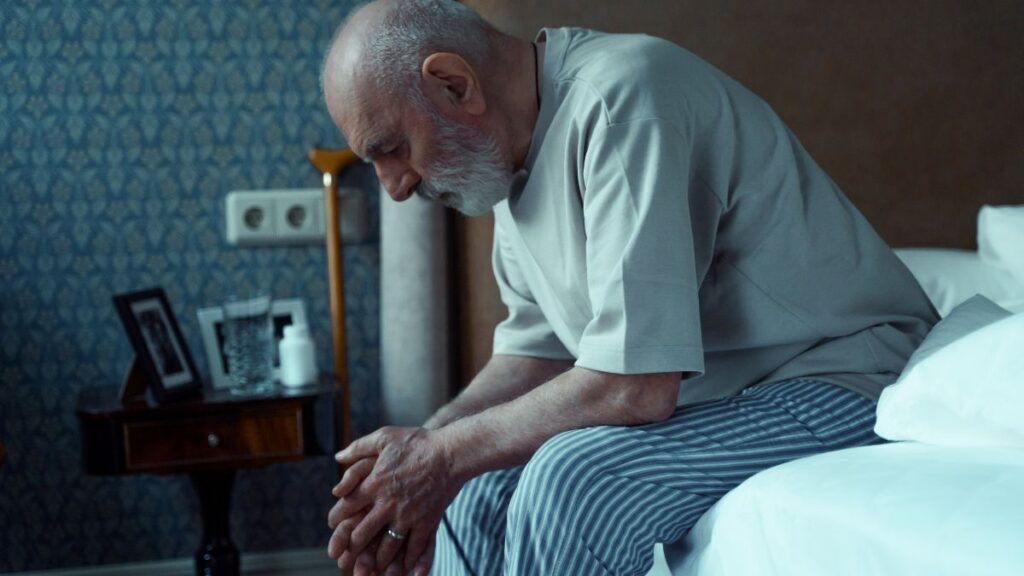
Existential loneliness can be especially difficult to describe because it may have little to do with how frequently you see other people. You might have supportive relatives and regular visitors yet still feel deeply misunderstood.
Perhaps your oldest friends have died, familiar places have changed, or your children are focused on their own families. The future may look very different from what you expected when you were younger.
These experiences can create a feeling of separation that ordinary conversation does not always resolve. Researchers associate existential loneliness with feelings of emptiness, disconnection, and questions about personal meaning.
Why Major Losses Can Change Your Sense of Belonging
When a longtime spouse dies, the loss often extends beyond everyday companionship. You may also lose the person who remembers your earliest years together and understands why certain places, songs, and family traditions matter.
The deaths of childhood friends, siblings, and longtime neighbors can create similar feelings. These people knew parts of your history that newer acquaintances may never fully understand.
That is why advice to simply make new friends can sometimes feel inadequate. New relationships may bring warmth and companionship, but they cannot recreate every memory or shared experience from the past.
Why These Feelings Can Be Difficult to Discuss
Some older adults avoid discussing their deepest concerns because they do not want to worry their children. Others believe younger relatives may struggle to relate to questions about aging, illness, independence, or losing longtime companions.
As a result, conversations may remain focused on family updates, television, or everyday errands. The visit can be pleasant while the older person still feels that important thoughts remain unspoken.
This does not mean family members are deliberately overlooking those feelings. They may simply be unaware that their parent or relative wants a deeper conversation.
What Helps When the Problem Runs Deeper
Speaking with people who have experienced similar losses can provide a sense of being understood. A bereavement group, trusted friend, counselor, or faith community may offer space for conversations that are difficult to have elsewhere.
Some retirees also find comfort through writing, creative activities, personal reflection, or sharing memories. These activities may help them connect their past experiences with the life they are living now.
| What You May Be Feeling | What Might Help |
|---|---|
| Nobody remembers the life I once had | Sharing photographs and personal stories |
| My closest companions are gone | Grief support and supportive friendships |
| My family does not understand my concerns | More open conversations or counseling |
| Life feels different from what I expected | Reflecting on meaningful goals and interests |
| I have lost my sense of belonging | Finding people with shared experiences |
Give Your Personal History a Place in Your Present Life
Organizing photographs, recording family stories, or writing down personal memories can give older adults a meaningful way to recognize their experiences. Sharing these stories with younger relatives may also create valuable connections across generations.
Some retirees prefer developing new interests rather than focusing heavily on the past. Learning music, studying a subject, or working on a creative project can provide a sense of direction that belongs entirely to their present life.
A practical first step: Find someone who is willing to listen to your experiences without immediately offering advice or changing the subject. Feeling genuinely heard may help more than adding another activity to your calendar.
5. Access Related Loneliness: When You Want Connection but Cannot Reach It
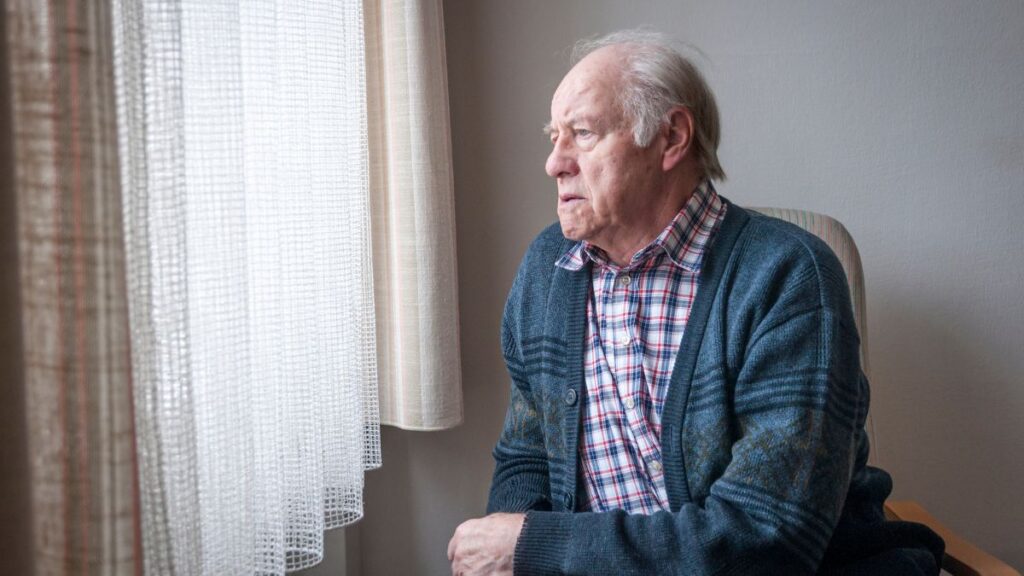
This form of loneliness has a practical cause rather than a lack of interest in other people. A retiree may want to visit friends, attend events, or spend time with relatives but face obstacles that make social contact difficult.
Perhaps driving has become uncomfortable, walking long distances is painful, or public transportation is limited. Hearing difficulties, poor vision, caregiving responsibilities, and limited income can also interfere with social participation.
These challenges can gradually reduce the number of activities someone attends. The person may still enjoy company but find that participating requires more effort than it once did.
How Small Physical Changes Can Shrink Social Life
Consider someone who decides to stop driving after dark. At first, the decision affects only a few evening events, but eventually it may prevent attendance at dinners, community meetings, and social gatherings.
Friends may begin extending fewer invitations because they assume the person is no longer interested. Meanwhile, the retiree may feel uncomfortable asking others for transportation and gradually stop making plans.
Hearing difficulties can create similar problems during conversations. Someone who struggles to follow discussions in busy restaurants may begin avoiding group gatherings even though they still want companionship.
Address the Barrier Before Giving Up the Activity
Practical adjustments can make social participation easier without requiring major lifestyle changes. Transportation programs, accessible meeting spaces, hearing evaluations, and affordable community activities may help retirees maintain relationships.
For people who cannot leave home easily, scheduled telephone conversations and accessible online groups may provide additional contact. Technology works best when it supports relationships in a way the individual finds comfortable.
| Barrier | Possible Adjustment | What It May Restore |
|---|---|---|
| No longer driving | Senior transportation or shared rides | Visits and community outings |
| Reduced mobility | Accessible meeting places or home visits | More comfortable social contact |
| Hearing difficulty | Hearing evaluation and quieter settings | Easier conversations |
| Limited income | Free library and community activities | Regular contact without major expense |
| Living far from family | Scheduled phone or video conversations | More consistent family connection |
| Caregiving responsibilities | Respite services or telephone groups | Time for personal relationships |
Some communities offer transportation through local aging agencies, nonprofit organizations, or senior centers. Availability varies by location, but exploring these services may help people remain active in their communities.