

Turning 70 does not suddenly make you old. But some of the biggest changes in later life happen so slowly that you barely notice them. One day, getting out of a chair feels harder, conversations seem more tiring, or activities you once loved no longer bring the same excitement.
The problem is that many people dismiss these changes as normal aging. That can mean missing opportunities to protect their strength, health, happiness, and independence.
Here are 12 quiet changes that may appear during your 70s, why they matter, and what you can do before small difficulties become bigger problems.
First, Turning 70 Does Not Mean Everything Starts Going Downhill

There is no medical rule saying that your body or mind suddenly changes when you turn 70. Some people remain physically active and socially engaged well into their 80s and 90s. Others begin noticing changes much earlier.
Your health history, daily habits, environment, relationships, and access to medical care all influence how you age. Two people celebrating their 70th birthday can have very different needs and abilities.
The important distinction is between changes that may accompany aging and problems that deserve treatment. Depression, severe pain, repeated falls, and sudden confusion should never be dismissed simply because someone is older.
| Area of Life | Quiet Change You May Notice | Why It Deserves Attention |
|---|---|---|
| Social life | Fewer conversations and outings | Isolation can affect emotional and cognitive health |
| Emotional health | Losing interest in familiar activities | May signal depression or another treatable problem |
| Physical strength | More difficulty standing or carrying things | Muscle weakness can limit independence |
| Daily comfort | Pain begins controlling routines | Untreated pain can reduce movement and sleep |
| Senses | Trouble hearing or seeing clearly | Can affect communication and safety |
| Independence | Everyday tasks require more planning | Small adjustments can preserve personal freedom |
None of these changes automatically means that someone is losing control of their life. They are reasons to pay attention, ask questions, and make adjustments while there are still plenty of choices available.
1. Your Social Circle Can Shrink Without You Realizing It

One of the biggest changes after 70 has nothing to do with physical health. It is the gradual loss of everyday social contact. Friends may move away, old coworkers stop calling, and familiar faces disappear from your weekly routine.
This can happen even when you enjoy your own company. You may feel perfectly comfortable spending time alone, only to realize that several days have passed without a meaningful conversation. The danger is that isolation can become a habit before loneliness becomes obvious.
Research has consistently linked loneliness and social isolation with poorer health outcomes among older adults.
A large research analysis reported in 2025 found that loneliness was associated with a 31% higher risk of dementia. That does not prove loneliness causes dementia, but it shows why maintaining social relationships deserves attention.
How to meet this change: Schedule regular contact instead of waiting for invitations. A weekly lunch, walking partner, community group, or standing phone call can make connection part of your routine. If leaving home is difficult, video calls, transportation services, and senior community activities may help.
2. Your Sense of Purpose May Fade Before You Notice Your Mood Changing
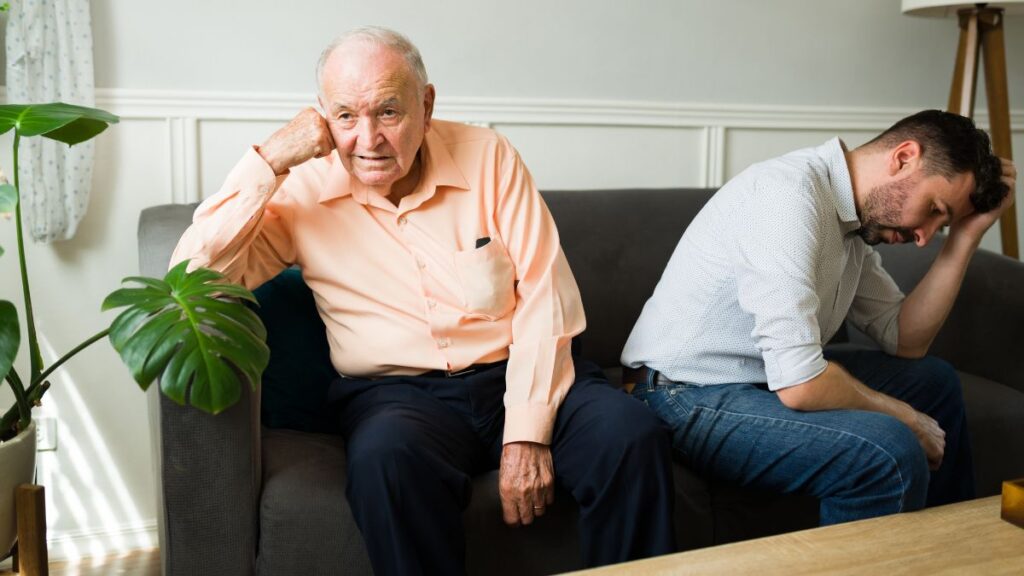
Many people spend decades building their lives around responsibilities. Work provides a schedule, children need attention, and family obligations give ordinary days a clear direction. Once those responsibilities change, some people discover that they have more free time than they know how to use.
At first, the freedom feels wonderful. But after months or years, the lack of meaningful commitments may leave some retirees feeling less motivated. Activities that once brought excitement can start feeling ordinary, and mornings may no longer give them anything to look forward to.
Losing interest in enjoyable activities can also be a symptom of depression. Depression is not an inevitable part of aging, and many older adults remain satisfied with their lives. However, loss, chronic illness, isolation, and major life changes can make emotional difficulties harder to manage.
3. Chronic Pain Can Start Making Decisions for You

Pain often enters daily life gradually. A knee aches after walking, the lower back becomes stiff after sitting, or getting out of bed requires a little more effort. These discomforts may seem manageable individually, so many older adults simply adjust their routines around them.
The problem begins when pain starts deciding what you can do. You might stop gardening because bending hurts or turn down invitations because walking feels uncomfortable. Over time, reduced movement can contribute to weakness, poor sleep, and fewer social opportunities.
Many people living with chronic pain can still exercise safely when activities are chosen to match their condition. Suitable physical activity may help manage pain, while prolonged inactivity can contribute to further loss of function.
4. Muscle Loss Can Make Ordinary Tasks Surprisingly Difficult
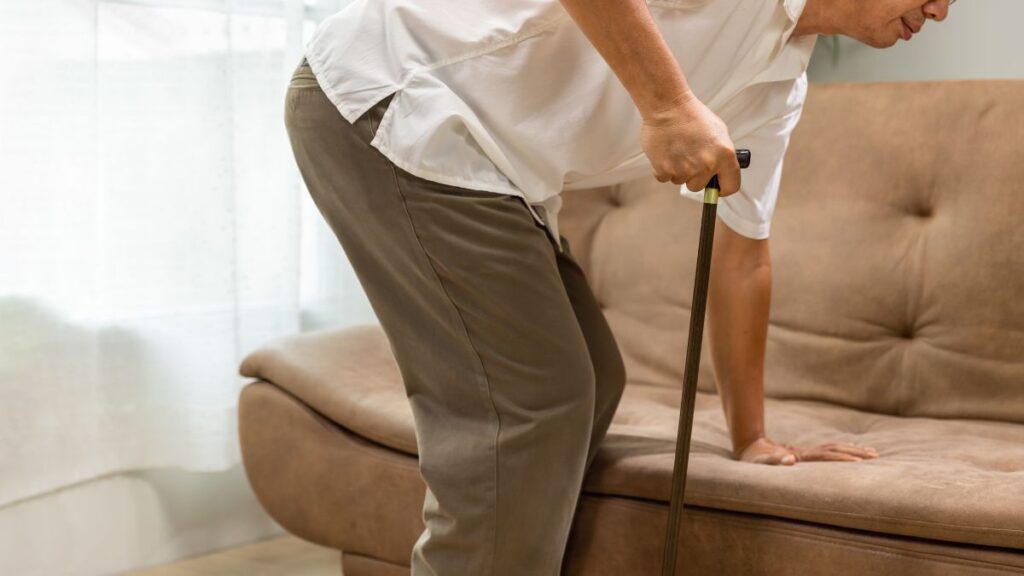
Muscle loss does not suddenly begin at 70. Age related muscle changes can start decades earlier, especially when people become less physically active. By the time someone reaches their 70s, years of inactivity may have made everyday movements noticeably harder.
Getting out of a low chair, carrying groceries, climbing stairs, and lifting household items all require muscle strength. When those tasks become difficult, people sometimes compensate by avoiding them. Unfortunately, doing less can lead to further weakness.
The encouraging news is that older adults can still improve strength through resistance exercise. General physical activity guidelines recommend that adults 65 and older include at least two days of muscle strengthening activity each week, along with aerobic movement and balance training.
| Everyday Task | Strength to Protect | Practical Starting Exercise |
|---|---|---|
| Getting out of a chair | Legs and hips | Supported chair stands |
| Carrying groceries | Arms and grip | Light carries |
| Climbing stairs | Legs and hips | Low step exercises with support |
| Reaching overhead | Shoulders and upper body | Gentle resistance band movements |
| Standing upright | Back and core | Guided posture and core exercises |
These are examples, not a personal exercise prescription. Anyone with significant balance problems, recent fractures, or unstable medical conditions should get professional guidance before starting a new strength routine.
5. Your Body May Have a Harder Time Getting the Nutrients It Needs
Eating enough food does not always mean getting enough nutrition. As people age, changes in appetite, taste, dental health, medication use, and digestion can affect what they eat and how well they absorb certain nutrients.
Some older adults start eating smaller meals without realizing how much their diets have changed. Others rely on convenient foods that fill the stomach but provide less protein or dietary variety. Over time, poor nutrition can contribute to fatigue, weakness, or unintended weight loss.
Certain nutrients deserve particular attention, including protein, vitamin B12, calcium, and vitamin D. Older adults may have different nutritional needs than younger people, and certain medical conditions or medications can affect how well the body absorbs nutrients.
| Nutrient | Why It Matters | Common Food Sources |
|---|---|---|
| Protein | Supports muscle maintenance and repair | Eggs, fish, yogurt, beans |
| Vitamin B12 | Supports nerves and red blood cells | Fish, dairy, eggs, fortified foods |
| Calcium | Helps maintain bones | Milk, yogurt, fortified alternatives |
| Vitamin D | Supports calcium absorption and bone health | Fortified foods, fatty fish |
| Iron | Helps transport oxygen in the blood | Meat, lentils, beans |
A low nutrient level is not the explanation for every symptom. New fatigue, weakness, or unexplained weight loss can have several causes and should be evaluated rather than treated with supplements alone.
6. Your Balance May Become Less Reliable Than Your Strength

You may still feel strong enough to walk, shop, and complete household tasks, yet notice that your balance is not quite what it used to be. Turning quickly, stepping into the shower, or walking across uneven ground may require more concentration.
Balance depends on several systems working together, including your muscles, vision, inner ears, nerves, and brain. Changes in any of these areas can affect steadiness. Certain medications, blood pressure problems, and medical conditions may also contribute.
The danger is that fear of falling can cause people to restrict their activities. Someone who stops walking outdoors or avoids stairs may gradually lose confidence and physical ability. This can create a difficult cycle of inactivity and growing dependence.
How to meet this change: Tell your healthcare provider about dizziness, near falls, or worsening steadiness. Ask about balance exercises, physical therapy, vision checks, and medication review. Improve lighting, keep pathways clear, and use appropriate walking aids when needed.
7. Hearing Problems Can Slowly Change How You Socialize

Hearing loss often develops so gradually that the person experiencing it does not recognize the change. Conversations in restaurants become harder to follow, television volume increases, and people start sounding as though they are mumbling.
What seems like a small inconvenience can affect relationships. Repeatedly asking someone to repeat themselves becomes tiring, and group conversations may require more effort. Some older adults begin avoiding social gatherings because listening has become frustrating.
Untreated hearing problems can also cause others to mistake difficulty hearing for confusion or poor attention. Research has found links between hearing loss, social withdrawal, and cognitive difficulties, although those associations do not mean hearing loss inevitably causes dementia.
8. Vision Changes May Affect More Than Your Ability to Read

Reading small print is often one of the first vision related frustrations people notice. But changes in vision can also affect how confidently you move through familiar spaces. Glare from headlights, dim hallways, and poorly lit stairs may become more troublesome.
Some eye conditions become more common with age, including cataracts, glaucoma, and age related macular degeneration. These conditions affect vision differently, and some may develop without obvious early symptoms. That is why waiting until vision becomes seriously impaired is not a good strategy.
Poor vision can also affect activities people value. Driving at night may feel uncomfortable, reading becomes tiring, and certain hobbies require better lighting. When these changes go unaddressed, people may unnecessarily give up activities they enjoy.
How to meet this change: Keep up with recommended comprehensive eye examinations and make sure your glasses are current. Improve task lighting and use brighter, well placed lights around stairs and entrances. Sudden vision loss or new flashes and floaters require urgent medical assessment.
9. Sleep May Become Lighter Even Though Your Body Still Needs Rest
Some older adults notice that they wake earlier, fall asleep less easily, or spend more time awake during the night. These changes can be frustrating, especially for people who once slept soundly without thinking about it.
One common misunderstanding is that older adults naturally need much less sleep. Adults in their 70s generally still need around seven to nine hours of sleep each night. Sleep quality can change, but the body’s need for adequate rest remains.
Poor sleep can affect mood, attention, energy, and daily functioning. Pain, medication effects, insomnia, and sleep apnea may contribute to the problem. Repeatedly waking exhausted should not be accepted as an unavoidable consequence of getting older.
10. Memory and Concentration May Work Differently Than Before

Forgetting a name during conversation or taking longer to remember where you placed something can become more common with age. These moments may feel unsettling, particularly if you have always taken pride in having a sharp memory.
Not every memory lapse signals dementia. Some changes in processing speed and recall can occur with normal aging. However, repeated confusion, getting lost in familiar places, and difficulty managing routine responsibilities deserve medical attention.
Some memory difficulties can have treatable causes, including medication effects and certain health conditions. Poor sleep, depression, and hearing difficulties may also affect attention and everyday thinking, which is why a proper evaluation matters.
| More Consistent With Normal Aging | A Reason to Seek Evaluation |
|---|---|
| Occasionally forgetting a name | Repeatedly forgetting familiar people’s names or identities |
| Misplacing keys and finding them later | Frequently losing objects in unusual places |
| Needing a reminder about an appointment | Repeatedly missing important obligations |
| Taking longer to learn something new | Being unable to complete familiar tasks |
| Occasionally forgetting the day, then remembering | Becoming repeatedly confused about dates or locations |
These examples are general warning signs, not a way to diagnose dementia at home. A clinician can assess changes and look for possible causes.
11. Medications May Begin Affecting You in Unexpected Ways

Managing several medications can become a larger part of life during the 70s. Prescriptions may be added for blood pressure, diabetes, arthritis, heart conditions, or other health problems. Over time, keeping track of everything can become difficult.
Age related changes in how the body handles medications can also affect their benefits and side effects. Some medicines can contribute to dizziness, sleepiness, confusion, constipation, or falls. Problems may become more likely when prescription drugs are combined with over the counter products and supplements.
Taking multiple medications, sometimes called polypharmacy, is an important concern for older adults. Regular medication reviews can help identify drugs that may be unnecessary, duplicative, or causing unwanted effects.
12. Your Home and Daily Routine May Need to Change to Protect Your Independence

The final change is easy to overlook because it often develops through small inconveniences. A staircase becomes tiring, a large yard requires more maintenance, and driving across town takes more effort. Tasks that once felt automatic begin requiring planning.
For some people, these changes create pressure to move closer to family or consider a smaller home. Others may remain comfortable where they are with a few adjustments. There is no single living arrangement that guarantees a good retirement, and homeownership alone does not guarantee security.
What matters is having a living situation that supports safety, affordability, connection, and personal choice.
A well designed apartment near services may offer more freedom than a large house that has become difficult to maintain. Likewise, a suitable senior community can provide social opportunities without requiring someone to surrender control over daily decisions.
Asking for help does not automatically mean becoming dependent. Sometimes accepting assistance with maintenance, transportation, or household chores is what allows someone to remain independent in the areas that matter most.
Which Quiet Changes Deserve Medical Attention?
Many changes associated with aging develop gradually and can be managed with practical adjustments. Others may indicate health problems that need professional treatment.
Pay particular attention when a problem is new, worsening, or preventing you from doing activities that were recently manageable.
| Change You Notice | Recommended Response |
|---|---|
| Persistent sadness or loss of interest | Arrange a mental health or medical assessment |
| Pain that limits movement or sleep | Discuss pain management with a clinician |
| Repeated falls or worsening balance | Request a fall risk evaluation |
| Unexplained weight loss or persistent fatigue | Arrange medical assessment |
| New memory problems affecting daily tasks | Ask for a cognitive and medical evaluation |
| Dizziness or confusion after medication changes | Contact your prescriber or pharmacist promptly |
| Sudden confusion, new weakness, or difficulty speaking | Seek emergency medical care |
| Sudden vision loss | Seek urgent medical attention |
These changes do not all point to serious disease, but they should not automatically be written off as old age. Sudden symptoms, particularly those involving the brain, vision, or physical function, may require immediate attention.
A Simple 30-Day Plan for Meeting These Changes
Trying to improve every part of your life at once can feel exhausting. It is usually more manageable to identify one concern and make a realistic adjustment.
The following four week plan offers a practical starting point.
| Week | Main Focus | Small Action |
|---|---|---|
| Week 1 | Social connection and purpose | Arrange one regular social activity and choose something meaningful to work on |
| Week 2 | Strength and balance | Discuss safe exercise needs and begin suitable movement |
| Week 3 | Medical and nutritional health | Review symptoms, medicines, eating habits, and any overdue appointments |
| Week 4 | Home and independence | Identify one home safety improvement and one task that could be made easier |
Thirty days will not reverse every age related change. However, small steps can help identify problems, create healthier habits, and make ordinary routines more manageable.
The most useful question is not whether you can still do everything you did at 50. It is whether your current habits and surroundings help you participate in the activities that matter to you today.