
Downsizing sounds simple until you open a drawer filled with 40 years of memories. Suddenly, an old birthday card, your child’s first drawing, or a dining table where your family once gathered becomes something you cannot imagine giving away.
What begins as a practical decision to move into a smaller home can turn into an emotional experience filled with guilt, sadness, uncertainty, and unexpected tears. Even people who genuinely want a simpler life may struggle to let go of the things that shaped their past.
The emotional side of downsizing deserves just as much attention as packing boxes and measuring furniture. Understanding what makes the process difficult can help you make better decisions without feeling that you are throwing away your life.
Downsizing Is Not Just About Having Less Stuff
When people talk about downsizing, they usually focus on the benefits. A smaller home may mean lower household expenses, fewer rooms to clean, less maintenance, and more time for enjoyable activities.
Those benefits can be real, but they rarely tell the whole story. The hardest part is often not deciding which furniture fits into the new living room. It is accepting that a familiar chapter of life is changing.
Interior designer Rita Wilkins, known as the Downsizing Designer, has described how emotionally difficult her own experience became.
She moved from a 5,000-square-foot home to an 867-square-foot space. Although she says she reduced her possessions by approximately 95%, she still brought more than her new home could comfortably hold.
Wilkins also described crying almost every day during her first month of decluttering. Eventually, she asked family members for help and found the process easier to manage.
Her experience shows that even someone who welcomes a simpler lifestyle can struggle with the decisions required to reach it.
| What People Expect | What They May Actually Experience |
|---|---|
| More space after removing clutter | Sadness when familiar belongings disappear |
| A quick sorting project | Weeks or months of difficult decisions |
| Financial relief | Unexpected moving and replacement costs |
| Excitement about a smaller home | Fear about leaving a familiar place |
| Help from adult children | Different opinions about what should stay |
| Freedom from possessions | Relief mixed with grief or regret |
None of these emotional reactions automatically means downsizing is the wrong choice. They simply show why the process deserves time and care.
1. Ordinary Objects Suddenly Become Emotional Treasures
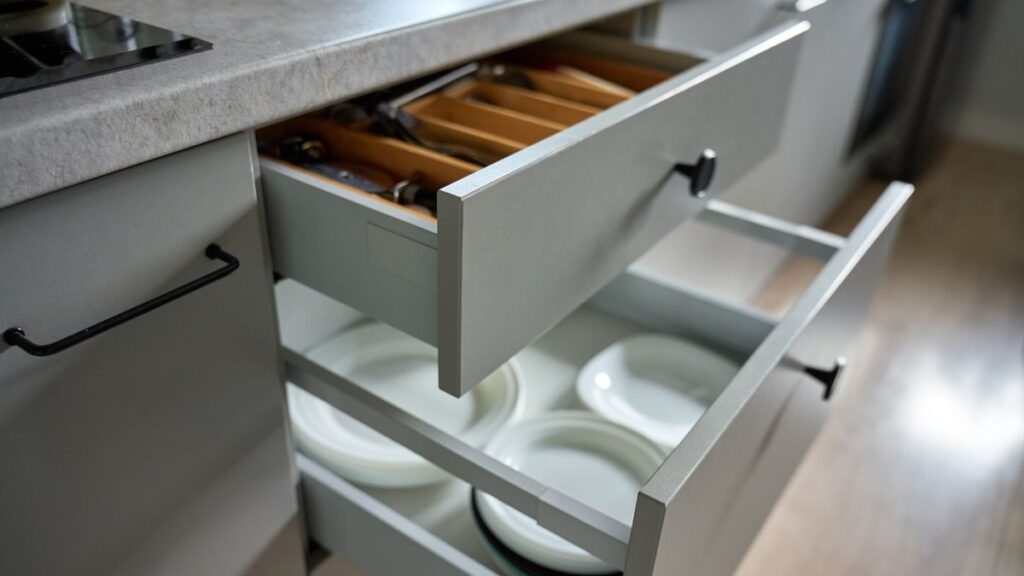
A kitchen cabinet may hold dishes you have not used in 20 years. Yet those dishes might remind you of holidays when your children were young and the whole family gathered around one table.
An old jacket may no longer fit, but perhaps it belonged to someone you loved. A box of letters may seem unimportant to anyone else, while holding memories you cannot replace.
These objects often represent more than their practical purpose. They help connect your present life to people, places, and experiences from your past.
That is why someone can easily donate ten ordinary shirts but struggle for an hour over one worn-out sweater.
The helpful distinction is between preserving a memory and preserving every object connected to it.
You might photograph a collection before donating it, keep one meaningful item from a larger set, or write down the story behind something you are ready to release.
| Sentimental Item | Why It Feels Difficult | A Gentler Option |
|---|---|---|
| Children’s school projects | Memories of raising a family | Keep a small selection and photograph others |
| Family dinnerware | Holidays and family traditions | Keep a few favorite pieces |
| Old greeting cards | Connections to important people | Save the most meaningful messages |
| Clothing from a loved one | Comfort and emotional attachment | Keep one favorite piece |
| Vacation souvenirs | Memories of happier times | Create a small memory display |
| Inherited furniture | Family history and responsibility | Keep it if it fits your space and current life |
You do not have to remove every sentimental object to downsize successfully. The goal is to create enough space for the things that still bring value to your life.
2. You May Grieve a Home You Were Ready to Leave

One surprising part of downsizing is feeling sad about a move you wanted.
You might have spent years complaining about the large yard, rising repair bills, or rooms nobody uses. Still, when the moving boxes arrive, leaving can feel harder than expected.
A home is rarely just a building. It can represent decades of family routines, celebrations, difficult conversations, personal achievements, and ordinary days.
Perhaps it is where you brought your first baby home. Maybe it is where you celebrated retirement or spent your final years with a spouse who has since passed away.
Leaving those rooms can bring feelings similar to grief because you are saying goodbye to something meaningful.
You can be excited about your next home and still mourn the one you are leaving.
Before moving, consider taking photographs of your favorite spaces. Invite someone close for one final meal, or spend a quiet afternoon remembering the years you lived there.
These small acts will not remove every difficult feeling. They can, however, help you acknowledge what the home meant before starting another chapter.
3. Guilt Can Make You Keep Things You No Longer Want

Sometimes the hardest belongings to release are not your favorites. They are the things you believe you should keep.
Perhaps your mother gave you an expensive dining set. Maybe a relative spent months making a quilt, or you inherited furniture that has been passed down for generations.
You may no longer use these possessions, but donating them can feel disrespectful.
The same guilt appears with expensive purchases. A chair that cost $2,000 may be uncomfortable and outdated, yet giving it away feels like admitting the money was wasted.
There is an important difference between appreciating a gift and being required to store it forever.
You can value the person who gave you something without keeping every object associated with them.
The money spent on an unused purchase is also already gone. Keeping the item does not bring that money back, especially when it occupies space you need.
Before deciding, ask whether you are keeping something because you genuinely want it or because you feel guilty about letting it go.
That question can make your priorities easier to understand.
4. The Fear of Needing Something Again Can Stop Everything
One of the most common thoughts during decluttering is simple: “What if I need this someday?”
That question can keep closets full of spare dishes, old electronics, unused exercise equipment, extra blankets, and furniture that no longer serves a purpose.
The fear feels reasonable because nobody wants to discard something and later spend money replacing it.
For retirees living on fixed incomes, avoiding unnecessary replacement costs may be especially important.
However, keeping every possible backup also has a cost. It requires storage, creates more cleaning, and makes it harder to find belongings you actually use.
A better approach is to separate realistic future needs from unlikely possibilities.
| Question to Ask | What It Helps You Decide |
|---|---|
| Have I used this in the past year? | Whether it still serves a regular purpose |
| Is there a specific reason I will need it soon? | Whether the future need is realistic |
| Could I borrow or rent one if necessary? | Whether permanent storage is worthwhile |
| Would replacing it be expensive or difficult? | Whether keeping it protects your budget |
| Does it fit safely in my next home? | Whether it works with the available space |
| Would I choose to buy it again today? | Whether it still deserves a place in your life |
Not everything unused should disappear. Emergency equipment, important records, seasonal supplies, and certain specialized tools can be sensible to keep.
The goal is not to discard useful belongings. It is to stop treating every remote possibility as a reason to keep everything.
5. Downsizing Can Feel Like Losing Part of Your Identity
For many people, a home reflects what they have built over a lifetime.
The large dining room may represent years of hosting family gatherings. The workshop might reflect decades of craftsmanship, while the garden may hold the results of years of care.
When retirement brings changes in health, energy, or finances, moving into a smaller place can feel like another reminder that life is different now.
Some people may worry that giving up a large house means losing success, independence, or status.
Others may feel uncomfortable moving from a family home into an apartment because they associate smaller living spaces with having fewer choices.
Yet a home’s size does not measure the value of the life lived inside it.
A person who moves from a four-bedroom house into a comfortable apartment is not losing decades of experience, relationships, or achievements.
Those things remain part of who they are.
It may help to focus on what your new home allows you to do rather than what it no longer contains. That could mean spending less time maintaining a property and more time with people and activities you enjoy.
6. Your Children May Not Want the Things You Saved for Them

This can be one of the most disappointing discoveries during downsizing.
Parents sometimes keep furniture, dinnerware, collectibles, and family decorations because they assume their children will eventually want them.
But adult children may already have furnished homes, different tastes, limited storage, or lifestyles that do not suit those belongings.
An antique cabinet that once meant financial security to one generation may feel like a storage problem to another.
That difference does not mean your children fail to appreciate their family history.
They may value the memories while having no practical place for the possessions themselves.
Try asking family members directly what they would genuinely like to keep.
Give them time to think and make it clear that declining an item will not hurt your relationship.
For treasured family pieces, sharing the story may matter more than finding someone willing to store the object.
A photograph, written memory, or conversation about its history can preserve something valuable even when nobody has room for the original.
7. Accepting Help Can Be Harder Than Asking for It

Many older adults have spent their lives managing homes, raising families, and solving problems independently.
Suddenly needing help to empty a basement or sort through decades of belongings may feel uncomfortable.
There can also be a loss of control when other people make quick decisions about possessions they do not understand.
A family member might see an old table and immediately suggest donating it. You may see 40 years of family dinners.
Both people are looking at the same object, but they are not experiencing the same emotions.
That is why support works best when the person downsizing remains involved in decisions whenever possible.
| Helpful Family Support | Support That May Create Stress |
|---|---|
| Asking which items matter most | Deciding what is junk without asking |
| Helping sort one room at a time | Demanding everything be finished immediately |
| Listening to family memories | Dismissing sentimental attachments |
| Handling heavy furniture and donations | Taking over every decision |
| Respecting reasonable boundaries | Pressuring someone to throw away keepsakes |
| Offering regular, manageable help | Treating the project like an emergency |
Help should make the work easier, not turn downsizing into a struggle over who controls the household.
If several relatives are involved, agree early on who will make final decisions and which tasks each person can handle.
8. Making Hundreds of Decisions Can Leave You Exhausted

Decluttering is physical work, but the constant decision-making can be equally tiring.
Every drawer creates another series of questions. Keep it, sell it, donate it, give it to family, repair it, or throw it away?
Multiply those choices across an entire house, and the process can become exhausting.
The emotional weight makes it even harder. Deciding what to do with old towels is different from sorting through a spouse’s personal belongings.
When tired, you may find yourself keeping everything simply because making another choice feels impossible.
This is one reason Wilkins recommends starting with small areas rather than attempting the whole house at once.
Begin with a drawer, shelf, or cupboard containing relatively few sentimental items. Save emotionally difficult belongings for a time when you have more energy.
Short sorting sessions with clear stopping points may work better than exhausting entire weekends.
And if you find yourself becoming upset or unable to decide, taking a break is a reasonable choice. The goal is steady progress rather than proving how much you can endure.
9. Doing Everything Alone Can Make the Emotions Heavier
Wilkins has described spending much of her first month of decluttering in tears before realizing she needed help.
When she eventually involved her sisters and other family members, they helped create a manageable schedule. The work also became an opportunity to share stories, laugh, and remember earlier years.
This is an important reminder that downsizing does not have to be a solitary task.
A supportive friend may help you sort a difficult closet. A family member can take donations to a charity, while a professional organizer can help create a practical system.
Someone who understands your emotional attachment to certain belongings may be especially helpful.
However, support does not have to mean inviting everybody into your home at once.
For some people, one patient helper is far better than a room full of relatives offering different opinions.
Choose people who respect your decisions and understand that an ordinary household item may hold an extraordinary memory.
10. The First Weeks May Feel Worse Before They Feel Better

Before downsizing, it is easy to picture the finished result.
You imagine clear countertops, organized closets, fewer chores, and a peaceful living room.
What you may not picture is the temporary disorder required to reach that point.
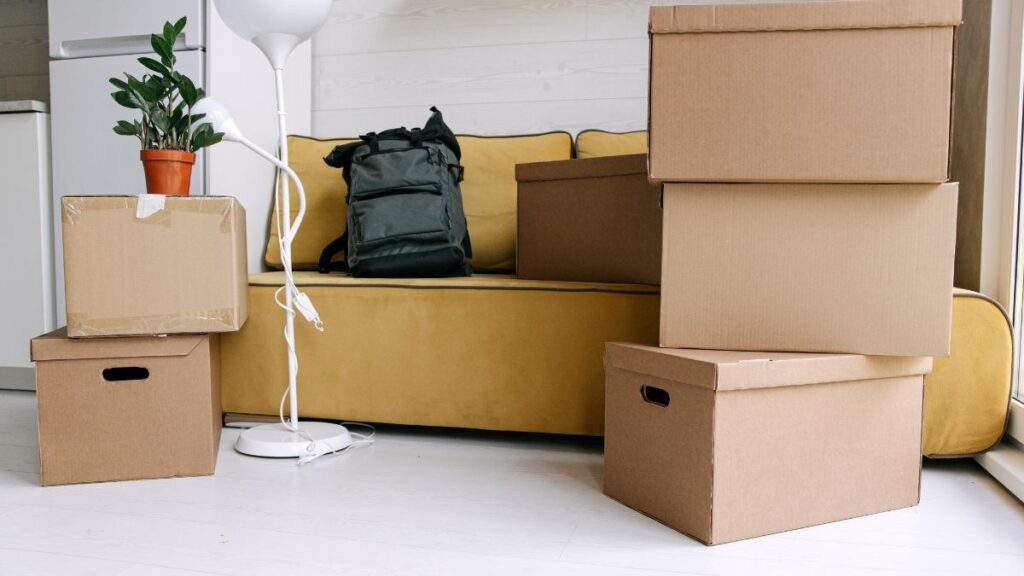
Boxes fill hallways. Drawers sit open. Familiar belongings move into unfamiliar piles, and rooms that once felt comfortable suddenly look unsettled.
This period can create doubt about whether downsizing was a good idea.
You may even miss the original clutter because, at least, everything was where you expected it to be.
That reaction does not automatically mean the plan has failed. A large household project can involve disruption before the benefits become noticeable.
One helpful approach is to keep a comfortable area of the home free from sorting materials.
Even a favorite chair, clear kitchen table, or tidy bedroom can provide a sense of normal life while the rest of the house is being organized.
Try to finish small tasks completely before starting several new ones. A single cleared cupboard often feels more satisfying than five rooms filled with unfinished piles.
11. Bringing Too Much Into Your Smaller Home Can Create New Stress

After reducing possessions by approximately 95%, Wilkins still discovered that she had brought too many things into her much smaller home.
Her experience highlights a problem many people overlook.
Decluttering enough for the old house does not necessarily mean you have decluttered enough for the new one.
A smaller home may have fewer closets, smaller bedrooms, limited kitchen storage, and little space for extra furniture.
Something that once fit easily into a large basement may become a constant obstacle in a one-bedroom apartment.
Before moving, measure the rooms and major pieces of furniture. Consider storage space, walking paths, accessibility needs, and the daily activities you want to continue.
| Before Moving | Practical Step |
|---|---|
| Living room furniture | Measure sofas, chairs, and available floor space |
| Kitchen equipment | Keep regularly used items within easy reach |
| Bedroom storage | Check closet and drawer capacity |
| Holiday decorations | Choose what can fit in a defined storage area |
| Extra furniture | Avoid bringing pieces without a planned location |
| Sentimental collections | Set aside a realistic display or storage space |
It also helps to think about how the new home should feel.
If your goal is a calmer home with easier movement, filling every available corner with old possessions may work against that purpose.
Leave some open space rather than viewing every empty shelf as something that needs filling.
12. Waiting Too Long Can Make the Move More Difficult

Wilkins has said she delayed her own downsizing by approximately five years.
Looking back, she felt that caring for unnecessary possessions had cost her time, money, and freedom.
Her experience does not mean everyone should rush to sell their home. Some people have good financial, personal, or family reasons to remain where they are.
However, continually postponing the decisions can create problems.
A person who feels comfortable sorting through belongings at 65 may find the work more physically demanding at 80.
Unexpected illness, a change in mobility, or the death of a spouse can also turn a gradual plan into an urgent move.
That is why starting early can be helpful even when you have no immediate intention of relocating.
You can organize important paperwork, clear unused storage areas, and ask family members about belongings they may want.
Small steps taken while you have time and energy may leave you with more options later.
What to Do When You Cannot Decide Whether to Keep Something

Not every decision needs to be final the moment you pick up an object.
For possessions that create strong emotions, consider using a clearly labeled “decide later” box.
Choose a reasonable date to review those items and avoid allowing the box to become permanent storage for everything difficult.
When reviewing an object, ask three questions.
Does it still have a place in my current life? This includes items you actively use and possessions that bring genuine comfort or happiness.
Am I keeping it because I love it or because I feel obligated? The answer can reveal whether guilt is influencing your decision.
Is there another way to preserve what it means? A photograph, written story, shared keepsake, or smaller representative item may be enough.
If a possession is especially meaningful, keeping it can be the right choice.
Decluttering should not become a contest to see who can live with the fewest belongings.
When Downsizing Is Not Your Choice
The emotional burden can be heavier when downsizing happens because of circumstances outside your control.
A serious health problem, the loss of a spouse, financial pressure, or a need for accessible housing may leave someone with little time to prepare.
In those situations, advice to simply enjoy having less can feel disconnected from reality.
The person may be dealing with grief, reduced independence, and major changes to daily life at the same time.
Whenever possible, preserve meaningful choices.
Allow the person moving to select favorite furniture, decide which photographs to display, and participate in arranging the new space.
For people facing urgent moves, immediate safety and essential belongings should come before the goal of achieving a perfectly organized home.
Practical help from family, a trusted friend, or an experienced moving professional may also reduce some of the pressure.
If sadness, anxiety, or distress becomes persistent and starts interfering with sleep or ordinary activities, speaking with a healthcare professional or counselor can be helpful.