

Retirement gives you something you may have spent decades wishing for: more free time. But after the excitement wears off, you might start wondering whether your favorite hobby could also bring in a little extra money.
The problem is that many retirees assume earning income means returning to fixed schedules, demanding customers, and the stress they worked so hard to leave behind.
Fortunately, making money from a hobby does not have to mean starting a full-time business. You can use skills you already have, work at your own pace, and choose how much responsibility you want to take on.
Why Turning a Hobby Into Income Makes Sense After Retirement

A hobby can offer more than something to fill the afternoon. It can give your week structure, help you meet people, and provide the satisfaction of making something others appreciate.
An income-producing hobby may also help cover smaller expenses without requiring a traditional job. Whether your goal is paying for groceries, funding a vacation, or adding to your savings, even modest profits can be useful.
The key is choosing something you already enjoy rather than chasing whatever business idea promises the most money. A profitable activity can quickly stop being fun if it demands more time, money, or energy than you want to give.
| Your Main Goal | Hobby Income Worth Considering |
|---|---|
| Work mostly from home | Writing, sewing, crafting |
| Stay physically active | Gardening, pet sitting |
| Meet new people | Tutoring, music lessons, local tours |
| Work with flexible deadlines | Photography, genealogy, woodworking |
| Start with equipment you own | Reselling, writing, tutoring |
1. Gardening Can Grow Into a Small Plant Business

If you already spend hours tending flowers, herbs, and vegetables, gardening offers several ways to earn money without giving up the pleasure of being outdoors.
You could grow seedlings for spring gardeners, sell established houseplants, or propagate popular plants from your existing collection. Neighbors who want healthy plants but dislike starting seeds may become repeat customers.
Another option is helping homeowners maintain small gardens. Tasks such as planting flowers, tending containers, and giving seasonal garden advice can be offered without taking on major landscaping projects.
Best way to start: Choose three or four plants you grow successfully. Offer a small batch through a neighborhood group or local plant sale before spending money on extra supplies.
Keep your local climate and physical comfort in mind. A tabletop plant business may be more manageable than maintaining other people’s gardens during hot summer months.
2. Knitting and Crocheting Can Turn Handmade Gifts Into Sales
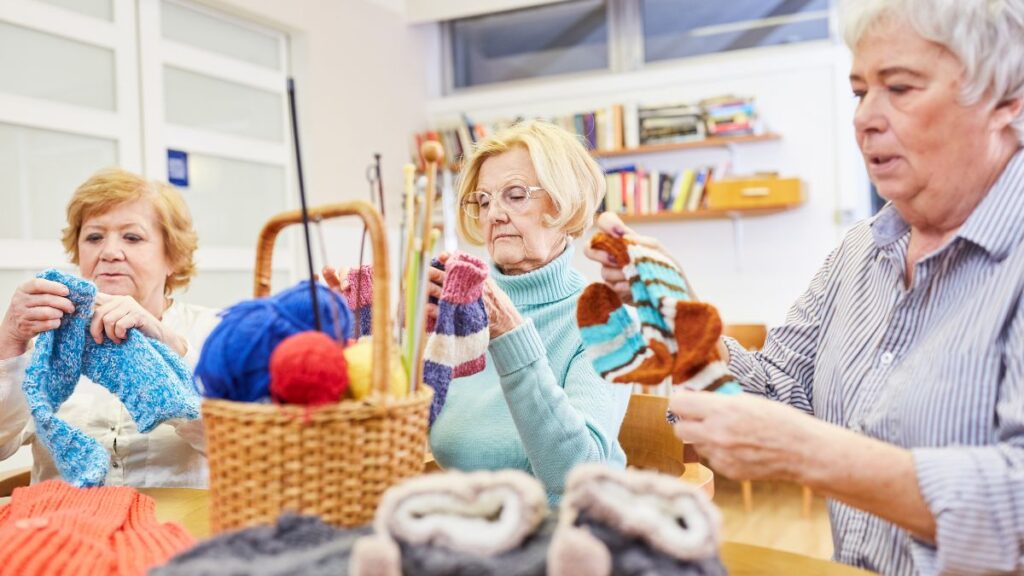
Knitting and crocheting are particularly suitable for retirees who enjoy quiet, creative work. Scarves, baby blankets, hats, and decorative items can become products people purchase for gifts or personal use.
You do not need hundreds of designs to begin. A small collection of attractive, well-made items may be easier to manage than accepting complicated custom orders.
Local craft fairs, community markets, and online handmade marketplaces can help you reach buyers. Clear photographs and accurate descriptions are especially useful when selling online.
Best way to start: Make five examples of one product, calculate the yarn cost and time involved, and see whether customers will pay a price that makes the work worthwhile.
Remember that handmade work often takes longer than buyers realize. Charging only for materials can leave you earning very little for hours of effort.
3. Woodworking Can Make Money From Small, Useful Projects
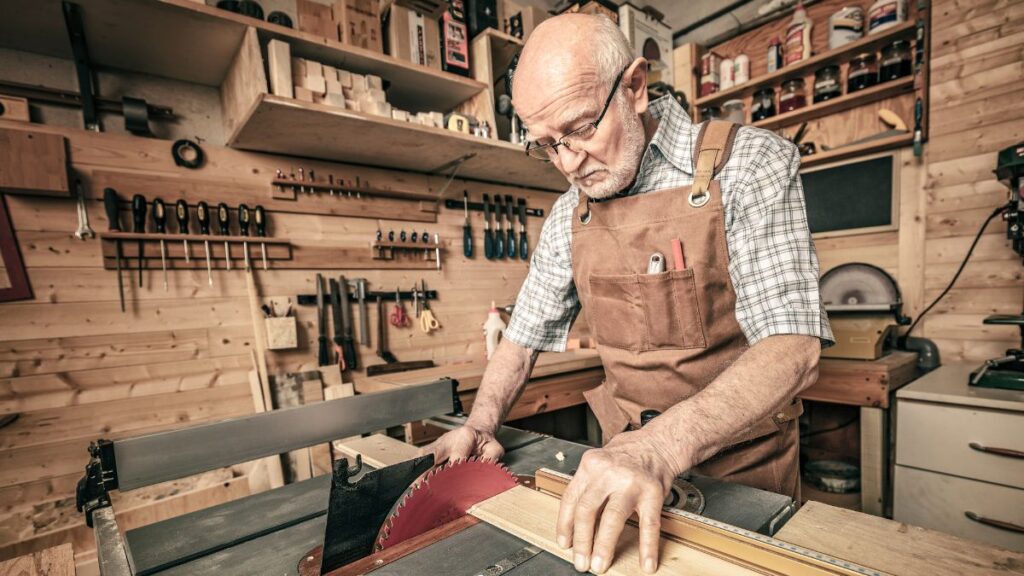
Someone who has enjoyed woodworking for years may already own most of the tools needed to start selling finished projects. That can make it easier to test an income idea without a large initial purchase.
Birdhouses, wooden planters, simple shelves, serving trays, and decorative boxes are possible products. Smaller items generally require less storage and can be easier to transport than large furniture.
The strongest starting point is a project you can make safely and consistently. Repeating a few designs may help you control material waste and avoid spending days preparing every order.
Best way to start: Build two or three examples of a useful household item and show them to potential local buyers. Ask what they like, whether they would purchase one, and what price they consider reasonable.
Woodworking still involves physical demands and safety risks. Choose projects that match your abilities, maintain your equipment, and include protective gear in your operating costs.
4. Sewing and Clothing Alterations Offer a Practical Local Service
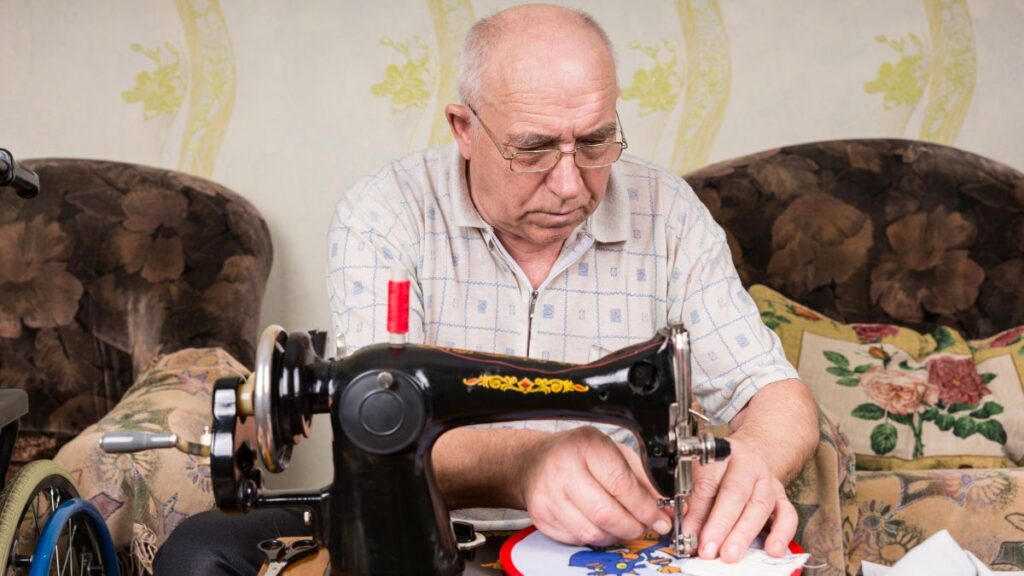
People regularly need pants shortened, buttons replaced, seams repaired, and clothing adjusted. For retirees with strong sewing skills, these small jobs can create opportunities for repeat business.
Unlike a craft business, alterations allow you to earn money from providing a service rather than making products in advance. This can reduce the amount of unsold inventory sitting in your home.
Start with repairs you perform confidently. Taking on wedding dresses or complicated formalwear before you have the right experience can create stress and costly mistakes.
Best way to start: Prepare a short service list with clear prices for common repairs. Share it with neighbors, friends, and community groups while limiting your weekly appointments.
You may also find customers who prefer repairing good-quality clothing rather than replacing it. That gives your sewing skills a practical purpose.
Before You Start Selling, Check the Real Costs
A hobby can bring in sales while producing very little profit. Materials, packaging, travel, tools, and selling fees all deserve attention.
| Hobby | Costs to Watch | Simple Way to Control Them |
|---|---|---|
| Gardening | Pots, soil, seeds, water | Grow small batches first |
| Knitting and crochet | Yarn, packaging, selling fees | Repeat popular designs |
| Woodworking | Lumber, tools, finishes | Use standard sizes and plans |
| Sewing | Thread, machine maintenance, supplies | Start with simple repairs |
The goal is not to eliminate every expense. It is to understand how much money remains after you have paid for everything needed to complete the sale.
5. Baking Could Become a Small Home-Based Income Source

If friends and family regularly ask for your cookies, bread, or cakes, baking may be worth testing as a small business.
Specializing in a few items can make production easier. Rather than offering a huge menu, you might focus on cookies, seasonal pies, or another baked product you make especially well.
Taking advance orders can also help reduce waste. Instead of baking large quantities and hoping someone buys them, you prepare items for customers who have already ordered.
Best way to start: Select two products, calculate the full ingredient and packaging costs, and test whether customers will pay a profitable price.
Before accepting orders, check your state’s cottage food laws and local health rules. Some foods may be sold from home under certain conditions, while others require permits, approved facilities, specific labels, or additional food safety steps.
6. Photography Can Pay for a Skill You Already Enjoy

Photography does not have to mean expensive weddings or professional studio sessions. Retirees who enjoy taking pictures may find smaller projects more appealing.
Pet portraits, family photographs, graduation pictures, and product photography for local sellers are possible services. You could also sell prints of local scenery or nature photographs, although print sales may be unpredictable.
Good editing and dependable communication matter as much as owning a nice camera. Customers want photographs that meet their expectations and arrive when promised.
Best way to start: Build a portfolio of your strongest images and select one type of photography to offer. Describe exactly what customers receive, including the number of edited photographs and delivery time.
Avoid purchasing expensive camera equipment before testing demand. Start with what you already own and improve your setup as paid work justifies it.
7. Writing and Editing Allow You to Earn From Home

Retirees who enjoy reading, writing, or correcting grammar may find freelance writing and editing rewarding.
Small businesses sometimes need website descriptions, newsletters, brochures, or other written materials. Individuals may need help proofreading family histories, personal essays, or community announcements.
You do not necessarily need a professional writing career behind you. However, customers will expect clear writing, dependable deadlines, and careful attention to instructions.
Best way to start: Create three writing or editing samples that demonstrate your skills. Offer one clearly defined service rather than advertising that you can write anything.
Begin with smaller assignments until you know how long the work takes. Set limits on revisions so a modest project does not turn into an endless unpaid commitment.
8. Music Lessons Can Make Years of Practice Valuable

Someone who has played piano, guitar, or another instrument for decades may have knowledge that beginners would love to learn.
Private lessons can be particularly appealing because you control the number of students and how often you teach. Some retirees may prefer beginners, while others might enjoy helping adults return to music after many years.
Lessons can take place in person or online, depending on your instrument and teaching style. Teaching from home can reduce travel, although it may require a quiet, suitable space.
Best way to start: Offer a short introductory lesson and prepare a simple plan for the first month. Explain what students need and how lessons are scheduled and paid for.
Check local rules and any insurance needs before welcoming students into your home. If you work with children, appropriate safeguarding practices and parental arrangements matter.
9. Tutoring Lets You Share Knowledge Built Over a Lifetime

Retirees with teaching experience or strong subject knowledge may enjoy helping students develop their skills.
Reading, mathematics, writing, foreign languages, and basic computer skills are possible subjects. You could also support adults who want to improve their English or prepare for an exam.
Tutoring can be rewarding because progress is often visible. Helping someone understand a difficult lesson can provide a sense of accomplishment beyond the payment.
Best way to start: Choose one subject and one type of student you feel prepared to teach. Create a short lesson plan and explain what you can realistically help learners achieve.
A few regular students may be more manageable than filling every afternoon with appointments. Set clear cancellation policies and keep expectations realistic for both students and families.
Where Retirees Can Find Their First Customers
Many hobby businesses begin with a few local customers rather than expensive advertising.
| Income Idea | First Place to Look for Customers |
|---|---|
| Baking | Local community and neighborhood groups |
| Photography | Families, small businesses, pet owners |
| Writing and editing | Local organizations and freelance marketplaces |
| Music lessons | Community centers and music groups |
| Tutoring | Parent groups, educational organizations, personal referrals |
Personal recommendations can be useful, but they are not a substitute for fair prices and dependable service. A customer who has a good experience may return or recommend you to someone else.
10. Collecting and Reselling Vintage Items Can Become a Paying Hobby

Some retirees have spent years learning about antiques, collectibles, records, books, or vintage household goods. That knowledge may help them recognize items other buyers overlook.
You could start by selling unwanted objects from your collection, then decide whether buying items specifically for resale makes sense. Estate sales, local markets, and secondhand stores may offer inventory opportunities.
Successful reselling requires more than finding interesting objects. You need to understand condition, demand, selling fees, packing costs, and how much buyers actually pay.
Best way to start: Research completed sales of comparable items before setting prices. Test a few listings and track what remains after fees and shipping.
Be careful with fragile or heavy products. Shipping expenses and damage claims can turn an apparently profitable sale into a loss.
11. Pet Sitting Can Provide Income and Companionship

Animal lovers may enjoy earning money while spending time with dogs, cats, and other pets.
Pet sitting can involve feeding animals, checking on them while owners travel, or providing companionship during the day. Dog walking is another possibility for retirees who enjoy being active outdoors.
You can choose services that match your energy and comfort level. Someone who dislikes walking large dogs might prefer caring for cats or making short home visits.
Best way to start: Define which animals you accept, what services are included, and how many appointments you can handle. Begin with people who can provide references and clear care instructions.
Pet care involves real responsibility. Ask about medical needs, emergency contacts, behavior concerns, and insurance before accepting bookings.
12. Local History Can Become a Small Tour Business
People who love reading about their town, visiting historic neighborhoods, or sharing stories about local landmarks may enjoy leading walking tours.
Possible themes include neighborhood history, architecture, public art, or well-known local events. A carefully planned tour can appeal to visitors and residents who want to learn something new.
The main attraction is your knowledge and ability to tell an interesting story. Expensive equipment is rarely the starting point for a basic walking tour.
Best way to start: Design a short route with a handful of interesting stops. Verify your facts, test the route with friends, and find out whether permits, insurance, or business registration are required.
Choose routes with safe crossings, available restrooms, and reasonable walking distances. Group size and weather can affect both the experience and your own comfort.
13. Teaching Basic Technology Can Help Other Older Adults

Someone who enjoys smartphones, tablets, and computers may be surprised by how useful those skills can be to others.
Many people want patient help organizing photographs, using video calls, understanding phone settings, or learning to use common applications. These are practical lessons that can make everyday life easier.
You can offer one-on-one sessions at a community center or another suitable location. Teaching one specific task at a time is often more helpful than trying to cover everything in a single appointment.
Best way to start: Create a short list of lessons, such as organizing digital photos or learning video calls. Explain what each session covers and let customers practice the steps themselves.
Protect customer privacy. Never ask clients to disclose passwords, one-time login codes, or financial account details, and avoid taking control of their sensitive accounts.
14. Genealogy and Family History Research Can Become a Specialized Service

Retirees who enjoy tracing family trees, studying old records, or collecting historical photographs may find ways to offer those skills to others.
Some families want help organizing old documents, creating a written family timeline, or learning how to search public records. Others may need assistance turning scattered family information into something they can preserve.
You could provide document organization, research summaries, or family history books. These projects may suit someone who enjoys detailed work and prefers flexible deadlines.
Best way to start: Create a sample family history report using information you are entitled to share. Offer a clearly limited research package with an agreed number of hours and a defined final product.
Never promise that every family mystery can be solved. Records can be missing or inaccurate, and living relatives’ personal information deserves careful protection.
Which Hobby Income Ideas Are Easiest to Start?
The best choice depends on your existing skills, the equipment you own, and how much customer contact you enjoy.
| Hobby Income | Working Style | Main Challenge |
|---|---|---|
| Writing and editing | Mostly home-based | Finding steady assignments |
| Sewing alterations | Home-based, local customers | Pricing time correctly |
| Tutoring | Scheduled lessons | Preparing and managing sessions |
| Pet sitting | Local, active | Responsibility and scheduling |
| Selling vintage goods | Flexible, home and online | Inventory and shipping |
| Genealogy research | Mostly home-based | Research time and record access |
| Gardening | Seasonal and active | Weather and physical work |
An easier startup does not always produce higher earnings. The most sustainable idea is often one you can manage without allowing it to take over your retirement.