

Turning 70 does not mean life has to slow down, but some everyday tasks can become harder with age. Walking through the grocery store, managing household bills, or keeping up with family may suddenly require more effort than before.
Yet many active 70-somethings continue enjoying their independence because they maintain practical abilities that support daily life.
These 11 everyday abilities reveal what healthy, active aging can look like and why small habits often matter more than expensive treatments or complicated routines.
What Makes an Active 70-Something Different?

Being active in your 70s does not necessarily mean running marathons, traveling constantly, or looking younger than your age. It often means having enough physical strength, mental awareness, and personal freedom to enjoy ordinary activities.
An active older adult might spend the morning gardening, prepare lunch, visit a neighbor, and finish the day reading. Someone else may use a walker, need transportation assistance, or manage a long-term health condition while remaining equally engaged with life.
The National Institute on Aging identifies mobility, daily functioning, and meaningful social participation as important parts of healthy aging. These abilities can influence how comfortably older adults manage life at home and remain connected to their communities.
There is no scientific checklist proving that people who maintain exactly 11 abilities will live longer. However, the following everyday skills offer useful clues about independence, personal well-being, and areas where additional support may help.
| Everyday Area | Signs of Strong Function | Changes Worth Noticing |
|---|---|---|
| Personal care | Bathing and dressing remain manageable | Basic tasks require increasing effort |
| Mobility | Moving around home feels reasonably safe | More stumbling or difficulty standing |
| Daily meals | Food preparation remains manageable | Cooking or shopping becomes overwhelming |
| Money management | Bills and spending are understandable | Increasing confusion or missed payments |
| Social connection | Regular, meaningful communication | Growing withdrawal or isolation |
| Mental engagement | Interest in learning and hobbies remains | Activities are increasingly abandoned |
These are observations rather than pass-or-fail tests. The goal is to recognize abilities worth maintaining and identify changes that deserve attention.
1. Getting Dressed and Managing Personal Care Without Major Difficulty
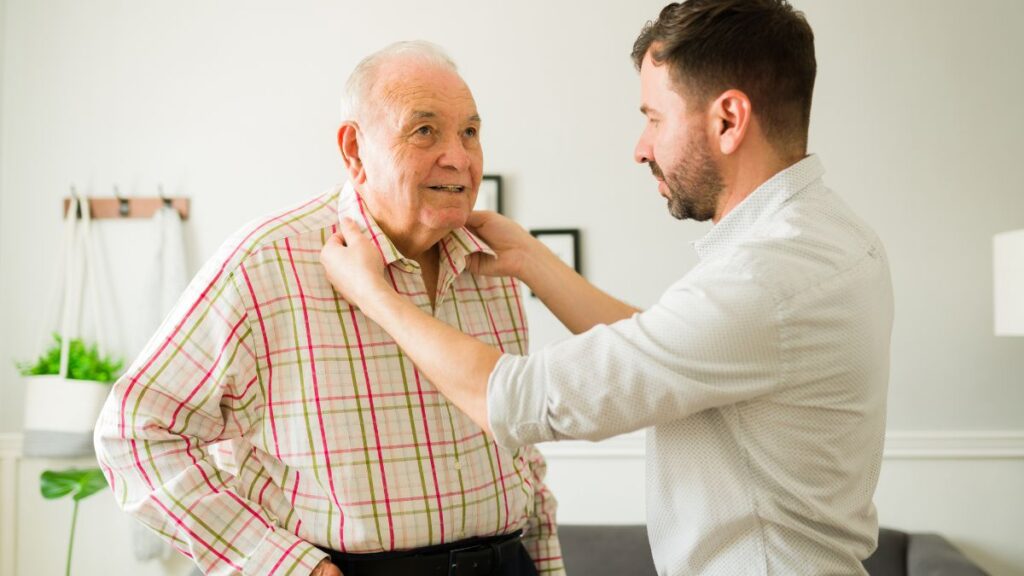
One of the most meaningful signs of independence after 70 is being able to manage ordinary personal care. Getting dressed, brushing teeth, bathing, eating, and using the bathroom may seem simple until they become difficult.
These activities are sometimes called activities of daily living. Healthcare professionals use them to understand how well someone can manage basic needs and whether additional assistance would improve safety.
An older adult who can choose clothing, get dressed comfortably, and maintain a personal routine retains considerable control over the day. That freedom supports privacy, confidence, and a sense of normal life.
However, needing assistance does not mean someone has failed at aging. Arthritis, chronic pain, reduced hand strength, and mobility limitations can make these tasks harder even when someone remains mentally alert and socially engaged.
Simple changes can make a meaningful difference. Easy-fastening clothing, shower chairs, grab bars, long-handled tools, and better bathroom lighting may help preserve personal choice.
Small ability worth protecting: Being able to complete everyday personal care safely, whether independently or with appropriate equipment and assistance.
2. Rising From a Chair and Moving Around the Home
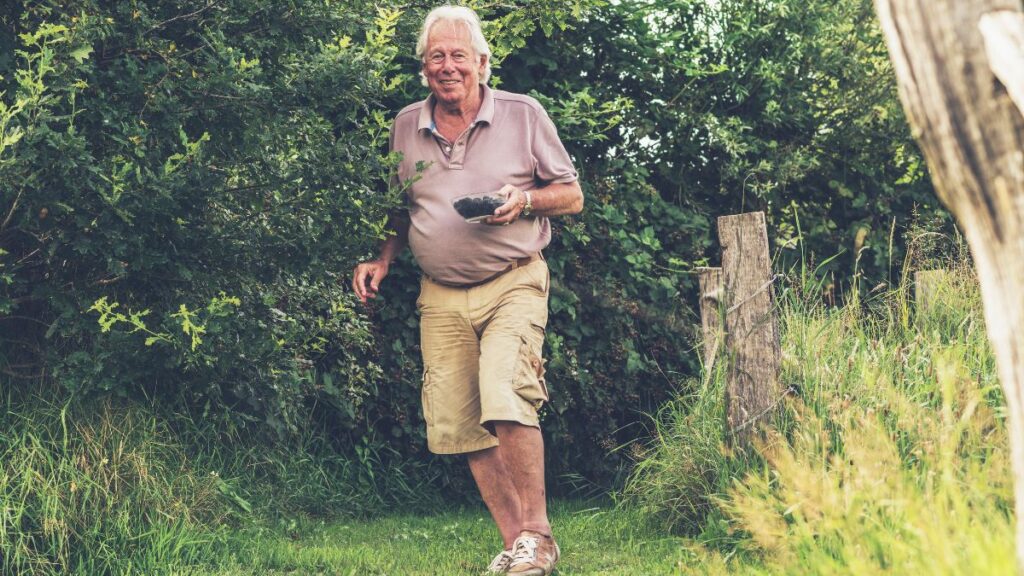
Getting out of a chair involves more than most people realize. The legs, hips, core muscles, and balance system work together during a movement performed countless times throughout the day.
For people in their 70s, maintaining the ability to stand up and move around comfortably can make household life much easier. It supports everything from answering the door to preparing meals and using the bathroom.
The National Institute on Aging identifies mobility as an important factor in remaining independent. Reduced strength, changes in walking patterns, and poor balance can increase the difficulty of everyday activities.
These changes do not always happen suddenly. Someone may gradually begin pushing harder against the armrests, avoiding stairs, or choosing to remain seated because standing feels exhausting.
The CDC recommends that adults 65 and older include aerobic activity, muscle-strengthening exercises, and balance work in their weekly routines. Regular movement can help maintain physical function, although the appropriate amount depends on individual abilities and health.
| Type of Activity | General CDC Recommendation | Everyday Example |
|---|---|---|
| Aerobic movement | 150 minutes of moderate activity weekly | Brisk walking when appropriate |
| Muscle strengthening | At least 2 days each week | Supervised resistance exercises |
| Balance training | Include balance activities regularly | Tai chi or supported balance practice |
| Limited mobility | Remain active within personal abilities | Adapted movement or chair exercises |
A person does not need to complete every exercise perfectly to benefit. Even smaller amounts of suitable physical activity can be worthwhile, especially when building from a low starting point.
Practical reminder: Anyone experiencing dizziness, recent falls, or significant balance problems should discuss safe exercise options with a healthcare professional.
3. Preparing a Simple Meal and Handling Everyday Household Tasks
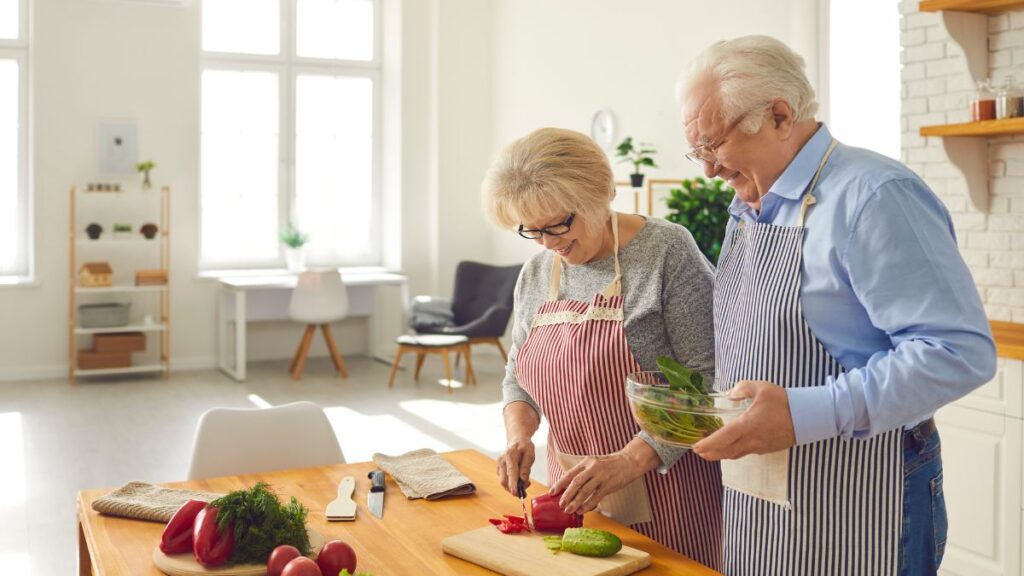
Cooking an ordinary meal can reveal several useful abilities working together. It involves planning, standing, reaching, using kitchen tools, and remembering what needs to happen next.
Many active 70-somethings continue preparing breakfast, making soup, washing dishes, and keeping their kitchens organized. These tasks provide movement and allow people to maintain familiar routines.
Being able to prepare food also provides control over personal preferences. Someone can choose how vegetables are cooked, how much salt goes into a meal, and what time dinner will be served.
That independence can become harder when fatigue, arthritis, vision changes, or memory difficulties interfere. Heavy cookware, slippery floors, and difficult packaging can also create unnecessary obstacles.
A useful response is to make cooking easier rather than automatically giving it up. Lightweight utensils, pre-cut vegetables, grocery delivery, and meals prepared in smaller batches can reduce the physical demands.
Household activities deserve similar attention. Folding laundry, wiping counters, watering plants, and organizing personal belongings can provide structure without requiring strenuous effort.
Everyday advantage: Maintaining enough ability to participate in household routines helps older adults keep control over how their living spaces function.
4. Getting Around the Community Without Feeling Trapped at Home

Independence extends beyond the front door. Being able to reach a grocery store, medical appointment, library, or friend’s home can make retirement much more satisfying.
Some older adults continue driving comfortably into their 70s. Others prefer walking, public transportation, community shuttles, taxis, or rides arranged through family members.
The important ability is not necessarily driving a car. It is knowing how to reach places safely without becoming completely cut off from everyday life.
Transportation difficulties can slowly reduce social participation. Someone may stop attending gatherings, delay appointments, or avoid shopping because arranging a ride feels too complicated.
Active older adults often protect their routines by planning ahead. They learn local transportation options, keep important telephone numbers accessible, and choose practical alternatives when circumstances change.
This also involves knowing personal limits. Poor night vision, slower reactions, medication effects, and mobility changes may require different travel arrangements.
A transportation plan can preserve independence even when driving is no longer appropriate. Asking for a ride or using accessible transit can help someone remain involved in community life.
Freedom worth maintaining: Having at least one safe, dependable way to reach essential services and activities outside the home.
5. Keeping Track of Medications, Appointments, and Health Changes

Managing personal health becomes a more significant part of everyday life during the 70s. Routine appointments, prescription refills, screenings, and treatment instructions can require careful organization.
Older adults who maintain a workable system for health information may find it easier to follow recommended care. This might involve a written calendar, reminder alarms, or a medication list carried to appointments.
The ability to notice changes also matters. Persistent dizziness, worsening fatigue, unusual swelling, and changes in walking ability are examples of symptoms that deserve attention rather than automatic dismissal as normal aging.
Good self-management does not mean diagnosing problems without medical help. It means knowing when something has changed and communicating that information to a qualified professional.
Medication organization is particularly important when several prescriptions are involved. A pharmacist or healthcare professional can help review schedules, possible side effects, and safe reminder systems.
Some older adults use smartphones to manage appointments, while others prefer notebooks or printed calendars. Either approach can work when it is dependable and easy to understand.
Maintaining health awareness can support confidence because everyday decisions feel less uncertain. The goal is to remain informed and involved in personal care.
Health habit: Keep an updated medication list and review changes with a healthcare professional rather than adjusting prescribed treatments independently.
6. Understanding Household Bills and Making Sensible Money Decisions

Financial security after 70 is not simply about having a large retirement account. It also involves understanding available income, recognizing expenses, and making choices that fit the household budget.
An older adult living comfortably on a modest pension may have more daily peace of mind than someone with substantial assets and overwhelming obligations. Predictable expenses and manageable housing costs can make a meaningful difference.
Active 70-somethings often remain involved in ordinary money decisions. They compare grocery prices, check bills, review statements, and consider whether a purchase is affordable.
This does not require advanced financial knowledge. Understanding when bills are due and knowing where household money goes can help prevent unnecessary stress.
When financial tasks become harder, simplification may help. Automatic payments, clear account records, spending alerts, or assistance from a trustworthy person can make money management more manageable.
The Consumer Financial Protection Bureau describes financial well-being in terms of meeting obligations, handling unexpected costs, pursuing goals, and maintaining freedom of choice.
That is a useful standard for retirement. The purpose of money is not only to accumulate savings but also to support stability and reasonable personal freedom.
Financial independence: Knowing enough about household finances to participate in decisions, ask informed questions, and recognize when additional assistance is needed.
7. Recognizing Suspicious Offers and Protecting Personal Information
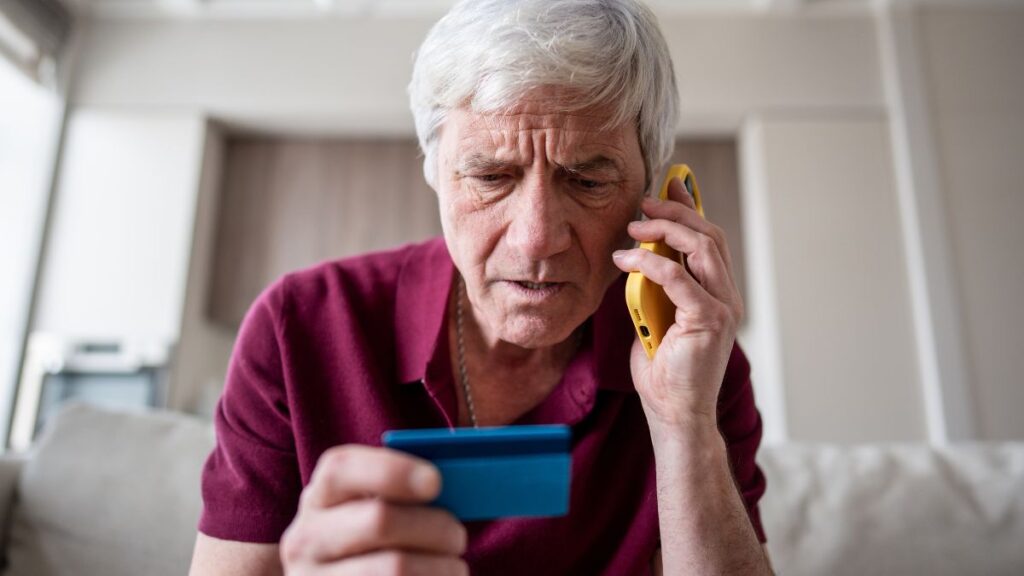
One important everyday ability after 70 is knowing when to pause before trusting an unfamiliar offer. Financial scams can affect people of every age, including intelligent and experienced older adults.
Scammers often use urgency, fear, or promises of unusual rewards. Someone might claim that a bank account is in danger, a grandchild needs emergency money, or a special investment opportunity will disappear within hours.
A person who can recognize pressure tactics may be better prepared to protect savings and personal information. However, being deceived by a sophisticated scam is not proof of poor judgment or cognitive decline.
The Consumer Financial Protection Bureau identifies several warning signs, including demands for immediate payment, requests for sensitive information, and unusual payment methods.
Scammers may also use fake professional titles or personal attention to gain trust. Free seminars, unsolicited financial offers, and unfamiliar health product promotions deserve careful verification.
A practical habit is to end unexpected conversations involving money and contact the organization directly through an independently verified number. Taking time to check information can prevent costly mistakes.
Family members can help by discussing scams without embarrassment or criticism. People are more likely to ask questions when they know they will receive support rather than judgment.
Protective habit: Never let an unfamiliar caller, message, or salesperson pressure you into sharing account information or transferring money immediately.
8. Holding Meaningful Conversations and Maintaining Close Relationships

Social connection remains important long after retirement. Yet meaningful communication involves more than having many contacts or receiving frequent invitations.
Active 70-somethings often continue participating in conversations, listening to others, expressing opinions, and maintaining friendships. They may share stories from earlier years while remaining interested in what is happening around them.
A good conversation involves mutual attention. Asking a grandchild about school, listening to a friend’s concerns, or discussing a shared interest can strengthen relationships.
This matters because retirement changes social routines. Former coworkers disappear from daily life, friends move away, and some family members become busy with their own responsibilities.
The National Institute on Aging distinguishes between loneliness and social isolation. Someone living alone may feel well connected, while another person surrounded by relatives may still feel lonely.
The quality of relationships therefore matters more than the size of someone’s social circle. One dependable friend can provide comfort that many casual acquaintances cannot.
Communication may also require adjustments. Hearing aids, quieter meeting places, phone calls, video chats, and accessible social activities can help people remain involved.
Family relationships sometimes become easier when older adults and their grown children respect each other’s boundaries. Listening without constantly correcting or criticizing can create more comfortable conversations.
Connection habit: Make room for at least one regular conversation that feels genuine, supportive, and enjoyable.
9. Learning New Things Instead of Avoiding Every Change
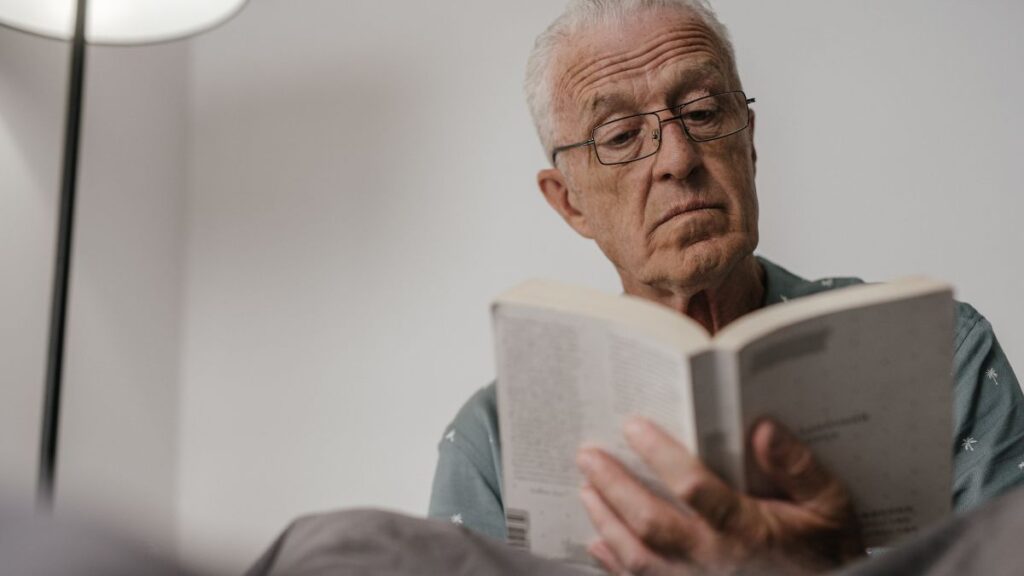
The world can change considerably between someone’s 50th and 75th birthdays. Banking methods, transportation systems, communication tools, and everyday technology may look very different.
Older adults who remain willing to learn often find practical ways to handle these changes. They may learn to use a smartphone, book an appointment online, or follow instructions for a new household appliance.
Being comfortable with technology is helpful, but no one needs to master every new application. The useful skill is being willing to ask questions and practice when something could make life easier.
A 74-year-old learning video calling to speak with distant grandchildren is developing a practical connection skill. Another person learning to use a library’s digital catalog may gain easier access to books and community resources.
Learning also happens away from screens. Trying a new recipe, practicing a language, studying local history, or learning basic gardening skills can keep curiosity alive.
Mistakes are a normal part of learning at every age. An unfamiliar device may require written instructions, repetition, or guidance from someone patient.
The goal is not to compete with younger generations. It is to remain open to useful knowledge and avoid unnecessarily surrendering choices because something feels unfamiliar.
Learning habit: Choose one small skill that could make everyday life easier, then practice it at a comfortable pace.
10. Enjoying Hobbies and Finding Something Interesting to Do

Life after 70 can become surprisingly empty when work responsibilities end and family routines change. Having enjoyable activities helps give ordinary days a sense of variety.
Some older adults find pleasure in gardening, painting, fishing, birdwatching, puzzles, or playing cards. Others enjoy music, writing, photography, volunteering, or visiting community centers.
A hobby does not need to be productive or impressive. Its value may simply come from providing enjoyment, curiosity, social contact, or personal satisfaction.
The National Institute on Aging encourages older adults to participate in activities they find meaningful. Such activities can support engagement and help reduce loneliness.
Hobbies can also create small goals. A gardener looks forward to new flowers, a painter experiments with colors, and a reader anticipates finishing a book.
Physical limitations may require adjustments, but they do not always mean giving up an interest. Raised garden beds, accessible art tools, audiobooks, and seated group activities can help people continue participating.
An enjoyable activity becomes especially useful when it provides something to anticipate. Instead of every day blending into the next, the week contains moments worth planning around.
Purpose habit: Keep at least one enjoyable activity on the calendar that is chosen for personal satisfaction rather than obligation.
11. Adapting to Change While Still Making Personal Choices

Perhaps one of the most meaningful abilities in the 70s is learning how to adapt without giving up control over every decision. Aging brings changes, but flexibility can help people maintain a satisfying life.
Someone who once walked several miles may eventually prefer shorter routes. Another person may stop driving at night but continue visiting friends during daylight hours.
These adjustments do not automatically mean independence is disappearing. Sometimes they allow an older adult to preserve the activities that matter most.
Emotional flexibility is part of this ability. Friends may relocate, family circumstances may change, and familiar routines may need to be reconsidered.
An active older adult does not have to remain cheerful constantly. Sadness, frustration, and disappointment are normal responses to difficult experiences.
What matters is having ways to cope and knowing when to seek support. Talking with a trusted person, adjusting expectations, or asking for professional help may make change easier to manage.
Personal choice remains important throughout this process. Older adults should have opportunities to express preferences about housing, routines, relationships, and daily activities whenever possible.
Accepting help can sometimes increase freedom rather than reduce it. Grocery delivery, home modifications, mobility devices, and transportation assistance may allow someone to continue living according to personal preferences.
Independence habit: Focus on what you still want to do, then consider which adjustments or forms of support could make it possible.
What These 11 Abilities Reveal About Healthy Aging
Not every healthy 70-something will maintain all 11 abilities at the same level. Physical disabilities, chronic conditions, financial pressures, and personal circumstances can create different needs.
What matters is how well someone can participate in daily life and retain a sense of choice. An older adult using a wheelchair may have strong relationships, meaningful interests, sound judgment, and excellent control over personal decisions.
Similarly, someone who looks physically fit may still struggle with loneliness, money worries, or a lack of purpose. Healthy aging involves several connected areas rather than one physical measurement.
The following comparison shows why practical functioning can be more useful than judging older adults by appearances.
| Common Assumption | A More Useful Way to Think |
|---|---|
| Active seniors must walk without assistance | Safe mobility can include suitable aids |
| Independent seniors never ask for help | Appropriate help can preserve choice |
| Good aging means never feeling sad | Emotional health includes seeking support |
| Financial stability requires wealth | Manageable expenses and reliable resources matter |
| Staying sharp means using every new technology | Curiosity and practical learning are more useful |
| A busy calendar guarantees happiness | Meaningful, enjoyable activities matter more |
These abilities also interact. Better mobility may make social visits easier, while stronger relationships may encourage someone to participate in hobbies or seek needed healthcare.
A small improvement in one area can therefore make other parts of everyday life more manageable.
Five Small Habits That Help Protect Everyday Independence
Maintaining abilities does not always require a major lifestyle change. Consistent, manageable habits may help older adults preserve the routines they already enjoy.
| Habit | Simple Starting Point | Everyday Benefit |
|---|---|---|
| Move regularly | Add suitable walking or adapted movement | Supports physical function |
| Practice strength and balance | Follow an appropriate exercise plan | Supports steadiness and mobility |
| Maintain social contact | Schedule regular calls or visits | Supports connection |
| Keep learning | Practice one useful new skill | Encourages confidence and engagement |
| Plan something enjoyable | Set aside time for a favorite activity | Creates purpose and anticipation |
𝐇𝐚𝐛𝐢𝐭 𝐓𝐢𝐩: The One Small Improvement Rule
Choose one everyday task that has become slightly more difficult, such as organizing appointments, carrying groceries, or reaching a community activity.
Look for one safe change that could make that task easier. This might involve using a reminder, arranging delivery, changing the home setup, or discussing suitable exercises with a professional.
Focus on what becomes more manageable rather than trying to improve all 11 abilities at once.
Small, practical changes can help maintain everyday confidence without making healthy aging feel like another full-time responsibility.