

Retirement changes more than the amount of money coming into your bank account. It changes where that money goes, how often you spend it, and which bills deserve your attention.
Many people assume retirement automatically means spending less. That can happen, but it is not guaranteed. Someone planning an active retirement filled with travel and hobbies may need more money than someone who prefers a quieter lifestyle.
The important distinction is that you do not simply spend less on everything. You stop paying for certain things and start paying more for others.
How Your Expenses Change When You Stop Working
Before looking at individual costs, it helps to understand how retirement affects different parts of a household budget.
Some changes happen immediately after your last paycheck. Others develop slowly as your daily routine, health, and personal priorities change.
| Expense Category | What Often Happens |
|---|---|
| Work-related spending | Drops sharply or disappears |
| Transportation | Often decreases but never reaches zero |
| Housing | May stay the same or change with relocation |
| Healthcare | Can become a larger share of spending |
| Travel and entertainment | May rise during active retirement |
| Taxes and saving | Change based on income and withdrawals |
| Home maintenance | Continues and sometimes increases |
| Personal assistance | May become necessary later |
These are common patterns, not guarantees. Someone who works from home may have almost no commuting costs to eliminate, while someone retiring before Medicare eligibility may face a significant health insurance bill.
That is why a useful retirement budget should start with your actual spending instead of somebody else’s idea of what retirement costs.
Part One: 13 Costs You May Lose or Reduce in Retirement
1. The Daily Cost of Getting to Work

Commuting is one of the first expenses that can shrink after retirement. Gas, bus fares, train tickets, and other daily transportation costs may no longer be part of your regular schedule.
Consider someone who drives 30 miles each workday. That can add up to hundreds of miles every month, along with fuel purchases that become almost automatic.
Retirement does not eliminate driving. Grocery shopping, appointments, hobbies, and visiting family still require transportation, but you may no longer have to travel the same distance five days a week.
For some households, the resulting reduction in monthly fuel spending can be substantial. Less commuting may also mean fewer miles on your vehicle and less frequent maintenance.
2. Parking Fees, Tolls, and Work Transportation Charges
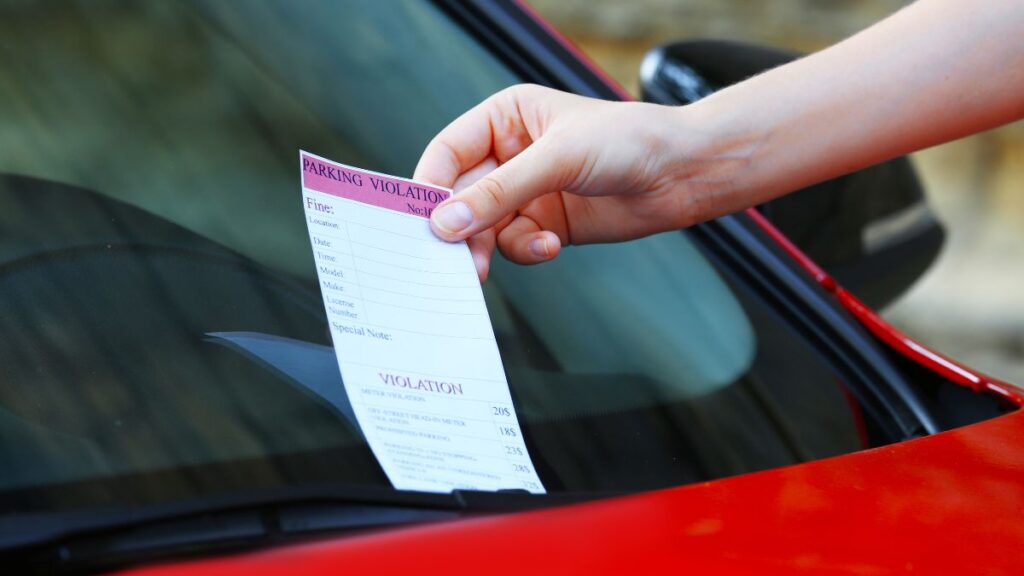
Parking and tolls can quietly consume a meaningful amount of money. Someone paying $8 to park on each of 20 workdays spends approximately $160 a month, or $1,920 over a year.
Once work ends, that regular charge can disappear. The same applies to toll roads used mainly for commuting or monthly transit passes that are no longer needed.
These savings will be smaller for anyone whose employer provided free parking or subsidized travel. Still, they are worth measuring before retirement because recurring transportation charges are easy to overlook.
Even a modest monthly reduction can make a difference when you are living on a fixed income. Money that once went toward parking could help cover groceries, prescriptions, or enjoyable activities.
3. The Expense of Keeping an Extra Vehicle

Some couples maintain two cars because both partners need reliable transportation to different workplaces. Retirement may make it possible to share one vehicle instead.
Selling a second car can reduce insurance, registration, maintenance, repairs, and future replacement costs. The savings can extend well beyond the price of gasoline.
However, becoming a one-car household only works when both people can still reach appointments, social activities, and necessary services. Independence and transportation access should matter more than maximizing savings.
A couple living in a walkable neighborhood may benefit greatly from this change. A rural household with limited public transportation may still need two vehicles.
4. Work Clothes and Professional Wardrobe Expenses

A job often requires clothing that people would not otherwise buy. Business shoes, dress shirts, suits, uniforms, and professional outfits can create a steady stream of purchases.
Once you retire, your wardrobe may become simpler. Comfortable clothing, everyday shoes, and a smaller collection of special occasion outfits might cover most situations.
This does not mean retirees stop enjoying fashion. It means fewer purchases are required simply to satisfy workplace expectations, which can make clothing spending easier to control.
You may also find that your existing wardrobe lasts longer. Clothing that once needed frequent replacement can remain useful for years when it is worn less often.
5. Dry Cleaning and Work-Related Grooming

Professional clothing sometimes comes with extra maintenance costs. Dry cleaning, pressing, shoe repairs, and frequent grooming appointments can all add to the expense of maintaining a work-ready appearance.
Retirement may reduce some of these costs, especially if your daily clothing becomes more casual and easier to care for at home.
Personal grooming remains important, and many retirees continue spending money on services they enjoy. The potential saving comes from no longer having to meet a professional dress standard every workday.
Reviewing these expenses can reveal small opportunities to save without making noticeable sacrifices. A few reduced appointments or fewer dry-cleaning visits can lower yearly spending.
6. Buying Lunch During the Workweek
Buying lunch may seem like a small daily expense until you calculate the annual cost. A $12 lunch purchased five days a week over 48 working weeks adds up to $2,880.
Retirement can make it easier to prepare meals at home, use leftovers, and choose when to eat out.
There is also more freedom to shop when convenient, plan meals, and avoid buying expensive food simply because there is no time to prepare something.
The savings depend on your habits. Someone who packed lunch throughout their career may see little change, while a frequent restaurant customer might save considerably.
7. Coffee, Snacks, and Other Workday Purchases

Coffee on the way to work, an afternoon snack, and occasional purchases at convenience stores can quietly become part of a regular routine.
Spending $5 on coffee during 20 workdays adds up to $100 a month. Adding snacks or other impulse purchases can raise that figure further.
Retirement may remove the routine that encouraged these purchases. Making coffee at home or eating breakfast before leaving for an outing can cost less.
However, meeting friends for coffee may become an enjoyable retirement activity. The goal is not to eliminate every treat, but to recognize which purchases were driven mainly by work.
8. Paying Extra for Convenience Because You’re Busy

Working households sometimes spend more money to save time. Grocery delivery, takeout dinners, rushed shopping trips, and paid household services may help people manage demanding schedules.
Retirement can create opportunities to perform some of these tasks personally. Cooking more frequently and handling routine errands during quieter hours may reduce spending.
Still, convenience services should not automatically disappear from the budget. Someone with mobility problems or limited energy may benefit from continuing to use grocery delivery or household assistance.
The useful question is whether a service remains worth paying for when your daily schedule changes. Keeping the services that genuinely improve your life may be better than eliminating everything at once.
9. Professional Memberships and Career Certifications

Many occupations involve professional organizations, licensing fees, certification renewals, conferences, and continuing education requirements.
Some workers pay these expenses themselves. Once they leave their profession, certain memberships and certifications may no longer be necessary.
A person who spends $300 annually on professional dues and another $200 on continuing education could potentially redirect that $500 toward retirement activities.
Before canceling anything, check whether you plan to consult, work part time, or return to your profession. Maintaining a license may be worthwhile if it protects future earning opportunities.
10. Work-Related Technology and Office Supplies
Some workers personally pay for software subscriptions, equipment, upgraded internet services, office supplies, or technology used mainly for their jobs.
Retirement may make certain subscriptions and equipment unnecessary. You might no longer need specialized professional software or a separate work phone.
Other technology expenses will remain. Internet access, smartphones, and computers can be important for banking, healthcare, communication, and entertainment.
Review subscriptions individually instead of assuming they all have to stay or go. Canceling services you no longer use can save money without affecting your retirement lifestyle.
11. Workplace Celebrations and Social Obligations

Birthday collections, office gifts, holiday exchanges, retirement celebrations, and meals with coworkers can create small but frequent expenses.
These purchases may not feel important individually. Over a full year, however, they can become a noticeable part of discretionary spending.
Leaving the workplace often reduces these obligations. You may still choose to celebrate important occasions with former colleagues, but participation becomes more flexible.
Some of the money previously spent on workplace events might instead support friendships, family gatherings, or community activities. That can make your spending more closely match your personal priorities.
12. Payroll Taxes on Employment Income

When you stop earning wages, you generally stop paying Social Security and Medicare payroll taxes on those wages.
For most employees, the combined employee portion of these payroll taxes is 7.65% of covered wages, subject to the applicable Social Security wage limit.
That does not mean every tax disappears. Income from pensions, traditional retirement account withdrawals, investments, and even some Social Security benefits may still be subject to federal or state income taxes.
Retirees who continue working or earn self-employment income may still owe employment-related taxes. Payroll taxes may stop with your paycheck, but retirement income can create its own tax obligations.
13. Regular Contributions to Retirement Savings Accounts
During your working years, part of every paycheck may go directly into a 401(k), 403(b), IRA, or another retirement savings account.
After fully retiring, many people stop making these contributions because they are no longer accumulating money for retirement. They begin using the resources they spent years building.
For example, someone directing $800 a month into retirement savings has $9,600 annually allocated to that goal. Once contributions stop, that amount no longer needs to come out of employment income.
However, retirement contributions are savings, not an ordinary living expense. Stopping them reduces the income required to support your previous cash-flow pattern; it does not create $9,600 of new retirement income.
This distinction is essential when comparing your working budget with your retirement budget.
How Much Could These Disappearing Costs Save?
The following example shows how work-related expenses can add up for someone retiring from a traditional office job.
These are illustrative amounts rather than national averages. Your actual savings will depend on your previous work arrangements and the lifestyle you choose.
| Expense | Working Monthly Cost | Retirement Monthly Cost |
|---|---|---|
| Commuting fuel | $180 | $40 |
| Work parking and tolls | $100 | $0 |
| Second vehicle costs | $200 | $0 |
| Professional clothing | $80 | $20 |
| Dry cleaning and grooming extras | $40 | $10 |
| Purchased work lunches | $180 | $30 |
| Workday coffee and snacks | $90 | $20 |
| Convenience spending | $100 | $50 |
| Professional memberships | $35 | $0 |
| Work technology and supplies | $25 | $0 |
| Workplace social obligations | $30 | $10 |
| Total | $1,060 | $350 |
This hypothetical household reduces spending by $710 a month, or $8,520 annually, across these categories.
The example assumes the household eliminates an extra vehicle and replaces some previous work expenses with personal spending. Payroll taxes and retirement savings contributions are not included because they depend on earnings and should be calculated separately.
But these savings tell only one side of the story. Several other expenses may rise once you begin spending more time at home and managing healthcare without workplace benefits.
Part Two: 7 Costs You May Gain or Spend More On in Retirement
1. Medicare Premiums and Health Insurance Costs

Health insurance can become one of the biggest changes in a retirement budget. Workers often receive employer-sponsored coverage, while retirees must arrange their own insurance.
For people age 65 and older, Medicare becomes a major part of that decision. But Medicare is not completely free.
In 2026, the standard monthly Medicare Part B premium is $202.90 per person. That equals $2,434.80 annually for one person, before accounting for other premiums and medical costs. Higher-income beneficiaries may pay more.
Depending on the coverage selected, retirees may also need to budget for Part D prescription drug coverage, Medigap supplemental insurance, or additional out-of-pocket expenses under Medicare Advantage.
People retiring before age 65 face another challenge: arranging coverage until they become eligible for Medicare. Private insurance, marketplace plans, COBRA, or coverage through a spouse may carry very different costs.
Healthcare coverage should be priced before choosing a retirement date, not after leaving employment.
2. More Out-of-Pocket Medical and Prescription Expenses

Medical expenses do not necessarily decrease after you stop working. Doctor appointments, prescription medications, medical tests, deductibles, and other uncovered services can become a larger part of household spending.
Fidelity’s 2026 retirement healthcare estimate suggests that a 65-year-old retiring that year could spend approximately $185,500 on healthcare throughout retirement. This is a long-term planning estimate for one person, not an amount everyone will actually spend.
That estimate does not include every possible expense, particularly long-term care. Actual costs depend on health, insurance choices, location, and how long someone lives.
The 2026 Medicare Part D benefit includes a $2,100 annual out-of-pocket threshold for covered prescription drugs. However, that protection does not cover every medication or every healthcare expense.
It helps to separate predictable monthly healthcare costs from expenses that may arise unexpectedly. Someone taking several medications may have consistent prescription costs, while dental procedures, hospital visits, and new treatments can create much larger bills.
3. Dental, Vision, and Hearing Care

Dental and vision coverage may change or disappear when you leave an employer’s health plan.
Original Medicare generally does not cover routine dental care, hearing aids, or ordinary eyeglasses. Certain Medicare Advantage plans provide additional benefits, but the actual coverage and limits vary.
A retiree might therefore need to pay separately for dental cleanings, fillings, crowns, glasses, or hearing devices.
Not every expense happens annually, which makes this category easy to underestimate. A person may go several years with modest costs before needing an expensive procedure or new equipment.
Consider reserving money each month for dental, vision, and hearing needs, even when nothing currently requires treatment.
4. Higher Household Utility and Daily Living Costs
Spending more time at home can change how much electricity, heating, cooling, and water your household uses.
Someone who previously spent nine hours away from home may now use lighting, appliances, heating, or air conditioning throughout the day.
Groceries may also increase if more meals are prepared at home. That does not necessarily mean food spending rises overall because restaurant and work-lunch expenses may fall.
The best way to estimate these changes is to compare actual bills over time. Retirees may also find that downsizing, changing utility plans, or improving home insulation can offset some of the added costs.
Household expenses deserve regular attention because they can rise gradually. Small increases may seem manageable individually but can affect a retirement budget when several happen together.
5. More Spending on Travel, Hobbies, and Entertainment

For many people, retirement is the first time they have enough freedom to pursue interests that work previously limited.
Travel, gardening, golf, classes, local events, restaurant visits, and hobbies can become a larger part of monthly spending.
These activities are not necessarily wasteful. Enjoyable experiences, meaningful relationships, and a sense of purpose can make retirement more satisfying.
However, free time does not automatically make activities affordable. Someone who travels four times a year may spend considerably more than someone who enjoys neighborhood walks, reading, community events, and occasional local outings.
A retirement budget should make room for enjoyment while keeping essential expenses protected. Setting an annual amount for hobbies and travel can help you enjoy retirement without worrying about every purchase.
6. Home Repairs, Maintenance, and Accessibility Improvements

Owning a home remains expensive after retirement, even when the mortgage has been paid off.
Roofs eventually need repairs, appliances wear out, plumbing systems fail, and property taxes and insurance premiums continue.
Retirement may also bring new home improvement needs. Better lighting, grab bars, safer flooring, improved entryways, and bathroom modifications can help make a home easier to use.
Some changes are small and affordable, while major renovations can cost thousands of dollars. Home-related costs can also vary sharply from one year to the next.
A separate home maintenance reserve can make unexpected repairs less disruptive. It may also allow retirees to address small problems before they become expensive emergencies.
7. Paid Assistance, Transportation, and Long-Term Care
One of the most difficult retirement costs to predict is how much help someone may need in later life.
Some retirees remain independent for decades. Others eventually pay for cleaning, transportation, meal preparation, personal assistance, or help with everyday activities.
Families may provide some support, but professional services can become necessary when needs grow or relatives are unavailable.
Long-term care deserves special attention because Original Medicare generally does not pay for ongoing custodial care, such as routine help with bathing, dressing, and other daily activities.
Not everyone will need paid long-term care. Nevertheless, the potential cost is significant enough to deserve a place in retirement planning.
Insurance, personal savings, public assistance eligibility, and family resources may all influence how someone prepares for this possibility.
A Realistic Retirement Budget: Before and After
Retirement savings are often discussed in terms of account balances. But monthly cash flow is what determines whether everyday life feels manageable.
Consider a hypothetical couple comparing their spending before and after retirement.
| Monthly Expense | While Working | In Retirement |
|---|---|---|
| Housing | $1,700 | $1,700 |
| Groceries | $600 | $700 |
| Transportation | $700 | $350 |
| Healthcare | $500 | $900 |
| Dining and entertainment | $300 | $550 |
| Utilities | $250 | $300 |
| Work-related expenses | $500 | $0 |
| Home maintenance | $200 | $300 |
| Travel and gifts | $250 | $400 |
| Total monthly spending | $5,000 | $5,200 |
| Total annual spending | $60,000 | $62,400 |
In this example, retiring reduces transportation and work expenses significantly. Yet higher healthcare, leisure, and household spending more than offset those savings.
The couple’s living expenses increase by $200 a month despite no longer going to work.
These hypothetical figures exclude income taxes, payroll taxes, retirement contributions, and certain irregular costs. They are meant to show how spending categories can shift, not what an average household should expect to spend.
For another couple, especially one with a paid-off home, modest healthcare costs, and inexpensive hobbies, the result could be very different.
Three Retirement Expenses That Don’t Automatically Disappear

Some of the most common retirement planning mistakes come from assuming certain bills will vanish simply because employment ends.
Mortgage payments: A mortgage only disappears when the loan has been fully paid off or the property is sold. Property taxes, insurance, and maintenance continue even after the loan is gone.
Income taxes: Social Security benefits may be taxable depending on other income. Traditional IRA withdrawals, pension income, investment gains, and other sources can also create tax bills.
Debt payments: Credit cards, car loans, personal loans, and other outstanding obligations continue until they are paid. Retirement alone does not change the contractual payment schedule.
Anyone approaching retirement should review these obligations separately from ordinary spending. A household with significant debt may need a very different retirement plan from one entering retirement with few financial obligations.