
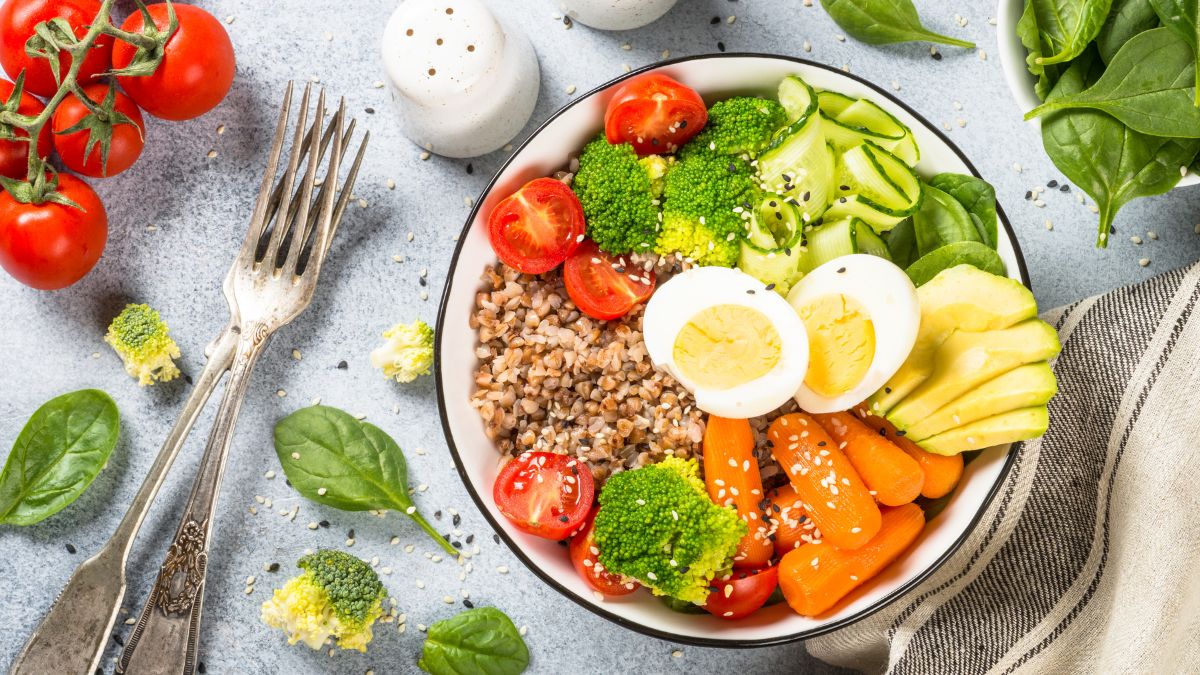
Some people reach their 90s with kitchens that look surprisingly ordinary. There are no shelves filled with expensive supplements, no complicated meal plans, and no miracle foods promising another 20 years.
Instead, their daily meals may be built around familiar ingredients, simple cooking methods, and habits practiced for decades. While no eating routine guarantees a long life, several everyday food choices can help older adults protect their strength, health, and independence.
The interesting part is how manageable many of these habits are. A bowl of oatmeal, a pot of vegetable soup, or a regular glass of water may seem unremarkable, but small choices can add up to a better overall diet.
What the Kitchens of People in Their 90s Can Teach Us
There is no single diet followed by everyone who lives past 90. Older adults grow up in different cultures, have different health conditions, and develop food preferences that may stay with them throughout life.
Some enjoy fish and vegetables, while others eat more beans, grains, eggs, or dairy products. What matters more than copying one specific menu is whether their meals consistently provide the nutrients their bodies need.
Researchers studying healthy aging have found associations between nutritious dietary patterns and better long-term health. However, eating a particular food does not guarantee exceptional longevity, and people who reach 90 may have benefited from many other factors.
| Everyday Eating Pattern | Why It May Help |
|---|---|
| Eating balanced meals regularly | Helps maintain energy and nutrient intake |
| Including vegetables and fruit | Provides fiber, vitamins, and minerals |
| Getting enough protein | Supports muscle maintenance and repair |
| Eating beans and whole grains | Adds fiber and important nutrients |
| Drinking fluids throughout the day | Helps prevent dehydration |
| Preparing simple meals at home | Makes ingredients and portions easier to manage |
| Eating with others when possible | May improve enjoyment and encourage regular meals |
These habits are not meant to become strict rules. They offer practical ideas that older adults can adjust to their appetite, medical needs, budget, and daily routine.
1. Starting the Morning With a Familiar, Nourishing Breakfast

One practical eating habit is keeping breakfast simple enough to prepare without much thought. Instead of searching for a different healthy recipe every morning, an older adult can rely on a few familiar meals that provide steady nourishment.
Oatmeal with milk and berries, scrambled eggs with whole-grain toast, or yogurt with fruit can make a satisfying beginning to the day. These meals use everyday ingredients and can be adjusted to suit changing appetites.
Breakfast also creates another opportunity to eat protein, which becomes particularly important as people grow older. Someone who eats very little in the morning may find it harder to get enough nutrients from lunch and dinner alone.
The advantage is not that breakfast must be eaten at exactly the same time every day. It is that a dependable morning routine can reduce skipped meals and make good nutrition easier.
Simple habit: Keep ingredients for two or three easy breakfasts available. Rotating familiar meals provides variety without adding unnecessary work.
2. Making Vegetables Part of Ordinary Meals

Vegetables do not need to appear as enormous salads or elaborate side dishes. They can become part of the meals a person already enjoys, making regular vegetable intake easier to maintain.
A handful of spinach can go into scrambled eggs, carrots can simmer in soup, and cabbage can cook alongside chicken or beans. These small additions provide vitamins, minerals, and fiber without requiring an entirely new eating routine.
Frozen vegetables can be especially useful for older adults who shop less frequently. They last longer than many fresh options, usually require little preparation, and can reduce waste in smaller households.
The cooking method matters, too. Tender steamed carrots, cooked greens, or roasted squash may be easier to chew than raw vegetables for someone with dental problems.
There is no need to eat every vegetable or prepare something different each day. A practical goal is to include several types throughout the week in forms that are comfortable and enjoyable.
Simple habit: Add one vegetable to lunch and another to dinner. Even familiar choices such as peas, carrots, spinach, and cabbage can make meals more nutritious.
3. Keeping Beans and Lentils in the Pantry
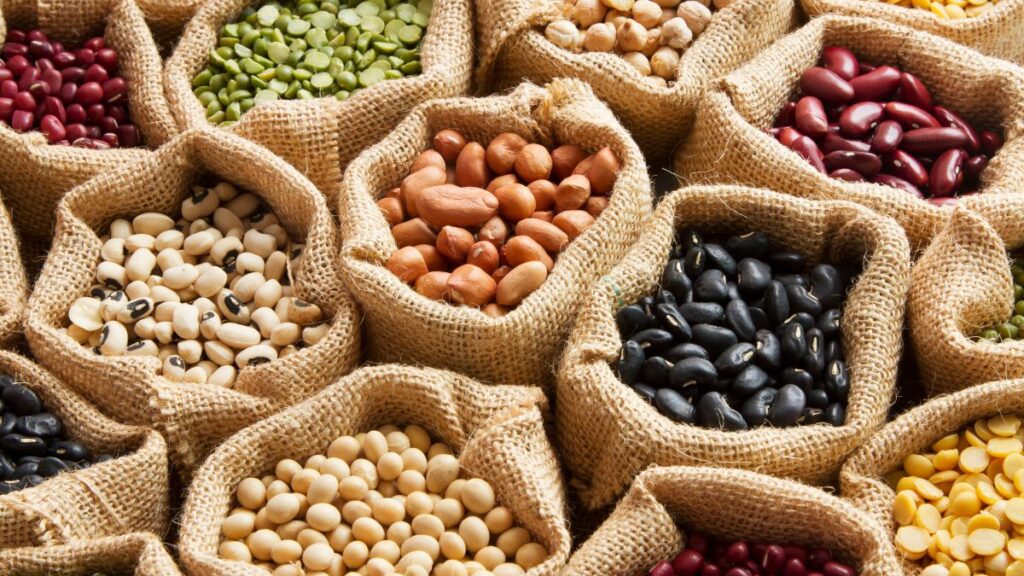
Beans and lentils are inexpensive foods that can make everyday meals more filling and nutritious. They provide plant protein, fiber, and minerals, making them useful ingredients for older adults who want dependable meals without spending heavily.
A pot of lentil soup can provide several servings, while canned beans can quickly become part of a stew or rice dish. Both options work well in households where cooking every meal from scratch is difficult.
Their versatility is another advantage. Beans can be mixed with vegetables, mashed into spreads, or added to soups that are easy to reheat.
For someone who lives alone, preparing a larger batch and freezing individual servings can save time. It also means a nutritious meal is available on days when shopping or cooking feels tiring.
People who are not accustomed to beans may experience bloating when they suddenly eat large amounts. Introducing them gradually, rinsing canned beans, and thoroughly cooking dried beans can help.
Simple habit: Keep canned beans or dried lentils available for quick meals. Choose lower-sodium canned versions when possible and rinse them before use.
4. Eating Protein at More Than One Meal
Muscle strength becomes increasingly important with age because it helps older adults stand, walk, climb stairs, and manage everyday activities. Although nutrition cannot prevent every age-related physical change, adequate protein can support the maintenance of muscle and other body tissues.
One common problem is eating very little protein until dinner. Someone may have toast for breakfast, a small salad for lunch, and most of their daily protein in one evening meal.
A more balanced approach is to include protein at several eating occasions. Eggs, milk, yogurt, beans, fish, poultry, tofu, and other protein-rich foods can all contribute.
This does not mean an older adult needs enormous portions of meat or expensive protein powders. Regular servings of familiar foods may be enough to improve an otherwise low-protein eating pattern.
| Meal | Easy Protein Choice | Simple Serving Idea |
|---|---|---|
| Breakfast | Eggs or Greek yogurt | Eggs with toast or yogurt with fruit |
| Lunch | Beans, lentils, or tuna | Soup or a sandwich |
| Afternoon snack | Yogurt or nut butter | Yogurt with berries or toast with peanut butter |
| Dinner | Fish, chicken, tofu, or beans | Served with vegetables and grains |
Protein needs differ from person to person. Older adults with kidney disease or other medical conditions should ask their healthcare team about the amount that is appropriate for them.
Simple habit: Look at breakfast and lunch before making changes to dinner. Adding protein earlier in the day can make overall intake more balanced.
5. Choosing Fiber-Rich Foods That Feel Familiar
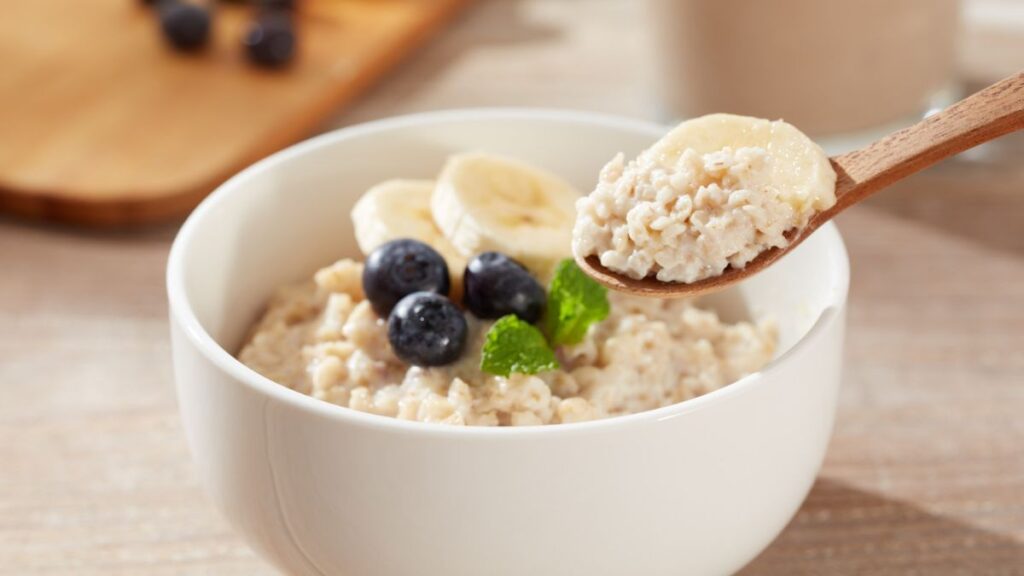
Whole grains, fruit, vegetables, and beans can support digestive health by providing dietary fiber. This becomes useful in later life because constipation may become more common when activity levels, medications, and eating patterns change.
Oatmeal is one of the easiest foods to include in a morning routine. Whole-grain bread, brown rice, berries, lentils, and cooked vegetables can also contribute fiber throughout the day.
However, eating more fiber does not mean giving up every familiar food. Someone who enjoys white rice can combine it with beans and vegetables, while another person may prefer replacing some white bread with whole-grain bread.
Small changes are often easier to maintain than completely rebuilding a diet. A bowl of oatmeal several mornings a week or an extra serving of beans at lunch can be a manageable beginning.
Fiber intake should generally increase gradually, with adequate fluids, to limit bloating and discomfort. Some digestive conditions require individualized advice about fiber type and amount.
Simple habit: Include one fiber-rich food at each main meal. Oats, whole grains, vegetables, and beans offer several affordable ways to do this.
6. Keeping Fruit Easy to Reach and Enjoy
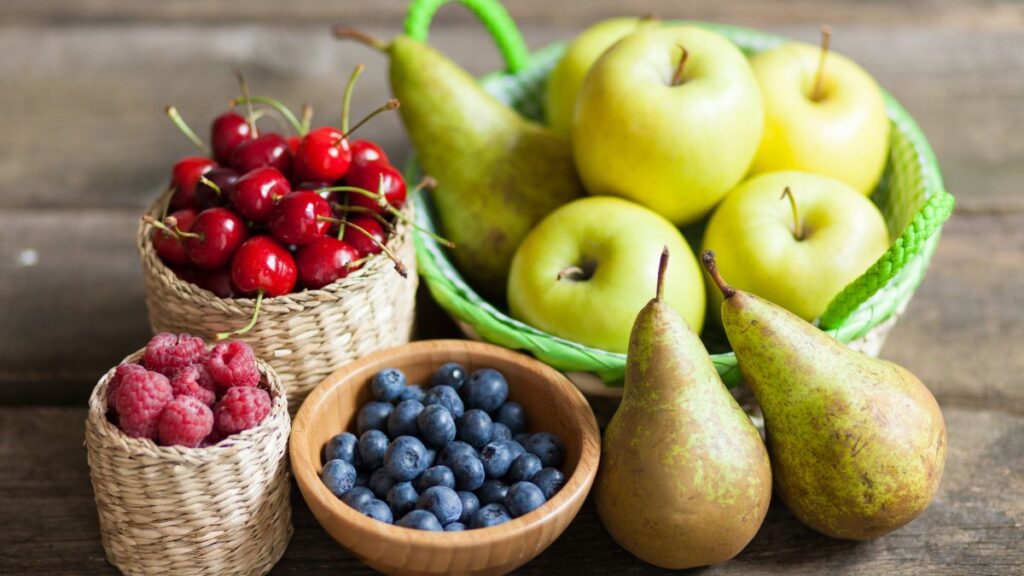
Fruit is more likely to become a regular snack when it is easy to see, prepare, and eat. Keeping bananas on the counter or washed fruit in the refrigerator can remove some of the effort involved in choosing a nutritious snack.
Apples, oranges, berries, pears, and seasonal fruit all provide different nutrients. Frozen fruit is another useful option because it can be added directly to oatmeal, yogurt, or smoothies.
Texture can become important in later life. Someone with dentures, sensitive teeth, or chewing difficulties may prefer ripe bananas, soft berries, stewed apples, or canned fruit packed in juice rather than syrup.
Fruit can also add natural sweetness to meals without requiring large amounts of added sugar. Sliced bananas in oatmeal or berries mixed into plain yogurt are simple examples.
There is no single fruit that guarantees better memory, heart health, or longer life. Eating a variety of fruit as part of a balanced diet is a more sensible goal.
Simple habit: Keep two types of fruit available each week. Choose varieties that fit the household budget and are comfortable to eat.
7. Including Foods That Support Bone Health
Maintaining bone health matters at every age, but it becomes particularly important when falls and fractures could threaten independence. Calcium and vitamin D help support healthy bones, while adequate protein also contributes to the maintenance of body tissues.
Milk, yogurt, fortified dairy alternatives, and certain other foods can provide calcium. Some fish and fortified foods also contribute vitamin D, although getting enough vitamin D from food alone can be difficult.
A simple breakfast containing yogurt or fortified milk can make these nutrients easier to include. Adding appropriate calcium-rich foods to lunch or dinner creates additional opportunities.
Vitamin B12 deserves attention as well because some older adults have more difficulty absorbing it from food. Eggs, dairy, fish, meat, and fortified foods can provide B12, but some people may need testing or supplementation.
This does not mean everyone in their 90s should take the same supplements. Medical conditions, medications, laboratory results, and existing food intake all influence individual needs.
Simple habit: Include familiar sources of calcium and other important nutrients regularly. Ask a healthcare professional whether vitamin D or B12 testing is appropriate if there are concerns about intake or absorption.
8. Cooking Simple Meals Instead of Depending on Complicated Recipes

A nutritious dinner does not need a long list of ingredients or an hour of preparation. A basic meal containing vegetables, protein, and a suitable grain or starchy food can provide useful nourishment without making cooking exhausting.
Consider a pot of vegetable and bean soup, baked fish with potatoes, or scrambled eggs with cooked spinach. These familiar meals can be prepared using ordinary grocery items and simple equipment.
Home cooking also provides control over added salt, fats, and ingredients. However, home-prepared food is not automatically healthier than every packaged option, and convenient foods can still have a place in a balanced diet.
The most useful approach is finding meals that are easy enough to repeat. Someone who feels tired after standing for long periods may benefit from preparing ingredients while seated or using a slow cooker.
Making extra portions can reduce future work. A homemade stew that provides dinner tonight and another serving for the freezer may be more useful than preparing a different elaborate meal every evening.
Simple habit: Choose five dependable meals that can be made with familiar ingredients. Keep the necessary groceries available so cooking requires fewer decisions.
9. Using Herbs and Flavor Instead of Adding More Salt

Taste and smell can change with age, sometimes making familiar meals seem less appealing. Certain medications and medical conditions may also affect how food tastes.
When this happens, adding large amounts of salt may seem like the easiest way to restore flavor. However, consistently high sodium intake can be a concern, particularly for people managing high blood pressure or certain heart and kidney conditions.
Garlic, onions, lemon juice, pepper, parsley, rosemary, and other herbs can bring additional flavor to ordinary dishes. A squeeze of lemon over fish or garlic added to vegetables can make a noticeable difference.
Packaged sauces, processed meats, and ready-made soups can also contribute substantial sodium. Reading labels and choosing lower-sodium options when appropriate may help reduce intake without making meals unpleasant.
Some salt substitutes contain potassium and may not be suitable for people with certain kidney problems or medications. Individual medical advice is important when sodium or potassium restriction is needed.
Simple habit: Try seasoning meals with herbs, garlic, or lemon before adding extra salt. Build a small collection of favorite flavors that make healthy meals enjoyable.
10. Drinking Fluids Throughout the Day
The body’s thirst response can become less reliable with age. An older adult may therefore need fluids without feeling as thirsty as they once did.
Dehydration can contribute to dizziness, constipation, weakness, and confusion. It may become particularly dangerous during illness, hot weather, or periods when someone is eating and drinking less than usual.
Keeping a glass of water near a favorite chair or on the kitchen table can provide a helpful reminder. Drinking with meals and at regular intervals throughout the day can also become part of a comfortable routine.
Water is not the only source of fluid. Milk, tea, soup, and foods containing water can contribute to hydration, although specific beverage choices should reflect individual needs.
There is no single drinking target suitable for everyone in their 90s. People with heart failure, kidney disease, or prescribed fluid restrictions may need carefully controlled amounts.
Simple habit: Make fluids part of daily activities rather than relying only on thirst. Keep drinks easy to reach and follow any medical guidance about fluid intake.
11. Keeping the Kitchen Stocked With Practical, Safe Foods
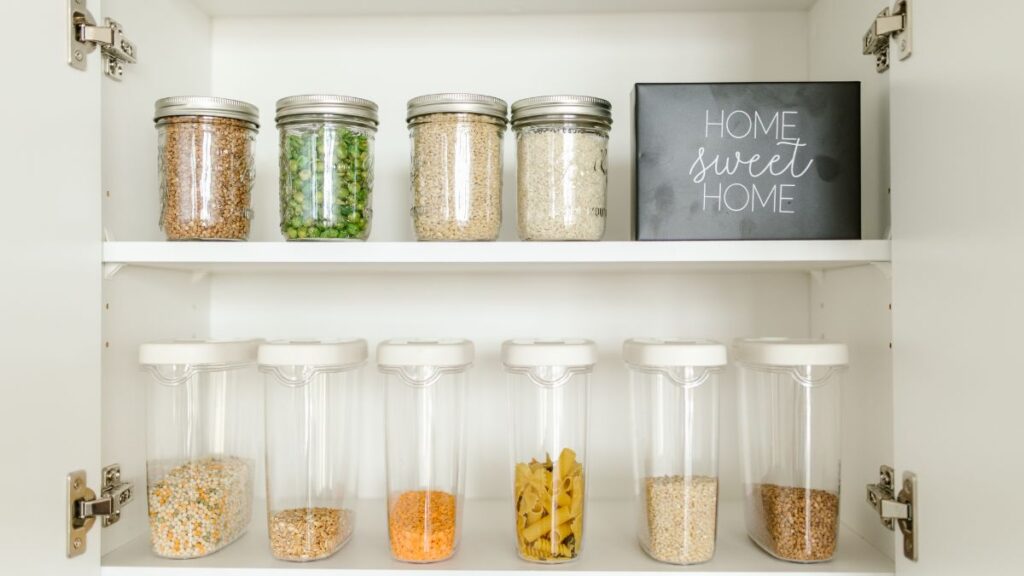
A well-organized pantry can make an enormous difference when shopping and cooking become more difficult. Basic supplies such as oatmeal, beans, rice, canned fish, and frozen vegetables can become nutritious meals with little preparation.
This approach is especially helpful for someone living alone. Instead of needing frequent grocery trips, they can prepare meals from ingredients that store well and are easy to use.
Food safety becomes particularly important in older age because foodborne infections can cause more serious illness. Proper refrigeration, clean preparation surfaces, and safe cooking temperatures help reduce these risks.
Cooked leftovers should generally be refrigerated promptly and eaten within three to four days or frozen for longer storage. Perishable foods should not be left at room temperature beyond recommended safety limits.
Labels with preparation dates can help prevent forgotten leftovers from sitting in the refrigerator. Keeping raw meat separate from ready-to-eat foods and reheating food thoroughly are equally useful routines.
| Useful Kitchen Staple | Why It Helps | Easy Meal Idea |
|---|---|---|
| Oatmeal | Quick breakfast with fiber | Oatmeal with milk and fruit |
| Canned beans | Convenient protein and fiber | Bean soup |
| Frozen vegetables | Reduces preparation and waste | Vegetable omelet |
| Canned salmon | Provides protein and other nutrients | Salmon sandwich |
| Plain yogurt | Supplies protein and calcium | Yogurt with berries |
| Brown rice | Provides whole grains | Rice with lentils |
| Frozen homemade soup | Makes meals easier on tiring days | Soup with toast |
Simple habit: Keep a small supply of ingredients that can become several different meals. Check food dates regularly and freeze extra portions before they spoil.
12. Treating Meals as Something Worth Enjoying
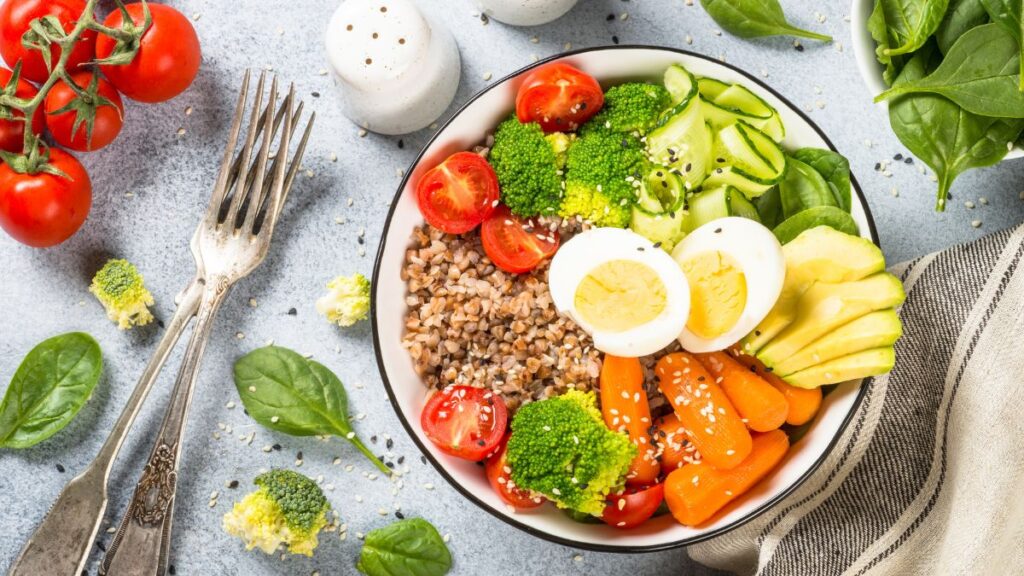
Eating is about more than meeting nutritional requirements. Meals can provide pleasure, structure, familiar memories, and opportunities to connect with other people.
For some older adults, eating alone can gradually make cooking feel less worthwhile. They may begin skipping meals, eating very small portions, or relying on snacks because preparing a complete dinner seems unnecessary.
A regular mealtime routine can help prevent this pattern. Setting a comfortable place at the table, preparing a favorite dish, or arranging occasional meals with friends can make eating more enjoyable.
Sharing food also creates natural opportunities for conversation. A weekly family lunch, a meal with a neighbor, or a community dining program may provide both nourishment and companionship.
Still, eating alone does not mean someone is lonely or eating poorly. Many older adults enjoy peaceful meals and maintain good nutrition while living independently.
The lesson is to make food enjoyable enough to remain part of daily life. Familiar dishes, comfortable surroundings, and regular meals can support both nutrition and personal satisfaction.
Simple habit: Make one meal each day feel intentional. Sit somewhere comfortable, enjoy the food, and avoid routinely replacing meals with whatever snack happens to be nearby.
Why Eating Needs Can Change After 80 or 90
Even an excellent eating routine may need adjustments as someone grows older. Appetite, taste, chewing ability, swallowing, medications, and physical strength can all affect daily nutrition.
An older adult who once enjoyed crunchy vegetables may eventually prefer them cooked until tender. Someone who previously prepared three meals every day may benefit from simpler recipes, grocery delivery, or help from family.
The goal is not to preserve every eating habit exactly as it was at 60. It is to make sure that meals remain safe, enjoyable, and nourishing under changing circumstances.
| Common Change | Practical Eating Adjustment |
|---|---|
| Smaller appetite | Offer smaller, nutrient-rich meals more frequently |
| Chewing difficulties | Choose tender proteins and soft cooked foods |
| Trouble preparing meals | Use ready-to-cook ingredients and frozen portions |
| Reduced thirst | Offer appropriate fluids regularly |
| Difficulty shopping | Arrange grocery delivery or shopping assistance |
| Unintended weight loss | Request a medical and nutritional assessment |
| Swallowing problems | Seek professional evaluation before changing textures |
One concern should never be ignored: unexplained weight loss. Losing weight without trying can sometimes indicate inadequate nutrition, medication problems, depression, swallowing difficulties, or an underlying illness.
Likewise, frequent choking, coughing during meals, or difficulty swallowing liquids deserves medical attention. These problems should not simply be accepted as a normal part of aging.