

Retirement is supposed to bring freedom, but for some older adults, the days slowly begin to feel empty. Friends become harder to see, familiar routines disappear, and activities that once brought happiness get pushed aside.
Even people who are financially comfortable can find themselves wondering why life feels smaller than it used to. The good news is that finding purpose again does not always require expensive vacations, new hobbies, or major life changes.
Sometimes, the smallest activities make the greatest difference. These 13 affordable ideas offer practical ways to rebuild the connection, confidence, and enjoyment that can fade after leaving work.
1. Taking a Morning Walk With Someone Who Understands Them

A simple morning walk can become one of the most valuable parts of retirement. It provides a reason to leave the house, get fresh air, and spend time with another person. For older adults who miss the conversations they once had at work, walking with a friend can restore a familiar sense of connection.
The walk does not need to cover several miles or follow a strict exercise plan. Even 15 minutes around the neighborhood can create a pleasant daily routine. When walking is difficult, a short visit to an accessible park or a seated conversation outdoors can offer similar social benefits.
Why it helps: Regular movement supports physical function, while shared conversation helps reduce feelings of isolation. The activity costs nothing beyond comfortable shoes and a little time.
2. Bringing Back an Old Hobby They Once Loved

Many people leave their favorite hobbies behind during their working years. Painting, fishing, sewing, woodworking, photography, and playing music slowly disappear as responsibilities take over. Retirement creates an opportunity to return to those interests without the pressure of deadlines or competing obligations.
An older adult who once loved sketching might begin with an inexpensive notebook and pencils. Someone who enjoyed fixing small household items could set aside an afternoon for simple repair projects. The important part is reconnecting with an interest that feels personal rather than choosing an activity simply to stay busy.
Why it helps: Familiar hobbies can restore confidence and bring back parts of someone’s identity that existed long before retirement.
3. Starting a Small Garden Without Spending Much Money

Gardening offers something that many retired adults quietly miss: a reason to get up and check on something each morning. Watching a tomato plant grow or seeing flowers return can make ordinary days feel more interesting. It also creates small responsibilities without the pressure of a job.
A garden does not require a large backyard or expensive equipment. A few containers, basic soil, and inexpensive seeds can be enough to begin. Older adults with limited mobility can try raised planters or pots placed at a comfortable height.
Why it helps: Gardening combines gentle activity, time outdoors, and the satisfaction of caring for something. It also gives people small events to anticipate throughout the season.
4. Meeting Friends for Coffee Instead of Expensive Outings

Retirement friendships sometimes weaken because people assume spending time together requires a restaurant meal or special event. When money becomes tighter, those invitations may happen less often. Yet a meaningful conversation over homemade coffee can provide much of the same enjoyment.
Some retired friends might choose one morning each week to gather at someone’s kitchen table. Others may meet at a community center, public park, or inexpensive café. The location matters less than having a dependable time when everyone knows they are welcome.
Why it helps: Regular social contact can strengthen friendships and give the week a familiar rhythm. A simple coffee date can become something worth looking forward to.
Small Activities Can Meet Different Retirement Needs
| Activity | Typical Cost | What It Can Restore |
|---|---|---|
| Morning walks | Free | Movement and companionship |
| Returning to hobbies | Free to low | Confidence and personal identity |
| Container gardening | Low initial cost | Purpose and daily routine |
| Coffee with friends | Free to low | Friendship and belonging |
| Library visits | Usually free | Learning and social contact |
The goal is not to fill every available hour. It is to find a few enjoyable activities that make each week feel more meaningful.
5. Visiting the Library and Discovering New Interests

Public libraries offer much more than shelves of books. Many provide reading groups, educational talks, computer classes, community programs, and quiet spaces where people can spend time without paying admission. For retirees watching their budgets, these opportunities can be especially useful.
A weekly library visit might begin with borrowing a mystery novel and gradually turn into joining a discussion group. Some older adults discover an interest in local history, family research, or digital photography. Learning something unfamiliar can bring back the excitement of making progress.
Why it helps: Libraries provide affordable opportunities for learning, curiosity, and connection. They also offer a comfortable place to visit outside the home.
6. Volunteering for a Cause That Feels Personal

Leaving work can remove more than a paycheck. It may also take away the feeling of being needed, especially for people who spent decades helping coworkers, customers, or family members. Volunteering offers a way to contribute without committing to another demanding career.
A retired person might help organize donations at a food pantry, assist with local community events, or support an animal shelter.
Others may prefer making phone calls, helping with paperwork, or providing occasional assistance from home. Choosing a manageable role is more important than volunteering for a large number of hours.
Why it helps: Being useful to others can strengthen a sense of purpose and belonging. It also creates opportunities to meet people who share similar interests.
7. Learning One New Skill Without Trying to Become an Expert

Some older adults stop learning new things because they believe their best years for personal growth have passed. They may feel uncomfortable using unfamiliar technology or joining a class with younger people. Yet learning can remain enjoyable throughout later life, even when progress happens slowly.
The new skill could be baking bread, using a smartphone camera, speaking basic Spanish, or understanding a favorite type of music. Free online lessons, library programs, and community workshops make many subjects accessible. The goal is not to earn a certificate or impress anyone.
Why it helps: Learning introduces variety, creates achievable goals, and encourages curiosity. Small improvements can help restore the confidence that sometimes fades when retirement removes familiar measures of achievement.
8. Cooking a Familiar Family Recipe and Sharing It

Food has a powerful connection to memory, family, and identity. Preparing a favorite recipe can bring back stories about childhood, family gatherings, or celebrations from decades earlier. For retirees who once enjoyed feeding others, cooking can also restore a familiar way of showing affection.
An older adult might prepare a family soup recipe and invite a neighbor to share it. Another could teach a grandchild how to make a traditional dessert. Even cooking a favorite meal for oneself can make an ordinary afternoon feel special.
Why it helps: Cooking creates opportunities for creativity, memory sharing, and connection. Using pantry ingredients or preparing a modest meal can keep the cost manageable.
9. Making One Regular Phone Call That Rebuilds a Friendship

Friendships often fade after retirement for reasons that have little to do with disagreement. People move away, family responsibilities increase, and the casual conversations that once happened naturally become less frequent. Weeks can turn into months before anyone realizes how much time has passed.
Setting aside one afternoon each week to call an old friend can begin to change that pattern. The conversation does not need a special purpose or important news. Asking about someone’s week, sharing a funny memory, or simply listening can help both people feel remembered.
Why it helps: Meaningful relationships often depend on small, repeated efforts. One dependable conversation may offer more comfort than a crowded social calendar filled with shallow connections.
10. Joining a Free Community Exercise or Activity Group
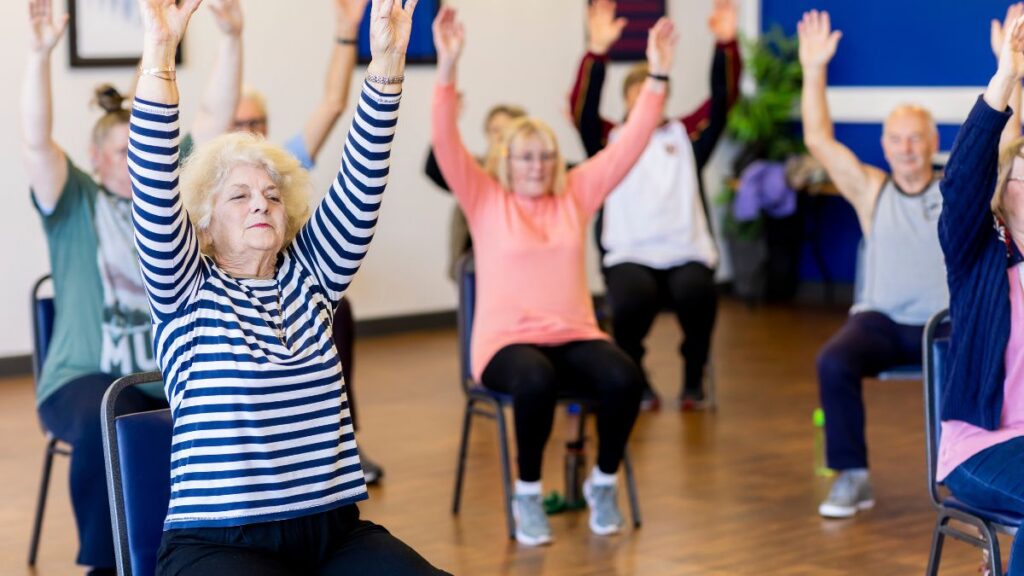
Exercise becomes easier to maintain when it feels like an enjoyable part of life rather than another obligation. Community walking clubs, senior center fitness sessions, and gentle movement classes can provide structure and companionship. Many local programs are free or available at a modest cost.
Older adults can choose activities that match their physical abilities and comfort levels. Chair exercises, gentle stretching, water activities, and balance programs may be useful options depending on individual needs. Consistency matters more than competition or keeping up with younger participants.
Why it helps: Physical activity can support strength, balance, and everyday function. Group participation also provides a reason to leave home and maintain social contact.
Matching Activities to Different Retirement Challenges
| Retirement Challenge | Affordable Activity to Try | Small Starting Goal |
|---|---|---|
| Feeling lonely | Weekly phone call or coffee date | Contact one friend |
| Losing daily structure | Morning walk or gardening | Choose two regular mornings |
| Missing a sense of purpose | Volunteering | Explore one local opportunity |
| Feeling mentally unstimulated | Library class or new skill | Learn something for 20 minutes |
| Becoming less active | Gentle group exercise | Attend one suitable session |
| Missing family traditions | Cooking and sharing recipes | Prepare one familiar meal |
There is no need to attempt everything at once. Choosing an activity that addresses the part of retirement that feels most difficult can make the change more manageable.
11. Helping Younger People With Skills They Already Know
Many retirees have decades of practical knowledge that remains valuable long after their working years end. They may understand budgeting, home repairs, gardening, office work, cooking, or raising a family. Sharing those skills can remind them that experience still has a place in the community.
A retired mechanic could help a younger neighbor understand basic vehicle maintenance. A former office worker might assist someone with a résumé or job interview preparation. Even teaching a grandchild how to sew on a button can turn an ordinary afternoon into something meaningful.
Why it helps: Mentoring creates a sense of usefulness without requiring paid employment. It can also build relationships between generations and help older adults see the continuing value of their experience.
12. Exploring Nearby Places They Never Had Time to Visit

Retirement travel is often presented as something that requires expensive flights, hotels, and months of planning. But discovering something new can happen surprisingly close to home. A different neighborhood, a public garden, a historic landmark, or a free museum day may provide a welcome change of scenery.
A retiree could choose one nearby destination each month and invite a friend along. Some outings might involve nothing more than visiting a scenic park and bringing lunch from home. The pleasure often comes from breaking familiar patterns rather than spending money.
Why it helps: Small local outings give people something to anticipate and provide new experiences to discuss. They can make retirement feel more open without putting pressure on a fixed income.
13. Creating One Weekly Tradition That Gives Life Something to Look Forward To

One of the hardest parts of retirement can be losing the familiar structure of the workweek. Monday begins to feel like Saturday, and the days can blend together without clear plans. Creating a small tradition can restore that comforting sense of rhythm without bringing back the pressure of working life.
The tradition might be Sunday breakfast with family, Friday cards with friends, Wednesday visits to the library, or Saturday mornings at a farmers market. It does not need to be exciting or expensive. What matters is having a dependable activity that feels enjoyable and worth protecting.
Why it helps: Regular traditions offer connection, structure, and anticipation. They give ordinary weeks a little shape while leaving plenty of room for rest and personal freedom.
Why Small Activities Can Matter More Than Expensive Retirement Plans
Retirement happiness is not determined by the number of vacations someone takes or the amount of money spent on entertainment.
A comfortable financial position can reduce stress, but it cannot automatically replace friendships, meaningful routines, or the feeling of being useful. Those parts of life often need attention after the structure of employment disappears.
For some older adults, the biggest challenge is loneliness. Others miss movement, conversation, personal goals, or having someone depend on them. The most useful activities are often those that address what has been missing rather than simply adding more events to the calendar.
A person who already enjoys quiet time may not need another social gathering. Someone struggling with mobility may benefit more from an accessible exercise class than a demanding outdoor activity. Retirement becomes more satisfying when people have room to make choices that fit their own needs and abilities.