

For years, owning a home has been treated as one of the biggest signs of financial success. But some retirees with plenty of savings are making a surprising choice. They are selling their homes and becoming renters, even when they could easily afford to buy another property.
The reason is not always money trouble. For some, renting offers something they value more than owning: fewer responsibilities, greater freedom, and more control over how they spend their retirement years.
Why Renting Is Becoming an Option for Financially Comfortable Retirees
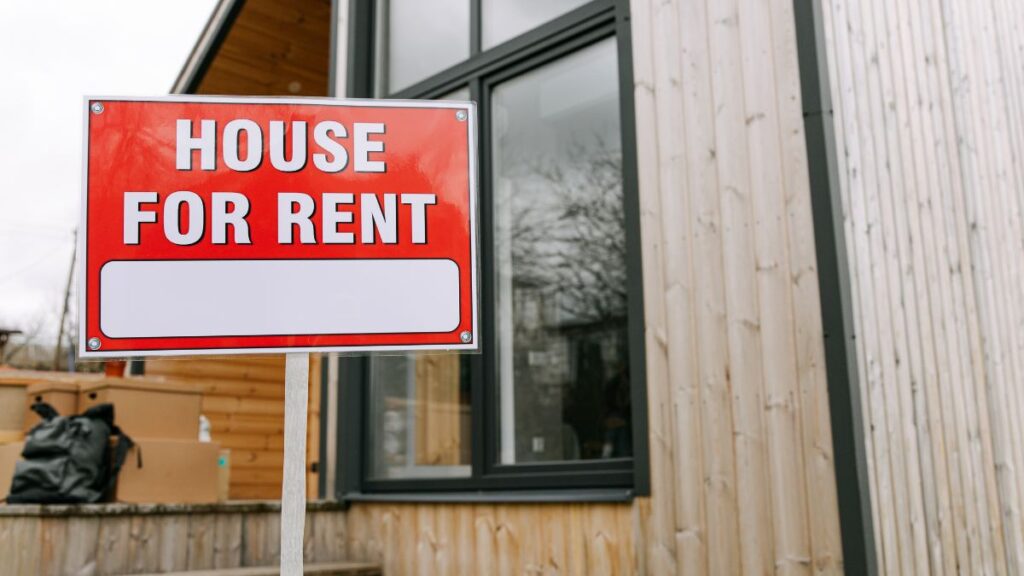
Most older Americans still prefer homeownership. According to the Federal Reserve’s 2026 report, 83% of adults aged 60 and older owned their homes in 2025.
Yet that leaves a smaller group who rent, including some who have the financial resources to purchase a property. Their reasons can be very different from those of younger renters who are struggling to save for a down payment.
Some financially comfortable retirees have already spent decades owning homes. They have paid mortgages, replaced roofs, maintained yards, and dealt with expensive repairs.
Now they are questioning whether they want to continue doing those things. For them, retirement is an opportunity to simplify their living arrangements rather than maintain a property for another 20 years.
The decision often comes down to one important question: Do you want your retirement wealth tied to a house, or would you rather have more freedom to use it elsewhere?
1. They Want Their Money Available Instead of Locked Inside a House

A retiree can have a valuable home and still feel short of cash. A paid off house worth $600,000 may represent a large share of someone’s wealth, but that money cannot easily pay everyday bills unless the owner sells, borrows against it, or finds another way to access the equity.
Selling can change that situation. After paying selling expenses, taxes if applicable, and any remaining mortgage, the retiree may have a substantial amount of money available for savings, investments, travel, or future care.
That money does not become extra wealth simply because the house was sold. The retiree has exchanged one asset for another, and the proceeds must now help cover housing and other future expenses.
Still, having more accessible assets can be useful during retirement. Medical bills, family emergencies, and changing care needs are often easier to handle when money is not concentrated in one property.
For some wealthy retirees, this financial flexibility is more appealing than owning another expensive home.
2. They Are Finished Paying for Repairs and Maintenance

Owning a home can feel rewarding when you are 45 and enjoy improving your property. The experience may be quite different at 75, especially when household projects become physically demanding.
Roofs wear out, heating systems fail, and plumbing problems rarely happen at convenient times. Even homeowners who hire professionals must arrange appointments, compare estimates, supervise repairs, and pay the bills.
Renting can remove much of that responsibility. In a typical rental arrangement, the landlord handles major building repairs and essential maintenance, although the exact duties depend on the lease and local law.
Consider the difference between two retirement mornings. One homeowner spends several hours finding a contractor to repair a leaking roof, while a renter reports a maintenance problem and continues with the day’s plans.
The renter may still face delays or poor service. But many retirees appreciate no longer being personally responsible for every major repair.
3. They Prefer a Smaller Home That Fits Their Current Life
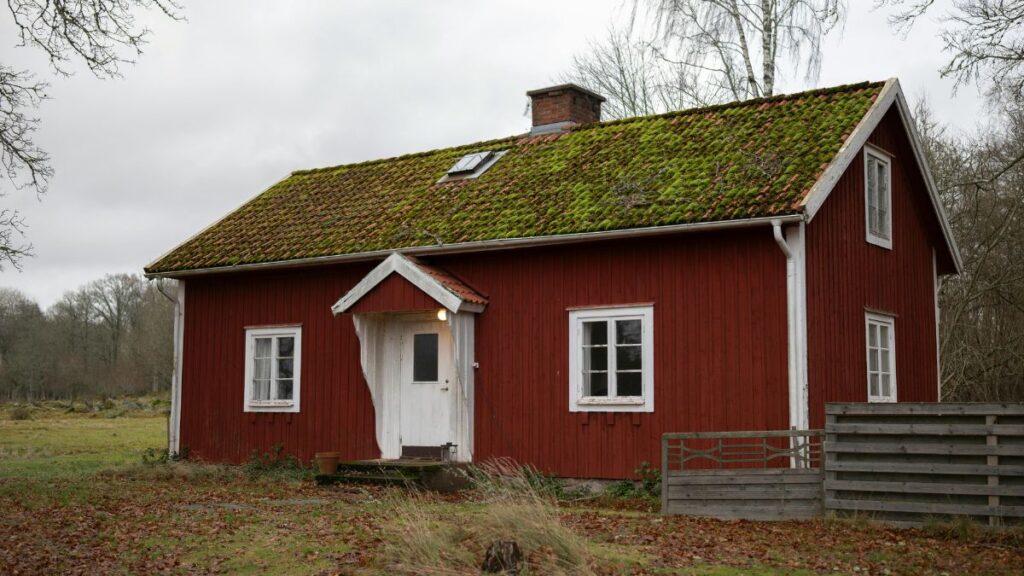
A large family home can become unnecessary after children move away. Bedrooms remain empty, storage areas fill with forgotten belongings, and maintaining unused space starts to feel like work.
Some retirees respond by purchasing a smaller house or condominium. Others choose to rent because they want a simpler home without taking on another long ownership commitment.
A comfortable apartment may offer everything they regularly use. One or two bedrooms, an accessible bathroom, nearby parking, and enough room for visitors can be more practical than a large property.
A smaller home can also mean less cleaning and fewer household chores. That gives retirees more time for activities they actually enjoy.
The benefit is not necessarily lower costs. A modern apartment in a desirable neighborhood may have expensive rent, but some well off retirees willingly pay for convenience.
4. They Can Move Closer to Family Without Making a Permanent Commitment

Retirement often changes where people want to live. Someone who once chose a neighborhood because it was close to work may now care more about grandchildren, medical services, friends, or community activities.
Renting offers a way to test a new location before making a major commitment. A retired couple could lease an apartment near their adult children for a year and see how the arrangement works.
They might discover that they love being nearby. They could also realize that the area is too expensive, too crowded, or less convenient than expected.
Buying a home immediately makes changing plans more difficult. Selling property can involve fees, paperwork, market uncertainty, and months of preparation.
Renting provides a way to experiment with a new location. For retirees whose plans may change, that flexibility can have real value.
5. They Want to Spend More Time Traveling and Less Time Managing Property

Some financially comfortable retirees have spent years waiting for the freedom to travel. Once they stop working, they may want to spend several months visiting family, exploring other states, or staying in warmer places during winter.
Owning a house does not prevent travel. However, a house still needs attention while its owners are away.
Mail must be collected, yards need care, insurance requirements must be followed, and unexpected repairs may require someone to visit the property. Leaving a large home empty for months can also create security concerns.
Renting a smaller apartment may reduce these problems, especially when the building offers maintenance and security services. It does not remove every responsibility, but it may make longer absences easier to manage.
Some retirees also choose furnished rentals for part of the year. This approach can allow them to live in different places without buying multiple properties.
6. They Want Housing Costs That Are Easier to Plan Around
Homeownership has a financial advantage that renting cannot always match. Someone with a fixed rate mortgage has a predictable principal and interest payment, while a retiree with no mortgage may have relatively low monthly housing expenses.
But homeownership includes costs beyond the mortgage. Property taxes, insurance, maintenance, repairs, and association fees can increase over time.
A renter usually knows the required rent for the current lease period. Major structural repairs are generally not an additional bill paid directly by the tenant.
That can make short term budgeting simpler. However, renters must prepare for rent increases and lease changes, which can make costs less predictable over many years.
| Housing Expense | Homeowner | Renter |
|---|---|---|
| Property taxes | Pays directly | Usually included indirectly in rent |
| Building insurance | Pays directly | Landlord generally covers the building |
| Major repairs | Usually responsible | Generally landlord’s responsibility |
| Monthly housing payment | Mortgage or none | Rent |
| Routine maintenance | Often responsible | Depends on lease |
| Future cost increases | Taxes, insurance, repairs, fees | Rent increases and fees |
| Property appreciation | May benefit | Does not receive it |
The important point is that renting does not eliminate housing expenses. It changes which costs retirees pay directly and which costs are included in the rent.
7. They Can Choose a Neighborhood They Could Not Easily Afford to Buy In

Some retirees want to live in areas where purchasing a home would require a major financial commitment. These may include neighborhoods near beaches, cultural attractions, medical centers, shopping areas, or busy downtown districts.
Renting can provide access to such locations without requiring a large purchase. A retiree might be comfortable paying a premium for a well located apartment while keeping most savings invested elsewhere.
The location itself can improve daily life. Being able to walk to restaurants, parks, and social activities may reduce dependence on driving.
That becomes especially meaningful when driving becomes less appealing with age. A good location can help retirees remain socially active and manage everyday errands.
Of course, high demand neighborhoods often have expensive rents. The decision works best when the cost fits comfortably within a long term retirement plan.
8. They Prefer Amenities Without Owning the Entire Property

A large home may offer privacy, but it can also require owners to provide everything themselves. A swimming pool, fitness space, landscaped garden, or security system creates additional maintenance and expense.
Some rental buildings provide these features as part of the living arrangement. Depending on the property, residents may have access to fitness rooms, elevators, shared gardens, security services, and community spaces.
For a retiree who enjoys staying active, these amenities may make everyday life more convenient. They can also create opportunities to meet neighbors.
Still, renters should check which amenities are included in the rent. Parking, storage, community activities, and other services may cost extra.
A building that looks affordable at first can become much more expensive once all fees are included.
9. They Want More Freedom as Their Health and Needs Change

The home that works at 65 may not be ideal at 85. Stairs, narrow doorways, difficult bathrooms, and long distances from medical services can become harder to manage.
A homeowner may need to spend money on major modifications. In some cases, moving to a more suitable property becomes the better option.
Renting can make it easier to choose housing that fits current needs. A retiree may move from a traditional apartment into an accessible building or a community that offers additional support.
However, moving is never effortless. Finding suitable housing can be difficult, and frequent moves can become tiring or expensive.
This is why retirees should think about accessibility before problems develop. Elevators, step free entrances, bathroom design, transportation, and nearby services may matter more than luxury finishes.
10. They No Longer See Homeownership as a Measure of Success

For many people, buying a house represented reaching an important milestone. It offered pride, security, and proof that years of hard work had paid off.
Some retirees continue to value that achievement. Others begin to see financial success differently after leaving the workforce.
They may care less about owning expensive property and more about having enough money, time, and freedom to live comfortably. A rented apartment can meet those goals just as well as a privately owned house.
A retiree with substantial savings and a secure retirement income is not necessarily less successful because the home is rented.
The real question is whether the living arrangement supports financial stability and personal comfort. A property deed is only one possible way to achieve those things.
What Renting Can Cost Compared With Keeping a Paid Off Home
Before selling a home, retirees should compare actual numbers rather than assuming that renting will be cheaper. The results can be surprising, especially for someone who already owns a property without a mortgage.
Consider a hypothetical retiree living in a paid off house worth $500,000. The person is considering selling and moving into a rental apartment.
| Annual Expense | Paid Off Home | Rental Apartment |
|---|---|---|
| Mortgage payment | $0 | $0 |
| Rent | $0 | $32,400 |
| Property taxes | $6,000 | Included in rent |
| Building insurance | $3,000 | Included in rent |
| Renters insurance | $0 | $300 |
| Maintenance budget | $6,000 | Major repairs generally included |
| Estimated annual cost | $15,000 | $32,700 |
These figures are illustrations, not national averages or quotes for a particular property. They exclude utilities, moving costs, selling expenses, investment results, possible association fees, and changes in home value.
In this example, renting costs $17,700 more each year in direct housing expenses. However, selling the house could free substantial equity after expenses, which the retiree might save or invest.
That creates another factor to consider. The money tied up in the house could potentially earn investment returns elsewhere, but those returns are uncertain and may be reduced by taxes or losses.
The homeowner may also benefit from rising property values. Neither option is automatically the better financial choice.
The Biggest Risks Well Off Retirees Should Not Ignore
Renting can provide convenience and freedom, but it also introduces risks that homeowners may not face in the same way. These problems become more important when retirement could last another 20 or 30 years.
Rent Increases Can Eat Into Retirement Income
A rental payment that feels comfortable at 65 may become difficult at 80. Even modest increases add up over long periods.
For example, a $2,500 monthly rent that rises by 3% annually would reach about $3,900 after 15 years. That is a hypothetical illustration, not a prediction of future rents.
Retirees should make sure their financial plan can handle higher housing costs. Having enough income for the first year is not enough.
A Landlord May Decide Not to Renew the Lease
Homeowners generally have greater control over how long they remain in their homes, provided they meet their financial and legal obligations. Renters depend on lease terms and applicable tenant protections.
A landlord may sell the building, renovate the property, or decline to offer another lease where permitted by law. These situations can lead to unexpected moving expenses.
Longer leases and strong local tenant protections can reduce some uncertainty. They do not guarantee that a retiree can remain in the same property forever.
Retirement Savings Can Be Spent Faster Than Expected
Selling a valuable home may create the feeling of having a large amount of available money. But the sale proceeds may need to support housing costs for decades.
A retiree who begins spending freely without adjusting the financial plan could face problems later. This is especially important when investment markets perform poorly or medical expenses increase.
Selling a home should be part of a wider retirement income decision. The goal is to support future spending without creating new financial pressure.
Renting May Offer Less Personal Control
Renters may face restrictions on renovations, pets, decorating, or changes to the property. They may also need permission for certain accessibility improvements.
Some people find these limits frustrating after decades of owning a home. Others happily accept them in exchange for fewer maintenance responsibilities.
Before signing a lease, retirees should check whether the property allows the activities and changes that matter to them.
Why Renting Can Be More Dangerous for Retirees With Limited Savings

The rental choice looks very different for someone with substantial assets than for someone living mainly on a small fixed income. Financially comfortable retirees may have resources to absorb rent increases or move when necessary.
A retiree with limited savings may have fewer choices. Rising rent could compete directly with food, medicine, transportation, and other essential expenses.
Research from Harvard’s Joint Center for Housing Studies found that 58% of renter households headed by someone aged 65 or older were housing cost burdened in 2023. That means they spent more than 30% of household income on housing.
The research also found that older homeowners with mortgages faced significant affordability pressure. Housing can be financially difficult whether someone rents or owns.
This is why renting should never be described as automatically safer, easier, or cheaper. Financial resources and local housing conditions make a major difference.
When Keeping Your Home May Be the Smarter Decision
Renting has advantages, but there are situations where keeping an existing home makes more sense. A paid off property in good condition can provide housing at a cost that is difficult to match in the rental market.
If the home already fits your physical needs and is close to family and services, moving may offer little benefit. Selling would also bring transaction expenses and possibly tax consequences.
Homeownership can provide greater protection from certain housing changes. While property taxes, insurance, and repairs can increase, owners are generally not exposed to annual rent negotiations.
Keeping a home may also matter to someone who wants to leave property to children or grandchildren. The house can be part of a wider estate plan, although heirs may have different wishes about keeping it.
In some cases, the best solution is neither renting nor remaining in a large family home. Purchasing a smaller, accessible property may offer a comfortable middle ground.
Renting or Owning: Which Retirement Lifestyle Fits You?
| Your Retirement Priority | Renting May Fit Better | Owning May Fit Better |
|---|---|---|
| Moving to another city soon | Yes | Less flexible |
| Avoiding major repair duties | Often | Less likely |
| Staying in one place for decades | Depends on lease stability | Often |
| Keeping a large amount of cash available | Potentially | More equity tied to property |
| Making permanent home improvements | Limited | Greater freedom |
| Leaving a house to family | No property to leave | May support estate goals |
| Reducing daily property management | Often | Depends on home |
| Managing rent increases | More exposure | No rent, but other costs can rise |
This comparison describes common differences rather than guarantees. Property type, local laws, personal finances, and the expected length of retirement can change the outcome.
Six Questions to Ask Before Selling Your Home and Renting
A decision this large deserves more than a quick comparison between monthly rent and the mortgage payment. Retirees should consider what the choice could mean over the next 10, 20, or 30 years.
- Can my retirement income support future rent increases? Review the budget using several possible rent increases, not just today’s payment.
- How much money will actually remain after selling my home? Account for agent fees, closing costs, outstanding debt, moving expenses, and possible taxes.
- What will I do with the money from the sale? Create a plan for cash reserves, investments, withdrawals, and future housing expenses.
- What happens if I need a different home in five years? Consider mobility problems, medical needs, family changes, and the cost of moving again.
- Can I tolerate having less control over my housing? Think about lease renewals, rules, possible landlord changes, and limits on home improvements.
- Am I moving because it improves my life or because I am tired of one temporary problem? A difficult repair or expensive tax bill may be frustrating, but selling a long held property is a permanent financial decision that deserves careful thought.
A useful approach is to compare three possibilities: staying in the current home, purchasing a smaller property, and renting. Looking at all three can reveal choices that a simple rent versus own comparison might miss.
Is Renting in Retirement Really a Sign of Financial Freedom?
For some retirees, it can be. Having enough money to choose housing based on comfort, convenience, and personal preference is a form of financial freedom.
But renting itself does not prove that someone is wealthy or financially secure. Millions of older renters face high housing costs, limited choices, and uncertainty about future expenses.
The distinction is the ability to choose. A retiree who can comfortably afford to own but prefers renting may be making a deliberate lifestyle decision.
Someone who must rent because buying is out of reach is facing a different set of circumstances. Neither situation should be judged simply by whether the person owns property.