

Retirement has a strange way of changing what feels valuable. The expensive things that once seemed important can lose their appeal, while a simple purchase can make everyday life noticeably better.
A comfortable pair of shoes, a safer bathroom, or a small service that saves hours each week may bring more satisfaction than another expensive upgrade. These purchases rarely impress anyone, but they can make retirement feel easier and more independent.
And that is what many retirees eventually learn. The best purchases are not always the ones that make life look richer. They are the ones that give you more control over how you live.
Why Small Purchases Can Matter More After Retirement

During your working years, buying something expensive may have felt like a reward for years of effort. Retirement changes the equation because your money may need to support you for decades without a regular paycheck.
That does not mean you should stop spending on things you enjoy. It means each purchase deserves a different question: Will this make my daily life easier, safer, more enjoyable, or more independent?
Financial freedom is not measured only by the size of your savings account. It also includes having enough money to meet your needs, handle surprises, and make choices without constant worry.
Some purchases protect your body. Others protect your time, friendships, or ability to manage life without depending on someone else.
| Purchase Type | What It Can Give You |
|---|---|
| Safety improvements | More confidence moving around your home |
| Comfortable everyday equipment | Less physical strain during normal activities |
| Transportation | More freedom to leave home |
| Learning opportunities | New skills and a stronger sense of purpose |
| Social activities | More chances for meaningful connection |
| Practical services | More time for activities you enjoy |
| Financial improvements | Less debt pressure and greater future flexibility |
The important part is matching your spending to your actual needs. A purchase that changes one person’s retirement may offer little value to someone else.
1. Comfortable Walking Shoes That Make Leaving Home Easier

Many retirees discover that their favorite activities depend on something surprisingly ordinary: being comfortable on their feet.
A good pair of walking shoes can make daily errands, neighborhood walks, shopping trips, and social outings more pleasant. When shoes fit properly and provide suitable support, movement may feel easier and less tiring.
This matters because staying active can help older adults maintain strength, mobility, and everyday function. The CDC generally recommends that adults 65 and older combine aerobic activity, muscle strengthening, and balance activities according to their abilities.
You do not need the most expensive shoes in the store. You need footwear that fits your feet, feels stable, and works for the activities you actually do.
Why it can be worth the money: Comfortable footwear may help remove one of the small barriers that keeps you sitting at home instead of enjoying your day.
Try shoes on while wearing your usual socks. Walk around the store, check for slipping at the heel, and make sure your toes have enough room.
2. Bathroom Safety Upgrades That Protect Your Independence
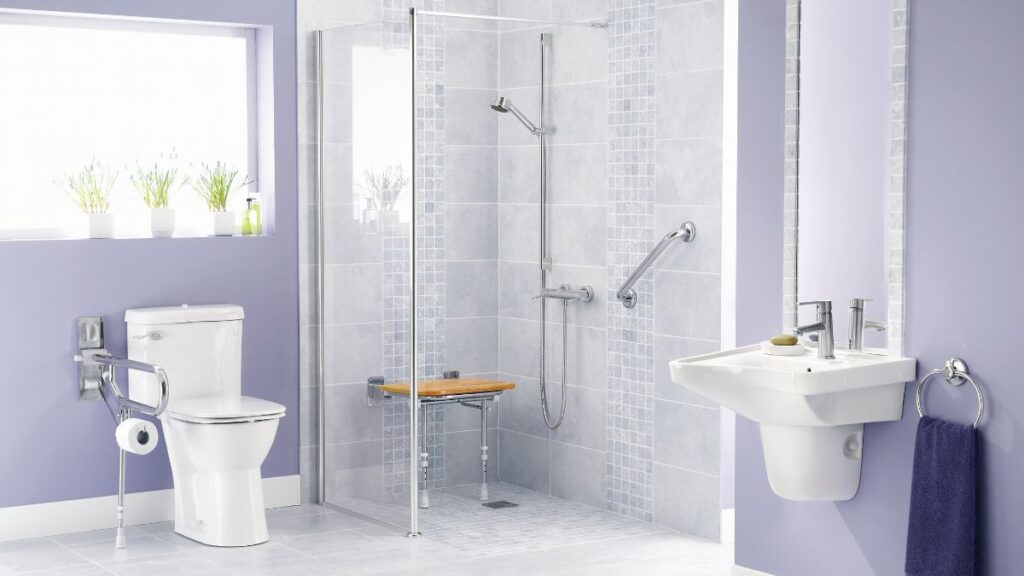
A bathroom can become one of the most difficult places to manage when balance, strength, or mobility changes with age.
Wet floors, slippery tubs, and the need to step over a high bathtub wall can create problems that were easy to ignore years earlier. Small upgrades may help make these everyday tasks safer.
Professionally installed grab bars, suitable nonslip flooring, and a properly fitted shower chair can offer extra support when needed. These are practical purchases that may help older adults remain comfortable in their homes.
There is an important difference between buying something that looks safe and installing equipment that actually provides dependable support. Suction grab bars, for example, should not be treated as a substitute for securely mounted safety bars.
Why it can be worth the money: Making your bathroom easier to use can help preserve privacy, confidence, and control over personal care.
You do not need to remodel the entire bathroom at once. Start by identifying the specific movement or surface that creates the greatest difficulty.
3. Better Home Lighting That Makes Everyday Tasks Easier

Poor lighting can turn ordinary activities into frustrating experiences. Reading instructions, preparing meals, locating medications, or walking through a dark hallway may become harder than necessary.
A few carefully placed lights can improve visibility without requiring an expensive home renovation. Motion activated nightlights, brighter task lamps, and improved lighting near stairs are useful options.
The goal is not to make every room extremely bright. It is to provide enough light where you need it while avoiding glare, harsh shadows, and confusing changes in brightness.
Good lighting can be particularly helpful when getting up at night or moving through rooms with furniture and uneven surfaces.
Why it can be worth the money: Better visibility can make familiar spaces easier to use and may reduce certain household hazards.
Start with the routes you use most often. The path between your bedroom and bathroom may deserve attention before a decorative lamp in the living room.
4. Simple Kitchen Tools That Reduce Daily Physical Strain
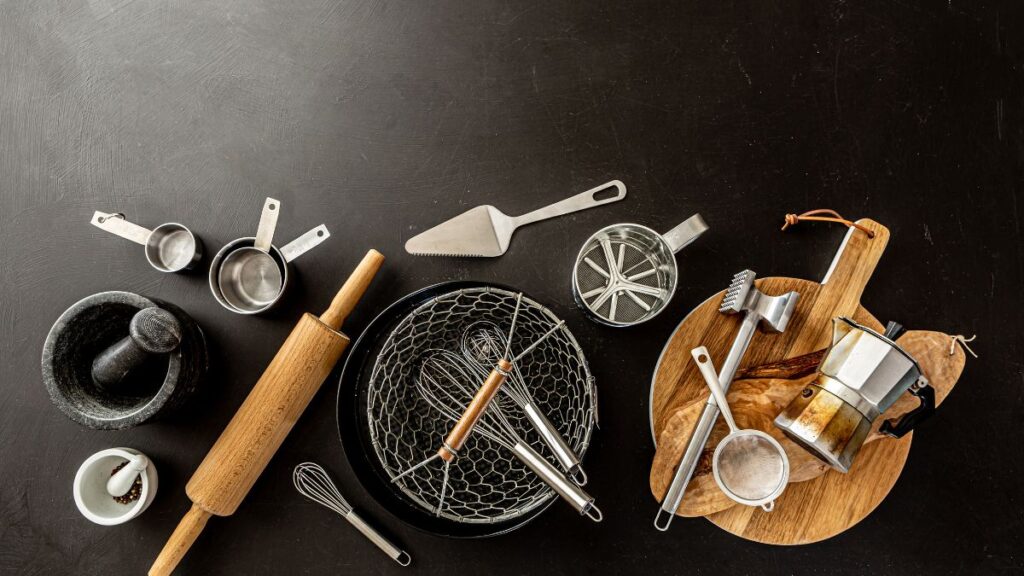
Cooking should not become a painful chore simply because opening jars, lifting heavy pots, or reaching high shelves has become more difficult.
Small kitchen tools can make an important difference. An electric can opener, lightweight cookware, jar opener, or easy grip utensil may reduce the effort involved in preparing meals.
A reacher tool can also help with lightweight objects, although it should never be used to lift something heavy or unstable. Keeping frequently used items within comfortable reach is often just as useful.
These changes may seem minor to someone who has never struggled with hand strength or joint movement. For a retiree who wants to keep preparing meals independently, however, they can be meaningful.
Why it can be worth the money: The right tools make daily tasks less demanding and can help you keep doing things for yourself.
Before buying another kitchen gadget, identify the task that currently causes the most frustration. Choose something that solves that problem rather than adding clutter to your cabinets.
5. A Small Exercise Investment That Helps You Stay Active
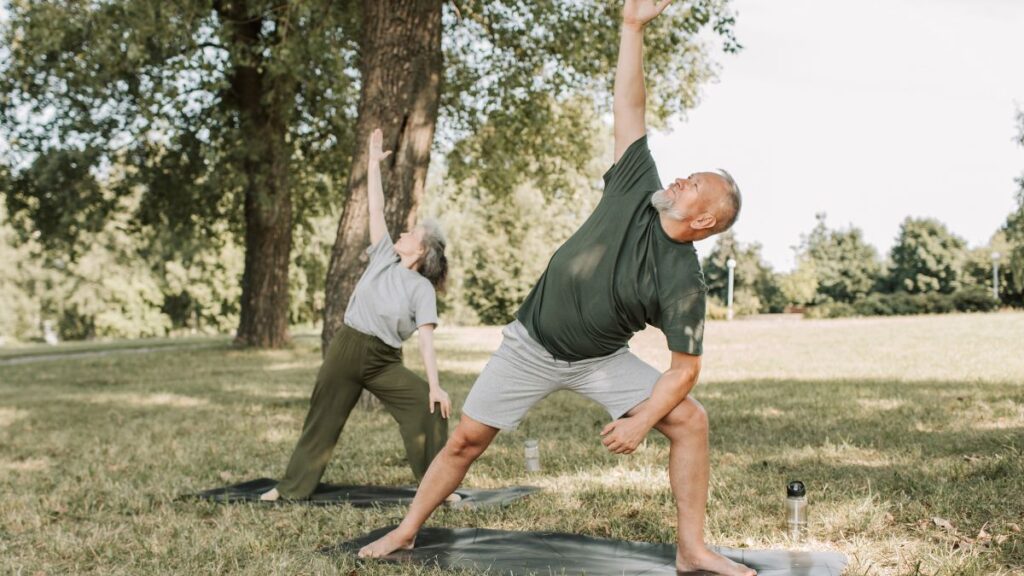
Expensive fitness equipment is rarely necessary for building a useful movement routine in retirement.
Resistance bands, a supportive exercise mat, or a low cost community fitness class may provide enough variety to encourage regular activity. What matters most is choosing movements that match your health, strength, and balance.
Muscle strengthening becomes particularly important as people age because strength supports everyday tasks. Getting out of a chair, carrying groceries, climbing stairs, and maintaining balance all depend partly on physical function.
For some retirees, spending money on instruction is better than buying equipment. A qualified instructor or physical therapist can help identify suitable exercises, especially when medical conditions or mobility limitations are involved.
Why it can be worth the money: A manageable exercise routine can help support the physical abilities that allow you to make your own daily choices.
Start small and choose something you will actually use. Equipment sitting untouched in a closet provides no benefit, regardless of how little it cost.
6. Reliable Transportation That Keeps Your World Open
Giving up driving or driving less does not have to mean giving up independence.
A local transit pass, a small budget for rides, or membership in a community transportation program can help older adults continue shopping, visiting friends, attending appointments, and taking part in activities.
Transportation matters because independence is about choices, not simply doing everything without assistance. Having a dependable way to reach places can preserve freedom even when driving becomes difficult.
It may also protect social connections. A retiree who can reliably attend a weekly lunch, visit the library, or join a community group has more opportunities to remain involved in everyday life.
Why it can be worth the money: Transportation spending can help protect access to people, services, and activities that make retirement meaningful.
Compare local public transportation, senior ride programs, and other affordable options. A little money set aside for transportation each month may be more useful than paying to maintain a second vehicle that rarely gets driven.
7. A Phone Setup That Makes Staying Connected Simple

A smartphone is useful only when you can comfortably use it.
Small accessories such as a sturdy phone stand, reliable charging cable, or comfortable headset can make calls and video conversations easier. Some retirees may benefit from a device with a larger screen or simpler controls.
The greatest value is often social rather than technical. A phone that is easy to use can help you stay connected with friends, relatives, neighbors, and people who live far away.
The National Institute on Aging distinguishes between living alone and feeling lonely. A person can live independently while maintaining strong social relationships, especially when regular contact is part of their routine.
Why it can be worth the money: Simple communication tools can make it easier to maintain relationships without leaving home every time you want to talk.
You do not need to buy the newest phone. Before upgrading, try increasing text size, simplifying the home screen, and learning the features your current device already offers.
8. Regular Coffee Dates and Small Shared Meals
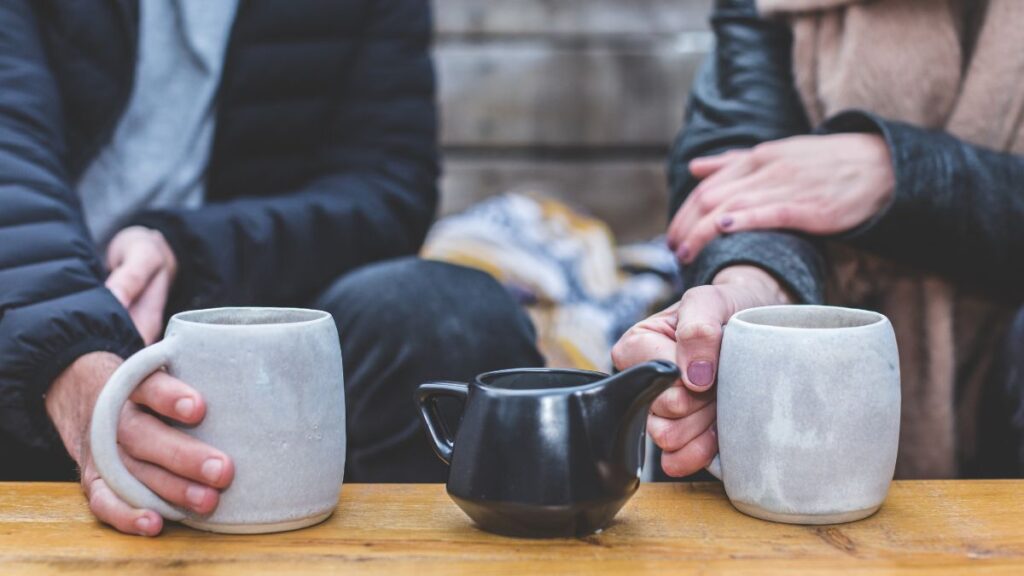
Some retirement purchases do not involve bringing anything home.
Paying for coffee with an old friend, inviting someone to a simple lunch, or buying ingredients for a shared dinner can create moments worth remembering. The food or drink may be inexpensive, but the conversation can mean much more.
Retirement often removes the social contact that happened naturally at work. Without coworkers, lunch breaks, and familiar routines, friendships may require more deliberate effort.
Regular social activities can help create a sense of belonging. They also give the week structure and provide something enjoyable to look forward to.
Why it can be worth the money: Spending a little on meaningful time with people you care about may provide more lasting satisfaction than buying another item for your home.
You do not need a restaurant reservation every week. A homemade sandwich, a walk in the park, or tea at the kitchen table can create the same opportunity to connect.
9. A Short Course That Gives Your Mind Something New to Do

Retirement does not mean your learning years are finished.
A community class, beginner computer course, music lesson, or practical workshop can introduce useful skills and enjoyable challenges. Some retirees enjoy learning a language, while others prefer gardening, photography, cooking, or woodworking.
The value extends beyond possible financial returns. Learning can provide a sense of progress at a stage of life when work promotions and career goals are no longer part of the calendar.
Classes may also create opportunities to meet people with similar interests. That combination of learning, social contact, and purpose can make ordinary weeks more satisfying.
Why it can be worth the money: Spending on knowledge can create opportunities that continue long after the class ends.
Start with something inexpensive and manageable. Community centers, adult education programs, and local colleges may offer suitable options without requiring a large commitment.
10. Paying for Help With Tasks That Steal Your Time

For many years, doing everything yourself may have seemed like the smartest way to save money.
But retirement introduces another resource worth protecting: your remaining time and energy. Spending an entire weekend cleaning difficult areas, fixing a complicated appliance, or struggling with yard work may no longer feel worthwhile.
Paying occasionally for housekeeping, lawn care, grocery delivery, or a qualified repair professional can make sense when the cost fits your budget.
This does not mean every household chore should become a paid service. Many people enjoy gardening, cleaning, and home maintenance because those activities provide movement and satisfaction.
Why it can be worth the money: Paying for help with tasks you find difficult or unpleasant can free up time for things you enjoy.
Look at the tasks that leave you especially tired, frustrated, or worried about injury. Those are often better candidates for paid help than activities you still enjoy doing yourself.
11. A Small Investment That Builds Future Financial Choice
Some of the most meaningful purchases are not objects you can place on a shelf.
For retirees who have enough emergency savings and can afford investment risk, buying a small amount of a diversified, low cost investment fund may support future financial goals.
The principle is simple. Instead of using every spare dollar to buy something that loses value, you may be able to direct part of your money toward assets with potential for long term growth or income.
However, investment ownership comes with risks. Stocks can lose value, investment income is not guaranteed, and money needed for near term living expenses generally should not be exposed to unnecessary market swings.
A retiree depending on savings for essential bills may need to prioritize accessible cash and suitable lower risk assets instead.
Why it can be worth the money: Thoughtful investing can help some retirees support future spending needs without continually exchanging money for possessions.
The amount matters less than whether the decision fits your retirement income, savings, risk tolerance, and time horizon. Consider qualified financial guidance before making changes to an existing retirement plan.
12. Extra Debt Payments That Buy Back Your Monthly Freedom
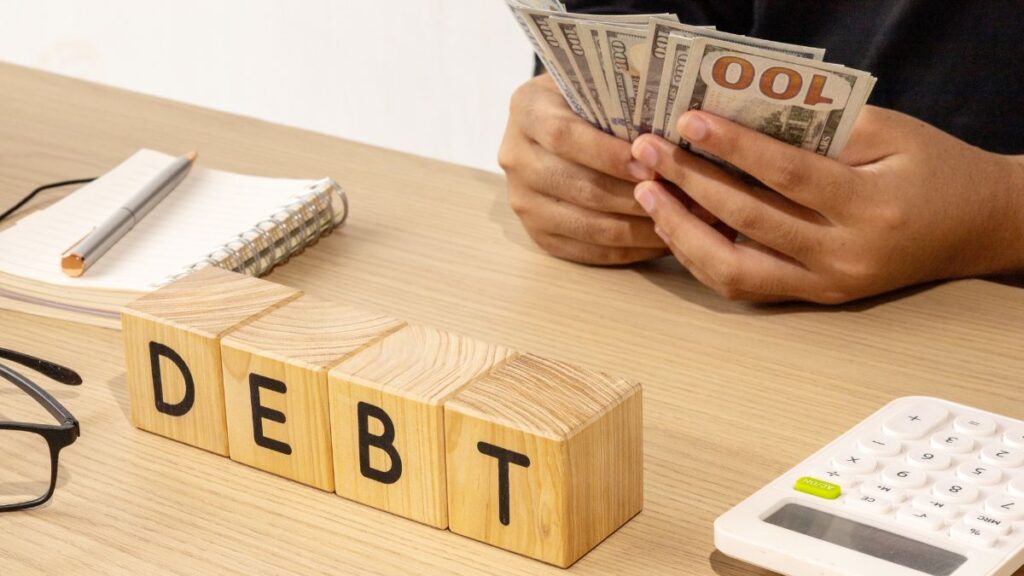
One of the most valuable things you can buy in retirement is relief from an expensive monthly obligation.
High interest credit card balances and costly consumer loans can consume money that could otherwise support groceries, hobbies, savings, or time with family. Making an additional principal payment may reduce future interest costs.
Consider a retiree who pays off a credit card and no longer has to make its regular monthly payment. Once that balance is cleared, the money previously committed to the debt becomes available for other needs.
That does not mean every loan should be paid off immediately. Lower interest debt, emergency savings, taxes, and retirement withdrawal rules may change which decision makes the most sense.
Why it can be worth the money: Reducing expensive debt can give you more control over your monthly income and reduce financial pressure.
The benefit is often quiet. There is no impressive new possession to show visitors, but there may be fewer bills to worry about each month.
How to Decide Which Small Purchase Is Worth Making First
The challenge is not finding things to buy. There are thousands of products marketed to older adults, and many promise comfort, safety, or an easier retirement.
The better approach is to identify what currently limits your freedom. A small purchase becomes more valuable when it addresses a problem you encounter regularly.
| If Your Main Problem Is… | Consider Spending On… |
|---|---|
| Feeling unsteady at home | Suitable safety improvements and professional advice |
| Difficulty walking comfortably | Properly fitted footwear |
| Struggling with household tasks | Practical tools or occasional paid assistance |
| Staying home because you cannot drive | Dependable transportation |
| Feeling disconnected from others | Shared activities and easier communication |
| Having too much unstructured time | Classes, hobbies, or community activities |
| Financial stress | Emergency savings or reducing expensive debt |
Before spending, ask yourself three questions.
Will I use this regularly? A purchase you need every day may provide better value than something you use twice a year.
Will it solve a real problem? An inexpensive item that removes a daily frustration can be more worthwhile than an expensive product that merely looks impressive.
Can I afford it without creating another worry? A purchase should not put your rent, food, medical expenses, or emergency savings at risk.
Those questions help distinguish useful purchases from spending that creates more work, more bills, or more clutter.
Why Buying Less Can Sometimes Give You More Freedom
There is a powerful difference between owning things that support your life and owning things that demand constant attention.
A larger vehicle might bring higher insurance, maintenance, and fuel expenses. A bigger home might require more cleaning, repairs, and property taxes.
Neither purchase is automatically wrong. But every additional responsibility can use money and time that might otherwise support the retirement you want.
This is why financial security and personal freedom are closely connected. Having manageable expenses, accessible savings, suitable housing, and fewer financial obligations can create more room for personal choices.
A modest home that is easy to maintain may provide more comfort than a large house that creates constant worry. A dependable older vehicle may serve you better than a newer one with a payment you dislike.