

What if some of the foods you have been told to avoid were actually part of a 108-year-old woman’s daily routine?
While many people spend money on expensive supplements and special diets, Hattie May has a much simpler story to tell.
Her favorite foods include strong black coffee, whole eggs, sardines, and even red meat. Some of her choices might surprise anyone who follows modern health trends.
Hattie May describes herself as a 108-year-old woman who has watched the world change in ways she never expected. She remembers a time before smartphones, modern supermarkets, and the endless stream of nutrition advice people hear today.
1. Black Coffee Has Been Her Morning Tradition Since Her Teenage Years

Hattie May says she began drinking black coffee when she was about 16 years old. More than nine decades later, she still describes a strong cup of coffee as one of her favorite ways to begin the morning.
For her, coffee is more than something to drink. It marks the beginning of another day and provides a familiar routine that has followed her through different stages of life.
Coffee contains caffeine, which can temporarily improve alertness and concentration. It also provides plant compounds called polyphenols, including chlorogenic acids, that have antioxidant activity.
Research has linked moderate coffee consumption with several favorable health outcomes. However, these findings do not prove that coffee itself makes people live longer.
One detail Hattie May feels strongly about is drinking her coffee black. She prefers its natural flavor rather than loading it with sugar and sweetened creamers.
That preference has a practical benefit. Plain black coffee contains very few calories and no added sugar, making it an easy choice for people trying to reduce sweetened drinks.
What you can learn from her habit: If coffee agrees with you, a modest daily serving can fit into a balanced eating pattern. People who experience insomnia, anxiety, heart palpitations, or other caffeine related symptoms may need to limit it or choose decaf.
2. Berries Have Been Her Favorite Natural Sweet Treat
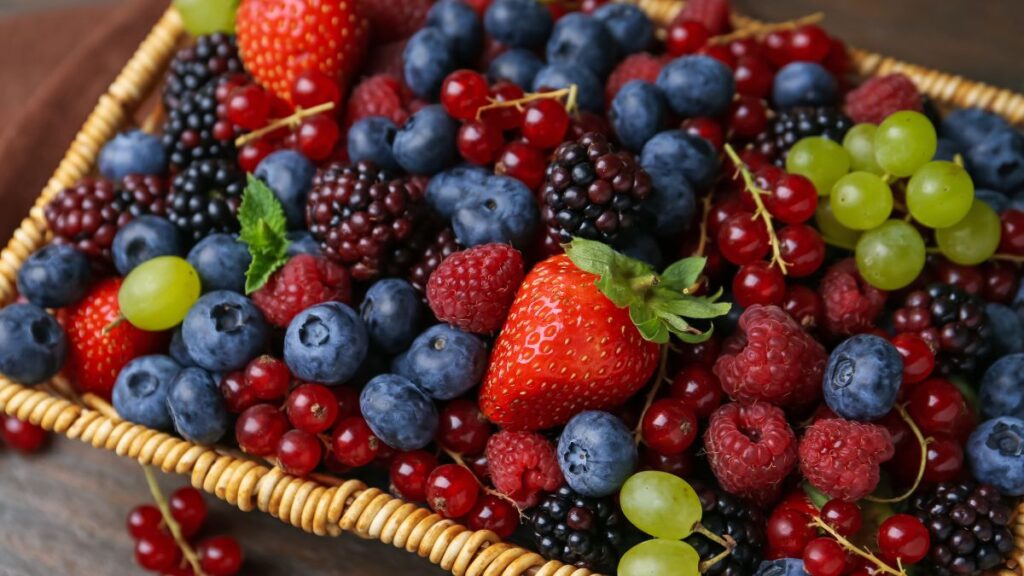
Long before berries appeared in expensive health food packages, Hattie May remembers picking them from bushes near her childhood home in Georgia. Blueberries, blackberries, and raspberries were simple foods that she could enjoy fresh.
Today, she says she still eats a handful of berries each day. The place she gets them has changed, but her appreciation for their natural sweetness has not.
Berries contain fiber, vitamin C, and several plant compounds that support a healthy eating pattern. Many varieties are particularly rich in anthocyanins, the pigments responsible for their deep blue, purple, and red colors.
These compounds have been studied for their antioxidant and anti inflammatory effects. Research also suggests that regularly eating berries may support cardiovascular health as part of an overall balanced diet.
One advantage is that whole berries provide sweetness along with fiber and water. They can satisfy a desire for something sweet without relying on candy or heavily sweetened desserts.
However, berries still contain natural sugars. Their benefits come from the complete fruit rather than the idea that their sugar behaves entirely differently from other carbohydrates.
Frozen berries can also be a practical choice, especially when fresh berries are expensive or unavailable.
What you can learn from her habit: Try adding a small handful of berries to oatmeal, plain yogurt, or breakfast. You do not need exotic varieties or expensive powders to enjoy their nutritional benefits.
3. Sardines and Other Fatty Fish Have Been Part of Her Diet for Years
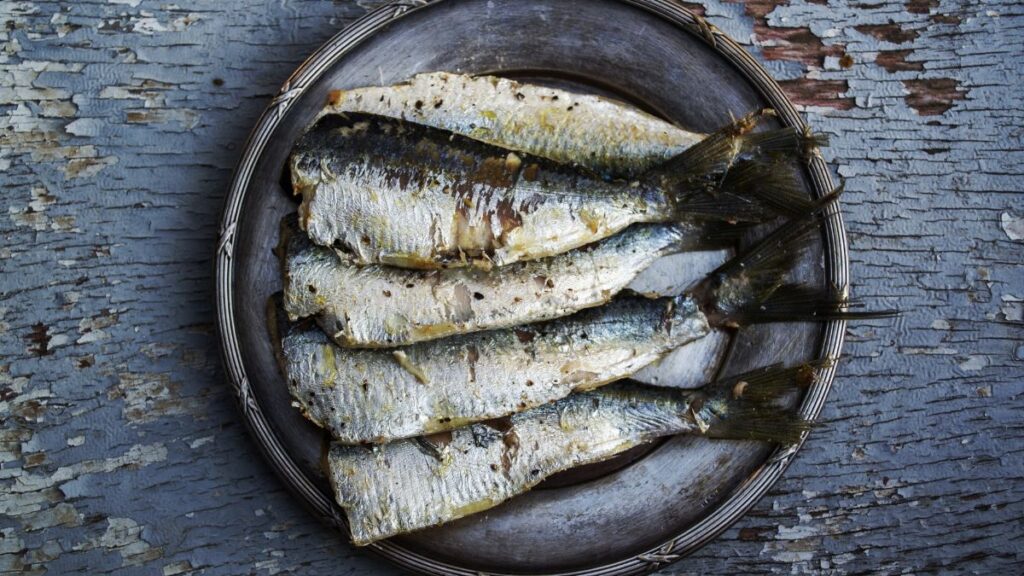
When Hattie May talks about fish, she remembers the affordable meals of her younger years. Salmon was not always easy to find where she lived, but canned sardines were familiar and accessible.
Her husband apparently considered sardines a poor man’s lunch. Hattie May saw them as something far more valuable because they provided nutrition without costing much money.
Sardines, salmon, and mackerel contain omega 3 fatty acids known as EPA and DHA. These fats support normal brain function and play important roles in cardiovascular health.
Fatty fish also provides protein and vitamin B12. Sardines with edible bones can supply calcium, which is especially useful for maintaining bone health as people age.
The American Heart Association generally recommends eating fish, particularly fatty fish, twice a week. This is a practical goal that can work within many different eating styles.
Mercury remains an important consideration, despite Hattie May’s relaxed attitude toward it. Sardines and salmon are generally lower mercury options, while certain large predatory fish should be limited or avoided according to official guidance.
Her story also highlights something often missed in discussions about healthy eating. Nutritious foods do not always have to be expensive.
What you can learn from her habit: Canned sardines or salmon can be convenient sources of protein and omega 3 fats. Choose lower sodium varieties when possible and consider a variety of lower mercury fish.
4. Whole Eggs Have Remained a Breakfast Favorite
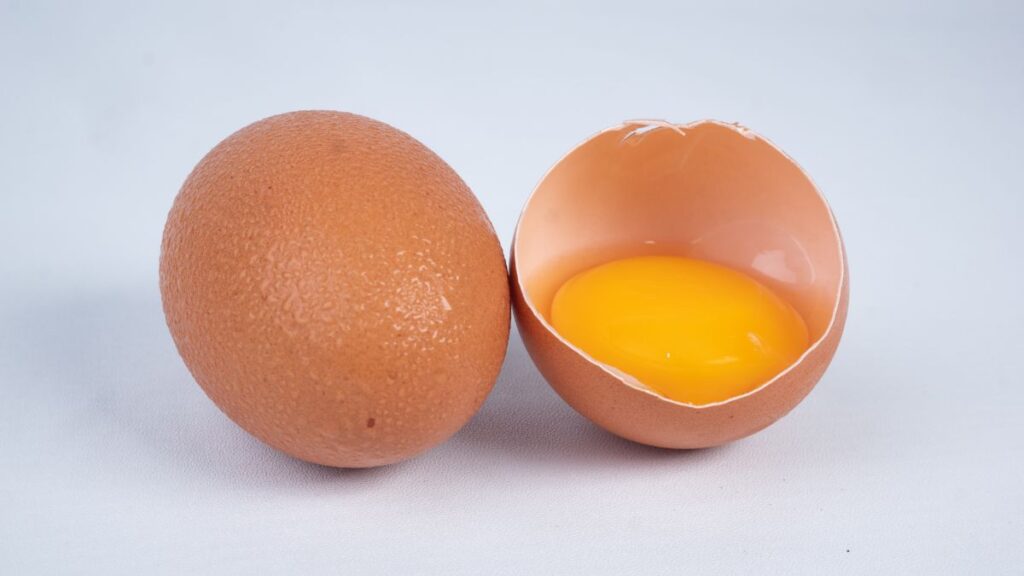
One of Hattie May’s strongest opinions concerns eggs. She remembers the years when people were repeatedly warned that eating egg yolks would harm their hearts.
She never accepted the idea that the yolk should always be thrown away. In her account, she describes eating two whole eggs for breakfast, sometimes fried in bacon grease.
Whole eggs provide high quality protein along with several nutrients that become particularly relevant during older age.
The yolk contains choline, which supports normal brain and nervous system function. Eggs also supply lutein and zeaxanthin, compounds found in the retina that help support eye health.
Protein is another reason eggs can be useful for older adults. Getting enough protein helps maintain muscle as the body changes with age, especially when combined with regular physical activity.
Still, Hattie May’s personal experience should not be treated as proof that two eggs fried in bacon grease are the best breakfast for everyone. Dietary cholesterol, saturated fat, and personal cardiovascular risk deserve consideration.
For many healthy adults, eggs can be part of a balanced diet. The right amount may differ for people with high LDL cholesterol, diabetes, or certain heart conditions.
What you can learn from her habit: Enjoy the whole egg when it fits your health needs, but consider cooking it with a little olive oil instead of bacon grease. Pairing eggs with vegetables and whole grain toast can make breakfast more balanced.
5. Red Meat Has Been One of Her Traditional Sources of Strength
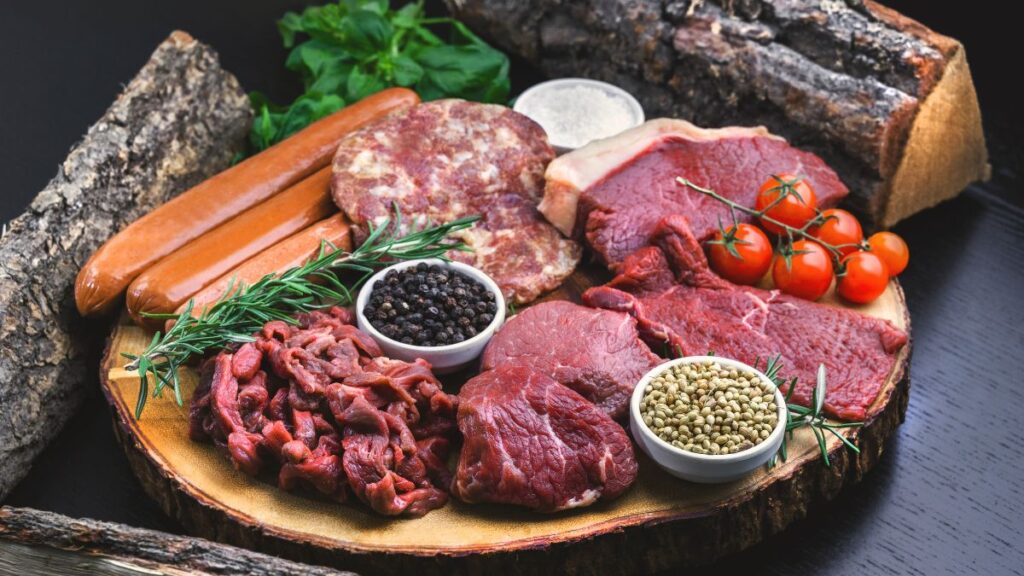
Hattie May is especially outspoken about red meat. She believes that beef, particularly meat from grass fed cattle, has provided important nourishment throughout her life.
Growing up, meat was not always discussed in terms of protein targets and nutrient labels. It was simply one of the foods that helped make a meal filling and satisfying.
Beef contains complete protein, meaning it supplies all nine essential amino acids. It is also rich in vitamin B12, zinc, and heme iron, a form of iron the body absorbs relatively easily.
These nutrients have important jobs. Vitamin B12 supports nerve function and healthy blood cells, while iron helps carry oxygen through the bloodstream.
Protein also helps older adults maintain muscle mass. This becomes increasingly important because age related muscle loss can affect strength, balance, and independence.
However, there is an important difference between recognizing the nutrients in red meat and assuming that eating more is always healthier.
Higher consumption of red meat, particularly processed meat, has been associated with increased risks of certain diseases. Grass fed beef is not exempt from concerns about saturated fat or the effects of frequent red meat consumption.
People can also obtain protein, iron, and B12 through other foods or fortified products, depending on their dietary needs.
What you can learn from her habit: If you enjoy beef, choose lean, unprocessed cuts and moderate portions. Balance them with vegetables, beans, whole grains, and other protein sources rather than relying on red meat every day.
6. Sauerkraut Has Kept Fermented Vegetables on Her Table
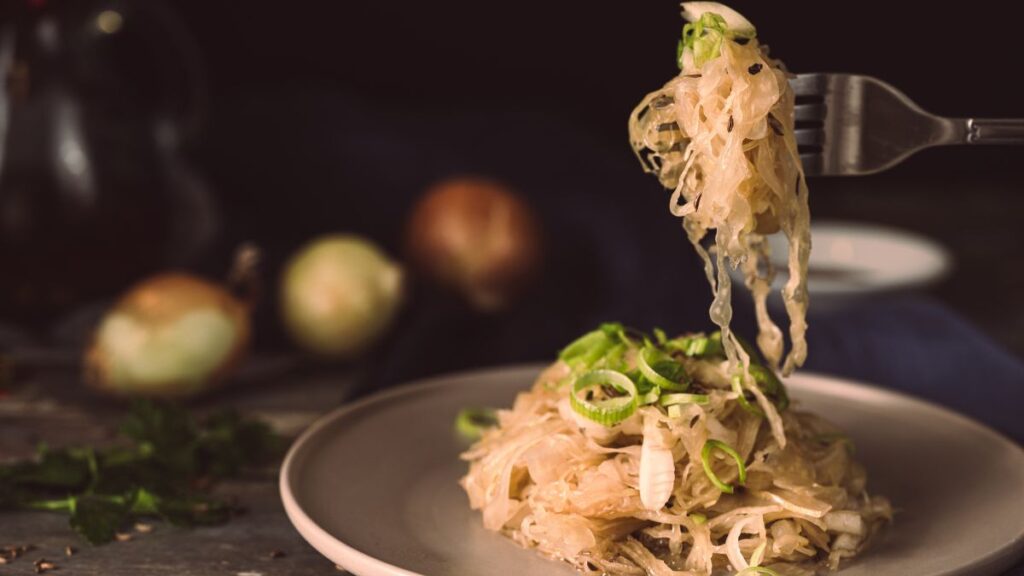
When Hattie May discusses foods that support digestion, sauerkraut is among the first things she remembers. It belongs to an older food tradition in which people preserved vegetables through fermentation.
Sauerkraut is made by allowing beneficial microorganisms to ferment cabbage in a salty environment. This process changes its flavor and produces the tangy taste many people recognize.
Properly fermented sauerkraut can contain live microorganisms. Some varieties may contribute beneficial bacteria to the diet, although the amount and types vary between products.
Cabbage also provides fiber and useful plant nutrients. That means sauerkraut can offer nutritional value even when a particular product does not contain live cultures.
There is one detail worth checking before buying it. Some commercially packaged sauerkraut is heat treated, which can kill the live microorganisms produced during fermentation.
Salt is another consideration. Sauerkraut can be high in sodium, so people who need to limit salt should pay attention to portion sizes and labels.
What you can learn from her habit: If you enjoy tangy vegetables, add a small serving of sauerkraut to an occasional meal. Look for products labeled with live cultures if that is your goal, and choose lower sodium options when available.
7. Fermented Pickles Have Been Another Old Fashioned Favorite

Pickles are another food Hattie May includes when remembering what people ate long before probiotic supplements became popular.
Traditional fermented pickles are made by placing cucumbers in a saltwater brine. Naturally occurring microorganisms convert some of the vegetable’s sugars into acids during fermentation.
That process gives fermented pickles their distinctive sour flavor. When they have not been heat treated, some may also contain live bacteria.
But not every pickle sold in a grocery store is fermented.
Many common pickles are preserved using vinegar. These can still be enjoyable foods, but they do not necessarily contain the live microorganisms associated with traditional fermentation.
This distinction matters because people sometimes assume every sour or pickled product provides the same digestive benefits.
Even fermented pickles are not guaranteed to improve gut health. Research on fermented foods is promising in certain areas, but effects depend on the particular food, microorganisms, and person.
What you can learn from her habit: Choose naturally fermented pickles if you want to try foods containing live cultures. Keep portions modest if sodium is a concern, since fermented and vinegar preserved pickles can both contain substantial amounts of salt.
8. Cultured Buttermilk Reminds Her of Simple Foods From the Past
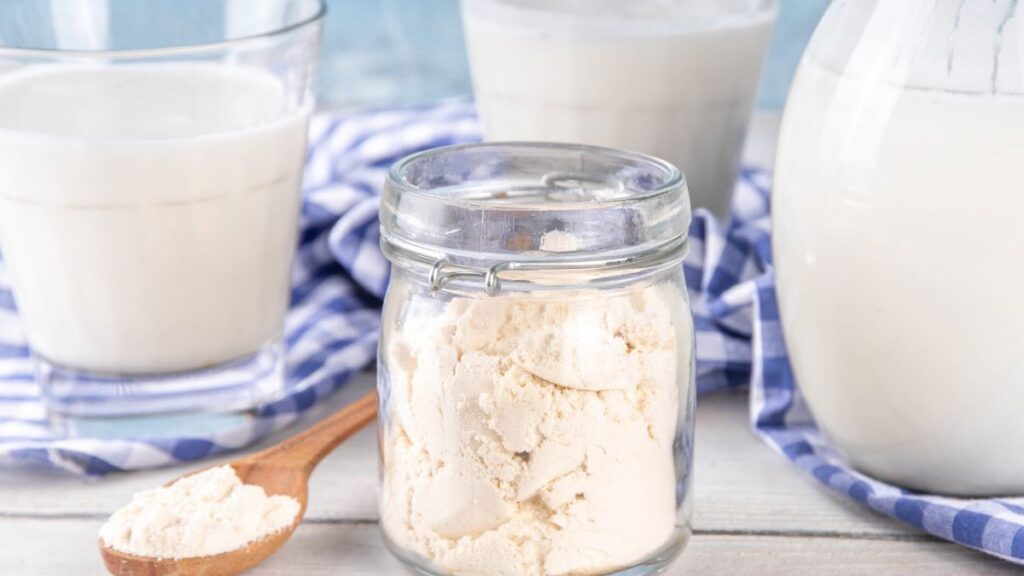
Buttermilk is the third fermented food Hattie May mentions. For her generation, it was a familiar kitchen staple rather than a product advertised for digestive wellness.
Traditional buttermilk was the liquid left after butter was churned from cultured cream. Modern cultured buttermilk is usually made by adding bacterial cultures to milk.
The fermentation process gives it a slightly sour flavor and thicker texture. It also makes it useful in cooking and baking.
Cultured buttermilk provides protein, calcium, and other nutrients found in milk. Depending on how it is processed and stored, it may also contain live bacterial cultures.
Calcium is especially important for older adults because it helps maintain bones and supports normal muscle and nerve function.
However, buttermilk should not be treated as a special longevity drink. The evidence does not show that drinking it prevents aging or guarantees better digestion.
People with a milk allergy should avoid it. Those with lactose intolerance may also experience symptoms, since cultured buttermilk can still contain lactose.
What you can learn from her habit: Plain cultured buttermilk can be one way to include dairy in your diet if you tolerate it. Check the nutrition label for added sugar and whether live cultures are present.
9. Unsweetened Cacao Has Been Her Favorite Little Treat
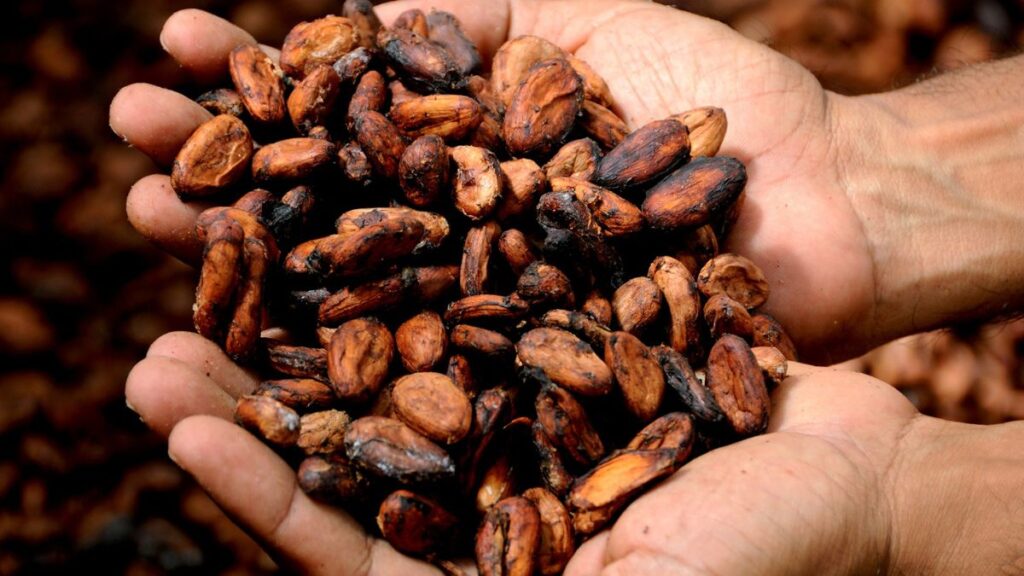
Hattie May saves one of her most unusual habits for last. She says she adds a spoonful of bitter cacao powder to her morning coffee.
She is not talking about sweetened hot chocolate mixes or chocolate candy. Her preference is for the deep, earthy taste of unsweetened cacao.
Cacao contains naturally occurring compounds called flavanols. These have been studied for their possible effects on blood vessel function, circulation, and other aspects of cardiovascular health.
Cacao also provides some minerals, including magnesium and iron. However, the amounts depend on the product and serving size.
Hattie May mentions a compound called PQQ and describes it as something that helps the body produce new mitochondria. Mitochondria are structures inside cells that help produce usable energy.
That claim needs caution. Research on PQQ and mitochondria is still developing, and there is no good evidence that a daily spoonful of cacao makes the body produce new mitochondria or explains exceptional longevity.
Cacao is also not a proven treatment for memory loss or age related brain changes.
Still, unsweetened cacao can be an enjoyable way to add chocolate flavor without consuming the large amounts of sugar found in some commercial chocolate drinks.
What you can learn from her habit: Consider stirring a small amount of unsweetened cocoa or cacao powder into oatmeal, yogurt, or coffee. Treat it as a flavorful addition rather than a replacement for medical care or a proven brain supplement.
What Do These Nine Foods Actually Provide?
Hattie May’s favorites cover several different nutritional needs. Some provide protein and fats, while others supply fiber, plant compounds, or nutrients that support normal body functions.
| Food | Main Nutritional Benefit | Simple Way to Enjoy It |
|---|---|---|
| Black coffee | Polyphenols and temporary alertness | Plain morning coffee |
| Berries | Fiber and colorful plant compounds | A handful with breakfast |
| Fatty fish | Omega 3 fats and protein | Sardines or salmon |
| Whole eggs | Protein, choline, and lutein | Boiled or lightly cooked |
| Lean red meat | Protein, iron, and vitamin B12 | A moderate serving with vegetables |
| Sauerkraut | Fiber and possible live cultures | Small side serving |
| Fermented pickles | Possible live cultures | With lunch |
| Cultured buttermilk | Calcium and protein | Plain, with a meal |
| Unsweetened cacao | Flavanols and minerals | Mixed into coffee or oatmeal |
The larger lesson is that different foods offer different advantages. No single food contains everything the body needs.
A varied eating pattern, appropriate portions, and sufficient overall nutrition matter more than following one person’s exact menu.
Which of Her Eating Habits Are Worth Following Carefully?
Some of Hattie May’s habits are easy to adapt, while others deserve more thought. This is especially true for older adults managing heart disease, diabetes, kidney problems, or medication related dietary restrictions.
| Her Habit | What May Be Worth Keeping | What Deserves Caution |
|---|---|---|
| Drinking coffee daily | Enjoying a familiar, low sugar drink | Too much caffeine |
| Eating berries | Regular whole fruit intake | Portions based on personal needs |
| Eating fatty fish | Omega 3 fats and protein | Mercury and sodium |
| Enjoying whole eggs | Protein and useful nutrients | Individual cholesterol concerns |
| Eating red meat | Iron, B12, and protein | Saturated fat and high intake |
| Eating fermented foods | Variety and possible live cultures | Sodium and food safety |
| Adding cacao to coffee | Flavor and plant compounds | Excess caffeine and unsupported health claims |
The goal is not to copy every detail of her meals. It is to recognize useful habits while making adjustments based on personal health needs.