

Have you ever met someone in their 70s who seems to have the energy and enthusiasm of someone much younger? They may have gray hair and wrinkles, but something about their attitude makes them seem full of life.
Meanwhile, another person in their 50s might already feel too old to try new things. They avoid challenges, stick to familiar routines, and believe their best years are behind them.
The difference is not always physical health or appearance. The way people think about aging can influence how they behave, how active they remain, and how much they enjoy everyday life.
1. They Keep Trying New Things, Even When They Might Fail

One common habit among people who feel young is their willingness to try something unfamiliar. They do not automatically assume that age has closed the door to new experiences.
A 68-year-old might decide to learn photography, take a cooking class, or figure out a new smartphone. They may struggle at first, but they see the challenge as an opportunity rather than a reason to quit.
Many people develop limiting beliefs as they age. They start saying things like, “I’m too old for that,” or “People my age don’t do those things.”
Those thoughts can slowly make their lives smaller. Activities they once considered interesting begin to seem impossible before they have even tried.
People with a younger mindset approach things differently. They accept that learning might take longer, but they refuse to confuse being inexperienced with being incapable.
Trying something new can also introduce fresh friendships, different routines, and a renewed sense of achievement. Even small experiences can make an ordinary week feel more interesting.
The habit to practice: Try one unfamiliar activity each month. It might be a new recipe, a different walking route, a community class, or a hobby you have always wanted to explore.
You do not have to become good at everything you attempt. The real benefit comes from reminding yourself that you can still learn and grow.
2. They Take Action Without Waiting to Feel Motivated
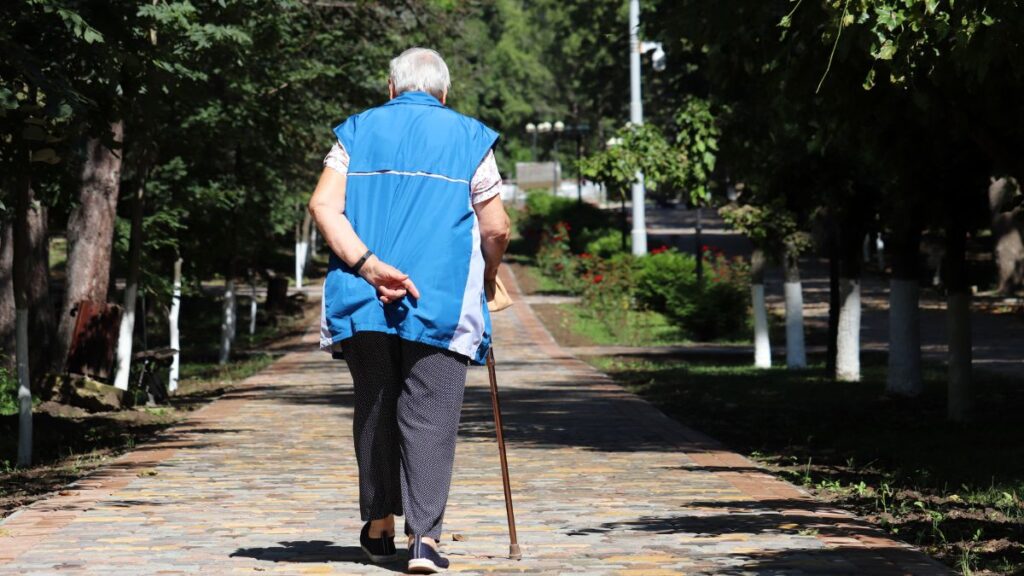
People who feel younger do not necessarily wake up excited every morning. They experience tiredness, boredom, and days when they would rather stay home, just like everyone else.
The difference is that they do not always let those feelings make their decisions. They recognize that motivation sometimes follows action rather than appearing before it.
Consider someone who planned to take a morning walk. When the time arrives, the sofa feels comfortable, the weather seems dull, and staying inside sounds easier.
One person decides to skip the walk because they do not feel motivated. Another puts on comfortable shoes and decides to walk for just ten minutes.
The second person may return feeling more alert and pleased that they followed through. That small experience can make tomorrow’s walk feel easier.
The same idea applies to social activities and personal interests. You might not feel like attending a community event, calling an old friend, or beginning a project.
But once you start, the experience may become more enjoyable than you expected. Action creates an opportunity for positive feelings to develop.
This does not mean ignoring genuine exhaustion or physical illness. Rest is important, and some days your body needs recovery rather than another task.
The habit to practice: When you are putting off something worthwhile, make the first step smaller. Instead of planning an hour of exercise, begin with five comfortable minutes of movement.
Instead of waiting until you feel sociable, send one friendly message. Small actions can help you maintain habits that support an active and connected life.
3. They Don’t Let Every Uncomfortable Feeling Stop Them

Trying something different can feel uncomfortable at any age. You might worry about looking foolish, making mistakes, or discovering that something is harder than expected.
People who remain mentally flexible experience those worries too. They simply do not treat every moment of uncertainty as proof that they should stop.
For example, a 72-year-old might feel nervous about joining a local fitness class. Everyone seems to know what they are doing, and the first few exercises feel unfamiliar.
Instead of immediately quitting, the person chooses an easier version of the movements and gives themselves time to learn. After several visits, the class may begin to feel more comfortable.
Confidence often grows through experiences like this. Each manageable challenge provides another reminder that unfamiliar situations can become easier with practice.
The opposite pattern can gradually reduce someone’s choices. When every unfamiliar activity is avoided, even ordinary changes may begin to feel difficult.
Over time, a person might stop traveling, meeting new people, learning skills, or visiting unfamiliar places. Their world becomes smaller because avoiding uncertainty feels safer than testing their abilities.
There is an important distinction between emotional discomfort and genuine danger. New or worsening pain, dizziness, unusual breathlessness, and other concerning physical symptoms should never be treated as something to push through.
The habit to practice: Choose one manageable challenge that makes you slightly nervous but is reasonably safe. Start slowly, adjust when necessary, and notice what becomes easier.
You do not need to prove your courage through major risks. Sometimes confidence grows simply by doing something you once believed was beyond you.
4. They Refuse to Think in All-or-Nothing Terms

One of the most discouraging beliefs about aging is that an activity becomes worthless when you can no longer do it exactly as you once did.
Someone who used to walk five miles might become frustrated when two miles feel difficult. Instead of adjusting the distance, they decide walking is no longer worth the effort.
Another person may stop gardening because bending has become uncomfortable. They assume that if they cannot maintain a large garden, there is no point growing anything.
This way of thinking turns one limitation into a much bigger loss. It can cause people to abandon activities that still have value, even in a different form.
People who feel younger often make a simple mental adjustment. They ask what is still possible instead of focusing entirely on what has changed.
The former long-distance walker might enjoy shorter walks with regular breaks. The gardener might switch to raised beds or containers that are easier to reach.
Neither person has to give up the activity completely. They can preserve much of its enjoyment by changing how they participate.
This mindset also applies to learning, friendships, travel, and personal goals. Doing something differently does not mean you have failed.
The habit to practice: Replace the thought “If I can’t do it perfectly, there’s no point” with “What version of this can I still enjoy?”
Small efforts still matter. A short walk, a brief conversation, or fifteen minutes spent on a hobby can be worthwhile even when you cannot do as much as before.
5. They Spend Time Doing Things That Match Their Values

Being busy and feeling fulfilled are two different experiences. You can fill every hour with chores, appointments, and television while still feeling that something important is missing.
This can become especially noticeable after retirement. Work once provided schedules, responsibilities, goals, and regular contact with other people.
When that structure disappears, some retirees discover that free time alone does not create happiness. They need activities that connect with what they care about.
People who feel younger often continue finding reasons to participate in life. They make room for interests, relationships, and responsibilities that give their days meaning.
For one person, that might mean spending time with grandchildren. Another might enjoy helping at a community center, caring for animals, teaching a skill, or growing vegetables.
The specific activity matters less than the personal meaning behind it. When something feels worthwhile, there is often a stronger reason to keep showing up.
Consider a retired teacher who misses helping children learn. Volunteering to read with students once a week might provide a renewed sense of purpose.
Another retiree may value creativity and begin painting for the first time. The paintings do not need to be sold or displayed for the experience to feel rewarding.
This habit is especially helpful when retirement starts to feel repetitive. Having something that matters to you can give the week direction without creating another demanding work schedule.
The habit to practice: Ask yourself what matters most at this stage of life. It might be family, friendship, creativity, learning, service, faith, or personal independence.
Then choose one regular activity that reflects that value. Even a small weekly commitment can make your time feel more meaningful.
6. They Separate What Happens From the Story They Tell Themselves

Two people can experience the same setback and respond in very different ways. Much of that difference comes from how they interpret what happened.
Suppose a person develops knee pain while walking. The pain is a real physical symptom that may need medical attention.
But the thoughts that follow can create another layer of difficulty. The person might immediately conclude that their body is falling apart and that they will never enjoy walking again.
Those predictions are not established facts. They are interpretations about what the symptom might mean for the future.
Another person with similar pain may respond more calmly. They acknowledge the problem, seek appropriate medical advice, and find out what activities or adjustments may help.
Both people have a physical concern. But one has already imagined a future filled with loss, while the other is gathering information before reaching conclusions.
People who feel younger tend to leave more room for possibilities. They avoid turning every difficult moment into proof that life will only become worse.
This thinking pattern matters in relationships too. If a friend does not return a phone call, someone might assume they are no longer important.
A more balanced response is to consider other explanations. Perhaps the friend was busy, forgot to call, or was dealing with a personal problem.
The habit to practice: When something upsetting happens, ask yourself three questions:
- What actually happened?
- What am I assuming about it?
- Is there another reasonable explanation?
These questions can help prevent one uncomfortable event from controlling your mood and decisions for the rest of the day.
A balanced mindset does not mean pretending problems are harmless. It means responding to what you know instead of automatically believing the worst possible outcome.
7. They Allow Themselves to Become a New Version of Who They Are
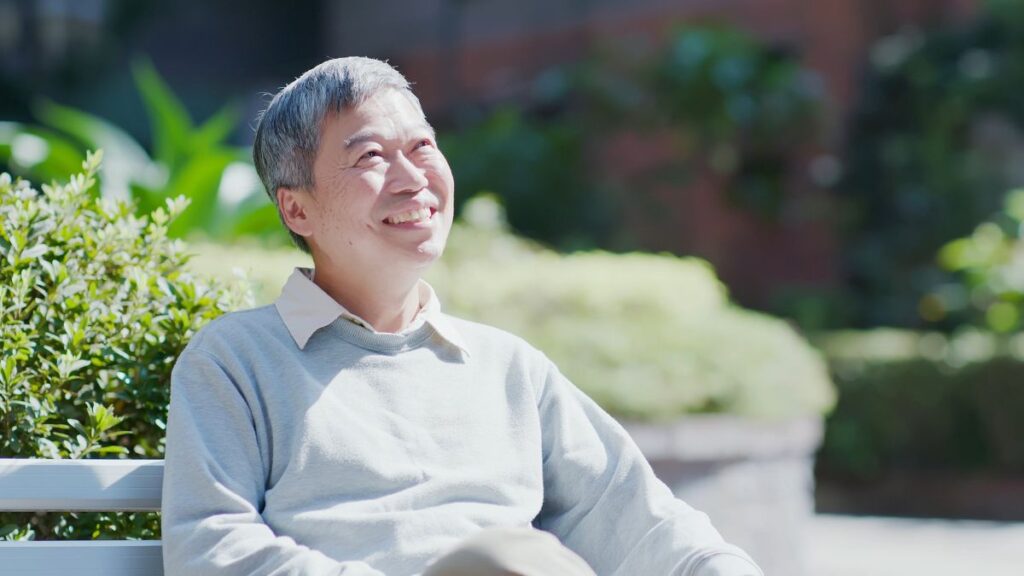
Some people spend their later years trying to remain exactly who they were decades earlier. They compare today’s energy, appearance, abilities, and routines with those of their younger selves.
When life changes, they experience those differences as personal failures. They may feel that growing older means slowly losing everything that once made them valuable.
People who feel younger often approach identity with greater flexibility. They recognize that their interests, abilities, and priorities can change without making their lives less meaningful.
A man who spent forty years managing a business may struggle after retirement because he no longer has the same professional role. He might begin to wonder what he can contribute now.
But his experience has not disappeared. He could become a mentor, volunteer, community organizer, or someone who helps younger family members solve problems.
A woman who once loved running might eventually prefer swimming or gentle hiking. She can remain someone who enjoys movement without expecting her body to perform exactly as it did at 30.
The same principle applies to relationships and personal interests. Becoming a grandparent, moving to a new town, living alone, or retiring from a career may create opportunities for new roles.
The habit to practice: Stop defining yourself only by what you used to do. Think about the qualities, interests, and skills you would like to develop next.
You can appreciate your past without expecting your future to look exactly the same. A satisfying life can contain many different versions of who you are.
The One Mental Skill That Connects All Seven Habits
Although these seven habits look different, they share one important principle. People who feel younger often remain willing to question beliefs that no longer serve them.
In cognitive behavioral therapy, a related skill is called cognitive restructuring. It involves noticing unhelpful thoughts, examining whether they are accurate, and developing more balanced ways to think.
Consider how differently a person might respond to these common beliefs.
| Old Thought | More Helpful Thought |
|---|---|
| I’m too old to learn something new. | I may need more practice, but I can still learn. |
| I don’t feel motivated today. | I can begin with one small step. |
| This feels uncomfortable, so I should quit. | I can try a manageable step while respecting my limits. |
| I can’t do what I used to do. | I can find another way to enjoy it. |
| My best years are behind me. | I can still find activities that give life meaning. |
| Something went wrong, so things will only get worse. | I need more information before deciding what happens next. |
| I’m not the person I used to be. | I can grow into a new version of myself. |
These changes may seem small, but they can influence everyday behavior. A different thought can encourage someone to make a phone call, try an activity, return to a hobby, or seek help instead of withdrawing.
This does not mean positive thinking can prevent illness or erase the difficulties of aging. Physical health, finances, grief, disability, and life circumstances also influence how people feel.
The goal is simply to avoid adding unnecessary limits through beliefs that may no longer be accurate.