

Starting a small business after 60 can be one of the most rewarding ways to earn extra money, stay mentally active, and create a new sense of purpose.
You don’t need a large investment, a business degree, or years of experience with technology to get started. In many cases, the skills you’ve developed throughout your life are already your biggest advantage.
The real opportunity is finding something that fits your retirement lifestyle rather than taking it over. Whether you want a few hundred dollars in additional monthly income or hope to build a steady part-time business, there are practical options that don’t require risking your retirement savings.
Can You Really Start a Business After 60 With Very Little Money?

Yes, particularly if you build a service business around something you already know how to do. Many small businesses begin with one customer, basic equipment, and a willingness to solve a problem that somebody else would rather pay to have handled.
The biggest advantage of starting later in life is that you may already have decades of experience, professional contacts, and practical judgment. These assets can make it easier to establish trust, recognize customer needs, and avoid some expensive beginner mistakes.
Here is a quick comparison of ten possibilities. The estimates are illustrative starting budgets in U.S. dollars, assuming you already own essential equipment such as a computer, phone, or vehicle where necessary.
| Small Business Idea | Approximate Initial Cost | Best For |
|---|---|---|
| Virtual assistant | $0–$150 | Organized retirees |
| Private tutoring | $0–$100 | Former teachers and knowledgeable adults |
| Freelance writing and editing | $0–$150 | Strong writers |
| Bookkeeping | $50–$300 | Detail-oriented people |
| Consulting | $0–$200 | Experienced professionals |
| Pet sitting | $100–$500 | Animal lovers |
| Home organizing | $50–$200 | Practical, organized individuals |
| Handmade products | $100–$500 | Creative retirees |
| Local errand service | $50–$250 | Active, dependable adults |
| Digital products | $0–$150 | Creative, computer-comfortable retirees |
These estimates are not guaranteed prices or complete startup budgets. Registration, insurance, software, transportation, marketing, required training, and other local business expenses can increase the cost considerably.
1. Become a Virtual Assistant From Home

A virtual assistant helps individuals and small businesses handle everyday administrative work remotely. Tasks may include scheduling appointments, organizing email, updating spreadsheets, making travel arrangements, or managing customer inquiries.
This can be especially appealing after 60 because you may already have years of experience keeping an office, household, or organization running smoothly. You don’t necessarily need advanced technical skills, although basic computer knowledge and comfort learning new software are important.
Estimated startup cost: $0–$150, assuming you already have a reliable computer and internet connection.
Rather than offering every possible administrative service, start with two or three tasks you can perform confidently. For example, you might help a local real estate agent manage appointments or assist a small business owner with email correspondence and customer follow-ups.
The main challenge is finding dependable clients and establishing clear boundaries around your availability. Agreeing on working hours, response times, and payment arrangements can help keep a flexible business from becoming a demanding full-time job.
2. Offer Private Tutoring in a Subject You Know Well

If you’ve spent years helping children with homework, teaching in a classroom, or working in a specialized profession, tutoring could turn your knowledge into additional income. Subjects such as reading, mathematics, English, writing, and basic computer skills can be taught privately.
Tutoring doesn’t have to mean working exclusively with children. Adults may need help learning computer applications, improving business writing, preparing for examinations, or developing everyday financial skills.
Estimated startup cost: $0–$100 for basic teaching supplies and simple marketing, assuming you already have the necessary equipment.
You can begin with individual sessions at home, in a suitable public space, or online. Starting with one subject and one type of student makes it easier to develop lessons, set reasonable rates, and build a reputation.
If you plan to work with minors, consider safeguarding requirements, appropriate meeting arrangements, and any background-check rules that apply locally. The strongest tutoring businesses grow through clear communication, dependable scheduling, and real improvements in students’ confidence and abilities.
3. Start a Freelance Writing or Editing Business

Writing can be a relatively inexpensive business because the main products are your knowledge, time, and ability to communicate clearly. Businesses may need website content, newsletters, product descriptions, customer materials, or help editing existing documents.
People who have spent years writing workplace reports, training materials, letters, or professional communications may already possess useful transferable skills. You don’t have to be a published author to provide certain types of writing or proofreading services.
Estimated startup cost: $0–$150, assuming you already own a computer and have access to suitable writing software.
A practical starting point is choosing one area you know particularly well. Someone with experience in gardening, home improvement, finance, education, or travel might focus on clients within that industry rather than competing for every available writing assignment.
Finding consistent customers can take time, and writing work may be irregular at first. Prepare a few original writing samples, agree on the number of revisions included, and charge for the work involved rather than assuming every assignment will be quick.
4. Provide Bookkeeping Services to Small Businesses
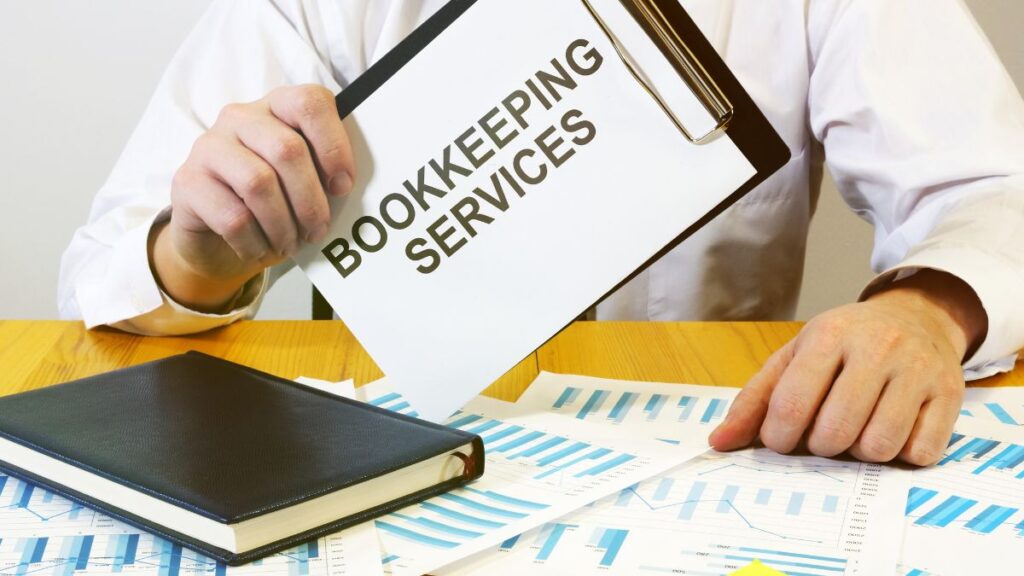
Bookkeeping involves organizing financial transactions, maintaining records, reconciling accounts, and helping business owners understand where their money is going. Many small businesses need reliable recordkeeping but aren’t ready to hire a full-time employee.
This opportunity can be particularly suitable for retirees with backgrounds in accounting, office administration, banking, or financial recordkeeping. Strong attention to detail and confidentiality matter just as much as familiarity with bookkeeping software.
Estimated startup cost: $50–$300 for initial software, basic training, or business supplies, though insurance and other professional costs may be additional.
You could begin by working with one small local business that needs help organizing monthly transactions. Starting with straightforward records gives you an opportunity to establish a consistent process before accepting more complicated assignments.
Bookkeeping should not be confused with providing professional tax, audit, or financial advice. Know the limits of your qualifications, protect client information, and obtain any training or professional coverage appropriate for the services you offer.
5. Turn Your Career Experience Into a Consulting Business

One of the biggest advantages of starting a business after 60 is that you may already possess something younger entrepreneurs are still trying to acquire: decades of specialized experience.
A former manager might help businesses improve operations, while someone who worked in sales could advise on customer relationships. Retired human resources professionals, tradespeople, educators, and administrators may also have expertise that smaller organizations find valuable.
Estimated startup cost: $0–$200 for basic marketing materials and communication tools, excluding any required professional insurance or licensing.
The key is to offer a specific solution rather than describing yourself as someone who can help with everything. For example, helping small retailers organize inventory is easier to explain and sell than offering general business advice.
Begin by speaking with former colleagues, professional contacts, or local business owners about problems they currently face. A small, clearly defined consulting project can provide a useful starting point without requiring you to commit to a long-term contract.
6. Start a Pet-Sitting Business in Your Neighborhood

Pet sitting can appeal to retirees who enjoy animals and prefer a business that involves real-world interaction rather than sitting at a computer. Services may include feeding pets, checking on animals while owners travel, or providing short visits during the workday.
There are different ways to structure the business according to your energy and mobility. Someone who enjoys walking might offer dog walks, while another person may prefer shorter visits to care for cats or other small pets.
Estimated startup cost: $100–$500, although suitable liability insurance and other requirements may make the actual cost higher.
Start with a manageable number of customers and pets you’re confident handling. Ask owners about medical conditions, behavior, emergency contacts, feeding instructions, and any special needs before accepting responsibility.
Pet care carries real risks, including bites, escapes, injuries, and property damage. Insurance, written agreements, and an emergency plan are important protections, particularly when caring for animals in someone else’s home.
7. Help People Declutter and Organize Their Homes

Home organizing is a service that relies heavily on patience, problem-solving, and the ability to make complicated spaces easier to use. Clients may need help organizing closets, kitchens, paperwork, storage areas, or rooms that have accumulated belongings over many years.
This can be a good fit if you’re naturally organized and enjoy creating practical systems. The service doesn’t necessarily require expensive equipment because many projects involve sorting, labeling, and helping clients use storage they already own.
Estimated startup cost: $50–$200 for basic supplies, marketing materials, and organizational tools.
You might begin with one simple service, such as a two-hour closet organization session or help sorting household paperwork. Smaller projects make pricing and physical workload more predictable while allowing clients to experience the value of your work.
Respect for personal belongings is essential, particularly when helping someone downsize after retirement or a major family change. Be clear about what you will lift, move, discard, or transport, and avoid work that exceeds your physical abilities.
8. Sell Handmade Products or Personalized Gifts

If you’ve enjoyed sewing, knitting, woodworking, pottery, painting, or another creative hobby for years, a handmade business might be worth exploring. The goal isn’t necessarily to build a large retail brand but to sell a small range of products people appreciate.
Personalized gifts, seasonal decorations, knitted accessories, fabric items, and handcrafted home accents are examples of products that can be made in limited quantities. Starting small gives you the freedom to experiment without filling your home with unsold inventory.
Estimated startup cost: $100–$500 if you already possess most of the necessary tools and equipment.
Before purchasing large quantities of materials, create a few samples and find out whether customers are willing to pay a price that covers your supplies and working time. Compliments from friends are encouraging, but actual purchases provide stronger evidence of demand.
Calculate packaging, selling fees, shipping, damaged materials, and your time before deciding whether the business is worthwhile. Handmade businesses can be enjoyable, but products that take hours to produce may deliver surprisingly little profit if priced too cheaply.
9. Offer a Local Errand and Everyday Assistance Service

Many people have busy schedules, limited transportation, or difficulty keeping up with everyday errands. A dependable person who can pick up groceries, drop off packages, collect supplies, or handle other routine tasks may provide a useful neighborhood service.
This idea can suit an active retiree who enjoys getting out of the house and working with people. You can often decide how many customers to serve each week and limit appointments to specific days.
Estimated startup cost: $50–$250 if you already own suitable transportation, excluding vehicle insurance changes, fuel, maintenance, and other operating expenses.
Begin with a clearly defined service area and a short list of tasks you’re comfortable performing. Grouping appointments within one neighborhood can reduce driving time and help keep transportation costs from consuming your earnings.
Check whether your vehicle coverage permits your intended business use, and establish clear policies for purchases and reimbursements. Avoid handling medications, providing personal care, or transporting vulnerable customers unless you understand and meet the relevant legal, safety, and insurance requirements.
10. Create and Sell Digital Products Based on Your Knowledge

Digital products can include printable planners, checklists, worksheets, educational materials, templates, or short instructional guides. Unlike physical products, they generally don’t require ongoing packaging, storage, or postage for each sale.
Someone who has spent decades gardening might create a seasonal planting planner. A former teacher could develop original educational worksheets, while an experienced organizer might design household planning templates.
Estimated startup cost: $0–$150 if you already own a computer and use basic design or document-creation software.
The advantage is that one original product can potentially be sold multiple times. However, creating a product doesn’t guarantee customers, and attracting buyers may take substantial time, testing, and promotion.
Start with one useful product that solves a specific problem for a clearly identified audience. Measure actual sales and customer feedback before spending money on advertising, expensive subscriptions, or an extensive collection of products.
Which Small Business Is Best for Your Retirement Lifestyle?
The business with the greatest possible income isn’t always the best choice after 60. A business that earns a modest amount while preserving your health, relationships, and free time may be more satisfying than one that constantly demands your attention.
Consider three factors before making your decision: your existing skills, the physical or mental effort required, and how predictable the workload will be. The more closely the work fits your preferred routine, the easier it may be to maintain.
| Your Main Priority | Business Ideas Worth Considering |
|---|---|
| Work entirely from home | Virtual assistance, writing, digital products |
| Use professional experience | Consulting, bookkeeping, tutoring |
| Stay socially active | Tutoring, organizing, local errands |
| Spend time around animals | Pet sitting |
| Use creative abilities | Handmade products, digital products |
| Work a few scheduled hours weekly | Tutoring, bookkeeping, organizing |
A good decision also accounts for the parts of the business that aren’t enjoyable. Bookkeeping involves deadlines, pet sitting can interfere with holidays, and a handmade business may require more marketing than creating.
Choose an activity you can realistically imagine doing on an ordinary Tuesday, not just one that sounds exciting when you first hear about it.
How Much Money Should You Risk Starting a Business After 60?
Starting with a small budget is especially important when you rely on retirement savings or a fixed monthly income. Money that supports your housing, food, medical care, emergency expenses, and everyday needs shouldn’t be exposed to unnecessary business risks.
A low-cost business also needs to be evaluated by its continuing expenses rather than its initial setup price. Software subscriptions, insurance, fuel, website fees, materials, and advertising can add up even before the first customer arrives.
Before spending anything substantial, separate your expected costs into three groups:
| Type of Expense | Examples | What to Do |
|---|---|---|
| Essential startup expenses | Required registration, safety supplies, necessary equipment | Budget before launch |
| Recurring expenses | Software, insurance, fuel, materials | Estimate monthly costs |
| Optional growth expenses | Paid advertising, premium tools, extra inventory | Delay until demand is proven |
Whenever possible, test whether people want your service before purchasing equipment or signing long contracts. A business that can secure its first paying customer with existing resources offers a much safer starting point than one requiring a large investment based only on hoped-for sales.
Also, don’t confuse revenue with income you actually get to keep. Business expenses and taxes can make the amount available for personal use considerably smaller than the total customers pay.
Will Starting a Business Affect Your Social Security or Retirement Benefits?

If you live in the United States, business income can affect certain retirement-related finances, so it is worth reviewing the rules before you start. Self-employment income is generally subject to tax rules, and working while receiving Social Security retirement benefits may have additional consequences.
For people receiving Social Security retirement benefits before reaching full retirement age, earnings above the applicable annual limit can temporarily reduce benefits. Different treatment generally applies after full retirement age, while disability benefits and some means-tested programs have their own rules.
Self-employment income can also affect income-based Medicare premiums in some circumstances. Because these rules depend on age, income, benefit type, and other details, review your situation with a qualified tax or benefits professional rather than relying on general assumptions.
Keeping separate business records from the first day will make these matters easier to manage. Track customer payments, retain receipts, and set aside money for potential taxes so additional income doesn’t create an unexpected financial burden.