

Mention a senior center, and many people picture a quiet room filled with folding chairs, bingo cards, and lukewarm coffee.
If you are recently retired, that picture might be enough to make you decide the place is not for you. After all, you still have energy, interests, and plenty of things you want to accomplish.
But that old picture misses much of what is happening inside today’s senior centers. Some now offer fitness classes, technology lessons, art workshops, career support, and activities that bring different generations together.
Today’s Senior Center Looks Different From the One You Remember

Senior centers have changed because older adults have changed. Many people in their 60s and 70s want opportunities to learn, exercise, contribute, and meet others without being treated as though their active years are behind them.
The National Council on Aging reports that thousands of senior centers across the United States provide health programs, social activities, and essential community services. Its 2026 Programs of Excellence also recognize centers developing creative ways to support older adults.
| The Old Picture | What’s Happening at Some Centers Now |
|---|---|
| Bingo and card games | Fitness classes, dance, and organized sports |
| Sitting around drinking coffee | Art studios, book clubs, and technology workshops |
| Basic lunches | Nutrition education and social dining |
| Activities for people with little to do | Volunteer projects and community leadership |
| Limited opportunities to learn | Language, computer, and history classes |
| A place to spend the afternoon | A resource for health, independence, and friendship |
Of course, no two senior centers offer exactly the same programs. A small rural center may have fewer options than a large community facility, but even a modest center can provide something useful that people never knew was available.
1. Fitness Classes That Go Well Beyond Chair Exercises

Walk into some senior centers today, and you might find people practicing yoga, lifting light weights, learning dance steps, or participating in balance training. These activities look much more like a neighborhood fitness program than the traditional picture of a senior center.
The difference is that many classes are planned with older adults in mind. Instructors may offer seated options, slower movements, or ways to modify exercises based on physical ability.
That matters because staying active after 60 is about more than looking fit. It can help you maintain strength, balance, endurance, and the ability to handle everyday tasks without unnecessary difficulty.
The Centers for Disease Control and Prevention recommends that adults 65 and older generally aim for at least 150 minutes of moderate physical activity each week, along with muscle strengthening and balance activities. People who cannot meet those targets can still benefit from appropriate movement within their abilities.
Some centers offer walking clubs, tai chi, stretching, low impact aerobics, and dance sessions. Others organize recreational sports or connect participants with swimming and outdoor fitness opportunities.
What makes this different: You are exercising around people who may share your physical concerns and goals. That can make getting started less intimidating than joining a gym where everyone seems to be training for a marathon.
2. Technology Classes That Help You Stop Depending on Your Grandchildren
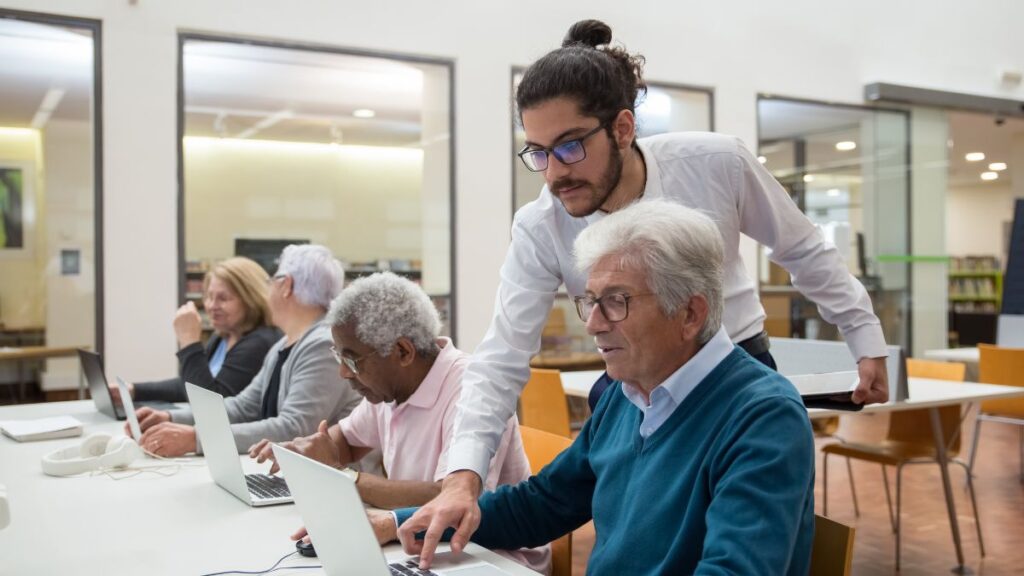
One surprising activity happening at senior centers is hands-on technology training. Older adults are learning how to use smartphones, send photographs, make video calls, handle online accounts, and protect themselves from digital scams.
Some programs go beyond basic computer skills. They cover password safety, online shopping, accessibility settings, video meetings, and ways to recognize suspicious messages.
San Francisco’s SF Connected program, for example, provides digital literacy training and personal technology support through senior and community centers. The Longmont Senior Center in Colorado also offers computer instruction and individual technical assistance.
These lessons can make a practical difference in everyday life. Booking medical appointments, communicating with family, managing bills, and accessing public services often require at least some comfort with technology.
You do not have to arrive knowing how everything works. Many classes are designed for people who are starting from the beginning, and some offer individual help rather than expecting everyone to learn at the same speed.
Practical benefit: Learning how to handle your own phone or computer can give you more privacy and independence. Instead of asking someone else to solve every small problem, you gain the confidence to handle more tasks yourself.
3. Art Studios Where People Discover Skills They Never Had Time to Develop

Retirement can provide something working life rarely offered: time to try creative activities without worrying about deadlines or earning money. Some senior centers are turning that opportunity into a regular part of their programs.
You may find painting, ceramics, pottery, photography, quilting, drawing, or creative writing classes. Some centers also host exhibitions where participants can display their work.
Philadelphia’s older adult recreation programs include watercolor, acrylic painting, ceramics, music, and other cultural activities. Longmont’s senior center offers classes covering different art styles and creative interests.
What makes these activities appealing is that you do not have to be talented when you begin. A person who has never held a paintbrush might find painting enjoyable, while someone who spent decades working with numbers may discover a love for writing stories.
Creative classes also give people a natural reason to talk. Conversation often comes more easily when everyone is working on something rather than sitting in a room trying to make small talk.
Try this: Choose one class that sounds interesting, even if you think you will be terrible at it. The goal is not to become a professional artist but to find an activity that makes you look forward to returning.
4. Lifelong Learning Classes That Feel More Like College Than Retirement

Many older adults still enjoy learning difficult, interesting, or unfamiliar things. Retirement does not remove that curiosity, and some senior centers have responded with educational programs that resemble community college courses.
Depending on the location, classes may cover foreign languages, literature, American history, science, local government, gardening, and personal finance. Some centers invite guest speakers or organize discussions around books and current events.
The Longmont Senior Center offers educational programming in subjects such as history, culture, literature, and science fiction. Philadelphia also provides language learning, writing groups, and book clubs through its older adult programs.
One benefit is that these classes often remove the pressure associated with formal education. You can study something because it interests you rather than because you need a degree, a grade, or a professional qualification.
There is also a social advantage. When you regularly attend a class with people who share an interest, friendships can develop without the awkwardness of trying to meet strangers.
A useful question to ask: Does your local center publish a monthly or seasonal course catalog? You may find that the programs change throughout the year, making it worth checking more than once.
5. Lunch Programs That Are Really About More Than Food

Community meals have long been part of senior centers, but the purpose goes beyond serving lunch. For some older adults, sitting down to eat with familiar people is one of the few regular social opportunities in their week.
A person living alone may prepare simple meals without much conversation. At a senior center, lunch can become a reason to leave home, see friends, and share part of the day with other people.
Some centers also provide nutrition classes, cooking demonstrations, and information about healthy eating. Programs may help older adults identify affordable meal options or connect with home delivered food services.
Meals are not always free, and eligibility rules vary. Some programs request voluntary contributions, while others charge set fees or offer assistance based on program rules.
The important point is that a meal program can serve several needs at once. It may support nutrition, reduce social isolation, and help people maintain a more regular daily routine.
What to check: Ask whether the center serves meals daily, requires reservations, offers special dietary accommodations, or provides information about food assistance. These details can determine whether the program fits your needs.
6. Health Workshops That Help You Stay Independent Longer

A modern senior center is not a hospital, but some provide health education and prevention programs that help older adults take better care of themselves.
Depending on the center, offerings may include blood pressure checks, fall prevention workshops, diabetes education, hearing information, medication safety discussions, and presentations from health professionals. Some also organize vaccination events with local health partners.
These services can be useful because many people wait until something becomes a serious problem before seeking information. Learning about fall risks, healthy movement, or chronic disease management earlier may help people make practical changes.
One particularly surprising example appeared in the National Council on Aging’s 2026 Programs of Excellence. The Woodie Fite Senior Center was recognized for a program focused on sexual health education for older adults, a topic that many traditional programs have overlooked.
That example shows how the subjects being discussed are expanding. Older adults may want reliable information about relationships, mental well-being, physical health, and personal safety rather than only the usual lectures about aging.
Important: Senior center health programs should supplement, not replace, professional medical care. Ask who leads each session and whether the advice comes from a qualified health professional.
7. Medicare, Benefits, and Money Help That Could Save You Trouble

One of the most practical services offered through some senior centers has little to do with entertainment. It involves helping people find their way through Medicare, public benefits, financial questions, and other systems that can become confusing in retirement.
North Carolina’s Department of Health and Human Services lists health insurance counseling, legal assistance, retirement planning, and information services among the types of support senior centers may provide.
Depending on your location, the center may host State Health Insurance Assistance Program counselors, benefits specialists, tax preparation volunteers, or educational workshops. Some also provide referrals to outside professionals when an issue requires more specialized help.
This can be especially valuable for someone who does not know where to start. A missed benefit, misunderstood enrollment rule, or unanswered insurance question can create stress that might have been avoided with the right information.
| Common Retirement Question | Help a Senior Center May Offer |
|---|---|
| Am I using the right Medicare coverage? | Referral to free, unbiased insurance counseling |
| Could I qualify for assistance? | Benefits screening and application guidance |
| Where can I get tax help? | Information about volunteer tax preparation programs |
| How do I avoid financial scams? | Fraud prevention workshops |
| Where can I get legal guidance? | Referrals to legal assistance programs |
| What if transportation becomes difficult? | Information about local transportation services |
These services are not guaranteed at every center, and their availability may depend on local funding. However, it is worth asking before paying someone for information or assistance that a qualified community program might provide without charge.
8. Career Workshops for People Who Aren’t Finished Working
Not everyone who visits a senior center considers themselves fully retired. Some people want part time work, need extra income, or simply miss having a professional role.
That is why certain senior centers provide employment information, job search assistance, and training referrals. North Carolina includes job finding and training among the services that senior centers may help older adults access.
The broader aging services network also includes employment programs for eligible older workers. New York City’s Older Adult Employment Program, for example, offers skills training and employment support to qualifying residents age 55 and older.
These opportunities can be particularly useful for someone returning to work after several years. Resume formats have changed, job applications are often completed online, and interviews may involve technology that was uncommon during an earlier career.
Some older adults also want to start small businesses or earn money through personal skills. Workshops on digital tools, budgeting, and business basics may help them explore those ideas, although not every center provides business training.
What to ask: Does the center offer employment workshops, computer classes for job seekers, or referrals to workforce programs? Even if the center does not run these services directly, staff may know which local organizations do.
9. Volunteer Projects That Give Retirement a Real Sense of Purpose

For someone who spent decades working, the hardest part of retirement is not always having too little money or too few activities. Sometimes it is the loss of feeling needed.
Volunteer programs at senior centers can help fill that gap. Participants may organize community events, assist with meal programs, mentor younger people, or support local charities.
Some opportunities happen inside the center itself. Others involve libraries, schools, food programs, neighborhood projects, or partnerships with community organizations.
The difference between volunteering and simply attending an activity can be meaningful. Instead of arriving only to receive a service, you become someone who contributes to making the service possible.
This can also help people rebuild a sense of identity. A retired accountant might assist with an educational program, while a former teacher may enjoy tutoring or helping others learn basic skills.
Why it matters: Purpose does not always require a major commitment. A regular volunteer shift can give your week structure and provide a reason to show up, especially when you enjoy the people working alongside you.
10. Events Where Teenagers, Parents, and Older Adults Actually Spend Time Together

Many people picture senior centers as places where everyone belongs to the same age group. But some facilities now organize activities that deliberately bring older and younger generations together.
The National Council on Aging’s 2026 awards highlighted programs involving students recording older adults’ stories, community gatherings, and other activities designed to create connections across generations.
These programs can take several forms. Students may help older adults learn technology, while older participants share practical skills, career experiences, or personal histories.
Some centers work with schools, libraries, and local groups to organize art projects, storytelling sessions, holiday celebrations, or community service activities. The goal is to create natural opportunities for people of different ages to work and talk together.
That matters because retirement can gradually narrow a person’s social circle. Former coworkers move away, friends develop health problems, and daily life may involve fewer interactions with younger people.
Intergenerational programs can add variety to those relationships without making anyone feel as though they are simply being entertained.
Look for programs called: Intergenerational learning, community mentoring, student partnerships, or family events. The names vary, but they often indicate activities that extend beyond the usual age based social groups.
11. Group Trips, Cultural Outings, and Adventures That Make Leaving Home Easier

Travel does not always have to mean a long vacation or an expensive plane ticket. Some senior centers organize short outings that make it easier to explore nearby places without handling every detail yourself.
These may include museum visits, theater performances, scenic drives, historical tours, botanical gardens, and local festivals. Some centers arrange longer trips, although transportation, costs, and accessibility differ widely.
Philadelphia’s older adult recreation programs include cultural trips, performances, and organized recreational activities. Longmont also lists day trips and extended travel among its offerings.
Group outings can remove some of the difficulties that discourage older adults from traveling alone. Having a planned destination, transportation arrangements, and other participants may make certain activities feel more manageable.
There is also the simple pleasure of sharing an experience. A museum visit or afternoon concert may become much more memorable when you have someone to discuss it with afterward.
Before signing up: Ask about the total cost, amount of walking required, rest breaks, accessibility, and cancellation rules. An enjoyable outing should fit your physical comfort and budget, not leave you exhausted or worried about expenses.
12. Real Friendships and Support Groups That Can Change Your Retirement
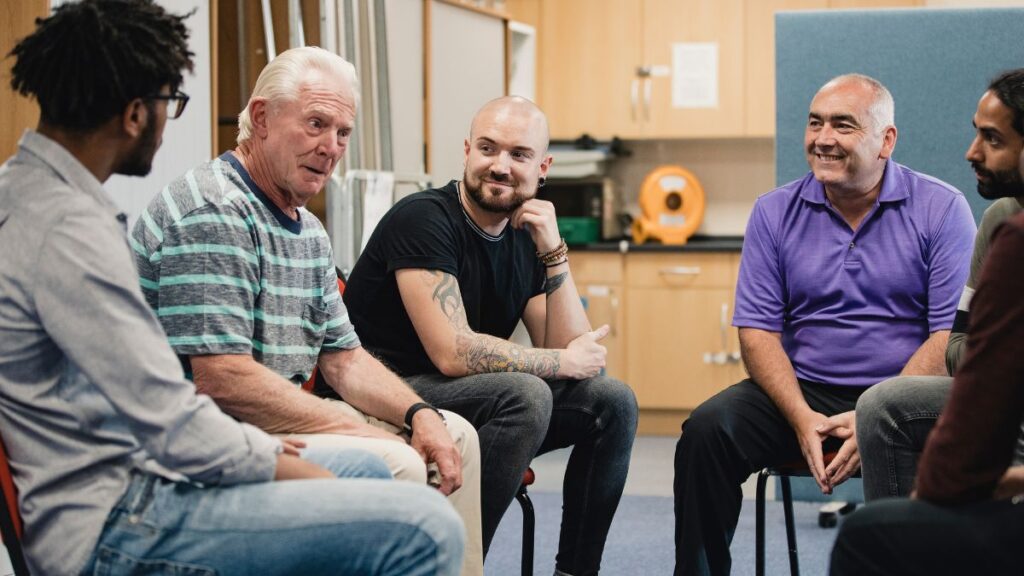
Perhaps the most overlooked thing happening at senior centers is also the simplest. People are finding others who understand what life feels like after retirement, and some of those connections develop into lasting friendships.
That may sound ordinary, but retirement can quietly remove much of the social contact that once came automatically. Work conversations disappear, friends relocate, and some people find themselves spending more time alone than they expected.
A senior center can create opportunities for regular contact through classes, clubs, shared meals, and volunteer activities. Seeing familiar faces each week makes it easier to move beyond polite conversation and develop stronger relationships.
Some centers also offer support groups or referrals for grief, caregiving, and other difficult life changes. These programs can give people a place to discuss experiences they may not feel comfortable raising with relatives.
Of course, joining a center does not guarantee friendship. Some people attend for months before they feel connected, and others may need to try several activities before finding a group that suits them.
The better approach: Attend the same activity several times instead of expecting instant friendships on your first visit. Familiarity builds through repeated contact, and a simple invitation to share coffee afterward can sometimes become the beginning of a meaningful connection.
What Does It Actually Cost to Join a Senior Center?
One reason some older adults never investigate a senior center is the assumption that everything requires a membership fee. In reality, costs vary considerably based on the facility, its funding, residency rules, and the activities offered.
Some publicly supported centers provide free access to many programs, while others charge for classes, transportation, special events, or annual membership. Certain services may be limited to people who meet age, income, or local residency requirements.
| Type of Activity | What to Expect About Cost |
|---|---|
| Social clubs and group activities | Often free or low cost |
| Basic educational workshops | May be free or included in membership |
| Fitness classes | Free at some centers, fee based at others |
| Group meals | May request contributions or charge a fee |
| Day trips | Often require payment for transportation or admission |
| Benefits counseling | Some publicly funded programs are free for eligible participants |
| Special art or craft classes | May charge for supplies or instruction |
The smartest approach is to ask for a complete activity schedule and fee list. You may discover that you can attend several useful programs without committing to an expensive membership.
How to Find a Senior Center That Actually Fits Your Lifestyle
The term senior center can describe very different facilities. One might focus heavily on meals and basic services, while another offers a full schedule of fitness, educational, and recreational activities.
Start by contacting your city or county aging services office, parks and recreation department, or local Area Agency on Aging. Ask which centers serve your neighborhood and whether they welcome visitors who want to see the facilities before joining.
During your first visit, pay attention to the atmosphere as much as the programs. Do people seem comfortable talking with one another, are activities well organized, and do staff members answer questions respectfully?
It also helps to ask about transportation, accessibility, membership requirements, and the average age of participants. Someone who is 62 and recently retired may be looking for a different experience than a person in their late 80s, although both can benefit from the same facility.
A good center should offer opportunities that match your interests and abilities without making you feel pressured to participate in everything.