

Making new friends after 70 can feel surprisingly difficult, even for people who spent their lives surrounded by others. Retirement removes daily conversations, longtime friends may move or pass away, and familiar places no longer bring people together.
Over time, the quiet can become harder to ignore. Someone may have family members who care deeply yet still miss having a friend to share an ordinary Tuesday afternoon with.
The encouraging part is that friendship is not limited by age. Understanding why connections change and choosing places where people meet regularly can make new friendships possible without becoming unusually outgoing.
Why Making New Friends After 70 Feels So Different
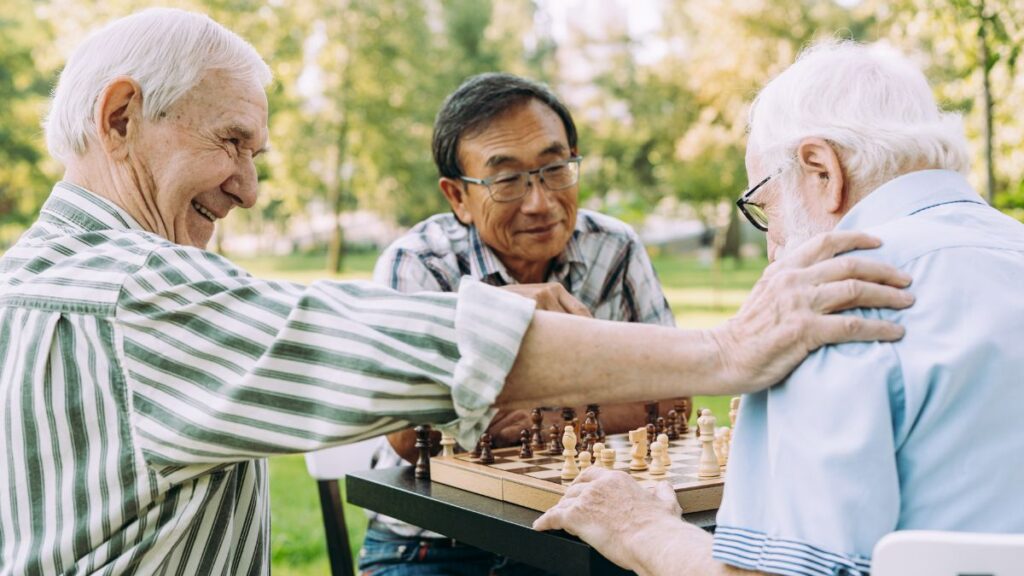
Friendships often develop naturally during younger years because school, work, and family activities bring people together repeatedly. After 70, many of those built-in opportunities disappear, and meeting someone new requires more deliberate effort.
AARP’s 2025 survey found that 35% of adults aged 60 and older reported loneliness. That finding challenges the assumption that later life is always socially satisfying, although it also shows that loneliness is not inevitable.
The difference is often opportunity rather than personality. Someone who enjoyed a busy social life at 50 may find that the same friendly habits produce fewer connections at 75 because daily routines have changed.
Retirement Removes More Than a Paycheck
Work provides more than income because it creates regular opportunities to speak with others. Casual conversations, shared lunches, and familiar faces can become meaningful relationships without much planning.
After retirement, those encounters may disappear almost immediately. A person can enjoy freedom from work while still missing the social structure that employment provided.
Longtime Friendships Become Harder to Maintain
People in their 70s may experience the deaths of friends, changes in health, or moves to different communities. Even relationships that have lasted for decades can become difficult to maintain when travel or regular visits are no longer practical.
Losing familiar connections can also make starting new relationships feel emotionally demanding. A new acquaintance cannot replace a lifelong friend, and expecting that kind of closeness immediately can make ordinary introductions feel disappointing.
The Friendship Myths That Can Keep Older Adults Isolated
Many people carry assumptions about friendship that worked when they were younger but become less useful in retirement. Recognizing these beliefs can make social opportunities feel more manageable.
| Common Belief | Reality | Better Approach |
|---|---|---|
| Everyone already has enough friends | Many adults remain open to new friendships | Approach people with shared interests |
| Close friendships happen naturally | Regular contact usually requires effort | Choose recurring activities |
| New friends must be the same age | Meaningful friendships can cross generations | Focus on shared interests |
| One awkward conversation means failure | Comfort often grows through familiarity | Allow time for relationships to develop |
| Good friendships require expensive outings | Ordinary routines can create closeness | Choose affordable activities |
The most useful change is to stop measuring new friendships against relationships that developed over several decades. A neighbor who enjoys a weekly conversation may become important even if the relationship never resembles a childhood friendship.
AARP’s 2026 Friendship Study found that nearly nine in ten surveyed adults were open to making new friends. Although the research covered adults of all ages rather than only people over 70, it challenges the belief that most people are closed to new relationships.
Why Fear of Rejection Can Feel Stronger After 70

Introducing yourself to strangers can feel uncomfortable at any age, but older adults sometimes approach friendship with greater caution. Someone who has experienced grief, family conflict, or years of disappointment may be less willing to risk another emotional setback.
There is also the concern of appearing needy or intrusive. A person may want companionship but hesitate to make the first invitation because they assume others are too busy or already have established social circles.
The solution is to make invitations smaller and easier to accept. Instead of asking someone to spend an entire afternoon together, suggesting a short coffee break after a class creates a comfortable starting point.
A declined invitation also deserves perspective. The other person may have transportation difficulties, caregiving responsibilities, or a schedule that makes meeting inconvenient, none of which necessarily reflects personal rejection.
Where to Meet New Friends After 70 Without Feeling Out of Place
The best places for making friends are not necessarily large social events filled with strangers. Locations where people return regularly often create better opportunities because familiarity develops naturally.
Libraries, community centers, volunteer organizations, and neighborhood activities provide different ways to meet people. The most suitable option depends on personal interests, available transportation, physical comfort, and cost.
| Place to Meet People | Typical Expense | Friendship Opportunity |
|---|---|---|
| Public library programs | Often free | Book discussions and learning groups |
| Community or senior centers | Free to moderate | Regular games, classes, and shared meals |
| Volunteer organizations | Usually free | Working together toward a common goal |
| Walking or exercise groups | Free to moderate | Repeated conversations during activities |
| Faith communities | Often free | Familiar faces and community gatherings |
| Local hobby clubs | Varies | Meeting people with similar interests |
The National Institute on Aging recommends exploring enjoyable activities, volunteering, taking classes, and participating in community programs to support social connection. These options create opportunities for relationships, although attending an activity does not guarantee friendship.
The important detail is consistency. Attending the same activity regularly may create more opportunities for connection than visiting several different events once and never returning.
Why Showing Up Repeatedly Matters More Than Meeting Lots of People

Friendship usually requires several encounters before two people begin feeling comfortable around each other. Seeing familiar faces each week creates opportunities to remember names, continue conversations, and gradually learn about one another.
Consider a hypothetical 74-year-old who joins a library book discussion that meets every Wednesday. During the first visit, the person may exchange only a few sentences with another attendee, but later meetings provide opportunities for longer conversations.
After several visits, remembering someone’s favorite author or asking about a previous conversation can help establish familiarity. Eventually, a casual invitation to continue talking over coffee may feel natural rather than uncomfortable.
This approach also reduces the pressure to impress people immediately. The goal of the first meeting is not to find a best friend but to create a reason for another friendly conversation.
How to Turn a Friendly Conversation Into an Actual Friendship

Meeting someone pleasant is only the beginning because friendly conversations do not automatically become lasting relationships. The next step is making small efforts to continue the connection outside the original setting.
A practical approach is to build on something both people already enjoy. Two members of a gardening club might exchange plant suggestions, while neighbors who enjoy walking could agree to meet at a nearby park.
An invitation can be straightforward: “I’ve enjoyed our conversations. Would you like to have coffee after our next meeting?” This gives the other person a clear opportunity to accept without creating unnecessary pressure.
If the invitation goes well, following up matters just as much as the first meeting. Remembering a shared interest, asking about something important to the other person, and occasionally proposing another activity can help the relationship become more personal.
Small Conversations Can Lead to Meaningful Connections
Not every interaction needs to involve serious subjects or emotional disclosures. Conversations about books, gardening, grandchildren, cooking, local events, or favorite television programs can provide an easy starting point.
As trust develops, people may begin sharing more about their experiences, worries, and interests. Allowing that closeness to develop naturally helps both people decide whether the friendship feels comfortable and worthwhile.
What to Do When Someone Doesn’t Seem Interested
Not every promising acquaintance will become a friend, and that remains true at every age. Different personalities, commitments, and expectations can prevent a relationship from developing even when both people are pleasant.
A useful response is to make one clear invitation and, if circumstances seem uncertain, try following up later. Repeatedly pursuing someone who consistently declines without suggesting alternatives can become frustrating for both people.
It is also reasonable to recognize that some relationships work better as casual acquaintances. The person who chats warmly during a weekly activity may still add value to everyday life without wanting a closer friendship.
Friendship works best when interest and effort move in both directions. Respecting that balance makes it easier to continue meeting new people without treating every unsuccessful invitation as a personal failure.
Why Friends Don’t Have to Be Your Own Age

Some adults assume that meaningful friendship after 70 requires finding people within a narrow age range. Shared life experiences can certainly help, but age does not always determine compatibility.
A 76-year-old who enjoys photography may have more in common with a 48-year-old photographer than with someone the same age who has completely different interests. Shared activities, humor, curiosity, and mutual respect often provide stronger foundations.
AARP’s 2026 Friendship Study found that 54% of surveyed adults reported having friends from another generation, defined as someone at least 15 years older or younger. The finding suggests that meaningful relationships frequently extend beyond conventional age groups.
Intergenerational friendships can also offer different perspectives and experiences. Older adults may enjoy discussing new ideas while younger friends benefit from conversations that extend beyond their usual social circles.
Making Friends After 70 Doesn’t Have to Be Expensive
People living on fixed retirement incomes may hesitate to join social activities because restaurants, membership fees, transportation, and entertainment can add up. However, building friendships does not require paying for expensive experiences.
Consider a simple comparison based on four outings per month. These are hypothetical spending amounts, not national averages or actual program prices.
| Social Activity | Assumed Cost Per Outing | Cost for Four Outings |
|---|---|---|
| Free library discussion | $0 | $0 |
| Coffee with a friend | $5 | $20 |
| Low-cost community activity | $10 | $40 |
| Casual lunch together | $20 | $80 |
Under these assumptions, meeting a friend for a $5 coffee once a week would cost about $20 over four outings. The same frequency of $20 restaurant lunches would cost $80, before considering transportation or tips.
The difference illustrates why affordable routines can be especially useful during retirement. A regular walk, homemade lunch, or library visit may provide valuable social time without requiring a large entertainment budget.
Transportation deserves attention because a free activity may still be expensive to reach. Before committing to regular outings, checking local transportation assistance, ride-sharing arrangements, and nearby meeting locations can help prevent unexpected costs.
How to Make Friends When Driving or Walking Is Difficult

Mobility limitations can make socializing challenging because many community activities require leaving home. A person who stops driving may lose access to familiar social opportunities even when the desire for companionship remains strong.
The National Institute on Aging identifies transportation difficulties, health conditions, and sensory problems as factors that may contribute to isolation. Recognizing these barriers is useful because practical adjustments may restore access to social activities.
For example, someone with limited mobility could attend a seated exercise class, participate in a telephone discussion group, or invite a neighbor over for a short visit. The important consideration is finding a form of contact that remains manageable and enjoyable.
The Administration for Community Living’s Eldercare Locator can help older adults identify local transportation and support services. People in the United States can contact the service at 800-677-1116 to ask about available community resources.
Hearing Difficulties Can Quietly Affect Friendships
Busy restaurants and large group gatherings can become tiring for people who have difficulty following conversations. Someone may begin avoiding social events because listening requires too much effort, even when they still enjoy being around others.
The National Institute on Deafness and Other Communication Disorders reports that hearing difficulties become more common with age. Seeking a hearing evaluation, choosing quieter meeting places, and asking others to speak clearly may help make conversations easier.
A small group or one-on-one meeting may also feel more comfortable than a crowded event. Social activities should accommodate personal needs rather than require someone to ignore physical discomfort.
Why Technology Can Help Without Replacing Real Relationships

Phone calls, video conversations, text messages, and online interest groups can help older adults stay connected between in-person meetings. These tools may be especially useful when friends live far away or transportation is limited.
However, spending time online does not always provide the same satisfaction as a meaningful conversation. The distinction is between actively communicating with people and simply spending time reading or watching online content.
Someone who enjoys gardening might join an online discussion group and later participate in a local gardening event. Another person might use video calls to stay connected with a friend who has moved to another state.
Technology works best when it supports relationships rather than becoming the entire relationship. A regular phone conversation can be deeply meaningful, especially when meeting in person is difficult or impossible.
Why Volunteering Can Make Friendship Feel More Natural
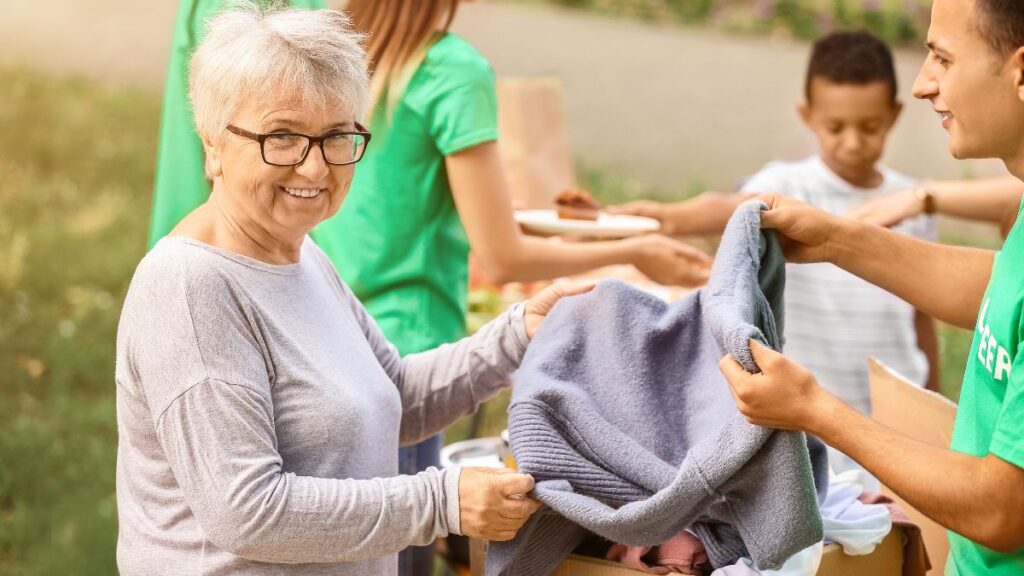
Volunteering provides a useful alternative for people who find social introductions uncomfortable. Working alongside others creates a shared purpose, which can make conversations easier and reduce pressure to socialize.
A person might help organize donated books, assist at a community garden, or participate in local charity activities. Regular involvement allows volunteers to recognize familiar faces and discover common interests over time.
The National Institute on Aging identifies volunteering as one way to remain socially engaged while developing a sense of purpose. Still, volunteer work should match personal energy, health, and interests rather than become another exhausting obligation.
Choosing a modest commitment can make participation sustainable. Helping for a short period once a week may be more realistic than accepting a demanding role simply to meet people.
The Value of Having Different Types of Friends
A fulfilling social life does not necessarily require one person who meets every emotional need. Different relationships can provide companionship, practical support, shared interests, and opportunities for conversation.
A walking companion might make exercise more enjoyable, while a longtime friend provides emotional understanding. A neighbor may offer familiar conversation, and someone from a community class may introduce interesting new ideas.
Recognizing these differences helps reduce unrealistic expectations. Not every connection needs to become deeply personal before it contributes something positive to daily life.
It is also possible to enjoy solitude while maintaining meaningful relationships. The goal is not to fill every hour with social activity but to have enough satisfying connections to feel supported and included.
A 30-Day Plan for Making New Friends After 70
The hardest part of forming a new friendship is often deciding where to begin. A simple four-week plan can turn a vague wish for more companionship into manageable actions.
This plan is a practical framework rather than a scientifically established timetable for developing friendships. Some people may make connections quickly, while others will need more time or different opportunities.
| Week | Main Goal | Practical Action |
|---|---|---|
| Week 1 | Find opportunities | Identify two affordable local activities |
| Week 2 | Meet familiar faces | Attend an activity and introduce yourself |
| Week 3 | Build familiarity | Return and continue a previous conversation |
| Week 4 | Suggest a connection | Invite someone for coffee, a walk, or another activity |
The first month should focus on participation rather than collecting phone numbers or making several close friends. Returning to one enjoyable activity may produce better results than setting ambitious social targets.
At the end of four weeks, consider which interactions felt comfortable and which settings made conversation easiest. Continue with activities that felt welcoming, and replace those that did not suit your needs or interests.
A successful month might involve meeting one promising acquaintance or simply establishing a routine that makes social contact easier. Both outcomes can provide a foundation for stronger relationships later.
How to Protect Yourself While Building New Friendships

Wanting companionship should not mean abandoning reasonable personal boundaries. When meeting someone new, it is sensible to choose public locations, arrange independent transportation where possible, and allow trust to develop gradually.
Financial boundaries are particularly important because new acquaintances should not immediately become involved in personal money decisions. Requests for loans, access to bank accounts, expensive gifts, or unusually urgent financial help deserve caution.
A healthy friendship respects privacy and personal limits. Anyone who repeatedly pressures another person, ignores boundaries, or tries to separate them from existing relationships may not be offering the kind of connection worth maintaining.
Being careful does not require becoming suspicious of everyone. It means allowing relationships to develop at a pace that feels comfortable while protecting independence and personal security.