

Many people assume that an older adult who lives alone must be lonely. For a large and growing group of seniors, that couldn’t be further from the truth.
Some older adults choose solitude on purpose. They enjoy quiet mornings, their own routines and the freedom to spend time and money exactly as they wish, while still staying connected to the people who matter.
Here are 11 qualities that set apart seniors who thrive in solitude. You’ll also learn how they handle money, safety and health on their own, and the warning signs that solitude may be turning into isolation.
Why More Seniors Are Living on Their Own
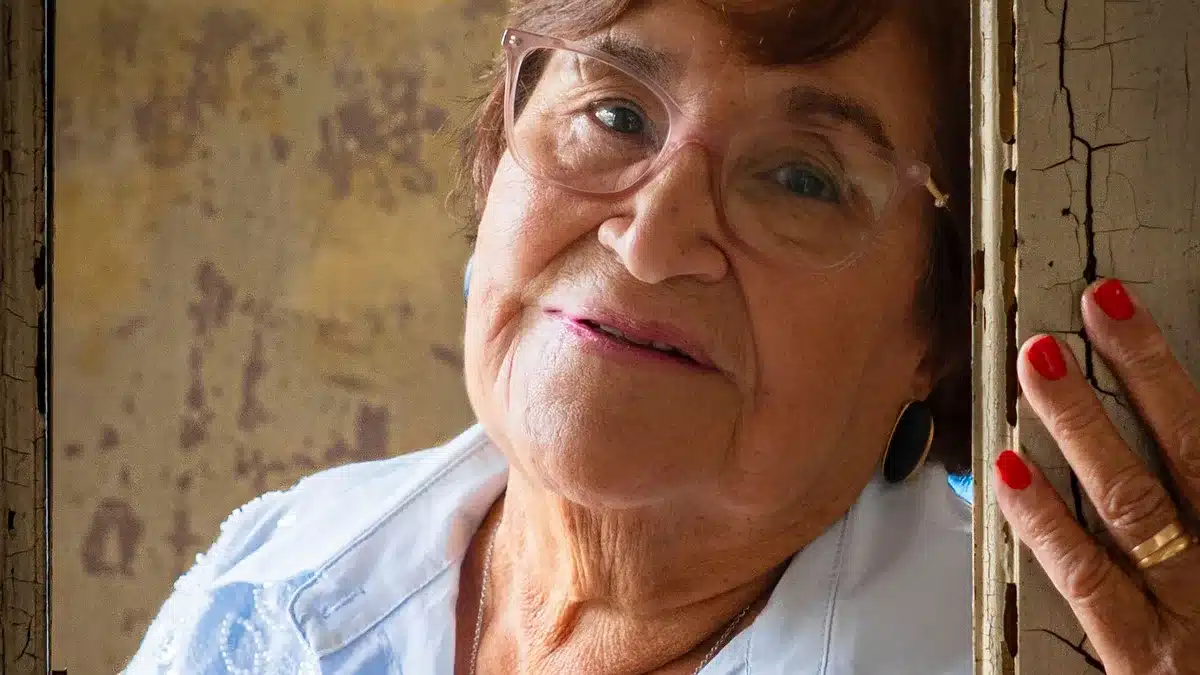
Living alone is common in later life. According to the federal Administration for Community Living, about 28% of older adults living in the community live alone, which is more than 16 million people.
Women are much more likely than men to live alone in later life, mostly because they tend to outlive their husbands. Many live alone after being widowed or divorced, while others have always preferred their own space.
Doreen, 74, is one of them. She has lived on her own in a small condo since her husband died nine years ago, and she says she has never been happier with her daily life.
Doreen’s name has been changed, and her story is a composite based on the experiences of many older adults. The research figures in this article come from published studies and federal agencies.
| Quality | What It Looks Like |
|---|---|
| 1. Knowing solitude from loneliness | Choosing time alone without feeling cut off |
| 2. Being comfortable with your own thoughts | Enjoying quiet without needing distraction |
| 3. Keeping a daily structure | Regular routines that give days shape |
| 4. Nurturing a few close relationships | Quality connections rather than a crowd |
| 5. Having absorbing interests | Hobbies that hold attention for hours |
| 6. Taking charge of their health | Staying active and on top of care |
| 7. Managing money for one | Budgeting and planning without a partner |
| 8. Planning for safety | A backup plan for emergencies |
| 9. Staying curious | Always learning something new |
| 10. Giving back on their own terms | Helping others in ways that fit their life |
| 11. Being at peace with their choices | Not worrying about what others think |
The table gives a quick overview. The sections below look at each quality in more detail, along with practical tips for anyone who wants to live alone well.
1. They Know the Difference Between Solitude and Loneliness
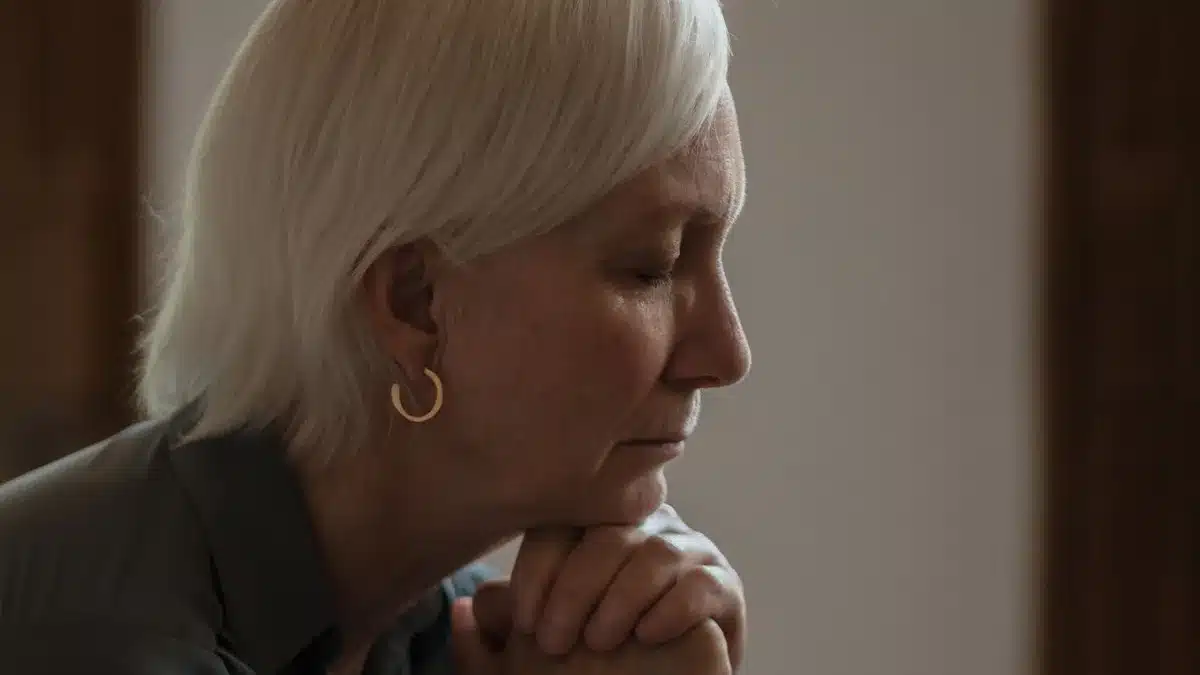
The first quality is the foundation for all the others. Seniors who thrive alone understand that solitude and loneliness are very different experiences.
Solitude is time alone that you choose and enjoy. Loneliness is the painful feeling of being disconnected, which can happen even in a crowded room or a busy household.
| Solitude | Loneliness |
|---|---|
| Chosen | Unwanted |
| Feels restful or creative | Feels empty or painful |
| Balanced with meaningful contact | Lacks the connection you want |
| Often brings calm and clarity | Often brings sadness or anxiety |
| Can be ended when you wish | Feels hard to escape |
The table shows why the distinction matters. Two people can spend the same hours alone and have opposite experiences, depending on whether that time is chosen and balanced with connection.
Research supports the benefits of chosen solitude. A 2018 study in Personality and Social Psychology Bulletin found that even 15 minutes alone tended to calm strong emotions, leaving people feeling more relaxed.
Doreen describes her quiet evenings as recharging, not lonely. She knows that if she wants company, she can pick up the phone or visit a friend.
2. They’re Comfortable With Their Own Thoughts
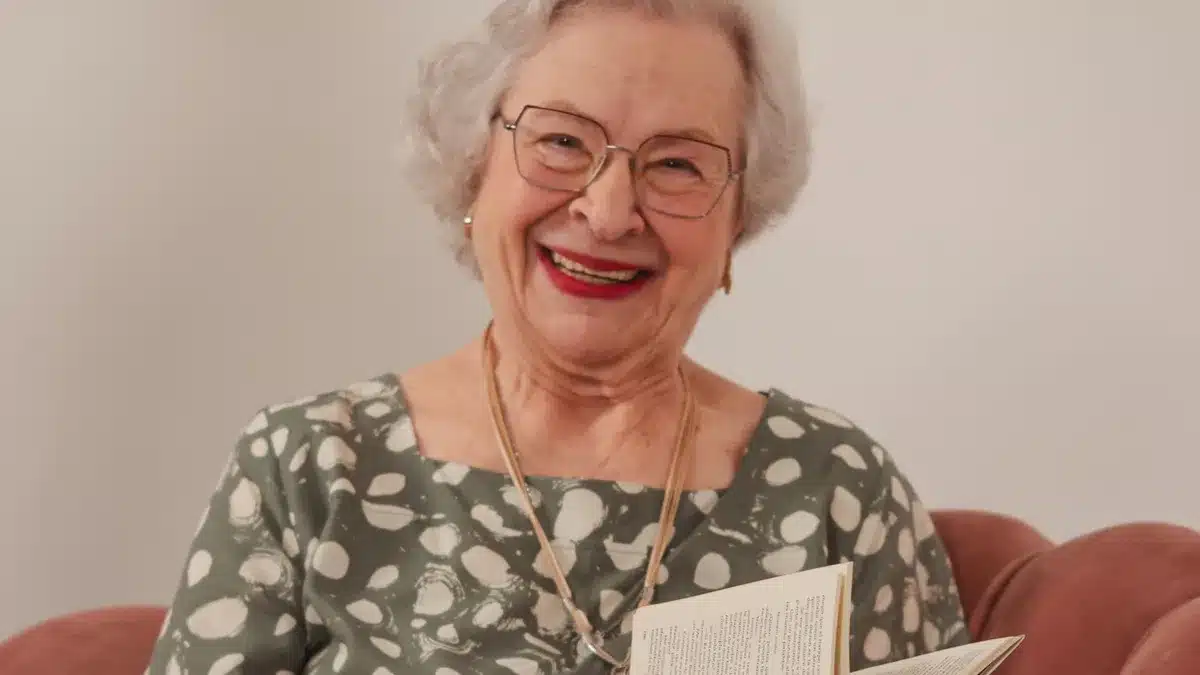
Many people fill every quiet moment with television, radio or a phone. Seniors who thrive in solitude can sit quietly without needing constant noise.
That comfort often grows with age. Stanford psychologist Laura Carstensen has found that as people grow older and sense that time is more limited, they tend to focus more on emotional well-being and meaningful experiences.
Being comfortable with your thoughts also helps with reflection. Many older adults use quiet time to make sense of their lives, remember loved ones and decide what matters most now.
Doreen starts each morning with coffee by the window and no television. She says that quiet half hour sets the tone for the rest of her day.
3. They Keep a Daily Structure
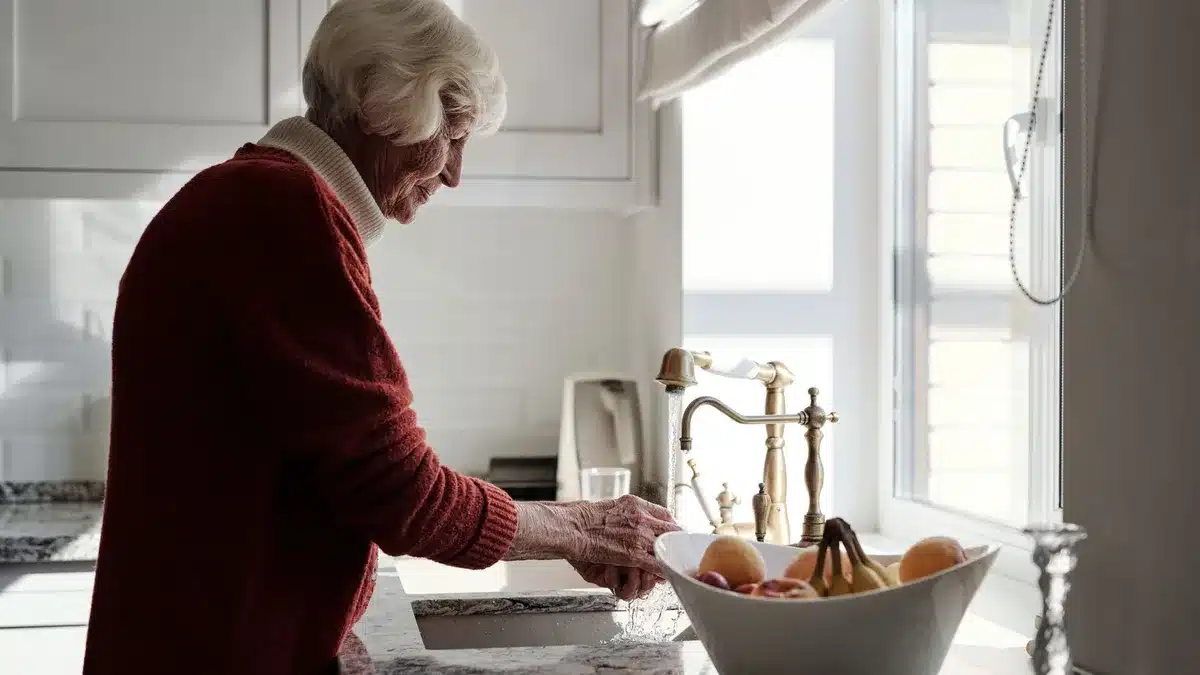
Living alone means no one else sets your schedule. Seniors who thrive in solitude create their own structure.
They tend to wake and go to bed at regular times, eat meals at set hours and plan activities for different days of the week. Structure keeps days from blurring together and supports better sleep and mood.
Doreen walks every morning, does chores before lunch and saves afternoons for reading and hobbies. Tuesdays are for grocery shopping and Thursdays for lunch with friends.
A simple weekly plan can help anyone build structure. Writing commitments on a calendar makes each day feel purposeful.
4. They Nurture a Few Close Relationships
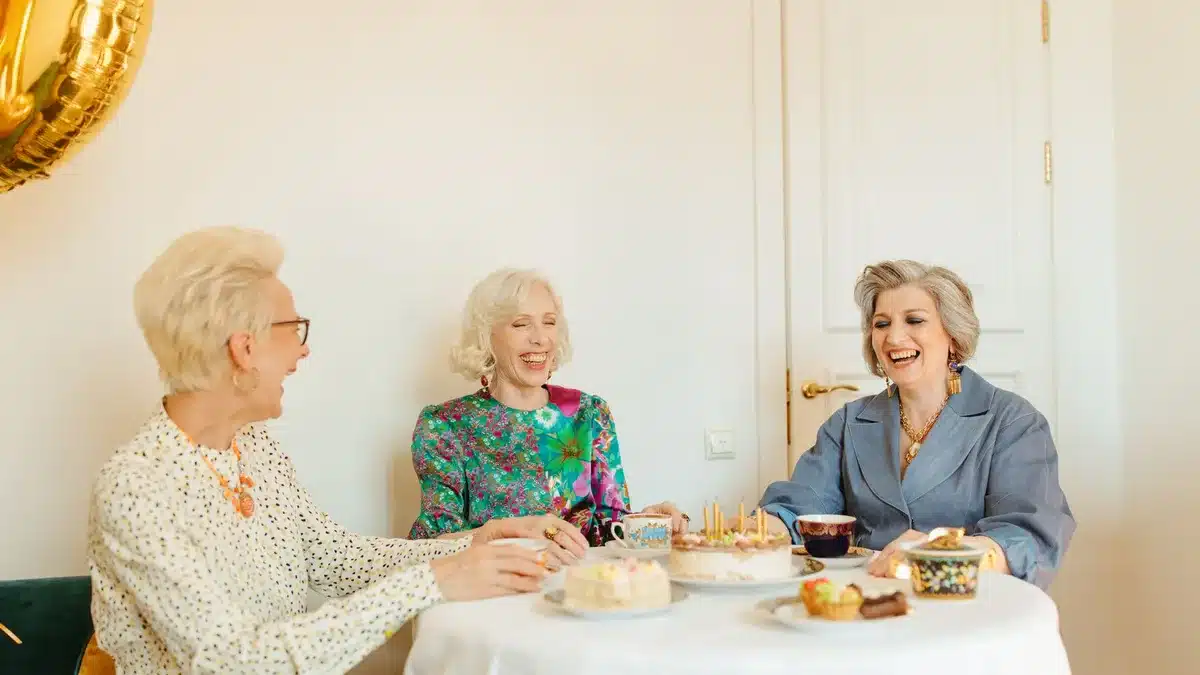
Choosing solitude doesn’t mean cutting people off. The seniors who thrive alone usually keep a small number of close, reliable relationships.
They tend to value quality over quantity. A few friends who truly understand them often matter more than a large social circle.
Staying connected is important for health. A large 2015 analysis led by psychologist Julianne Holt-Lunstad found that social isolation was linked to a 29% higher risk of early death and loneliness to a 26% higher risk.
Loneliness is common among older adults. The University of Michigan’s National Poll on Healthy Aging found that about one in three adults aged 50 to 80 felt lonely at least some of the time in 2024.
Doreen talks with her sister every evening and meets the same three friends for lunch each Thursday. She says those few relationships give her all the connection she needs.
5. They Have Absorbing Interests
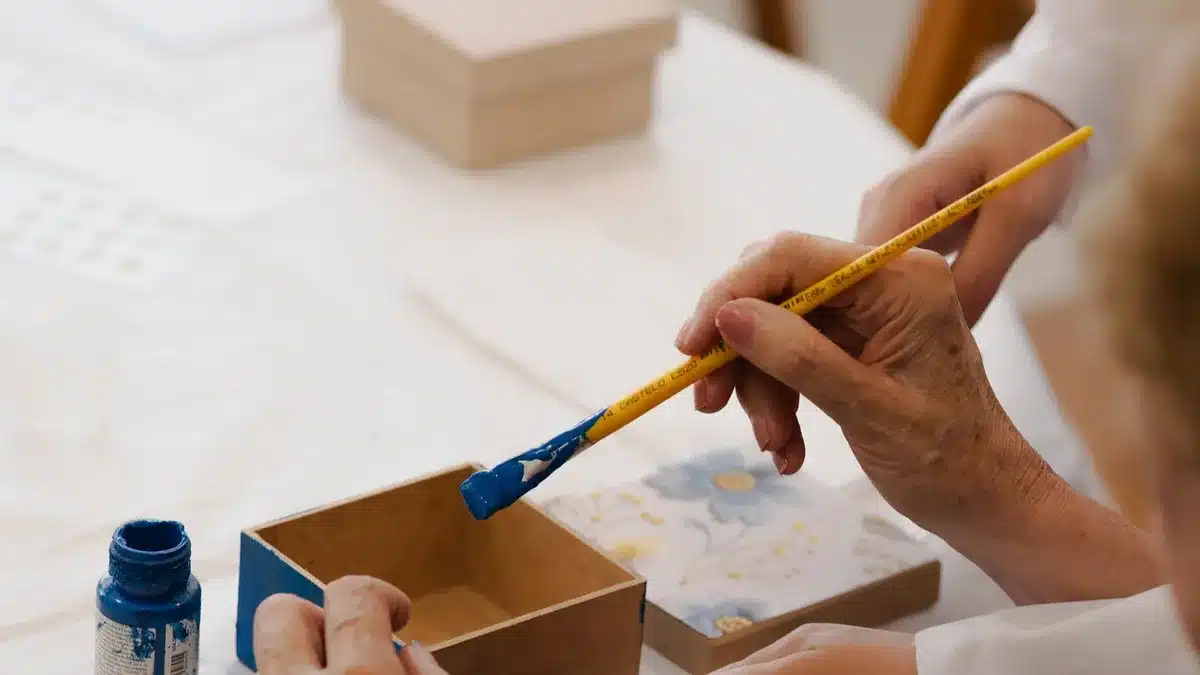
Seniors who thrive alone usually have interests that hold their attention for hours. These might include painting, gardening, woodworking, writing, music or reading.
Absorbing hobbies create a state that psychologists call flow, when people become so focused that they lose track of time. Flow is linked to greater enjoyment and well-being.
Hobbies also give solitude a purpose. Instead of feeling empty, time alone becomes time to create, build or learn.
Doreen took up watercolor painting at 68. She now paints most afternoons and has sold a few small pieces at a local craft fair.
6. They Take Charge of Their Health
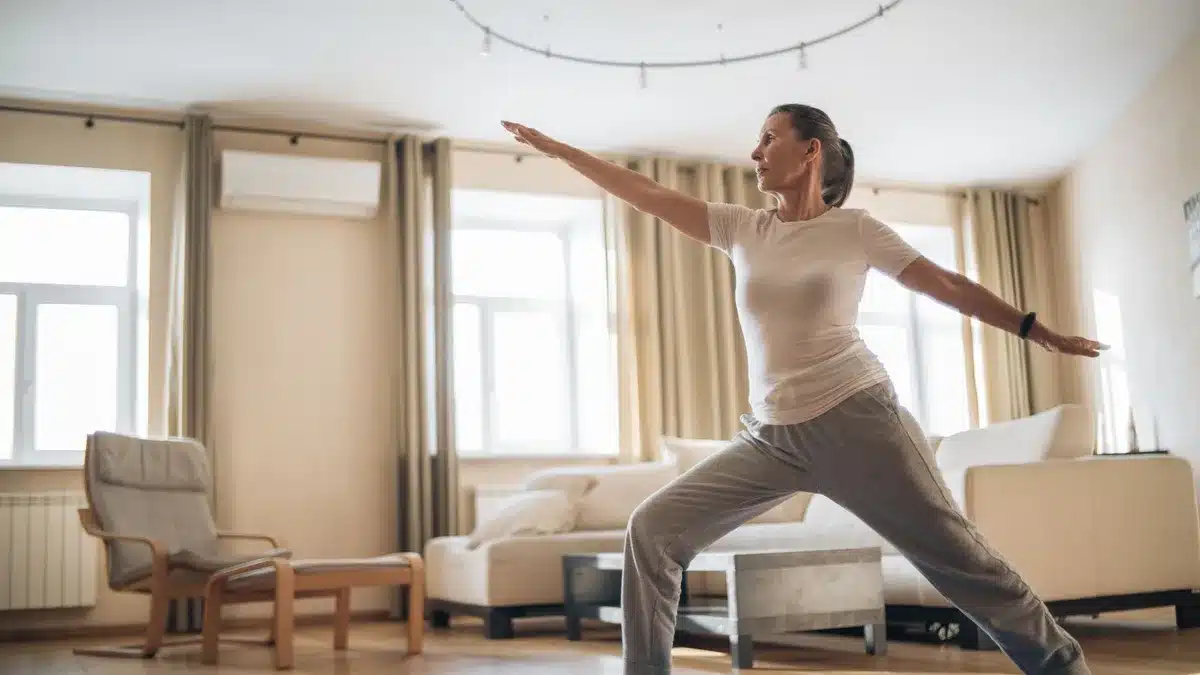
Without a partner to notice changes or remind them about appointments, people who live alone need to manage their own health. Those who thrive tend to be proactive.
They stay active, eat well, keep up with checkups and take medications as prescribed. Many use pill organizers, phone reminders or pharmacy auto-refills to stay on track.
The CDC recommends that adults 65 and older aim for 150 minutes of moderate activity each week, plus muscle-strengthening on two days and balance activities. Regular movement also helps prevent falls, a major risk for people who live alone.
Medicare covers a yearly wellness visit, which includes a review of medications, fall risk, memory and mood. Doreen schedules hers every January so she never forgets. She also keeps a written list of her medications and doctors on the refrigerator.
7. They Manage Money for One
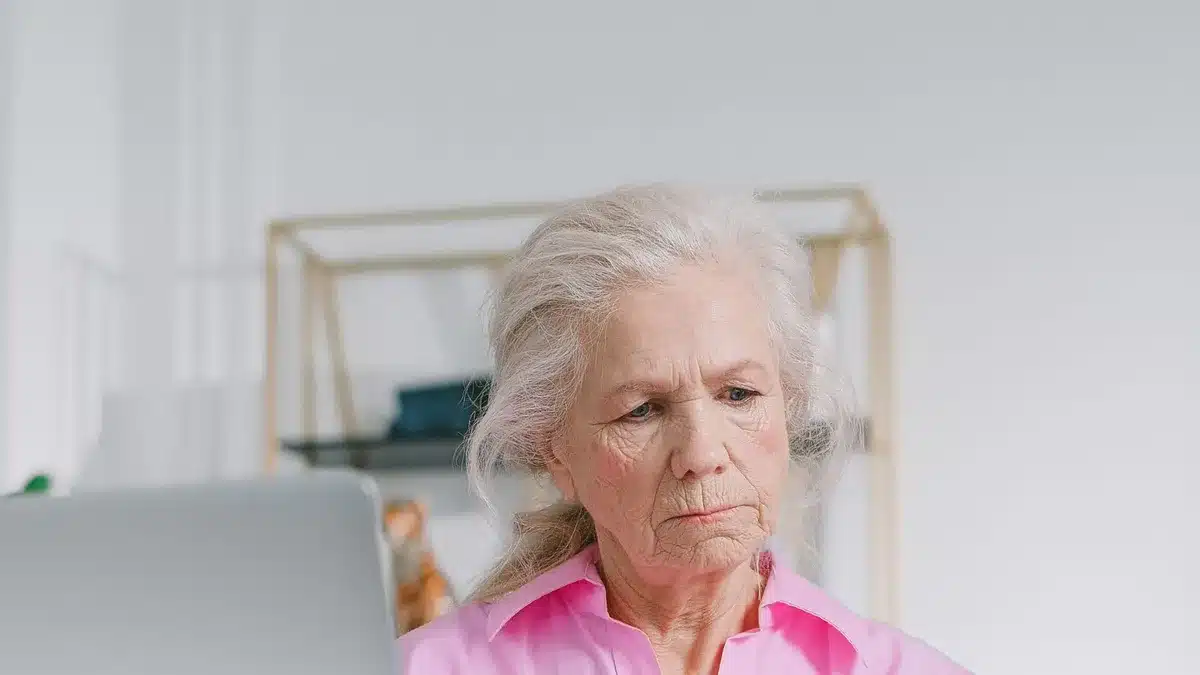
Living alone has a financial side that’s easy to overlook. Single households don’t benefit from sharing rent, utilities, insurance and food costs, so living alone often costs more per person.
Seniors who thrive alone tend to know exactly where their money goes. They build a budget around their own income and plan ahead for big expenses.
Here’s a hypothetical example of Doreen’s monthly budget. Her income comes from Social Security and a small pension from her late husband’s job.
| Category | Hypothetical Monthly Amount |
|---|---|
| Social Security, after Medicare Part B | $1,880 |
| Pension | $620 |
| Total income | $2,500 |
| Condo fees, taxes and insurance | $780 |
| Utilities, phone and internet | $260 |
| Food and household items | $420 |
| Medigap and drug plan premiums | $260 |
| Transportation | $210 |
| Hobbies, gifts and outings | $250 |
| Savings for emergencies and repairs | $320 |
In this example, Doreen covers her essential costs and still saves each month. She keeps about nine months of expenses in a high-yield savings account as an emergency fund.
Taxes work differently for single filers. Single tax brackets and deductions are smaller than for married couples, though people 65 and older can claim an extra standard deduction amount and, from 2025 through 2028, a new $6,000 senior deduction.
Planning for a long life matters too. The Social Security Administration estimates that about one in three 65-year-olds today will live to at least 90, so solo retirees need savings that can last.
8. They Plan for Safety and Emergencies
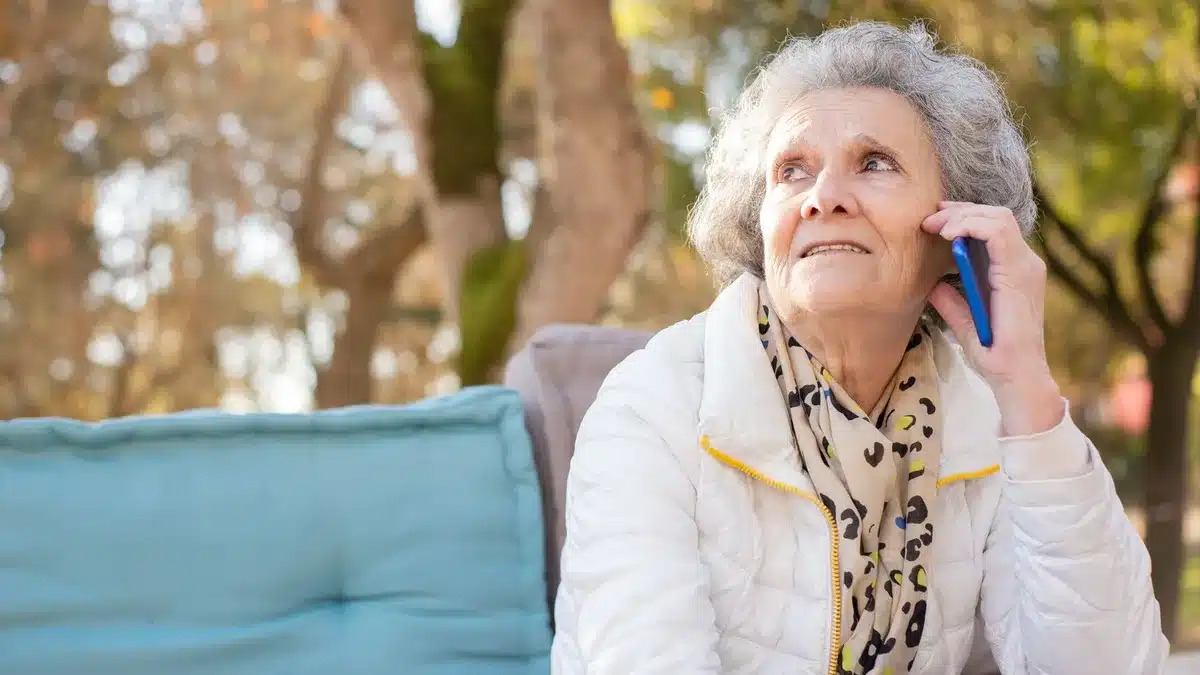
The biggest worry for many people who live alone is what happens if they fall or get sick with no one around. Seniors who thrive in solitude have a plan.
| Safety Step | Why It Helps |
|---|---|
| Medical alert device or smartwatch with fall detection | Calls for help if you can’t reach a phone |
| Daily check-in with a friend or family member | Someone notices if you don’t respond |
| Spare key with a trusted neighbor | Lets help get in quickly |
| Grab bars, night lights and clear walkways | Reduces fall risk at home |
| Up-to-date list of medications and contacts | Helps emergency workers act fast |
| Powers of attorney and health care directives | Names who can act for you if needed |
The table lists simple safety steps. Monitored medical alert systems often cost about $20 to $60 a month, and some detect falls automatically.
Doreen and her sister have a standing agreement. If Doreen doesn’t text good morning by 10 a.m., her sister calls, and if there’s no answer, a neighbor with a spare key checks on her.
Legal documents are part of safety too. Without a spouse at home, a durable power of attorney and health care proxy make sure a trusted person can act quickly in a crisis.
9. They Stay Curious
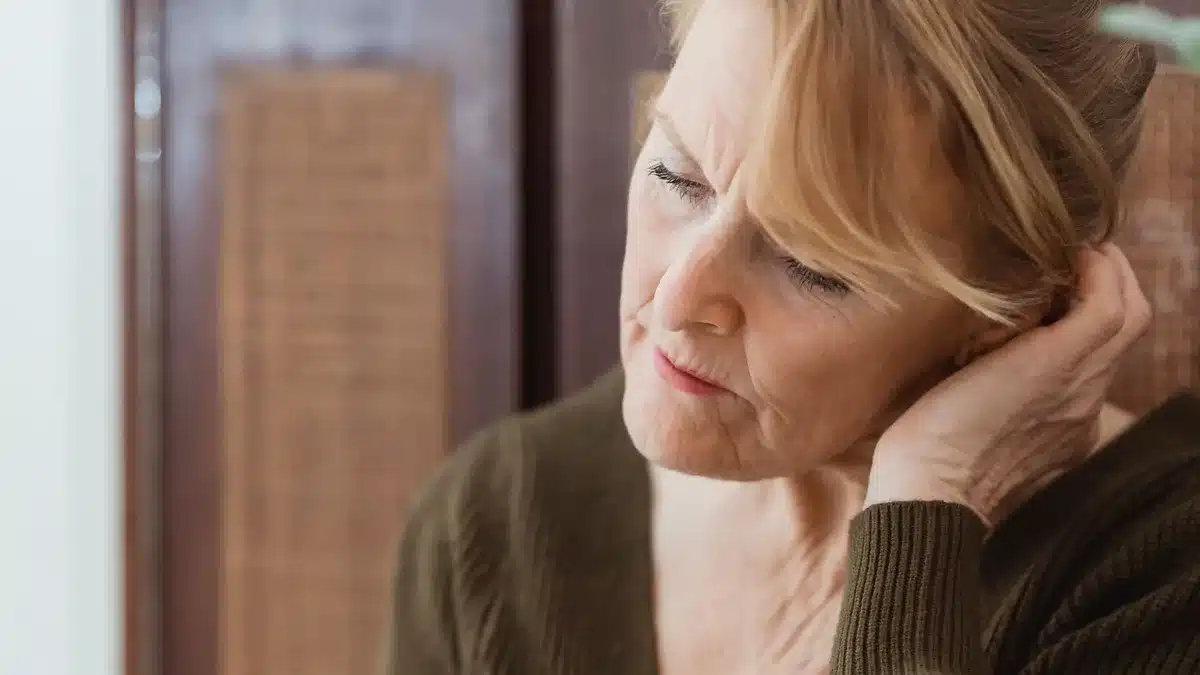
Seniors who thrive alone tend to be lifelong learners. They read widely, take classes, follow new interests and enjoy figuring things out.
Curiosity keeps the mind active and gives solitude a sense of adventure. Learning something new can make a quiet week feel full.
Learning a challenging skill may also help the brain. In a 2014 study published in Psychological Science, older adults who learned digital photography or quilting for three months showed memory improvements compared with groups doing less demanding activities.
Many public colleges let older adults take or audit classes for free or at low cost, and libraries offer free online courses. Doreen is currently taking a free online history class through her library.
10. They Give Back on Their Own Terms
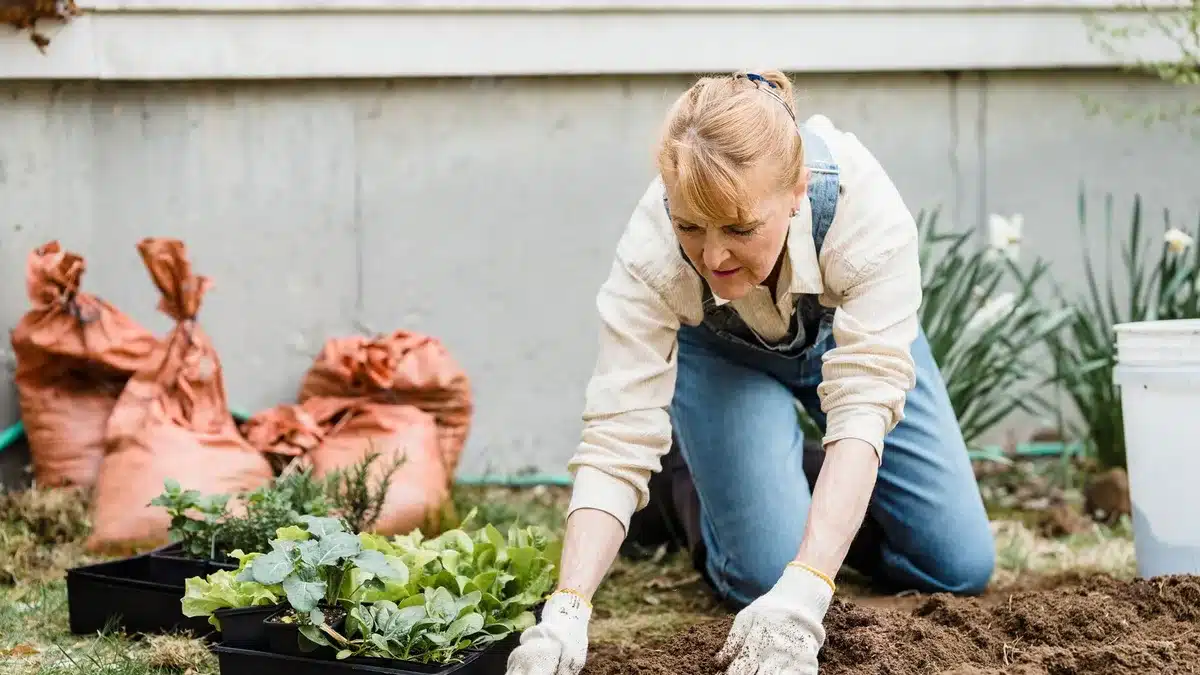
Many seniors who choose solitude still want to contribute. They often find ways to give back that fit their preferences and energy.
That might mean volunteering at a library, knitting for a hospital, tutoring a child or helping at a community garden. These roles often involve meaningful contact without requiring constant socializing.
Giving back can also support health. A 2020 study of nearly 13,000 adults over 50 found that people who volunteered at least 100 hours a year had a lower risk of death and better well-being over four years.
Doreen volunteers two mornings a week at a community garden that grows vegetables for a food pantry. She enjoys the quiet work and the few familiar faces she sees there.
11. They’re at Peace With Their Choices
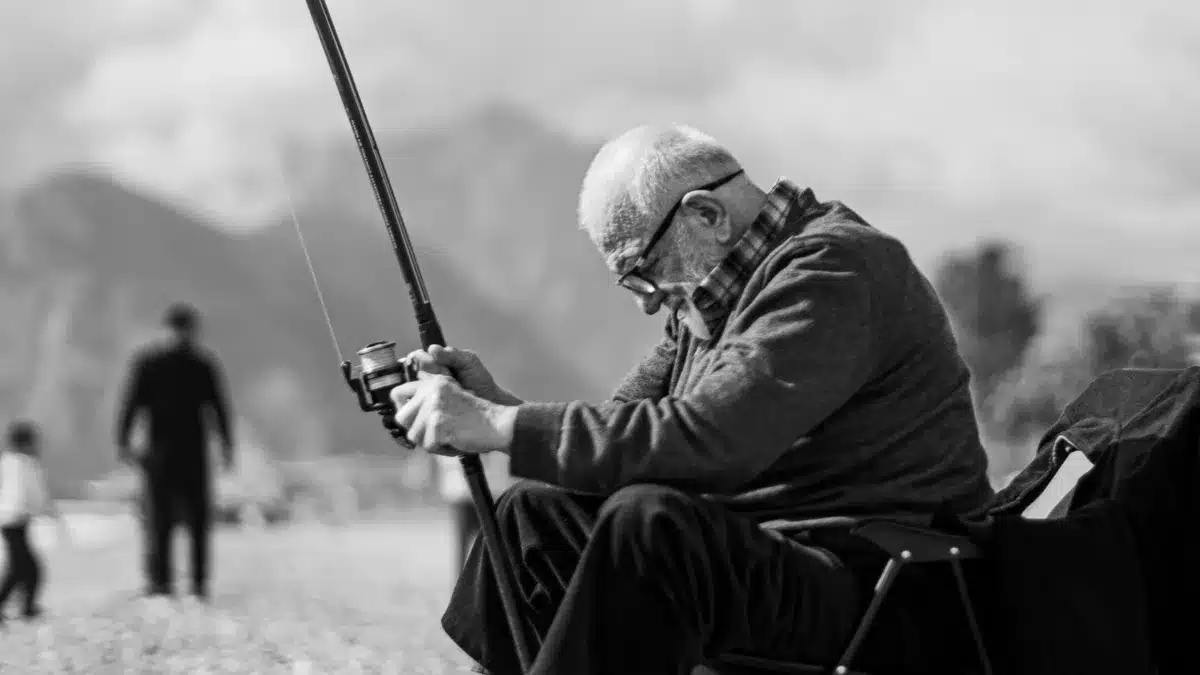
The last quality may be the most important. Seniors who thrive in solitude don’t worry much about what others think of their lifestyle.
Family members sometimes push them to move in with relatives, join more activities or remarry. Those who thrive can listen kindly but still choose what feels right for them.
This confidence often comes with age. Many older adults say they care less about others’ opinions than they did when they were younger.
Doreen’s children once worried about her living alone. Over time, they saw how happy and capable she was, and now they joke that she has a busier calendar than they do.
Signs Solitude May Be Turning Into Isolation
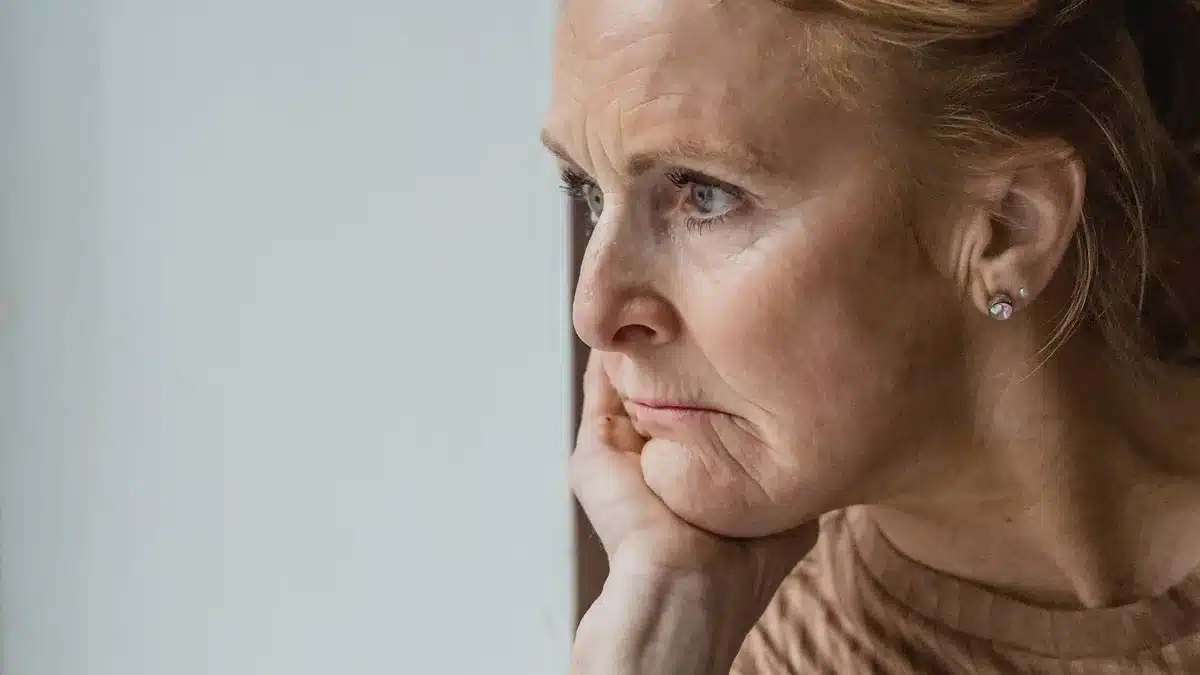
Even people who love solitude can slip into isolation, especially after an illness, a loss or a move. It helps to watch for warning signs.
| Warning Sign | What to Do |
|---|---|
| Going days without talking to anyone | Schedule regular calls or visits |
| Losing interest in favorite hobbies | Talk with a doctor about mood |
| Skipping meals or poor eating | Consider meal delivery or shared meals |
| Avoiding leaving home | Plan one small outing each week |
| Feeling hopeless or very sad | Seek help from a doctor or counselor |
The table lists common signs and simple responses. Noticing changes early can keep solitude healthy rather than harmful.
Depression is common and treatable at any age. Medicare covers a yearly depression screening in primary care, and counseling is often covered too.
How to Balance Solitude and Connection
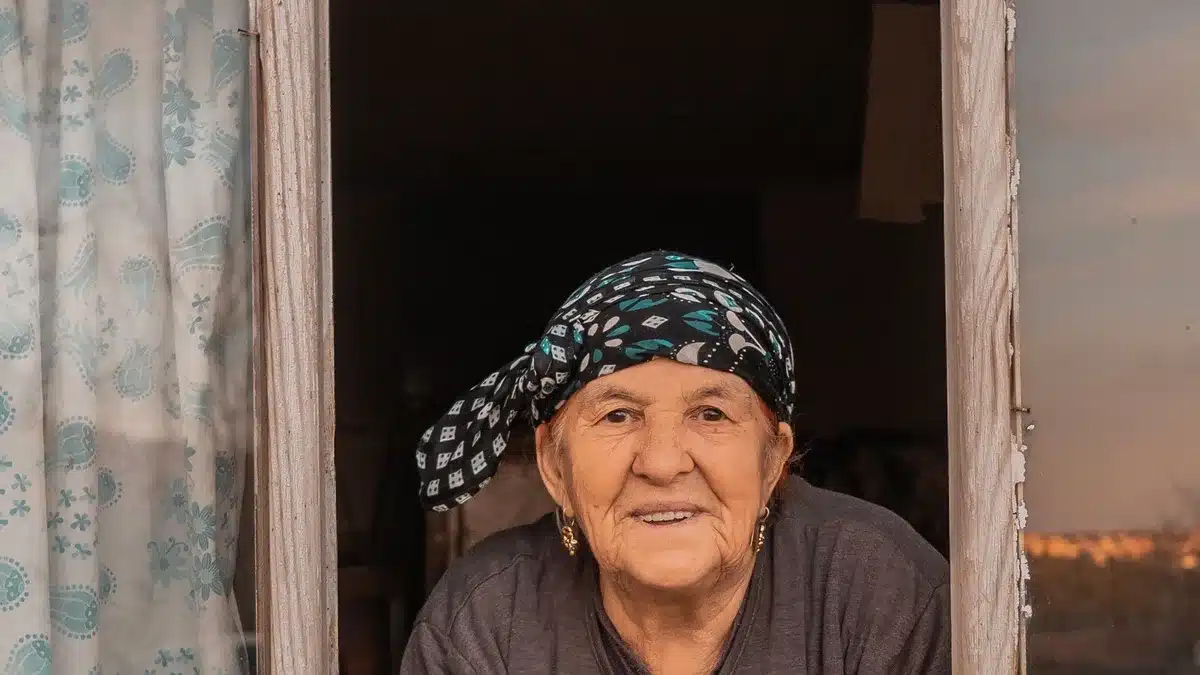
Thriving alone is about balance. The goal is enough solitude to feel rested and free, and enough connection to feel supported.
Doreen’s week shows that solitude and connection can work together. She spends most of her time alone, but she’s never truly cut off.
Anyone can build a similar balance. Start by deciding how many hours of quiet feel good, then schedule a few regular connections to anchor the week.
Revisit the balance every few months. Needs change after an illness, a move or a loss, and adjusting early keeps solitude a source of strength rather than strain.
Common Myths About Seniors Who Live Alone
One common myth is that everyone who lives alone is lonely. In reality, many older adults who live alone report strong friendships and high life satisfaction, while some people in busy households feel deeply lonely.
Another myth is that living alone is always unsafe. Risks are real, but medical alert devices, daily check-ins and simple home changes can greatly reduce them.
A third myth is that people who enjoy solitude don’t like others. Most simply prefer smaller doses of social time and value depth over constant company.
A fourth myth is that living alone is only for people who have no other choice. Many older adults could move in with family or into a community but choose their own home because it suits them.
Finally, some assume living alone means giving up on new relationships. Plenty of solo seniors date, make new friends or form close bonds through volunteering and classes, all while keeping their own space.
Understanding these myths can help families support a parent who lives alone. Respecting their choice, while staying in regular contact, often works far better than pushing them to change.
Frequently Asked Questions
Is it healthy for seniors to live alone?
It can be, especially when solitude is chosen and balanced with regular social contact, good health habits and a safety plan. Problems tend to arise when living alone leads to isolation or loneliness.
What’s the difference between solitude and loneliness?
Solitude is time alone that you choose and enjoy. Loneliness is the painful feeling of being disconnected from others, whether you live alone or not.
How can older adults living alone stay safe?
Medical alert devices, daily check-ins with a friend, a spare key with a neighbor and home safety changes such as grab bars can all help. Having powers of attorney and health care directives in place is also important.
Does living alone cost more in retirement?
Often, yes. Single households can’t split housing, utilities and food costs, so budgeting carefully and keeping an emergency fund are especially important.
How can I tell if solitude is turning into isolation?
Warning signs include going days without talking to anyone, losing interest in hobbies, skipping meals or feeling sad most days. If you notice these signs, reach out to friends, family or a doctor.