
Many people spend decades chasing the next goal, the next purchase and the next milestone. Then retirement arrives, and the rush that once felt necessary leaves little room for enjoying the life they worked to build.
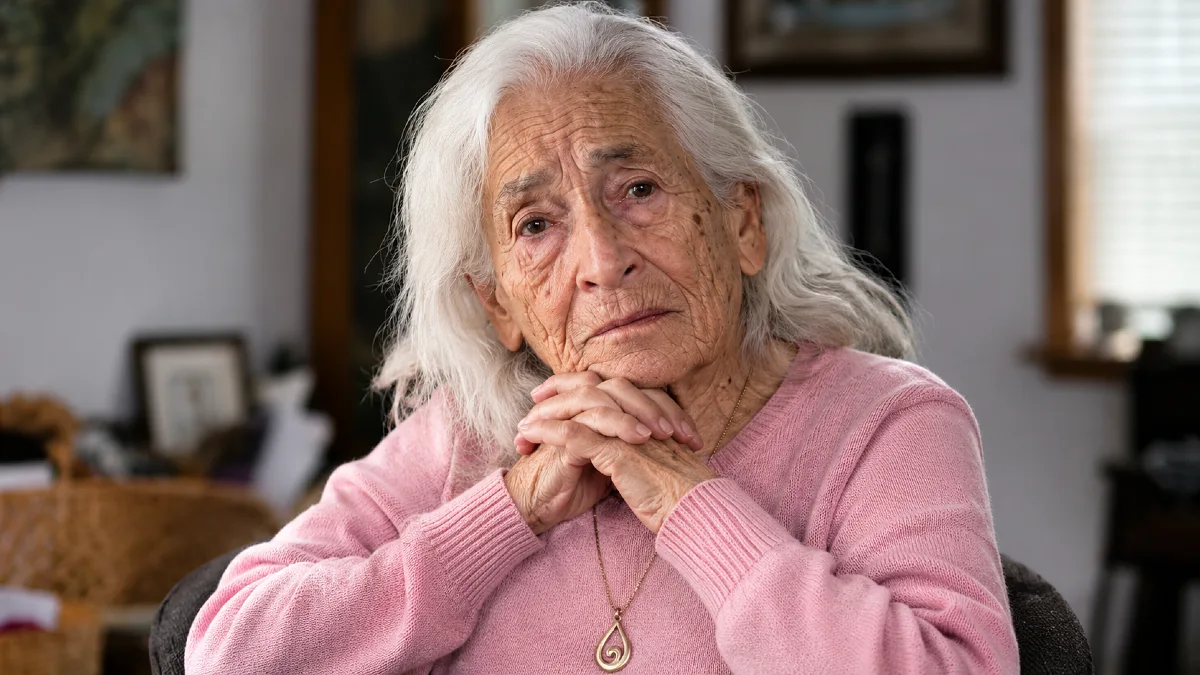
A 95-year-old woman, halfway through her 96th year, recently shared what she has learned. She did not talk about wealth or status. She talked about wonder, connection and slowing down.
Her three truths line up closely with research on happiness and aging. This article explains each one and shows how it applies to everyday decisions, including how you spend, save and protect your money.
Who Shared These Truths

The woman in the video describes an unhappy childhood. She felt like an outsider, always self-conscious and never sure how to play.
Later in life she survived cancer, and afterward she felt she had been given her life back. She decided to spend it sharing joy, gratitude and a gentle kind of light with others.
Now in her mid-90s, she says she is having a second, happier childhood. She accepts that her mobility will keep shrinking, yet she wants to live as fully as she can with what she still has.
Her message is not about avoiding aging or death. It is about meeting each stage with curiosity instead of fear, a lesson that matters for anyone planning the later decades of life.
| Truth | What She Means | What It Looks Like in Daily Life |
|---|---|---|
| 1. Stay full of wonder | Life is a mystery to explore | Try something new each week |
| 2. We are all connected | Everyone is made of the same stuff, yet unique | Invest time in people, not just things |
| 3. Go slow | Slowness shows you what matters | Pause before big decisions and purchases |
The table sums up her three truths. The sections below look at each one in more depth, along with the research behind it.
1. Stay a Child of Wonder

Her first truth is that wonder makes life worth living. She describes play as exploring, experimenting, being curious and not being afraid.
Because her own childhood felt joyless, she is learning to play for the first time in her 90s. She looks closely at flowers, trees and even a compost pile, and finds astonishment in each one.
Researchers have studied this feeling, usually called awe. Psychologist Dacher Keltner of the University of California, Berkeley, describes awe as the feeling of being in the presence of something vast that we do not immediately understand.
A study of older adults led by researchers at the University of California, San Francisco, tested weekly 15-minute “awe walks” over eight weeks. Participants who were encouraged to notice the vastness and detail around them reported more joy and other positive emotions than a comparison group.
Wonder is also one of the cheapest pleasures available. A walk in a park, a sunrise, a library book or a museum on a free admission day can deliver more lasting joy than many purchases.
2. We Are All Made of the Same Stuff
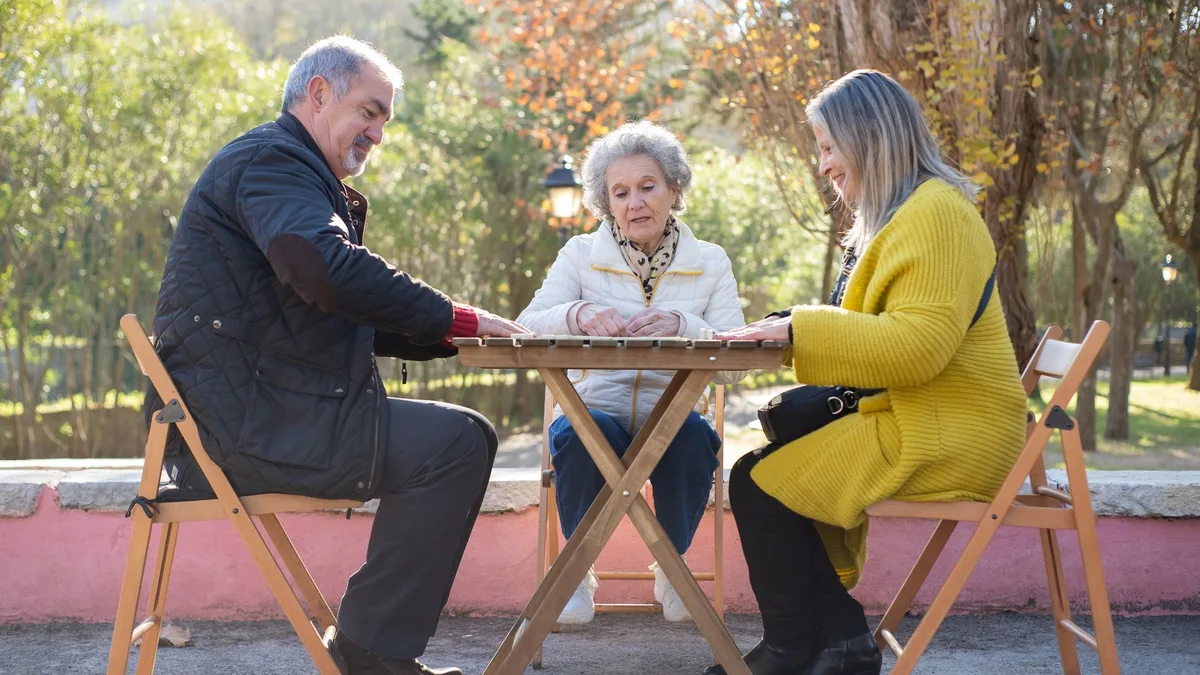
Her second truth is about connection. She says we are all made of the same cells and molecules, like pieces of a kaleidoscope that form a new pattern with every turn.
Yet every person is also unique. She sees herself in trees, grass and other people, all “the same and different,” and she finds comfort in belonging to something larger.
This view has practical value. People who feel connected to others tend to be more generous, less lonely and more willing to ask for help when they need it.
Research supports the health side of connection. A 2010 review of 148 studies, led by Julianne Holt-Lunstad, found that people with stronger social relationships had about a 50% greater likelihood of survival over the study periods.
In 2023, the U.S. Surgeon General released an advisory on the loneliness epidemic. It warned that social disconnection is linked to higher risks of heart disease, stroke, depression and dementia.
3. Go Slow, and You Will Know

Her final truth is her answer to the question of longevity. People keep asking her for the one secret that guarantees a long life, and her answer is simply to go slow.
Going slow, she says, helps you know where to look for the truth and when to speak from the heart. It also helps you understand that the only way to enjoy a day is to live it right now.
Slowness runs against modern habits. Many people rush through meals, conversations and decisions, then wonder where the years went.
For retirees, going slow can mean savoring a morning instead of filling every hour. It can also mean slowing down before making decisions with lasting consequences, especially about money.
Finding Purpose After a Second Chance
The woman says that surviving cancer made her look for a reason she had been spared. Over many years, she decided her purpose was to share joy, gratitude and harmlessness with the people around her.
A sense of purpose matters at every age. A 2019 study in JAMA Network Open, which followed nearly 7,000 adults over 50, found that those with the strongest sense of purpose in life had a lower risk of death during the study period.
Purpose does not have to be grand. Caring for grandchildren, mentoring, gardening, volunteering or simply being a kind presence in a neighborhood can all give days meaning.
Retirement can leave a gap where work once supplied structure and purpose. Planning how you will spend your time deserves as much attention as planning how you will spend your money.
Letting Go of Comparison
The woman’s idea that everyone is the same and different also frees people from constant comparison. If each person is unique, there is little point in measuring your life against a neighbor’s house, car or travel photos.
Comparison often drives spending. Social media can make it seem as if everyone else is taking cruises, remodeling kitchens and buying new cars.
A retirement plan built around your own values is far easier to stick with. Ask what truly brings you joy, then direct money toward those things and away from purchases meant to impress others.
Why Rushing Is Expensive

Many costly money mistakes happen in a hurry. A pushy salesperson, a limited-time offer or a sudden fear about the market can lead to choices that are hard to reverse.
Going slow protects your savings. A simple rule, such as waiting 48 hours before any large purchase or investment change, gives emotions time to settle.
Some consumer rules already build in a pause. The Federal Trade Commission’s Cooling-Off Rule gives buyers three days to cancel certain sales made at home or at temporary locations, and many annuities include a free-look period set by state law.
| Rushed Decision | Possible Cost | Slower Alternative |
|---|---|---|
| Selling investments in a market drop | Locking in losses | Review your plan before acting |
| Buying a complex annuity at a seminar | High fees and surrender charges | Take documents home and compare |
| Claiming Social Security without a plan | Smaller lifetime benefits | Compare claiming ages first |
| Paying a caller who demands urgency | Fraud losses | Hang up and verify independently |
| Cosigning or lending large sums | Damaged credit or lost money | Sleep on it and set limits |
None of these choices is always wrong. The point is that a slow, informed decision usually costs less than a fast, emotional one.
Slowness Is a Shield Against Scams

Scammers depend on speed. They create panic with claims about a frozen account, a grandchild in trouble or a government penalty that must be paid immediately.
The FBI’s Internet Crime Complaint Center reported that people aged 60 and older lost nearly $4.9 billion to fraud in 2024. Many of those losses began with a message that demanded quick action.
Going slow is the best defense. Legitimate banks, government agencies and family members can wait while you hang up and call a number you already know is real.
Agree on a family rule that no money moves because of an unexpected call, text or email. That one habit can protect years of savings.
Spending on Wonder, Not Just Things

The woman’s view of wonder has a money lesson. Joy often comes from attention and experience rather than from new possessions.
Many sources of awe cost little or nothing. Public libraries, parks, community classes and free museum days offer endless chances to explore.
Older adults also qualify for valuable discounts. The America the Beautiful Senior Pass, available to U.S. citizens and permanent residents 62 and older, costs $80 for lifetime access to more than 2,000 federal recreation sites, or $20 for an annual pass.
| Low-Cost Source of Wonder | Typical Cost | Why It Helps |
|---|---|---|
| Nature walks and parks | Free or low cost | Builds awe and gentle exercise |
| Public library programs | Free | Feeds curiosity and social contact |
| National parks with a Senior Pass | $80 for life at 62+ | Access to vast landscapes |
| Community college classes | Often reduced for older adults | Learning something new |
| Stargazing and birdwatching | Free | Daily practice of noticing |
Planning a budget for experiences makes them easier to enjoy without guilt. Even a modest monthly amount can fund regular outings that bring real happiness.
Gratitude as a Daily Practice
Gratitude runs through everything the woman says. She is thankful for being able to breathe easily, for each day and for the mystery of being alive.
Research suggests gratitude is worth practicing. In a well-known 2003 study, psychologists Robert Emmons and Michael McCullough found that people who kept weekly gratitude lists reported feeling better about their lives than those who recorded hassles.
Gratitude can also change how people feel about money. Noticing what you already have can ease the pull to keep buying more, which helps a retirement budget stretch further.
A simple practice is to write down three good things each evening. They can be small, such as a call from a friend, a good meal or a quiet walk.
Investing in Relationships

If everyone is connected, then time spent with others is one of the best investments a person can make. That idea matches decades of research on aging well.
The Harvard Study of Adult Development, which began in 1938, found that close relationships were strongly linked to happiness and health in later life. Warm connections mattered more than wealth or fame.
Relationships need regular care, just like a savings account. Small, steady deposits, such as weekly calls, shared meals and showing up for events, build trust over time.
Volunteering is another way to connect. AmeriCorps Seniors programs, for people 55 and older, match volunteers with roles such as mentoring children and helping other older adults live independently.
Being Present in the Moment

The woman says the only way to enjoy this day is right now. It sounds simple, yet many people spend much of their time worrying about the future or replaying the past.
Retirees often carry money worries into every day, even when their plans are sound. A clear written plan can quiet that worry and free attention for the present.
Presence can be practiced. Putting the phone down during meals, noticing sounds on a walk and listening fully in conversation all build the habit.
Slow Money Habits for Retirement
Going slow applies to ongoing money management, not just to big decisions. Checking investment balances every day can feed anxiety and tempt people into frequent changes.
A calmer approach is to review your plan on a set schedule, such as once or twice a year. Rebalancing, updating your budget and checking beneficiaries can all happen during that review.
Automating routine tasks also slows the pace in a helpful way. Automatic bill payments and a set monthly transfer from savings to checking reduce the number of decisions you must make each month.
When a major change does come, such as a home sale, a large inheritance or the death of a spouse, many advisors suggest waiting before making big moves. A few months of reflection can prevent choices driven by grief or excitement.
Facing Mortality With Calm

The woman speaks openly about her coming death. She hopes to leave gently, aware and grateful, without needing to understand everything.
Calm acceptance is easier when practical matters are settled. A will, a durable financial power of attorney, a health care proxy and an advance directive let loved ones act on your wishes.
| Planning Step | Why It Matters | When to Review |
|---|---|---|
| Will or trust | Directs property and guardianship | After major life changes |
| Beneficiary designations | Override a will for many accounts | Every few years |
| Durable financial power of attorney | Lets a trusted person manage money | Every few years |
| Health care proxy and advance directive | Guides medical decisions | After a new diagnosis |
| Account and contact list | Helps family find everything | Once a year |
Beneficiary forms deserve special attention. Retirement accounts and life insurance usually pass to the named beneficiary, even if a will says otherwise.
Laws and forms differ by state. An estate planning or elder law attorney can make sure documents are valid where you live.
A Hypothetical Example
The following is a hypothetical example, not a real person. Marion, 72, had a solid retirement plan but still felt anxious and spent most days at home reading the financial news.
After hearing ideas like these, she made three small changes. She joined a weekly nature walk group, set a monthly budget for outings and set a 48-hour rule for any money decision over $1,000.
Within a few months, Marion said she felt calmer and more connected. Her rule also helped her turn down a high-pressure annuity pitch that she later learned had steep surrender charges.
Three Truths, Three Weekly Habits
Take one 15-minute walk where you only notice and explore.
Reach out to one person you have not talked to in a while.
Wait 48 hours before any big purchase or money move.
Wonder When Mobility Shrinks
The woman openly says more limits are on the way, with less mobility each year. She does not wait for her body to improve before enjoying life, and she adapts to what she still can do.
Many older adults face similar changes. Arthritis, balance problems or vision loss can make long trips and busy outings harder.
Wonder can adapt, too. A bird feeder outside a window, a potted garden, audiobooks, music, video calls with family and short seated walks in a park all bring new things to notice.
Spending choices can support this shift. Money once set aside for big trips might go toward a comfortable patio chair, a quality pair of binoculars or rides to nearby places that still bring joy.
What Younger Generations Can Learn
Her lessons are not only for people in their 90s. Adult children and younger retirees can use them long before limits arrive.
Building habits of wonder, connection and slowness early makes them easier to keep later. A person who learns to savor a walk at 60 is more likely to enjoy a shorter walk at 90.
Families can also share these ideas across generations. Asking an older relative what brings them wonder often leads to stories, advice and a deeper bond.
Putting the Three Truths to Work
These truths work best as habits rather than ideas. Pick one small action for each and repeat it every week.
For wonder, schedule a weekly outing that has no goal except exploring. For connection, keep a short list of people to call and work through it.
For going slow, write down your personal pause rules for money and share them with a trusted family member. Clear rules make it easier to say no under pressure.
Frequently Asked Questions
What are the three truths from the 96-year-old woman?
She describes staying full of wonder, recognizing that all people are connected, and going slow. She sees slowness as the closest thing to a secret of longevity.
Does research support the benefits of awe?
Yes. A study of older adults found that weekly 15-minute awe walks over eight weeks increased joy and other positive emotions compared with a control group.
How does going slow help with money?
Many costly decisions and scams depend on urgency. Waiting before big purchases, investment changes or payments gives you time to check facts and ask for advice.
How much is the Senior Pass for national parks?
The America the Beautiful Senior Pass costs $80 for a lifetime pass or $20 for an annual pass. It is available to U.S. citizens and permanent residents aged 62 and older.