
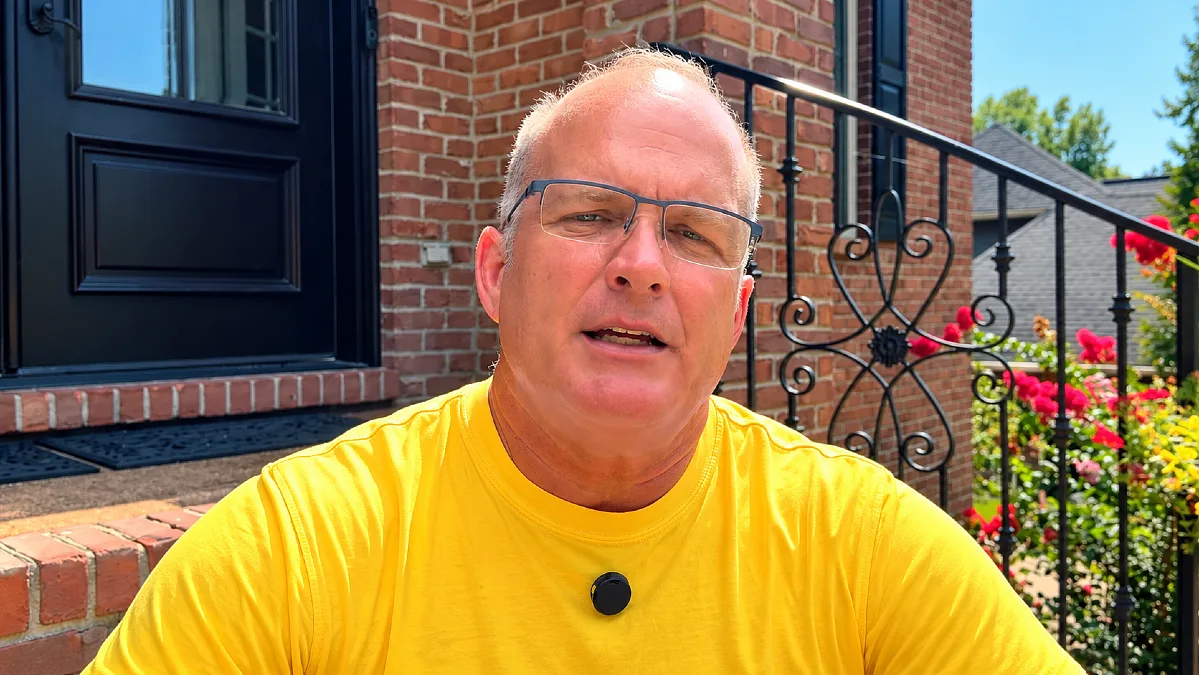
At 62, Koe Jhun has started looking at retirement mistakes very differently. During his working years, he could make a bad decision, learn from it, and spend the next few years fixing the damage.
Retirement doesn’t offer that same luxury, especially when a mistake involves money, health, or time that can never be recovered.
That realization came during a recent exercise walk. Koe spent decades solving problems, taking risks, and making decisions without knowing exactly how things would turn out.
But now he’s entering a stage of life where being right most of the time may no longer be good enough.
1. Trying to Time the Stock Market With Retirement Savings

During his career, Koe Jhun worked on improving business operations. Sometimes that meant replacing old systems with new approaches that promised better results. He knew every decision carried risk, and he accepted that some ideas would fail.
Being right 70% or 80% of the time could still produce excellent results. There was usually enough time to learn from mistakes, adjust the approach, and try again. Retirement investing is different because a major financial mistake could take years to overcome.
Koe knows people who try to predict when the stock market will rise or fall. They study valuations, economic reports, interest rates, and other indicators. Then they move large amounts of money in or out of stocks based on what they believe will happen next.
Sometimes those predictions work. But getting out at the right time is only half the challenge because investors also need to know when to get back in. Missing a strong market recovery could damage a retirement portfolio for years.
What Koe is doing instead: He’s building an investment strategy around his actual financial needs rather than predictions about next month’s market. He wants an allocation he can maintain through difficult periods without feeling forced to make emotional decisions.
At 62, Koe doesn’t need to prove that he can outsmart Wall Street. He needs his retirement savings to support the life he wants without exposing him to risks he doesn’t fully appreciate.
2. Underestimating What Inflation Could Do Over 30 Years

Of all the financial risks that concern Koe Jhun, inflation may be the one he thinks about most. A stock market decline is painful, but markets have historically recovered from many major downturns. Inflation creates a different problem because higher prices can permanently change the cost of everyday life.
Even when inflation slows, prices don’t automatically return to their previous levels. If groceries, utilities, insurance, and home repairs become more expensive, retirees need more dollars to maintain the same standard of living.
Consider what happens when inflation averages 3% annually over a long retirement.
| Time Into Retirement | Annual Spending Needed to Match $60,000 Today |
|---|---|
| Starting retirement | $60,000 |
| After 5 years | $69,556 |
| After 10 years | $80,635 |
| After 20 years | $108,367 |
| After 30 years | $145,636 |
These are hypothetical projections using a steady 3% annual inflation rate. Actual inflation will change from year to year, and personal spending patterns will also change.
The numbers still make something clear. A lifestyle costing $60,000 today could require more than $145,000 annually after 30 years just to purchase roughly the same things.
What Koe is doing instead: He’s testing his retirement plan against several inflation scenarios instead of assuming prices will always rise slowly. He also wants enough long term growth potential in his investments to help offset rising costs.
He’s paying special attention to expenses that may increase faster than general inflation, including medical care, insurance, and home maintenance. Those costs could become significant just when his ability or willingness to earn additional income is declining.
3. Becoming Either Too Conservative or Too Aggressive With Investments

One mistake Koe Jhun is determined to avoid is taking more investment risk than his retirement can handle. But he’s equally concerned about becoming so conservative that his money loses purchasing power over time.
He’s seen people become attached to individual stocks because those companies performed exceptionally well during their careers. Others become frightened by market volatility and move nearly everything into cash.
Both approaches can create problems. A concentrated portfolio could suffer substantial losses if one company struggles, while holding too much cash for decades could leave someone vulnerable to inflation.
The difficult part is that there isn’t one perfect investment mix for everyone. Koe’s allocation needs to reflect his Social Security income, spending needs, health, other assets, and willingness to accept temporary losses.
Someone receiving a substantial pension may be comfortable taking more investment risk than someone who depends almost entirely on portfolio withdrawals. Two people with identical savings can therefore need completely different strategies.
What Koe is doing instead: He’s reviewing how much risk he can afford financially and how much volatility he can tolerate emotionally. Those two questions are related, but they aren’t always answered the same way.
He also wants to know what happens if stocks fall sharply during his first few years of retirement. If a 35% decline would force him to abandon his entire plan, that’s a warning that he may be taking too much risk.
4. Entering Retirement Without a Flexible Spending Plan

For most of Koe’s career, the money management process was fairly simple. He earned a paycheck, paid his expenses, saved what he could, and invested for the future.
Retirement turns that process around. Instead of regularly adding money to his accounts, he’ll need to decide how much to withdraw, which accounts to use, and when to adjust his spending.
That’s a completely different responsibility. And Koe doesn’t believe choosing a withdrawal percentage solves the entire problem.
The traditional 4% rule can provide a useful starting point for retirement discussions. But it is based on specific historical assumptions and doesn’t automatically tell someone how much they should spend in every situation.
Real life isn’t that predictable. Some years may include expensive travel, home improvements, or helping family members. Other years may be quieter and less expensive.
Koe has also become concerned about being so careful with his money that he reaches his 80s with considerable savings but regrets not enjoying more experiences while he was physically able.
What Koe is doing instead: He’s separating essential expenses from optional spending and major purchases. He wants to know exactly which costs he must cover and which ones he can adjust when conditions change.
| Spending Category | Examples | Koe’s Approach |
|---|---|---|
| Essential expenses | Housing, groceries, insurance, utilities | Protect reliable funding |
| Flexible expenses | Travel, dining, hobbies | Adjust based on financial conditions |
| Large purchases | Vehicles, renovations, major vacations | Plan separately from regular spending |
| Emergency expenses | Medical bills, urgent home repairs | Maintain accessible reserves |
| Future care needs | Home assistance, accessibility changes | Include realistic scenarios |
This allows Koe to make changes without treating every unexpected expense like a financial emergency. It also gives him permission to enjoy retirement when the numbers support doing so.
His goal isn’t to spend as little as possible. It’s to use the money he’s saved in a way that supports his life without creating unnecessary financial stress.
5. Working So Long That He Loses His Healthiest Retirement Years

This is one mistake Koe Jhun believes retirees don’t discuss enough. People spend years calculating how much additional money they’ll accumulate by working longer, but they often ignore what those extra working years may cost them.
Koe is 62 now, and he can already feel differences compared with his early and middle 50s. Certain activities require more recovery time, and minor injuries sometimes take longer to heal.
That doesn’t mean he considers himself old or incapable. It means he’s becoming more aware that his physical abilities won’t remain unchanged forever.
Retirement planners sometimes describe the early years as the “go go years.” These are the years when many retirees hope to travel, explore, stay active, and enjoy experiences that require energy and mobility.
After that may come slower years when activities become less demanding. Eventually, some people enter a stage when health concerns and care needs become more important.
These aren’t fixed stages or guaranteed outcomes, but they remind Koe that his healthiest years are valuable. Working until 70 might improve his financial position, yet it could also leave him with fewer years to enjoy certain experiences.
What Koe is doing instead: He’s comparing the financial benefits of working longer with the personal cost of postponing retirement. He wants to know what another year of employment actually buys him and what it might prevent him from doing.
Maybe working another year makes a meaningful difference in financial security. Or maybe it only increases an already comfortable balance while delaying experiences he deeply values.
Koe refuses to assume that working longer is automatically the wiser choice. At 62, time deserves a place in his retirement calculations alongside dollars.
6. Claiming Social Security Without Considering the Full Picture

Social Security timing is one of the biggest decisions Koe Jhun is trying to get right. He’s heard plenty of people say they want to claim at 62 simply because they’ve paid into the system for decades and want their money immediately.
Koe can appreciate that reasoning. But collecting benefits as early as possible isn’t always the same as getting the best outcome for a household.
For someone with a full retirement age of 67, claiming at 62 generally reduces their own retirement benefit by 30% compared with claiming at full retirement age. Waiting beyond full retirement age can increase that benefit further, up to age 70.
However, delaying isn’t automatically the right decision either. Health, current income needs, life expectancy, taxes, and marital status all matter.
One factor Koe finds especially important is the surviving spouse. For married couples, the higher earner’s claiming decision can affect the amount of Social Security income available after one spouse dies.
Focusing only on how much money someone can collect during their own lifetime could overlook how that decision affects their spouse years later.
What Koe is doing instead: He’s running several claiming scenarios using different retirement ages, benefit amounts, and life expectancy assumptions. He’s also looking at how Social Security fits with withdrawals from other retirement accounts.
He wants to consider taxes, survivor benefits, and the possibility of living much longer than expected. Most importantly, he wants to understand what he’s giving up with each claiming choice.
There may never be one mathematically perfect answer because nobody knows exactly how long they’ll live. But Koe believes it’s still possible to make a decision based on evidence rather than frustration, fear, or what someone else happens to be doing.
7. Retiring Without a Serious Tax Strategy

During most of Koe Jhun’s working life, taxes happened almost automatically. Money was withheld from his paycheck, and he filed a return each year.
Retirement introduces decisions he didn’t have to think about as carefully before. Suddenly, the order in which he withdraws money could affect how much tax he pays over many years.
Traditional retirement accounts, Roth accounts, taxable investments, and Social Security benefits can all have different tax consequences. Decisions involving one account can influence what happens with another.
For example, taking a large distribution from a traditional IRA might increase taxable income for that year. Depending on someone’s situation, that could also affect the taxation of Social Security benefits or future Medicare premiums.
Then there are required minimum distributions from certain retirement accounts later in life. If Koe waits too long to consider those withdrawals, he could face higher taxable income during years when he has less flexibility.
What Koe is doing instead: He’s looking at taxes across his entire retirement rather than focusing exclusively on this year’s tax bill. That means examining withdrawal order, possible Roth conversions, and the years between leaving work and beginning required distributions.
He also wants to know whether paying more tax in one year could reduce his total tax burden over the following decades. Sometimes a decision that feels expensive today may be beneficial when viewed over a longer period.
Tax rules can change, so Koe doesn’t expect to create one strategy and forget about it. He’ll need to revisit the numbers whenever his income, family circumstances, or the law changes.
He considers this one of the strongest reasons to involve a qualified tax professional alongside a financial planner. A good retirement strategy should consider both investment results and the money a retiree actually gets to keep.
8. Selling Investments at the Worst Possible Time

One financial danger Koe Jhun keeps returning to is what happens when the stock market falls early in retirement. A downturn is uncomfortable while someone is working, but regular earnings can allow that person to continue investing and avoid selling assets.
Once retired, Koe may need portfolio withdrawals to pay his bills. That changes the situation because selling investments after a substantial decline can permanently reduce the number of shares available for a future recovery.
This problem is often called sequence of returns risk. Two retirees could earn similar average investment returns over time but end up with different results because their gains and losses occur in a different order.
A large loss early in retirement can be especially damaging when withdrawals continue during the downturn. That’s why Koe is more concerned with the timing of poor returns than he was during his accumulation years.
What Koe is doing instead: He’s considering how to maintain enough accessible money and relatively stable assets to help cover expenses during difficult markets. He also wants clear rules for reducing optional spending if his investments decline substantially.
This doesn’t mean keeping every retirement dollar in cash or avoiding stocks. It means having a withdrawal strategy that reduces the chance he’ll be forced to sell large amounts of depressed investments.
Koe wants to test what happens if the market drops 25%, 35%, or even 40% shortly after he retires. If the plan survives only when the market behaves perfectly, it’s probably not ready.
The purpose of this preparation isn’t to predict the next crash. It’s to make sure a market downturn doesn’t force him into decisions that damage the rest of his retirement.
9. Forgetting How Much Healthcare Could Change His Financial Plan

Healthcare is one expense Koe Jhun doesn’t want to underestimate. At 62, he’s still several years away from the usual Medicare eligibility age of 65, which creates an important planning issue if he decides to leave work before then.
He needs to know exactly how health insurance would work during that period. Premiums, deductibles, prescription costs, and potential changes in coverage all belong in his retirement calculations.
Even after Medicare begins, healthcare doesn’t become free. Depending on the coverage selected, Koe may still face premiums, deductibles, copayments, prescription expenses, and services that aren’t fully covered.
Long term care is another concern. Not everyone will need extensive assistance later in life, but the financial impact can be substantial for those who do.
Koe doesn’t want to reach his late 70s or 80s and discover that his plan assumed his health would stay exactly as it is today.
What Koe is doing instead: He’s building healthcare expenses into his retirement projections and testing what happens when those costs rise faster than expected. He’s also reviewing the insurance choices available before and after Medicare eligibility.
Just as important, he’s paying attention to his physical health now. Walking, strength training, medical checkups, and maintaining healthy daily habits won’t eliminate every future problem, but they may help protect his independence.
Koe sees retirement health planning as two connected responsibilities. One is preparing financially for medical expenses, and the other is preserving as much physical ability as possible.
Money can help pay for care, but it can’t guarantee that someone will have the strength or mobility to enjoy every experience on their retirement list.
10. Assuming Retirement Will Automatically Give His Life Purpose

For decades, work gave Koe Jhun’s days a certain structure. He had problems to solve, people who depended on him, and responsibilities that made him feel useful.
Retirement will remove much of that structure almost overnight. Even if he’s financially comfortable, he could find himself wondering what he’s supposed to do with all those uncommitted hours.
Koe has seen people become excited about leaving work, only to discover that freedom feels different when every day looks the same. Vacations are wonderful partly because they interrupt normal routines. When every day is a vacation, some of that excitement can disappear.
He doesn’t want to spend years building financial independence and then discover that he has nothing meaningful to do with it.
What Koe is doing instead: He’s thinking about the activities, relationships, and personal goals that will give his retirement structure. Some of those activities may involve travel, hobbies, volunteering, mentoring, or simply spending more time with people he cares about.
He’s also considering what parts of his career he’ll genuinely miss. It might not be the meetings, deadlines, or long working hours. It could be the satisfaction of solving problems and knowing that his effort made a difference.
If that’s true, Koe needs to find new ways to experience that same satisfaction. Helping someone else, learning something difficult, or participating in a community project may provide meaning without requiring another demanding career.
He wants retirement to give him more control over his time, but he doesn’t want that freedom to turn into an empty calendar. A satisfying retirement needs something worth getting out of bed for.
11. Trusting His Own Retirement Plan Without Testing It Against Reality

This final mistake connects all the others. Koe Jhun has spent much of his professional life solving complicated problems, so it’s tempting for him to believe he can handle retirement planning entirely on his own.
But experience has also taught him something important. Being confident about a decision doesn’t necessarily mean the decision is correct.
He can create a detailed financial plan and still overlook an important assumption. Maybe his expected investment returns are too optimistic, his spending estimates are too low, or he’s underestimated inflation.
That’s why Koe doesn’t want to make major retirement decisions without getting another perspective. A second opinion can reveal weaknesses that he might overlook because he’s become attached to his original plan.
What Koe is doing instead: He uses retirement planning software, including Boldin, to explore different scenarios. He can change assumptions about retirement dates, spending, Social Security, inflation, and investment performance to see how the results change.
He also believes in talking with a qualified financial planner and people who are willing to challenge his thinking. A useful retirement discussion shouldn’t simply confirm what someone already wants to hear.
Sometimes the smartest decision after reviewing everything is to make no changes at all. But that decision feels different when Koe has tested the alternatives and knows why his existing approach still makes sense.
Here are the questions Koe wants answered before making a major retirement decision.
| Question Koe Is Asking | Why It Matters |
|---|---|
| What happens if the stock market falls sharply? | Tests whether investments and withdrawals can handle a downturn |
| What if he lives until 95? | Tests whether savings can support a long retirement |
| What if inflation remains higher than expected? | Shows how rising costs could affect future spending |
| What if he retires two years earlier? | Reveals the tradeoff between additional savings and personal time |
| What if healthcare costs rise significantly? | Tests how unexpected expenses affect financial security |
| What happens to his spouse if he dies first? | Helps assess survivor income and household stability |
Koe doesn’t expect every projection to be accurate. Retirement planning involves too many unknowns for that to happen.
What he wants is a plan that shows where his biggest risks are and what options he’ll have if something goes wrong. That knowledge makes him far more comfortable taking reasonable risks.
The Biggest Change Koe Jhun Is Making at 62
After thinking through these 11 mistakes, Koe has realized that retirement requires a different mindset from the one that helped him succeed during his career.
At work, he could take a calculated risk, make a mistake, and spend several years correcting it. Sometimes those mistakes even led to better systems and stronger results because he had the time and resources to recover.
In retirement, he may not always have that same opportunity. A poor investment decision, an expensive tax mistake, or several unnecessary years spent working could have consequences that can’t easily be reversed.
But Koe doesn’t want the fear of mistakes to control his retirement either. Being excessively cautious can create its own regrets, especially when it prevents someone from enjoying experiences while they’re healthy enough to participate.
For Koe, the answer is learning how to take intentional risks. That means identifying what could go wrong, measuring the likely consequences, and knowing what adjustments he can make if events don’t unfold as expected.