

Being a long-distance grandparent can bring a quiet kind of heartbreak. You see photographs of birthdays you couldn’t attend, hear about school events after they’ve happened, and sometimes wonder whether your grandchildren truly know you beyond a face on a screen.
But living hundreds or even thousands of miles apart does not mean becoming a stranger. Grandparents can build meaningful relationships through regular contact, shared traditions, small surprises, and genuine interest in their grandchildren’s everyday lives.
The secret is not expensive gifts or constant video calls. It is finding simple ways to become a familiar, trusted, and loving presence, even when you cannot physically be there.
Distance Changes Grandparenting, but It Doesn’t Have to Weaken the Bond

Long-distance grandparenting is becoming a familiar reality for many families. Adult children relocate for work, grandchildren grow up in different states, and retirees sometimes move somewhere more affordable or comfortable.
Research published in the Journal of Aging Studies found that long-distance grandparent relationships can grow closer, become more distant, or change in different ways over time.
Shared experiences, technology, personal effort, family circumstances, and grandchildren’s increasing independence all influence those relationships.
That means distance is only one part of the picture. A grandparent who lives 800 miles away but stays genuinely involved may build a warmer connection than one who lives nearby but rarely shows interest.
The most useful approach depends partly on your grandchild’s age.
| Grandchild’s Age | What Often Works Best | What Matters Most |
|---|---|---|
| Babies and toddlers | Short video chats, songs, familiar voices | Recognition and repetition |
| Ages 3–6 | Stories, silly games, picture postcards | Playful interaction |
| Ages 7–12 | Shared hobbies, projects, regular calls | Personal attention |
| Teenagers | Texting, private conversations, shared interests | Respect and independence |
| Adult grandchildren | Occasional calls, thoughtful messages, family traditions | Mutual connection |
There is no perfect schedule that works for every family. The goal is to create a relationship that feels natural instead of turning every conversation into another obligation.
1. Create a Weekly Tradition They Can Count On

A relationship becomes stronger when contact feels familiar. Instead of calling at random and hoping everyone is available, consider creating a small weekly tradition your grandchild can anticipate.
That might mean a Sunday evening video call, a Wednesday bedtime story, or a Saturday morning conversation while everyone eats breakfast. The particular day matters less than finding a time that works for the family.
For younger grandchildren, a regular greeting or familiar song can make the experience especially enjoyable. Older children may appreciate knowing their grandparent will be available for a conversation without needing a special reason.
Consistency matters more than the length of the call. Ten enjoyable minutes can be more meaningful than an hour spent trying to keep a distracted child interested.
Work with the parents to choose a realistic schedule. If someone misses a call because of illness, school, work, or another commitment, respond with understanding rather than disappointment.
The goal is to make your presence comforting and predictable, not something the family feels pressured to maintain.
2. Turn Video Calls Into Something More Than Conversation

One common mistake long-distance grandparents make is expecting young children to sit still and answer questions. Asking about school, dinner, and homework may work for a few minutes before their attention moves somewhere else.
Instead, turn the call into an activity. Play a guessing game, make funny faces, introduce a stuffed animal, or ask your grandchild to show you something interesting from their room.
The American Academy of Pediatrics recognizes video chatting as a useful way for young children to maintain relationships with distant family members. Interactive calls, especially with support from a parent or caregiver, can help children become more familiar with people they cannot regularly see in person.
For older grandchildren, technology creates different possibilities. You might solve a crossword together, discuss a book, watch a favorite sports team, or work on a simple creative project.
The important change is moving away from treating every call like an interview. Shared activities provide something enjoyable to focus on while conversation develops naturally.
And if a toddler wanders away after three minutes, don’t take it personally. Their behavior reflects their age and attention span, not necessarily how much they love you.
3. Send Real Letters and Postcards They Can Hold

Digital communication makes staying connected easier, but a handwritten letter offers something different. Your grandchild receives a physical reminder that you were thinking about them even when you were apart.
A postcard does not need an impressive message. You could describe the bird that landed outside your window, share a funny memory, or explain what the weather looks like where you live.
Young children may enjoy receiving colorful postcards with their names written clearly on the front. School-age grandchildren might appreciate a short letter containing a joke, a question, or a small drawing.
As they grow older, handwritten correspondence can become a personal tradition. You might exchange favorite recipes, newspaper clippings, family stories, or photographs from different stages of your life.
Consider creating a special box where your grandchild can keep the letters. Over the years, those ordinary pieces of paper may become meaningful reminders of your relationship.
The beauty of handwritten correspondence is that it does not disappear when a call ends. Your words remain available whenever your grandchild wants to revisit them.
4. Take a Genuine Interest in Their Everyday World

Children notice when adults remember the details of their lives. Asking about a favorite teacher, a new pet, or an upcoming soccer game can communicate something powerful: their experiences matter to you.
Try keeping a small notebook with details your grandchildren share. Record birthdays, favorite hobbies, friends’ names, school activities, and events they are excited about.
Then use those details in future conversations. Instead of asking another general question about school, you might ask whether the science project went well or how the dance recital turned out.
For teenagers, this can be especially meaningful. Their interests may seem unfamiliar, but showing curiosity without immediately offering criticism gives them room to share more of themselves.
You do not have to understand every video game, musician, or online trend. Sometimes asking your grandchild to explain something puts them in the enjoyable position of teaching you.
The goal is to know the person your grandchild is becoming, rather than holding onto the younger version of them you remember from your last visit.
That kind of attention helps a relationship grow as children change.
5. Record Stories They Can Listen to Whenever They Want
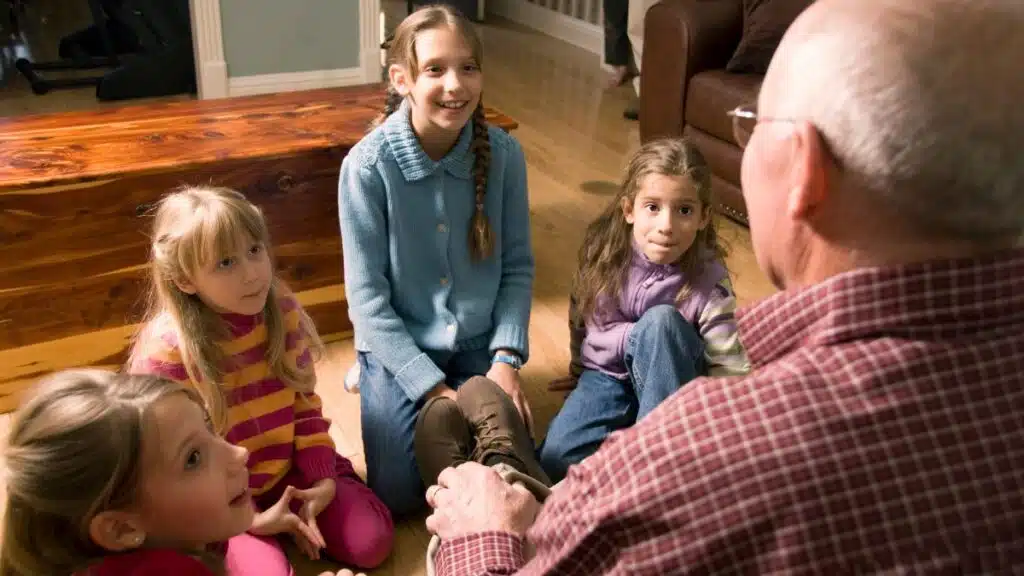
Your voice can become a familiar source of comfort, especially for young grandchildren who don’t understand why you live so far away. Recording a bedtime story, a favorite nursery rhyme, or a short goodnight message gives them something they can enjoy repeatedly.
You don’t need professional recording equipment. A smartphone is usually enough to capture a clear, personal message that parents can play whenever the moment feels right.
Consider recording stories about your own childhood. Describe your first bicycle, the games you played with neighborhood friends, or what school was like when you were growing up.
These personal memories offer something that ordinary children’s entertainment cannot. They introduce your grandchild to the person you were before becoming Grandma or Grandpa.
Older grandchildren might enjoy hearing about family history, important decisions, or funny experiences from your working years. You could eventually organize these recordings into a small family audio collection.
Over time, those recordings may become treasured pieces of family history. They preserve not only your stories but also the sound of your voice and the warmth with which you told them.
6. Start a Shared Project That Gives You Something to Discuss
One of the easiest ways to build a relationship across distance is to work toward something together. A shared project gives both of you a reason to reconnect without making every conversation feel forced.
You might plant the same type of flower in separate gardens and exchange photographs as it grows. Or choose a simple recipe that both households can prepare on the same weekend.
For school-age grandchildren, consider reading the same book or assembling similar puzzles. Each call becomes an opportunity to compare progress, share discoveries, and enjoy the experience together.
Teenagers might prefer a photography challenge, a sports prediction competition, or a shared playlist. The best project usually comes from something they already enjoy.
| Shared Activity | How to Make It Work Across Distance |
|---|---|
| Gardening | Grow the same plant and exchange progress photos |
| Reading | Choose one book and discuss a few chapters |
| Cooking | Prepare a family recipe on the same weekend |
| Photography | Exchange one interesting photograph each week |
| Crafts | Make similar projects and compare the finished results |
| Family history | Collect photographs and identify relatives together |
The activity itself does not need to be impressive. What matters is having something that belongs to both of you.
When the project ends, consider beginning another one based on your grandchild’s changing interests. This helps the relationship develop instead of becoming dependent on repeating the same conversations.
7. Build a Special Tradition That Belongs Only to You

Many strong family relationships include small traditions that outsiders might not understand. A funny greeting, an unusual nickname, or an ongoing joke can create a sense of belonging that survives long periods apart.
You could begin every phone call with the same silly question. Perhaps you exchange a photograph of the first flower blooming each spring or make birthday predictions that become increasingly ridiculous.
Some grandparents create an annual tradition around holidays. They might decorate cookies together over video, read the same Christmas story, or send a handwritten note every Thanksgiving.
The tradition does not need to involve money. In fact, simple routines are often easier to maintain because they do not depend on shipping schedules, travel expenses, or elaborate planning.
AARP’s guidance on grandparent relationships emphasizes the value of shared traditions, meaningful activities, and personal attention in creating family connections.
Allow your grandchildren to help invent these rituals. When they contribute their own ideas, the tradition becomes something they actively participate in rather than something they are expected to follow.
And don’t worry if a favorite tradition eventually changes. A game that delights a six-year-old may no longer interest a teenager, but the feeling of having something special together can continue in a new form.
8. Celebrate Ordinary Achievements, Not Just Birthdays
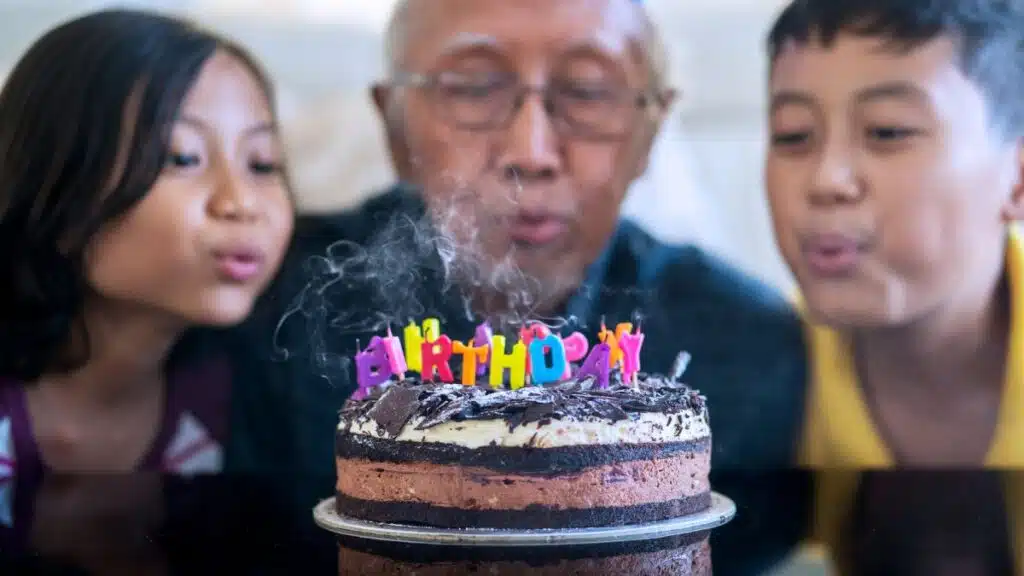
Birthdays and major holidays naturally bring families together through phone calls, gifts, and photographs. But children experience countless important moments throughout the year that never appear on a holiday calendar.
Learning to ride a bicycle, joining a school club, performing in a concert, or finishing a difficult book can feel like a major achievement to a young person. Remembering those moments shows that you are paying attention.
Ask parents to share upcoming events when they are comfortable doing so. A short congratulatory message after a spelling test or basketball game can help your grandchild feel supported.
Not every achievement needs a gift. Sometimes a cheerful voice message or handwritten card communicates more personal attention than a package ordered online.
It is also worth remembering that children experience disappointments. Being available after a difficult day, a lost competition, or a friendship problem can matter just as much as celebrating success.
Try not to turn every conversation into a lesson about working harder or doing better next time. Sometimes your grandchild simply needs someone to recognize that the experience mattered.
Being present for ordinary moments is one way to become part of their everyday life, even when you live far away.
9. Build a Strong Partnership With Their Parents
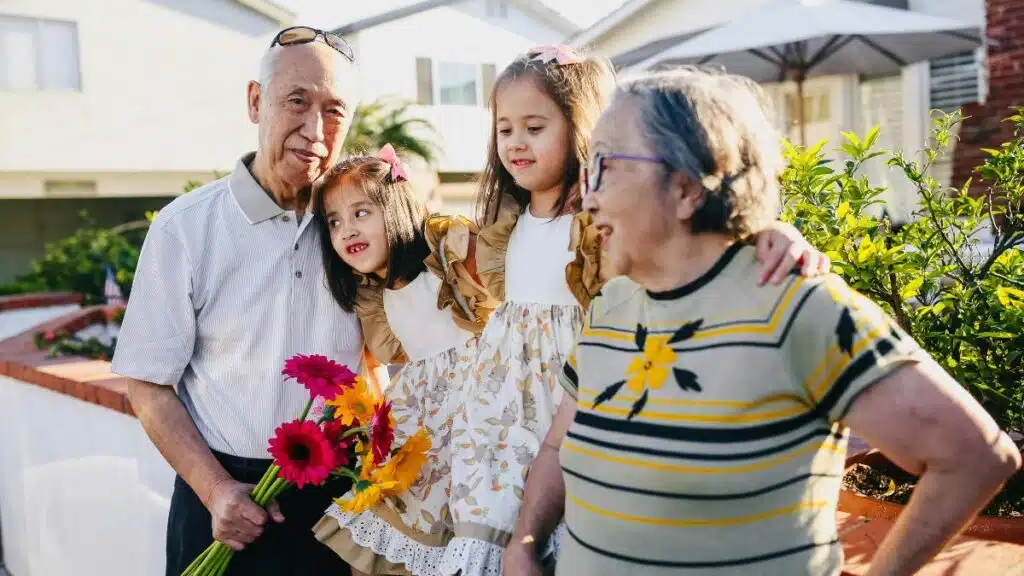
For younger grandchildren, maintaining a close relationship often depends on cooperation with their parents. Children may need help answering video calls, opening letters, arranging activities, or remembering upcoming conversations.
This makes your relationship with the parents especially important. A grandparent who respects household routines and boundaries is often easier to include in family life.
Ask what communication schedule works best. Respect bedtime, schoolwork, extracurricular activities, and the parents’ preferences about technology and privacy.
Avoid comparing how much access different grandparents receive. Families may have different schedules, financial circumstances, or practical limitations that make equal arrangements impossible.
If you want to send gifts, ask about appropriate choices before purchasing expensive items. Parents may have rules about electronics, food, toys, or how much space is available at home.
There may also be times when your adult children are overwhelmed. Offering encouragement and flexibility can support the entire household without making them responsible for managing your disappointment about the distance.
These small acts of respect can make it easier for grandchildren to maintain relationships with several generations of family.
| Common Challenge | Response That Usually Helps | Response That May Create Tension |
|---|---|---|
| Missed video call | Offer another convenient time | Make the child feel guilty |
| Busy school schedule | Send a short message | Demand a longer conversation |
| Different parenting rules | Respect household decisions | Ignore the rules during visits |
| Infrequent photographs | Ask politely for occasional updates | Repeatedly complain |
| Limited travel opportunities | Plan affordable alternatives | Pressure the family to visit |
Keeping communication comfortable for everyone creates more opportunities for natural connection.
10. Make In-Person Visits About Connection, Not Entertainment

When you finally have an opportunity to visit your grandchildren, it can be tempting to fill every hour with special activities. Grandparents sometimes feel pressure to make up for months of separation in just a few days.
But children may remember quieter experiences just as fondly. Cooking breakfast together, taking a walk, reading before bed, or working on a puzzle can offer opportunities for relaxed conversation.
Try spending some individual time with each grandchild when practical. Their ages, interests, and personalities may be different, and one-on-one attention allows each relationship to develop separately.
Avoid planning so many outings that everyone becomes exhausted. If a child seems overwhelmed or initially shy, give them time to become comfortable rather than expecting immediate affection.
You might also create a small routine that continues once the visit ends. Plant something together, begin a book, or take a photograph that becomes the starting point for future conversations.
Before leaving, explain when you expect to speak again. Avoid promising another visit until the arrangements are realistic, especially with younger children who may take those promises literally.
A successful visit should not be measured by how much money was spent or how many attractions were visited. The more meaningful question is whether everyone had opportunities to enjoy being together.
11. Share Family Stories That Give Them a Sense of Belonging
Grandparents often carry family knowledge that younger generations might never hear unless someone makes an effort to share it. Stories about relatives, childhood homes, traditions, and earlier generations can help grandchildren understand where their family came from.
Start with photographs rather than long explanations. Show a picture from your wedding, a childhood vacation, or your first home, then tell the story behind it.
Children often enjoy discovering that their grandparents were once young people who made mistakes, had adventures, and worried about many of the same things they do.
You could explain how you met their grandmother or grandfather, what your own parents were like, or which family traditions have lasted for generations. Include funny or imperfect memories rather than presenting every relative as extraordinary.
For older grandchildren, consider creating a simple family history project. They could interview you about childhood experiences, write down favorite recipes, or help identify people in old photographs.
These conversations do more than preserve memories. They also give grandchildren opportunities to ask questions and understand family experiences from another generation.
However, allow them to choose how deeply they want to participate. Family history should feel like an invitation to discover something interesting, not another school assignment.
12. Give Teenagers Space Without Disappearing From Their Lives
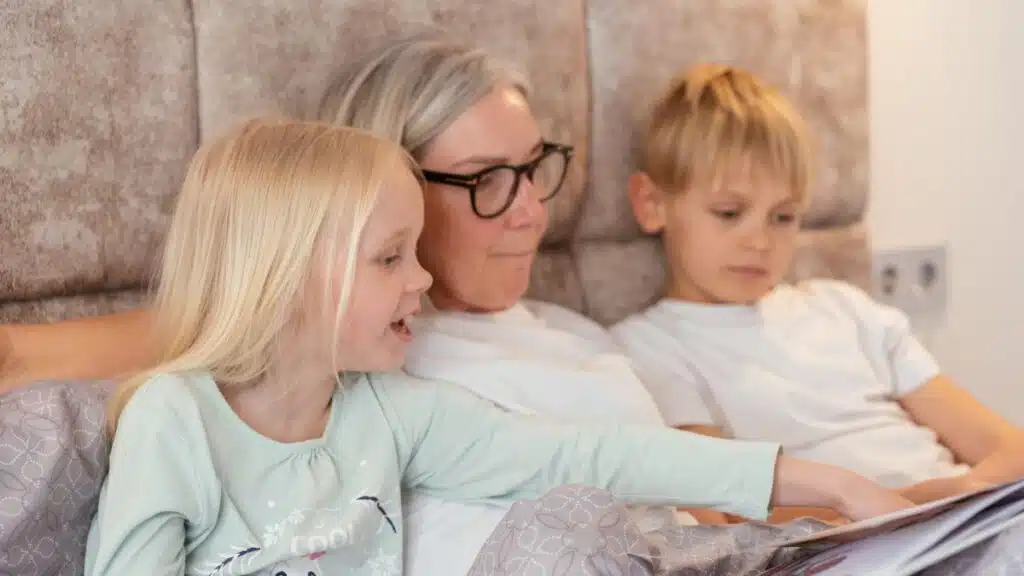
A grandchild who once begged for bedtime stories may eventually become a teenager who answers messages with a single word. That transition can feel painful, especially when you already live far apart.
But shorter conversations do not automatically mean the relationship is disappearing. Teenagers are developing independence while balancing friendships, school responsibilities, personal interests, and changing emotions.
Instead of insisting on lengthy weekly conversations, consider communicating in ways they prefer. A short text, funny photograph, or occasional question about their interests may feel more natural.
Try asking questions that invite opinions rather than requiring a report about their day. You might ask what music they recommend, whether they enjoyed a movie, or what they think about something happening in their world.
Respect their privacy, too. A teenager may appreciate knowing they can speak with a grandparent without having every conversation repeated to other relatives, while understanding that serious safety concerns cannot always remain confidential.
If they don’t reply immediately, avoid sending repeated messages expressing hurt or disappointment. Give them time and continue showing interest without demanding reassurance.
The relationship may look different from the one you enjoyed when they were younger. That does not mean it has less value.
Sometimes the most meaningful role a grandparent can play is being a steady adult who remains approachable without requiring constant attention.
13. Keep Showing Love Without Making Distance a Source of Guilt

Perhaps the hardest part of being a long-distance grandparent is accepting that some moments will happen without you. You may miss first steps, school performances, ordinary Sunday dinners, and countless conversations that never become photographs.
Those absences can hurt. But reminding grandchildren how sad you feel whenever they mention an event you missed may unintentionally make them responsible for emotions they cannot fix.
Instead, focus on celebrating what they experienced. Ask what they enjoyed, invite them to share photographs, and let them know you are happy they had a good time.
Avoid suggesting that their family should move closer simply to make grandparenting easier. Relocation involves jobs, finances, schools, relationships, and many other decisions that may have little to do with how much they love you.
It also helps to maintain a fulfilling life of your own. Friendships, hobbies, community activities, and personal interests provide meaningful experiences that you can share with your grandchildren.
When your life includes more than waiting for the next phone call, your conversations may feel more relaxed. You have stories to tell, things to look forward to, and genuine happiness to share.
Your grandchildren should experience your love as something comforting, not something they are responsible for repaying.
That may be one of the most valuable gifts a long-distance grandparent can offer.
What If Your Grandchildren Rarely Call or Respond?
Even with genuine effort, some grandparents struggle to maintain regular communication. Children grow older, family schedules become crowded, and relationships may temporarily feel less close.
It is worth remembering that silence can have several explanations. A child may be distracted, a teenager may prefer texting, or parents may be managing responsibilities that leave little time for arranging calls.
Before assuming the relationship has weakened, consider whether your approach needs to change. A monthly conversation, occasional letter, or shared activity might work better than repeated attempts to schedule long calls.
If family conflict or estrangement is involved, the situation may require greater sensitivity. Focus on respectful communication and avoid asking grandchildren to take sides in adult disagreements.
Most importantly, do not measure your importance solely by the number of calls you receive. Relationships often change over time, and meaningful connection does not always follow a predictable schedule.