
You have spent decades turning your house into a home. Now, every closet is full, the garage looks like a storage unit, and the thought of moving everything makes you tired before you even begin. You know a smaller home might make life easier, but deciding what to keep feels almost impossible.
For many baby boomers, downsizing is not really about square footage. It means sorting through 30 or 40 years of memories, family belongings, and things you once thought you would need forever.
Before you call a realtor or put a For Sale sign in the yard, there are a few things worth figuring out first.
Why Downsizing After 60 Feels Harder Than Anyone Warned You
When you are younger, moving often means packing your furniture, loading a truck, and starting fresh. But when you are in your 60s or 70s, your belongings carry a much longer history. Even an ordinary kitchen drawer can hold reminders of people, places, and moments you thought you had forgotten.
That old dining table might remind you of family dinners when your children were small. The boxes in the attic might contain birthday cards, school pictures, and decorations from holidays that will never happen quite the same way again. Suddenly, getting rid of something feels like losing a small part of your past.
There is also the practical side. You might have a four bedroom house when you only use three rooms. The stairs are getting harder to manage, the yard needs constant attention, and paying to heat and maintain all that space no longer makes much sense.
The problem is that knowing you should downsize and actually doing it are two very different things. The smartest place to begin is not with a moving truck or a realtor. It is with a clear picture of the life you want next.
Mistake #1: Thinking You Can Figure Everything Out as You Go

One of the biggest mistakes people make is starting to pack without knowing what will fit in their next home. They begin filling boxes, moving things between rooms, and making decisions whenever they have spare time. A few weeks later, the house looks worse than when they started.
The trouble is that every object demands a decision. Should you keep it, sell it, donate it, or ask your children if they want it? When hundreds of decisions pile up, even simple choices become exhausting.
Before opening the first moving box, write down what you want your next home to look like. Think about how many rooms you really need, what furniture matters most, and which activities you want space for.
If you love reading, a comfortable chair and a bookshelf might be essential. If you no longer host large family dinners, the dining table that seats 12 might not deserve a place in your future home.
You do not need to know every detail about your next address. But you should know what kind of life you are making room for, because that will make the difficult decisions much easier.
Mistake #2: Letting Guilt Decide What Goes Into the Moving Boxes

Some possessions stay in our homes because we love them. Others stay because we feel terrible about getting rid of them. And after 60, those two feelings can become difficult to separate.
Maybe you inherited your grandmother’s china, but you have never used it. Perhaps your mother gave you a heavy wooden cabinet that takes up an entire wall, and you have been moving it from house to house for 35 years.
You might not even like the piece anymore. Still, something inside you says that getting rid of it would be disrespectful to the person who gave it to you.
But keeping an object is not the same as honoring a memory. Your grandmother’s love was never stored inside a soup bowl, and your mother’s affection does not disappear when you donate an old cabinet.
Take a photograph of the item, write down its story, or pass it along to someone who will genuinely enjoy it. You can preserve the memory without carrying the physical object into every home you own.
A smaller home should not become a storage place for other people’s expectations. It should reflect your needs and the things that bring comfort to your life today.
Mistake #3: Expecting Your Spouse and Children to Agree With You

Downsizing can bring out surprising disagreements, even in families that normally get along. You may see an old piece of furniture as clutter, while your spouse sees it as something worth protecting.
The garage is often where these battles begin. One person wants to get rid of the tools that have not been touched in 20 years, while the other insists every screwdriver, paint can, and spare part might be useful someday.
Then there are the adult children. They may have shown no interest in the family china for years, but the moment you announce that you are selling it, they suddenly have strong opinions.
The solution is to set reasonable boundaries before the arguments start. Give everyone a chance to identify what matters to them, but make it clear that the decision cannot remain open forever.
For sentimental belongings, try giving each person one special memory box. They can keep whatever fits inside without having to defend every choice, while the rest of the family can focus on making progress.
With adult children, explain that you are downsizing and offer them a reasonable deadline to collect anything they want. If they cannot take it by that date, you are free to find another home for it.
You can respect everyone’s feelings without allowing those feelings to control the entire move.
What You Should Actually Keep When Moving Into a Smaller Home
Downsizing should never mean getting rid of everything that makes life comfortable. The goal is to keep the things that serve your life today rather than the possessions that belonged to a different stage of your life.
Start with the items you use regularly. Your favorite chair, everyday dishes, comfortable bedding, and reliable kitchen equipment are probably more valuable to your daily happiness than expensive belongings stored away for special occasions.
Next, consider the objects that make your home feel personal. A small painting you love, a family photograph, or a quirky pillow that always makes you smile can deserve space even if it serves no practical purpose.
The important question is whether each object earns its place through usefulness, comfort, beauty, or genuine meaning.
| What to Keep | Why It Deserves Space |
|---|---|
| Your favorite comfortable chair | You use it regularly and enjoy sitting in it |
| Everyday dishes and cookware | They support your normal routine |
| Important family photographs | They preserve memories that matter |
| Clothing that fits comfortably | You can wear it now |
| A few meaningful keepsakes | They help your new home feel familiar |
| Supplies for hobbies you still enjoy | They support activities you want to continue |
| Important records and documents | You may need them for legal, financial, or personal reasons |
There is no magic number of things you should own after retirement. Someone who loves woodworking might need a workbench and several tools, while someone who prefers traveling might be happier with very little furniture.
Keep what supports the life you actually live, not the life you once lived or think you should live. That difference can save you from bringing unnecessary clutter into your next home.
The Things You Can Probably Let Go of Without Regretting It

Every long lived home has a collection of things that nobody really wants but nobody has bothered to remove. Downsizing is the perfect opportunity to finally deal with them.
Start with the easiest items because they require almost no emotional effort. Those plastic containers without matching lids, expired household products, and instruction manuals for appliances you no longer own do not need another trip in a moving truck.
Then look at clothing. Many people keep clothes from three sizes ago because they hope to wear them again someday. But if those clothes have been sitting untouched for years, they are taking space away from the wardrobe you use now.
The same is true of broken furniture, old electronics, duplicate kitchen gadgets, and decorative items you stopped enjoying long ago. If you have been promising to repair something for ten years, ask whether you genuinely intend to do it.
| Item | A Practical Decision |
|---|---|
| Clothes that no longer fit | Donate or sell what is in good condition |
| Duplicate kitchen gadgets | Keep the one you use most |
| Broken lamps and appliances | Repair soon if worthwhile, otherwise recycle or dispose of safely |
| Old paperwork | Shred unnecessary sensitive papers after checking retention needs |
| Extra coffee mugs and dishes | Keep a practical number for daily use and guests |
| Unwanted decorative items | Donate, sell, or give them to someone who wants them |
| Children’s old school projects | Offer them to your children and preserve a few special pieces |
Not everything needs to go in the trash. Items in good condition can be donated or sold, while electronics, batteries, chemicals, and other special materials may need proper disposal.
And remember, you are allowed to keep something simply because you love it. The goal is not to turn your home into an empty showroom.
Why You Should Measure Your Next Home Before Keeping Your Old Furniture

One of the most expensive downsizing mistakes happens when people move large furniture into a smaller house without checking whether it fits. A beautiful sectional sofa can quickly become a problem when it blocks a doorway or takes up most of the living room.
Before you commit to moving furniture, measure the rooms in your new home or use a floor plan when one is available. Check the width of doorways, hallways, elevators, and staircases as well as the space where each item will sit.
Pay special attention to dining tables, bedroom sets, large cabinets, and oversized recliners. Furniture that looked perfectly balanced in a large house may make a smaller room feel crowded.
It can be better to sell a large piece before moving and choose something that suits the new space. Otherwise, you may pay to transport furniture only to discover that you need to sell or donate it after arrival.
Try to plan around the way you move through a room rather than how much furniture you can squeeze into it. Clear paths and comfortable seating will matter more as your needs change over time.
The Financial Reality You Need to Check Before Calling a Realtor
Selling a large home can appear to be an easy way to free up retirement savings. You sell the house, buy something smaller, and assume the difference will give you more financial breathing room.
But the numbers do not always work that way. A smaller home in a popular neighborhood might cost more than expected, especially if it is newer, has fewer stairs, or is close to shopping and healthcare.
There are also costs attached to selling and moving. Realtor commissions, closing costs, repairs, moving services, and setting up a new home can reduce the money you hoped to save.
Before listing your property, compare your current housing costs with the full cost of your next home.
| Expense | What to Check Before Moving |
|---|---|
| Selling your current home | Agent fees, seller closing costs, repairs, and any mortgage payoff |
| Buying a smaller home | Purchase price, closing costs, inspections, and financing |
| Moving your belongings | Movers, packing supplies, insurance, and temporary storage |
| Monthly housing costs | Mortgage or rent, insurance, utilities, and property taxes |
| Condo or community fees | HOA dues, special assessments, and maintenance responsibilities |
| Taxes on the sale | Whether capital gains taxes could apply to your situation |
| Changes to daily living | Transportation, healthcare access, and other regular expenses |
This does not mean downsizing is a poor financial decision. It means you should calculate your likely net proceeds and future expenses instead of judging the move by the difference between two home prices.
It is also worth speaking with a qualified tax professional or financial adviser before making a major housing decision. Your home may be one of your largest retirement assets, and a mistake can be difficult to reverse.
Don’t Trade a Big House for a Small Home in the Wrong Location

Many baby boomers focus so much on reducing square footage that they forget to consider the surrounding neighborhood. A smaller home can look perfect inside while making everyday life much harder.
Maybe the house is affordable, but the nearest grocery store is 25 minutes away. Perhaps the property is beautiful, but you would need to drive everywhere, including medical appointments and visits with friends.
Think about what your life might look like five or ten years from now. You may be comfortable driving long distances today, but a location with nearby services and transportation choices could make life easier later.
Pay attention to stairs, bathroom layouts, entryways, lighting, and outdoor maintenance. A home with fewer bedrooms will not necessarily be easier to manage if it has steep steps or a demanding yard.
And do not overlook the social side of moving. Leaving neighbors, friends, community groups, and familiar places can be a bigger adjustment than expected.
A successful downsize should reduce everyday burdens without taking away the people and activities that make retirement enjoyable.
How to Handle Adult Children Who Suddenly Want Everything

It is common for adult children to say they do not have room for the furniture and keepsakes you want to give them. Yet when they hear that those items may be sold or donated, they sometimes become upset.
Part of the problem is that your belongings represent their childhood memories. The dining table may remind them of holiday dinners, even though they have no practical place to put it.
That emotional connection deserves respect, but it does not mean you must continue storing everything indefinitely. Your home cannot remain a family museum simply because nobody wants to make a decision.
A reasonable approach is to invite your children to visit, identify the things they genuinely want, and agree on a pickup date. Give them enough time to make arrangements, but avoid leaving the deadline open.
If they want a large item but have nowhere to keep it, discuss whether they can arrange and pay for storage themselves. This puts responsibility for keeping the object with the person who wants it.
You can also offer photographs or smaller keepsakes when moving the original item is not practical. Sometimes a meaningful reminder is enough to preserve the family connection.
What to Do When Your Spouse Wants to Keep Everything
Downsizing with a partner can become frustrating when one person is ready to let go and the other is not. Arguments often develop because both people feel their needs are being ignored.
Instead of beginning with the most emotional belongings, start with areas where you already agree. Old cleaning supplies, duplicate kitchen items, and unused household equipment are usually easier places to make progress.
Let each person choose a few things that are important to them without having to justify those choices. A sentimental box, a dedicated shelf, or a small section of the new home can help create that freedom.
For larger disagreements, ask practical questions rather than making personal judgments. Does the item fit in the new house? Has anyone used it recently? Will keeping it make life easier or more difficult?
Avoid sorting through your partner’s personal belongings without permission. Even when you are certain something is unnecessary, secretly getting rid of it can damage trust.
The goal is to build a shared future, not to win a competition over who gets to keep the most things.
Why You Should Start With One Drawer Instead of the Entire House
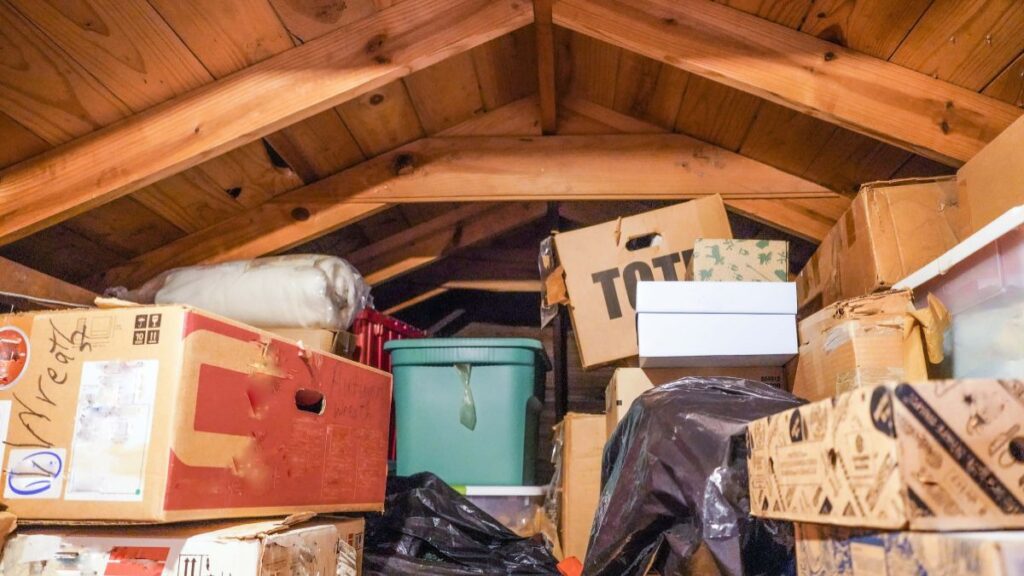
One reason downsizing feels impossible is that people look at the whole house instead of the next small task. A garage full of boxes or an attic packed with memories can make anyone want to postpone the project.
The easiest way to begin is with a single drawer, shelf, or cabinet. Choose a space that you can finish without turning the rest of your home upside down.
Set a timer for 20 minutes and focus on that one area. During that time, decide what stays, what goes, and what needs another look.
When the timer ends, stop and put the remaining items back neatly. You should be able to see a clear improvement before moving on to another area.
Twenty minutes a day may not sound like much. But done regularly, it can clear a surprising amount of space without consuming your entire weekend.
Consistency matters more than speed. You are trying to build a habit of making decisions, not prove how quickly you can empty your house.
How to Sort Through Sentimental Things Without Getting Stuck
Family photographs, letters, old clothing, and childhood keepsakes are often the hardest things to sort. They bring back emotions that have little to do with whether the item is useful.
Give yourself permission to handle these belongings slowly. If one box contains letters from a parent who has passed away, you do not need to force yourself to finish sorting it in 20 minutes.
Start by choosing the pieces that mean the most to you. A favorite photograph, a handwritten note, or a special ornament can carry more meaning than several boxes of similar items.
Digital copies can also help preserve photographs and documents when the originals are too bulky to keep. Just make sure important images are backed up rather than relying on one device.
For items that bring back difficult feelings, consider asking a trusted family member or friend to sit with you. Sometimes sharing the story behind an object makes deciding what to do with it easier.
Remember that sentimental belongings do not all deserve equal space. You can appreciate something from your past without making it part of your future home.
Three Questions to Ask Before Putting Anything Into a Moving Box
When you are surrounded by decades of belongings, complicated sorting systems can create more work than they solve. Sometimes three simple questions are enough to make a decision.
First, have you used it in the past year? This is especially helpful for everyday household items, tools, clothing, and kitchen supplies. Seasonal equipment and important emergency items may be exceptions.
Second, would you choose to buy it again today? This question can reveal whether you genuinely value something or are keeping it simply because you already own it. An expensive purchase from 20 years ago does not become more useful just because you paid a lot for it.
Third, does it deserve space in your next home? An item can be perfectly good and still have no place in the life you are planning. That is especially true of large furniture, duplicate belongings, and things kept out of obligation.
If you are unsure, create a small decision box with a specific date to review it again. Try not to let that box become a permanent hiding place for decisions you do not want to make.
Why Renting Before Buying Could Save You From Another Expensive Move

Some retirees sell a large home and immediately buy a smaller property because they feel pressure to settle everything at once. But buying too quickly can create a second problem if the new location does not suit their lifestyle.
Renting for a period may be worth considering, especially when moving to a new town or retirement community. It gives you a chance to experience the neighborhood before making another major financial commitment.
You can learn whether the area feels comfortable, whether local services meet your needs, and whether you enjoy the daily routine. You may even discover that you prefer an apartment or rental home over owning another property.
Of course, renting has its own drawbacks. Rent increases, lease terms, limited control over improvements, and the cost of moving twice all deserve attention.
The important point is to avoid rushing into another property simply because you have sold the old one. Give yourself enough time to choose a home that truly fits the next stage of retirement.
The One Question to Answer Before You List Your House
Before making any final decision, ask yourself what you actually want downsizing to improve. Are you trying to lower monthly expenses, eliminate yard work, move closer to family, or find a home that will be easier to live in as you age?
Your answer matters because moving into a smaller house does not automatically solve every problem. If your biggest concern is loneliness, a smaller home in an isolated neighborhood may make things worse.
If you are tired of repairs and maintenance, moving into another older property may leave you dealing with the same headaches. And if your main goal is saving money, an expensive condo with high monthly fees may not deliver the results you hoped for.
Write down your three biggest reasons for wanting to move. Then use those reasons to compare every housing option you consider.
A home that meets your real needs is more valuable than one that simply has fewer rooms.
A Simple 30 Day Plan to Begin Downsizing Without Feeling Overwhelmed
You do not have to empty your entire house in one month. But you can use the first 30 days to make decisions, reduce clutter, and find out what kind of move will work best for you.
| Time | What to Focus On | Your Goal |
|---|---|---|
| Week 1 | Kitchen drawers, bathroom cabinets, and easy clutter | Build momentum with simple decisions |
| Week 2 | Closets, clothing, and extra household items | Remove things you no longer use |
| Week 3 | Family keepsakes, photographs, and shared belongings | Identify what matters most |
| Week 4 | Furniture, housing needs, and financial planning | Prepare for realistic home comparisons |
During the first week, avoid sorting through anything deeply sentimental. You want quick results that help you feel confident about the process.
In the second week, deal with the belongings that are no longer useful. Make arrangements to donate, sell, or properly dispose of unwanted items instead of simply moving them into another room.