

Retirement can bring freedom, yet the days may start to feel alike. Without work schedules or familiar roles, you might wonder what to look forward to each week.
That feeling does not mean you chose retirement badly or that you have to fill every hour. It can be a cue to add movement, connection, challenge and purpose in ways that feel natural to you.
Research cannot promise that one hobby will transform your mood. But studies and health guidance point to useful ingredients, and small experiments can help you find a rhythm that feels more alive.
1. Walk Somewhere You Enjoy
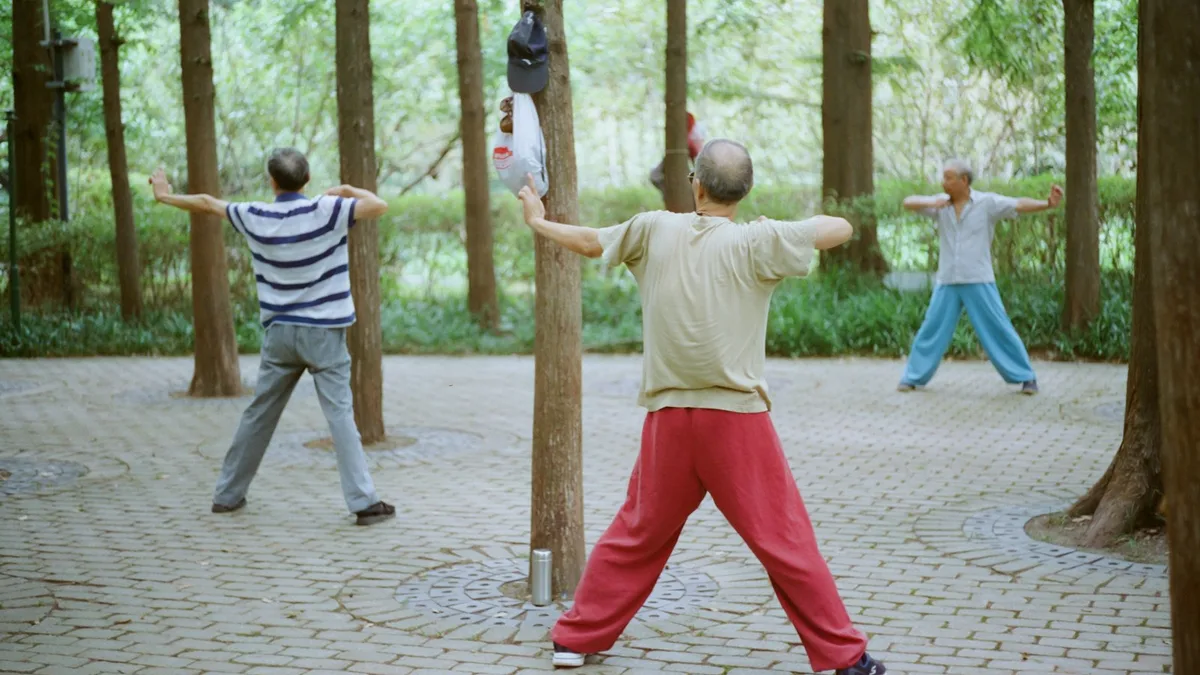
A regular walk gives the day a clear beginning, gets you moving and can offer a change of scenery. Choose a route you like, such as a garden path, quiet street, mall or local park.
The CDC’s guidance for adults 65 and older recommends aerobic activity, strength work and balance activity each week. Its 2025 guidance says 150 minutes of moderate aerobic activity is a general target, while emphasizing that some activity is better than none.
Start with a distance or time that feels manageable. If pain, dizziness, shortness of breath or a recent fall affects you, ask a clinician what level of activity is safe.
2. Add Gentle Strength Work
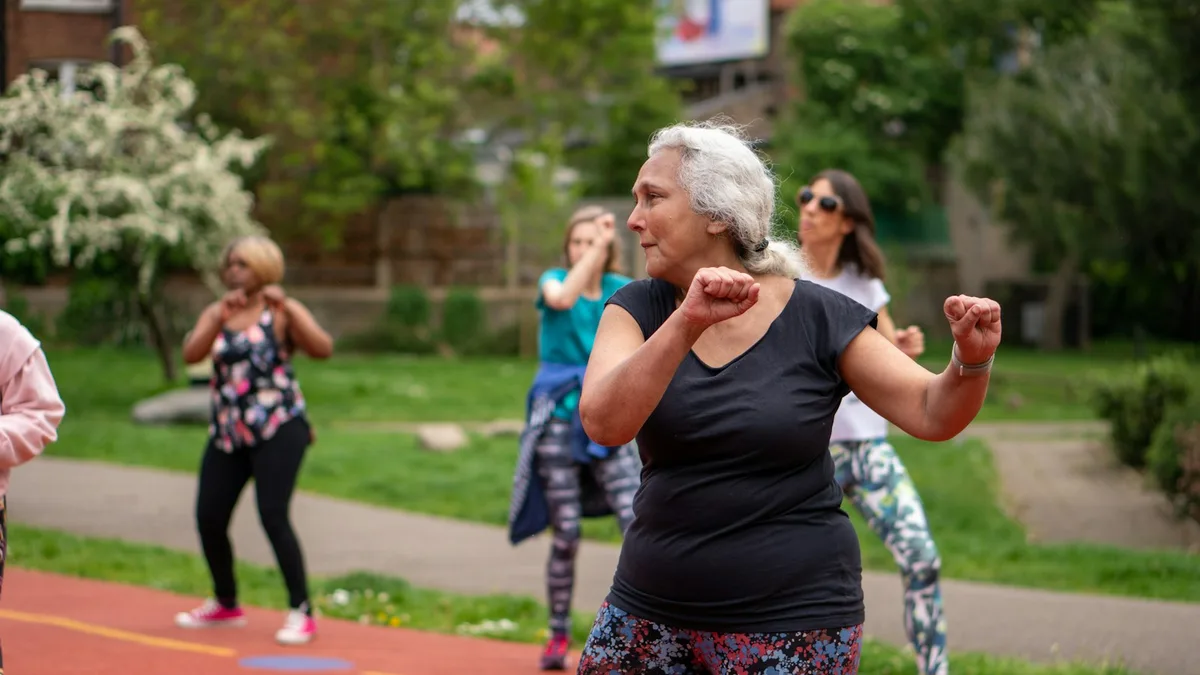
Strength helps make everyday tasks, such as carrying groceries or getting up from a chair, feel more manageable. It can also give you a concrete skill to practice and notice improving over time.
The CDC recommends muscle-strengthening activity on at least two days each week for adults 65 and older. You might use light weights, resistance bands, body-weight exercises or a class designed for your current ability.
Ask a physical therapist or qualified instructor to help adapt movements if you have joint problems, osteoporosis or a history of falls. The goal is steady practice, not competing with anyone else.
3. Practice Balance With Support Nearby
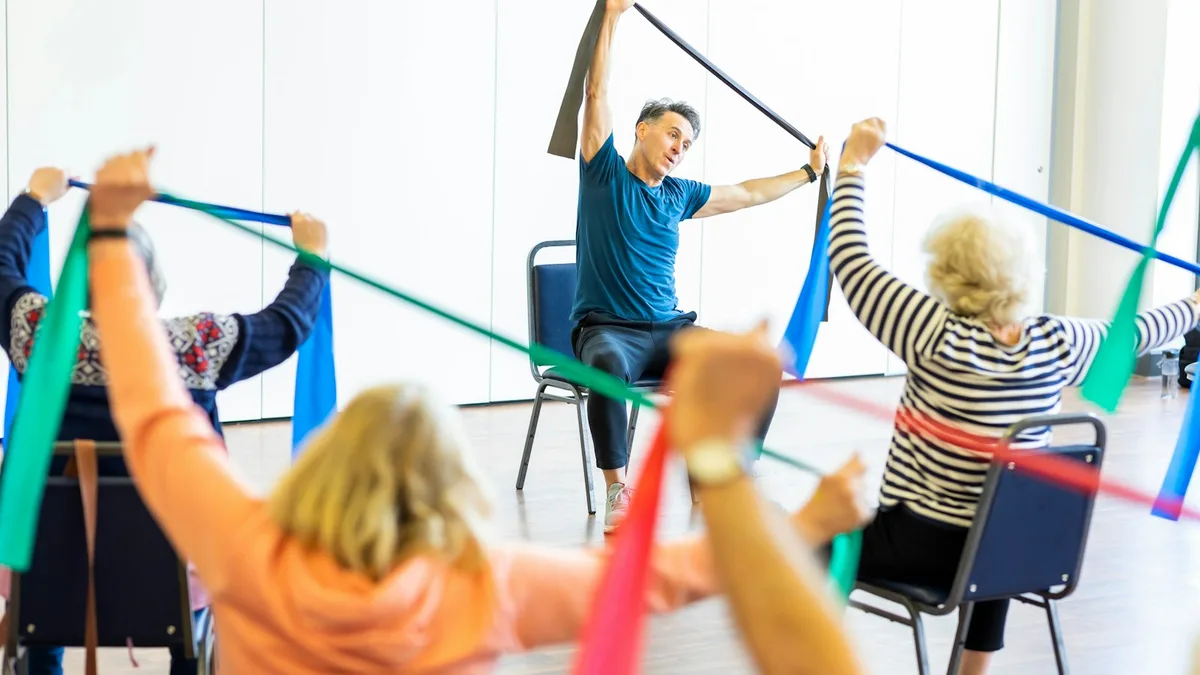
Balance practice can make movement feel more confident and gives you a reason to pay attention to your body. Begin beside a sturdy counter or chair, and follow an instructor or clinician’s recommendations.
CDC’s older-adult activity guidance includes balance work along with aerobic and strengthening activities. Simple options may include standing from a chair or walking heel-to-toe, but your safest starting point depends on your health and fall history.
If you feel unsteady, do not practice alone or try difficult moves from a video. Ask your healthcare team about a fall-risk review and a suitable class.
| Movement idea | A simple starting version | How it can add shape to a week |
|---|---|---|
| Walking | Take a short familiar route at a comfortable pace. | A regular outing creates a daily anchor. |
| Strength | Try a beginner class or light resistance exercise. | Repeating a routine lets you notice progress. |
| Balance | Practice a clinician-approved move beside stable support. | Short practice can build confidence in movement. |
| Dance | Choose a beginner or seated class with music you enjoy. | Music and movement can make exercise feel social. |
| Tai chi | Ask about a class for beginners or older adults. | Slow sequences combine movement and balance practice. |
4. Try a Dance Class, Even a Seated One
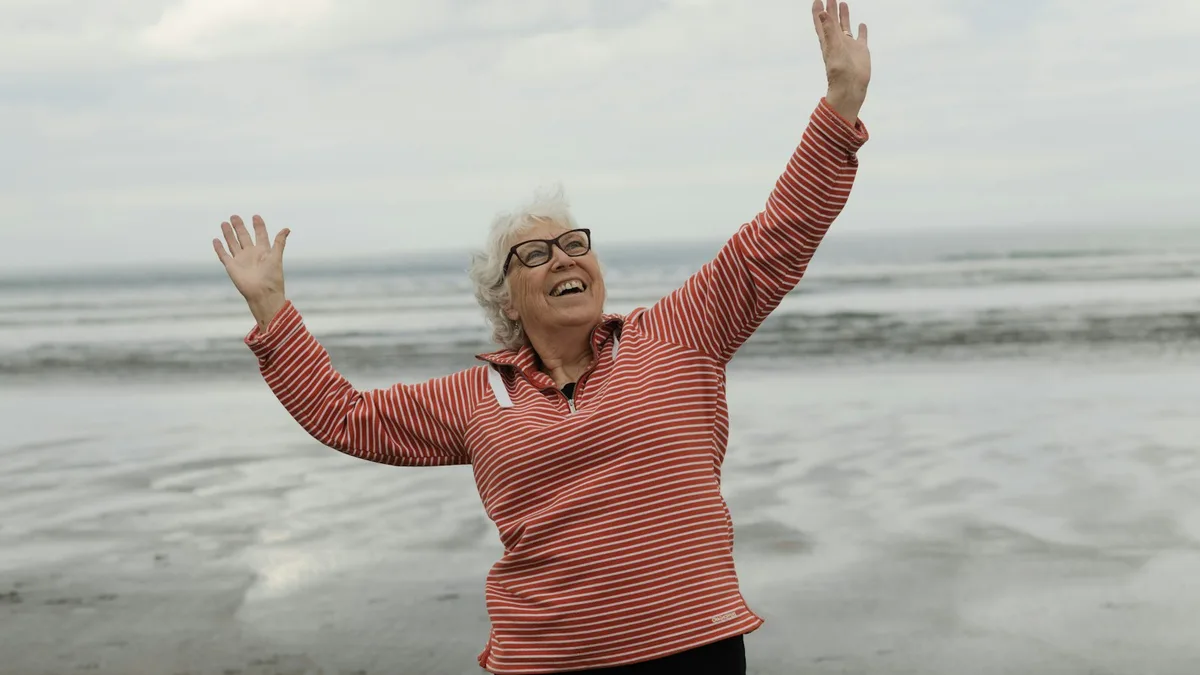
Dancing combines movement, music and often social contact, so it can feel more like an outing than a workout. Choose a class that matches your mobility, and ask whether seated participation is welcome.
A 2022 study of more than 37,000 older adults in Japan linked active arts and cultural participation with fewer new depressive symptoms. Dance and photography were among the activities, but the study cannot prove dance caused the difference.
Try one class before paying for a long membership. If the music, instructor or pace does not suit you, another group may feel completely different.
5. Learn Tai Chi or Another Slow Movement Practice
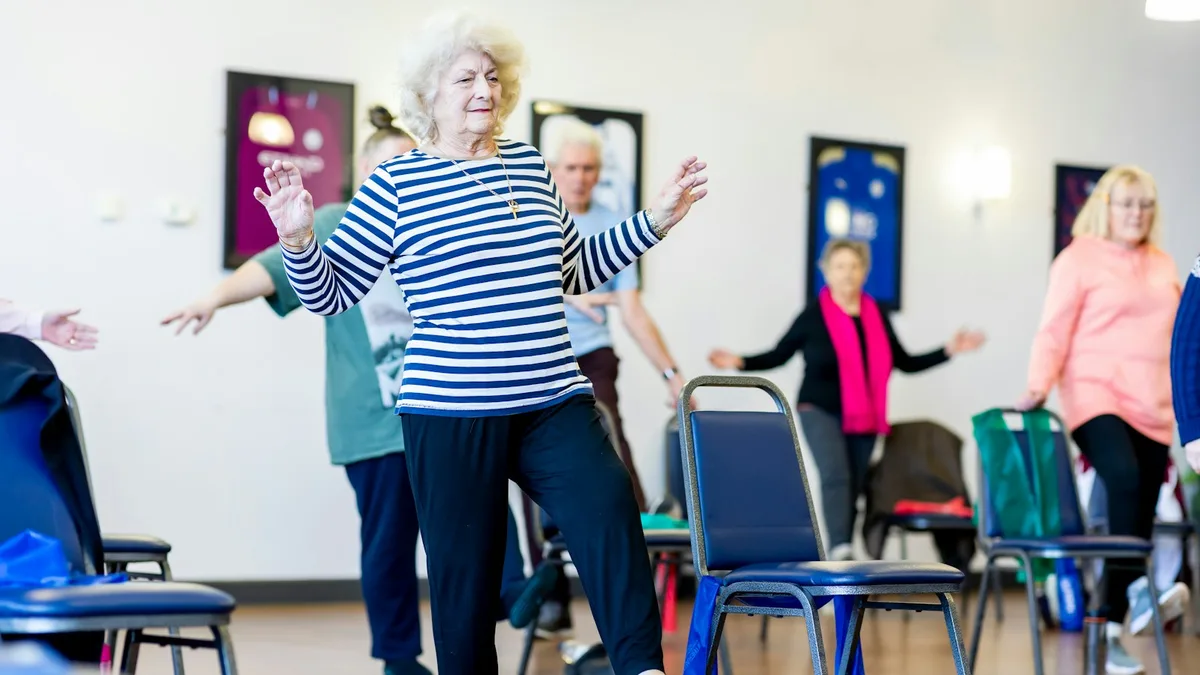
Tai chi offers a structured way to practice movement, attention and balance. The slow pace may appeal if you want activity that feels calm rather than competitive.
The CDC lists tai chi among activities that can support strength and balance, and its fall-prevention resources identify it as one example of balance exercise. Some programs are adapted for different abilities, but quality and intensity vary.
Choose an instructor who can adapt the movements and tell them about mobility limits. A supported beginner class is a better way to start than attempting challenging poses alone.
6. Get Outside for a Small Change of Scene
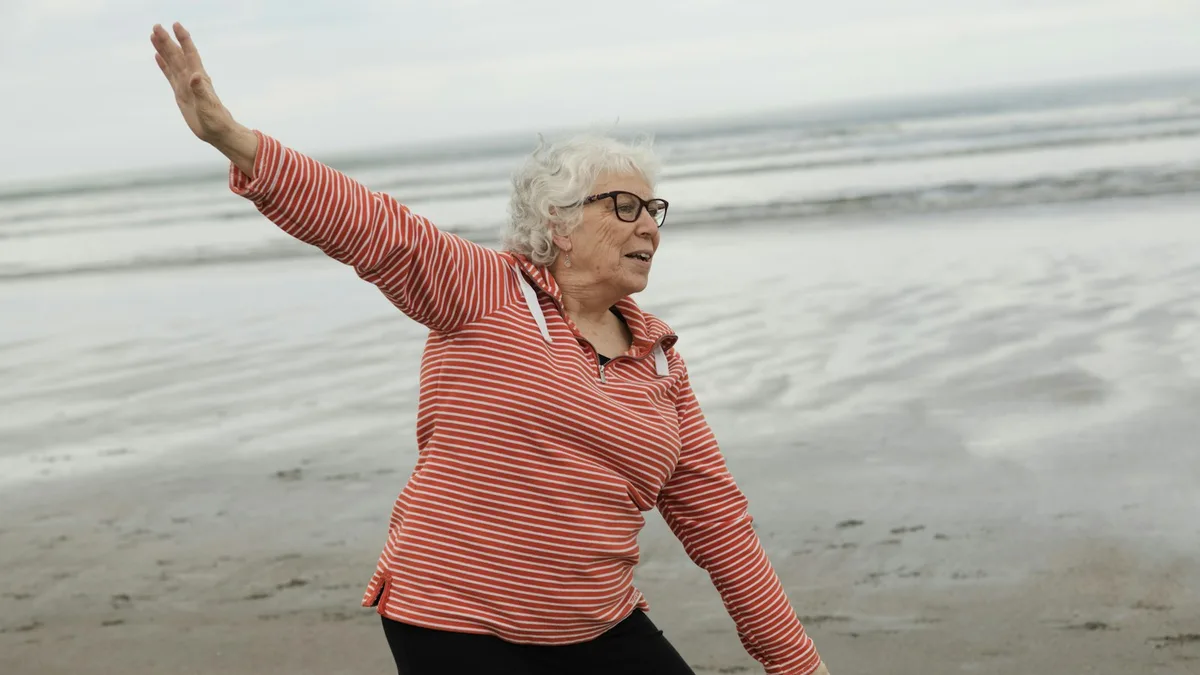
You do not need a long hike or a trip to get a different view. Sit on a porch, visit a public garden, walk around a block or have tea near a window that brings in daylight.
Going outdoors can combine light movement, sensory variety and a chance to see other people. Research on outdoor activity and well-being is mixed in strength and design, so treat it as a low-cost experiment rather than a cure for sadness.
Make the outing comfortable with shade, water, weather-appropriate clothing and a safe route. If transportation or mobility is a barrier, a nearby courtyard or accessible public space may work.
7. Grow Something, Even in a Pot
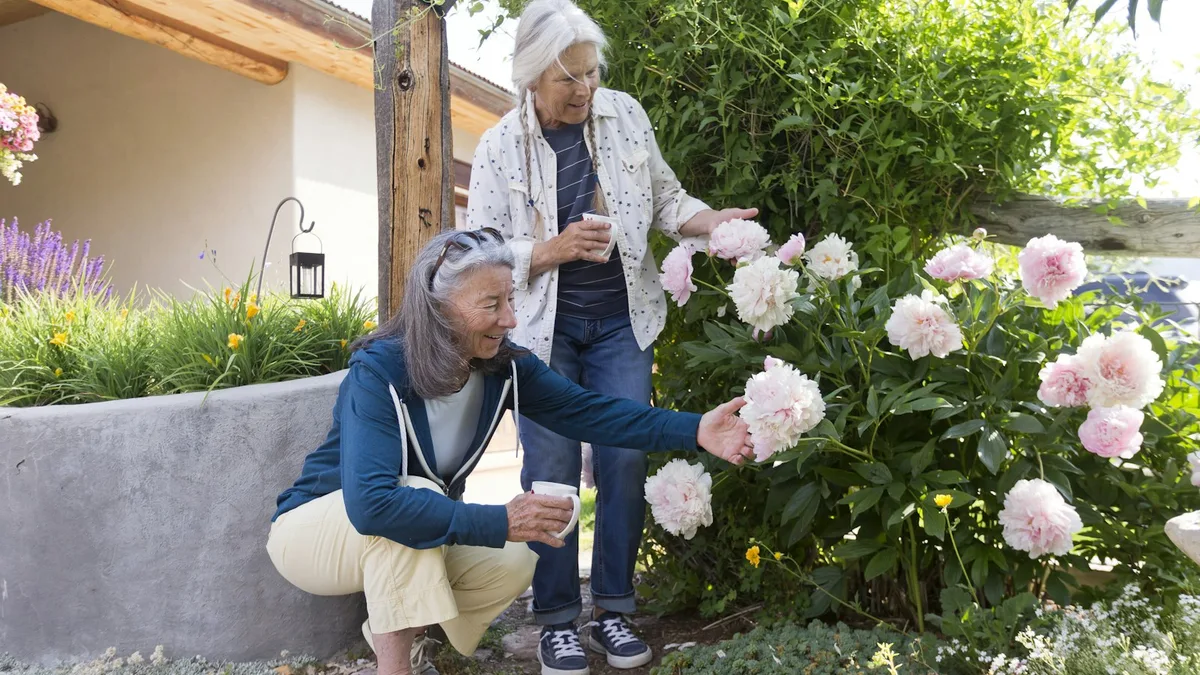
Gardening gives you a living project with small tasks and visible changes. Herbs on a windowsill, a few containers or helping at a community garden can provide a manageable routine.
A small 2018 crossover study with 40 older women in institutional care found short-term relaxation benefits after a plant-care task. That finding does not prove gardening improves everyone’s health, but it supports trying a gentle version if you enjoy plants.
Gardening can also involve bending, lifting and repetitive work. Use raised containers or tools with comfortable handles, and ask for help with heavy soil or tasks that strain your back.
8. Learn a Skill That Feels Just Hard Enough
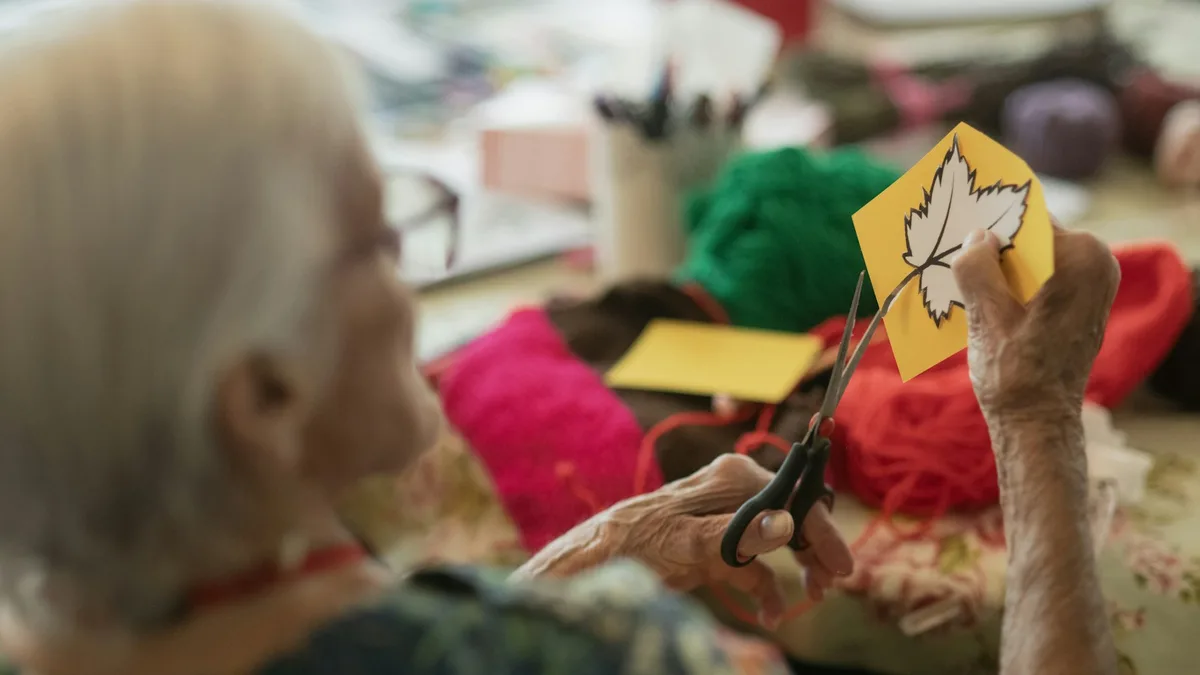
Choose something new that asks you to pay attention, such as digital photography, quilting, a language, cooking or using a tablet. Learning at a pace that stretches you slightly can make the week feel forward-moving.
A 2014 study found that older adults learning quilting or digital photography for three months had better episodic memory at follow-up than less engaged groups. It does not show that hobbies prevent dementia, but suggests active learning can engage the mind.
Pick one skill and practice it regularly instead of buying supplies for several hobbies at once. A library, community center or free online class can make the first step inexpensive.
9. Make Something With Your Hands
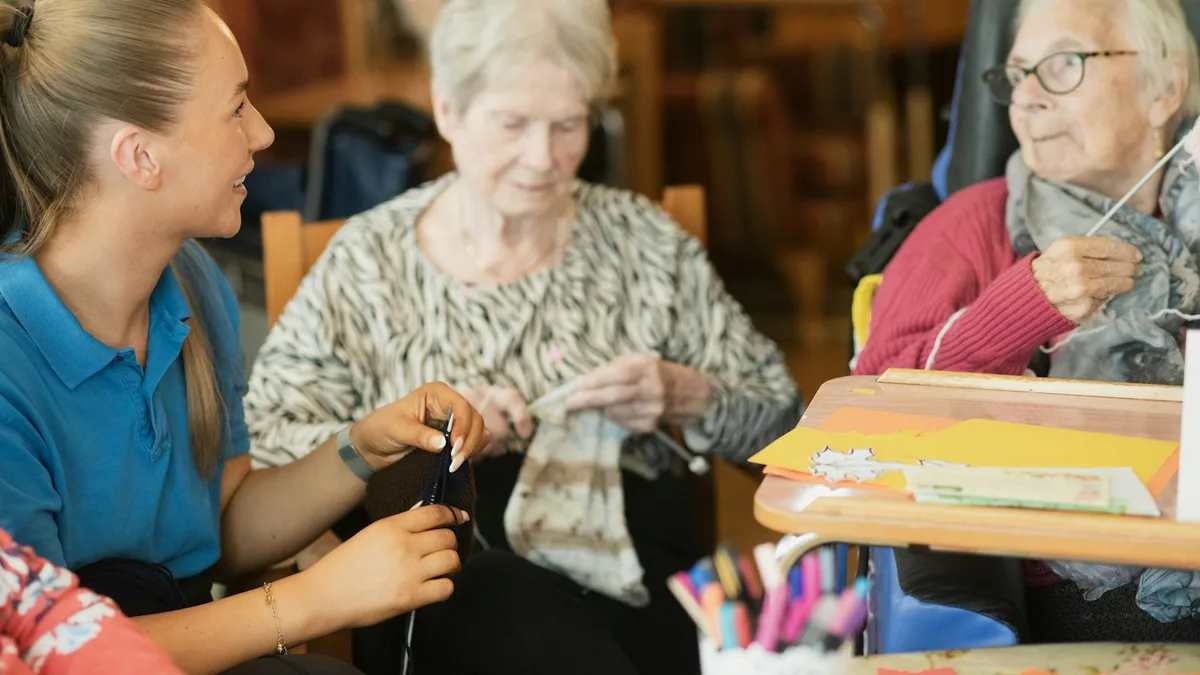
Drawing, photography, woodworking, knitting, pottery and repair projects turn spare time into something you can see, use or share. You do not need artistic talent or a polished result for the activity to count.
A 2023 systematic review found promising evidence that group arts and creative activities can support physical, mental and social well-being in older adults. The evidence covered varied activities and study designs, so choose what you enjoy rather than expecting a guaranteed health effect.
Try a short workshop or borrow basic materials before making a large purchase. Creating with another person can add conversation and encouragement to the project.
10. Sing, Play or Listen to Music With Other People
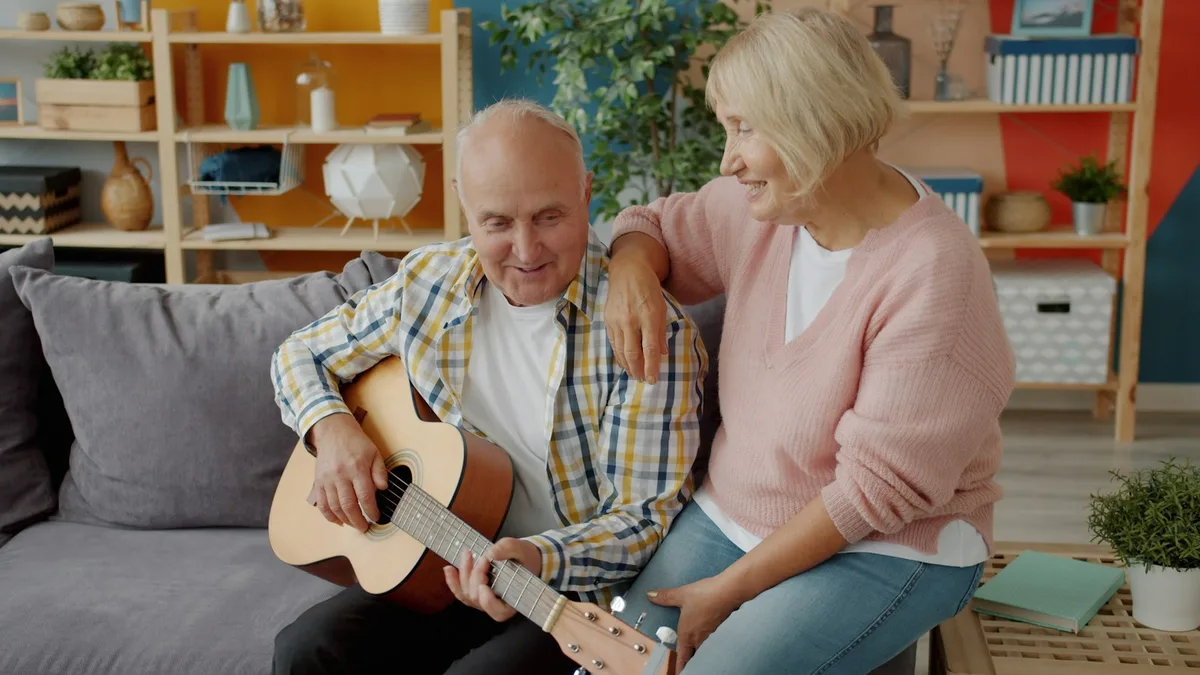
Music can mark a moment in the day and bring people together. Consider a community chorus, beginner instrument group, music appreciation program or a shared playlist with a friend.
Research reviews of arts participation in later life report promising links between regular music or singing and quality of life, mood and well-being. A group can also offer a recurring social appointment, which may be as valuable as the songs themselves.
If hearing loss makes group music difficult, sit where you can see the leader and ask about sound levels. Headphones, hearing devices or quieter gatherings may make participation easier.
11. Volunteer for a Role That Uses Your Strengths
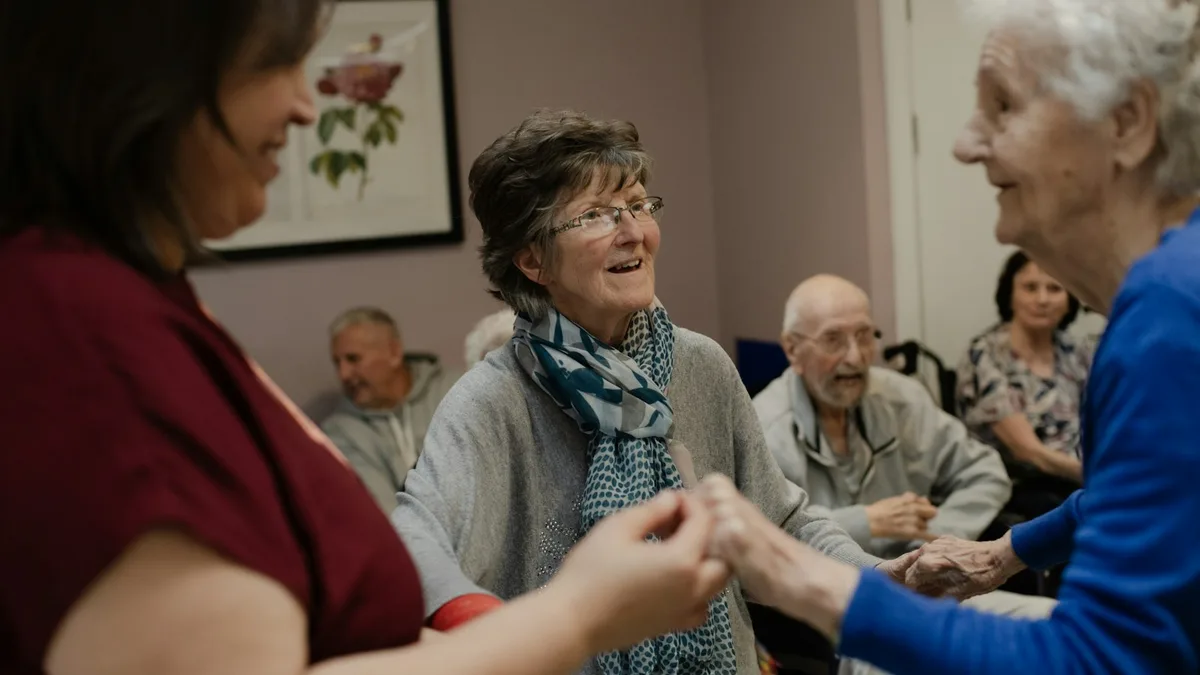
Volunteering can give your experience a place to go and put you alongside people working toward a shared goal. Look for a task that is specific and limited, such as welcoming visitors, delivering books or helping with a weekly event.
A 2021 follow-up study found that retired older adults who joined a volunteering intervention reported gains in life satisfaction, purpose and personal growth over 12 months. Volunteering is an option, not a duty or guaranteed mood boost.
Ask about time commitments, training, transportation and costs before accepting. A role that respects your limits is more likely to stay rewarding.
12. Mentor Someone or Share a Practical Skill
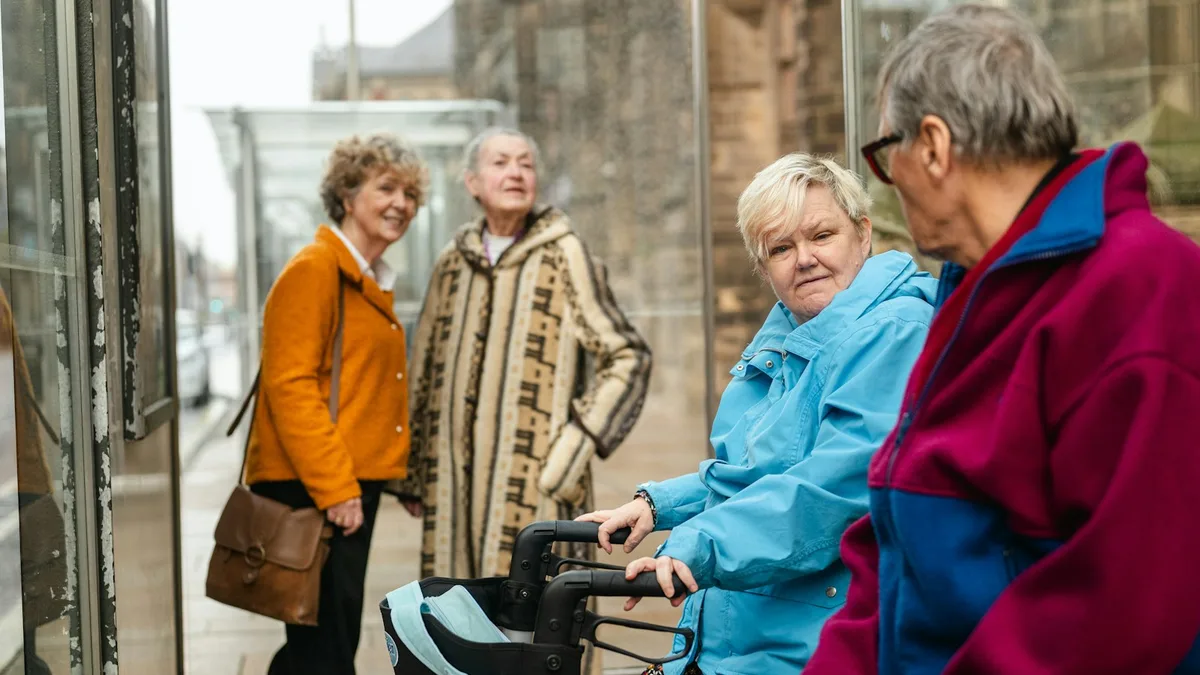
You may have knowledge someone else would value, whether it is gardening, bookkeeping, cooking, repairing a bicycle or raising a family. A school, library, nonprofit or neighborhood group may be able to match you with a learner.
Mentoring can combine contribution, conversation and a reason to prepare for a regular meeting. The strongest evidence is often about structured volunteering and social participation broadly, so think of mentoring as one meaningful way to put those ingredients together.
Set clear boundaries around time and responsibility. A short monthly session can be a good beginning, especially if you have caregiving duties or health needs of your own.
13. Put One-to-One Connection on the Calendar
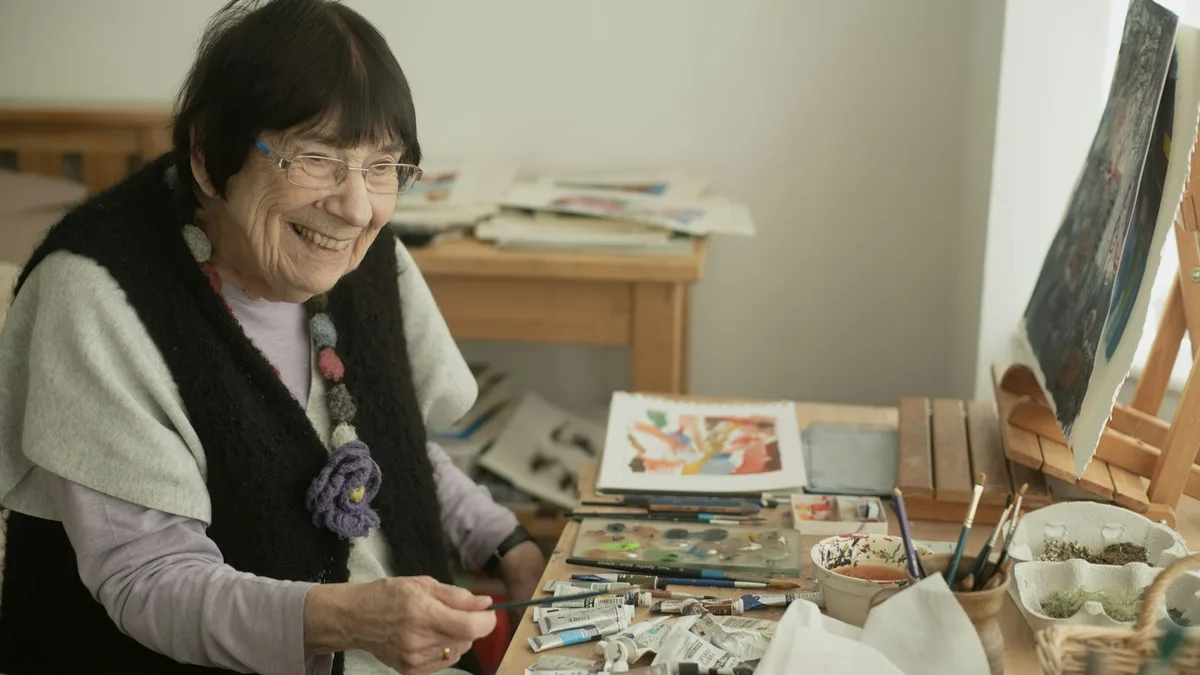
Retirement can reduce the casual contact that once came from coworkers or daily errands. A standing call, walk, breakfast or visit can make connection easier to maintain than waiting until someone happens to be free.
The CDC’s 2025 older-adult guidance describes supportive relationships and consistent positive interactions as parts of social connectedness. It also suggests doing familiar activities with other people, which can make contact feel less formal.
Make the invitation specific and easy to accept. Ask a friend to walk with you Tuesday morning. A simple plan is easier to answer than a vague promise to meet sometime.
14. Join a Recurring Group, Not Just a One-Time Event
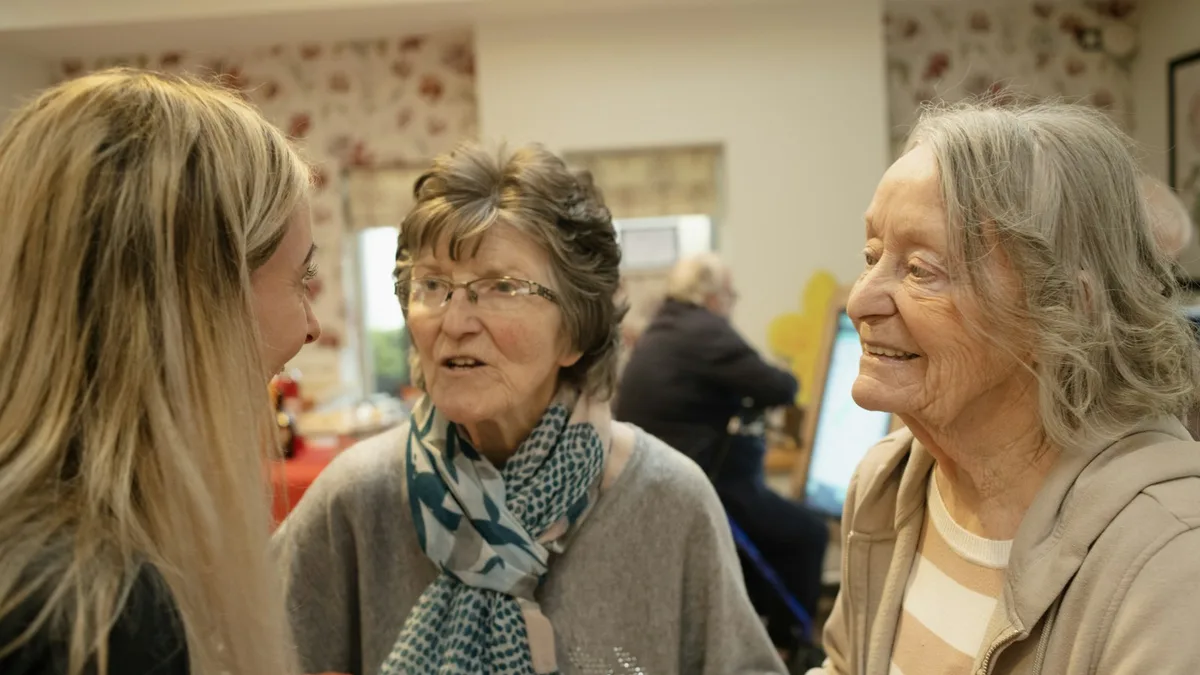
A weekly class, library group, faith community, walking club or volunteer team can help familiar faces become real relationships. Repeated contact gives people a chance to learn each other’s names and notice when someone is missing.
In 2024, researchers following adults ages 75, 80 and 85 found that more frequent social participation was associated with higher life satisfaction and fewer depressive symptoms. The study supports making room for connection, while leaving the right amount and kind of social contact up to you.
Try a group more than once before deciding whether you fit in. The first meeting can feel awkward, and a different schedule or group size may suit you better.
| Social option | What to look for | Lower-cost way to try it |
|---|---|---|
| Weekly class or club | A recurring schedule and a shared interest. | Ask a library or community center about open groups. |
| Volunteering | A clear task, training and defined hours. | Start with a one-time event or short shift. |
| Mentoring | A specific role and appropriate support. | Check local schools, libraries or nonprofit programs. |
| One-to-one meet-up | A person and time that fit both schedules. | Pair a visit with a walk or coffee at home. |
15. Plan a Small Outing With Something to Look Forward To

Choose a nearby place you have not visited, such as a museum, garden, farmers market or public lecture. The point is to have a reason to leave home and something interesting to notice.
Planning an outing can also give structure to an otherwise empty week. Keep the cost and travel manageable, and invite someone if sharing the experience would make it more enjoyable.
Check accessibility, transit, parking and admission before you go. A free library event can feel like a special outing without adding much to a fixed retirement budget.
16. Build Three Simple Anchors Into the Day
When each day feels unstructured, try three repeatable anchors: a morning start, an activity in the middle of the day and a connection or wind-down ritual in the evening. Keep the plan light enough that you can follow it on a low-energy day.
Behavioral activation helps people schedule rewarding activities and notice how they feel. A 2022 pilot with older adults at senior centers found a structured program feasible, with improvements in activity and depression measures.
This is not a substitute for treatment if you are depressed. But a small written plan can help you test whether movement, a task or contact with another person makes the day feel different.
17. Give a Puzzle, Game or Book a Regular Place
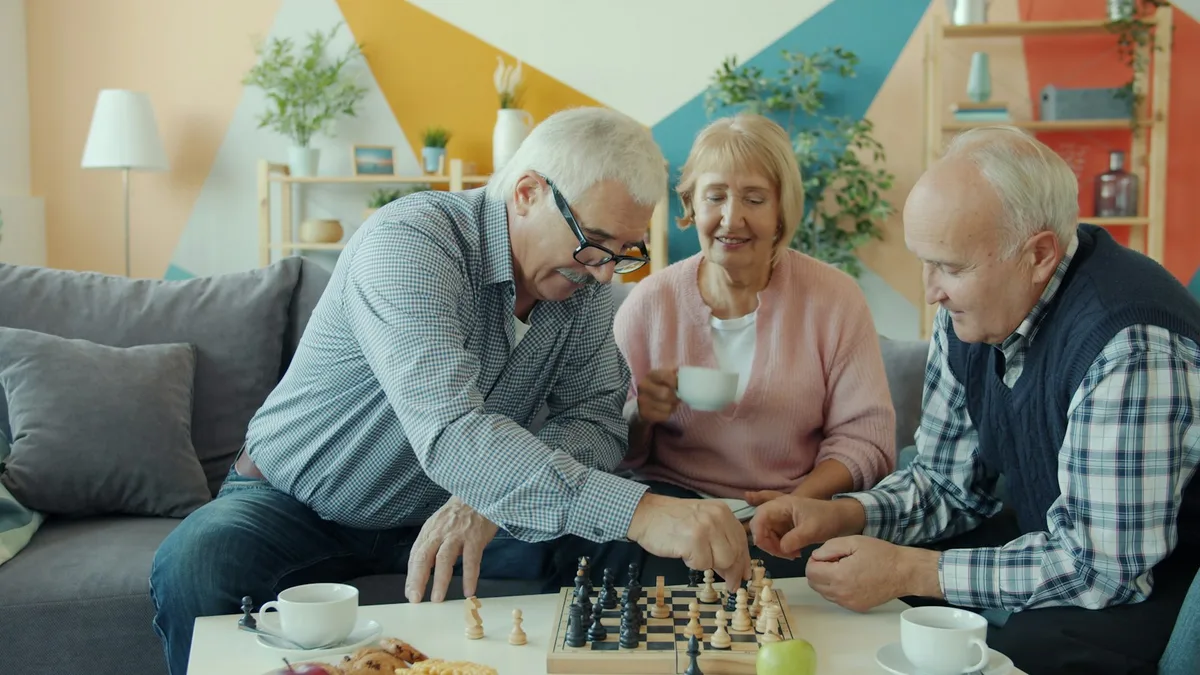
Crossword puzzles, card games, chess, reading and discussion can bring curiosity back into ordinary hours. Pick something that is enjoyable and challenging enough to hold your attention, without turning every pastime into a test of intelligence.
The National Institute on Aging notes that mentally stimulating hobbies and social activities may support healthy aging, while researchers continue to study how activities affect memory. Enjoy a puzzle because it is satisfying, not because an app promises to prevent cognitive decline.
Pair a book or game with other people if that makes it more appealing. A short weekly book conversation or card game can mix mental engagement with social contact.
18. Cook a New Meal or Share a Regular Meal
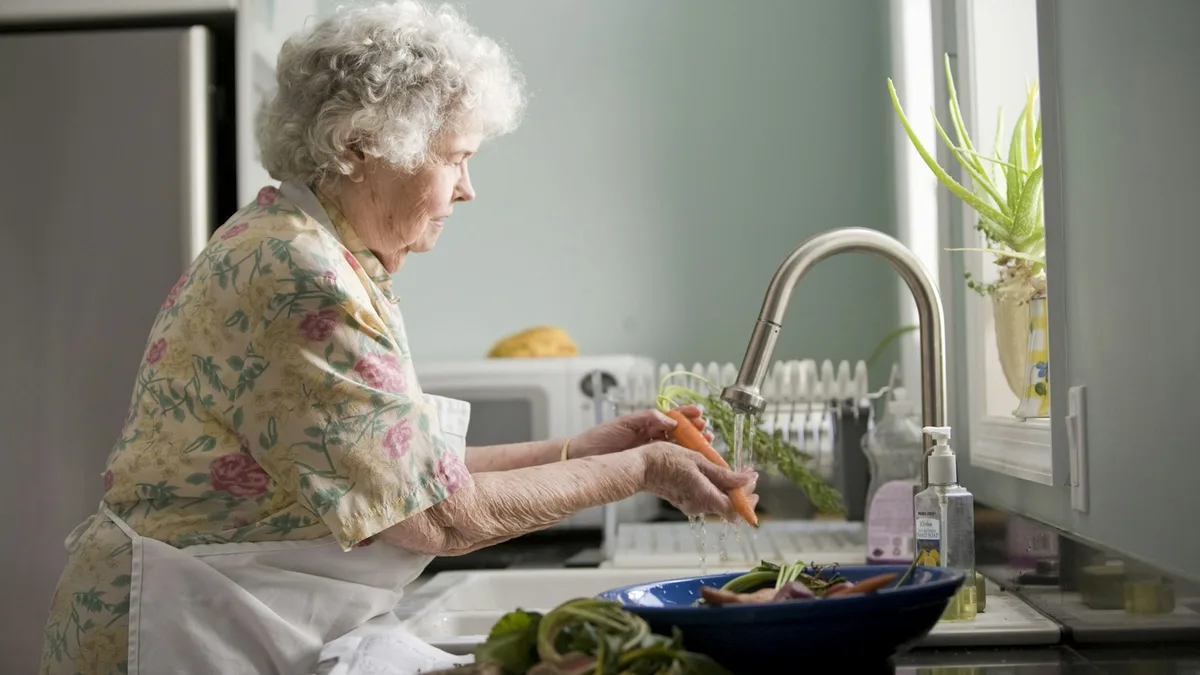
Preparing food can add sensory interest and a useful task to the week. Try a recipe you remember, learn a dish from a family member or invite someone to make a simple meal together.
Cooking can combine planning, movement, memory and connection, though it is not a medical treatment. Keep portions, budget and dietary needs in mind, and choose a version that does not leave you with difficult cleanup.
If standing at the counter is tiring, use a chair, prepare ingredients in stages or make a no-cook meal. The activity should fit your energy rather than become another obligation.
19. Try a Calm Attention Practice

Breathing exercises, guided relaxation or a beginner mindfulness class can give you a brief pause between tasks. Use a short session and a comfortable position; the aim is to notice your attention, not force your mind to go blank.
Small trials of mindfulness programs with older adults have reported benefits for some measures of stress, worry or psychological flexibility. Results vary, and a meditation practice is not the right tool for everyone.
If focusing inward makes you feel more anxious or brings up difficult memories, stop and ask a clinician about other ways to manage stress. A walk, music or conversation may feel more supportive.
20. Ask for Help if the Loss of Interest Persists
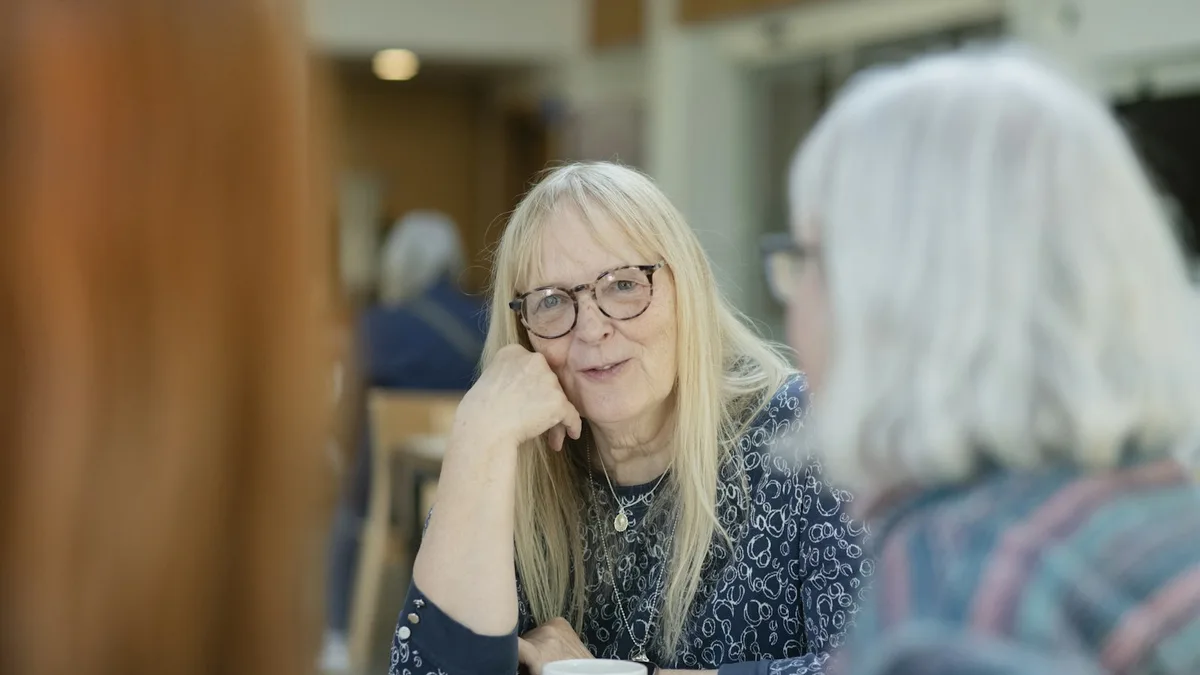
Boredom that lasts for a while can be a normal response to a major life change. But persistent loss of interest, low energy, sleep changes or hopelessness can also point to depression or another health concern.
The National Institute on Aging advises talking with a healthcare provider when several signs of depression last more than two weeks. Depression is not a normal part of aging, and treatment and support are available.
You can describe what has changed in plain terms: how long you have felt this way, what activities you stopped enjoying, and how sleep, appetite or energy have shifted. A clinician can help sort out emotional and physical causes and discuss options.
| If retirement feels… | One low-pressure experiment | Keep it manageable by… |
|---|---|---|
| Empty or repetitive | Add one new outing each week. | Choose something nearby and inexpensive. |
| Physically inactive | Try a short walk or beginner movement group. | Start at a safe pace and check with a clinician if needed. |
| Socially quiet | Schedule one call or shared activity. | Make a specific invitation with a clear time. |
| Lacking purpose | Volunteer, mentor or finish a small project. | Set a modest time limit before committing. |
| Persistently joyless | Talk with a healthcare provider. | Note when symptoms began and what has changed. |
A Hypothetical Example: Linda Rebuilds Her Week
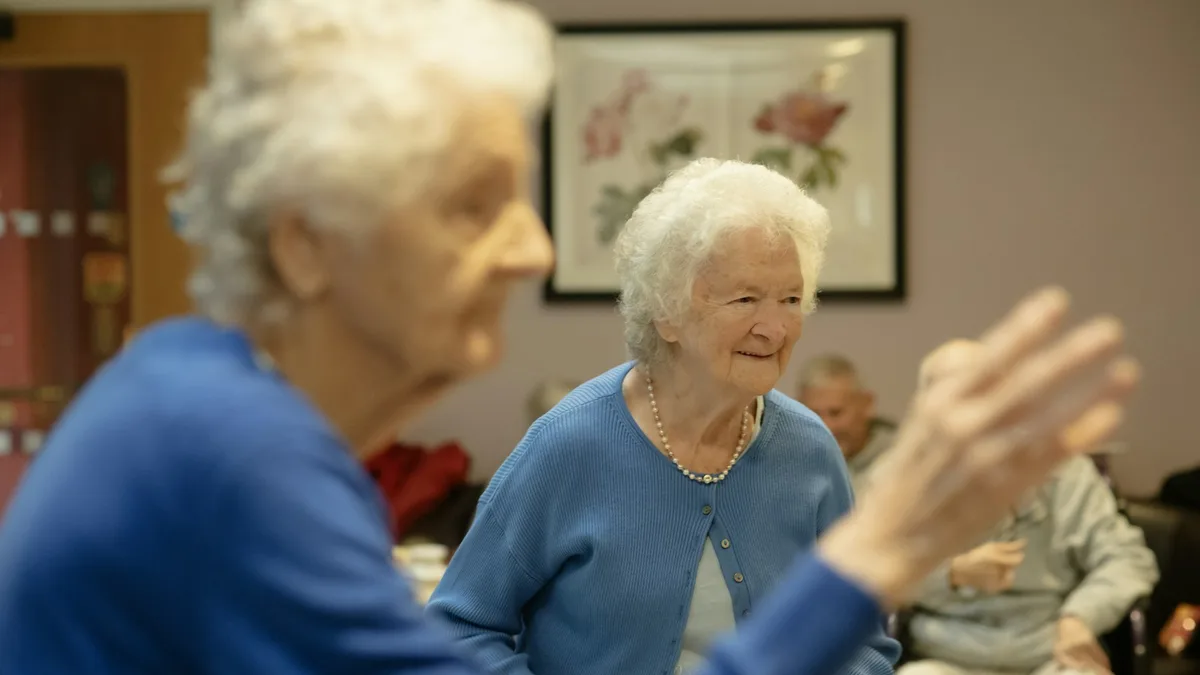
The following is a hypothetical example, not a real person. Linda is 72 and retired two years ago. She likes gardening and music, but lately she has been watching television for most of the afternoon.
Instead of signing up for several costly programs, she picks three experiments for the next month. She takes a short walk on Monday and Thursday, attends a free library music group on Wednesday, and asks a neighbor to help plant herbs in two containers.
Linda writes down how each activity felt and whether the timing worked. She keeps the walk that feels safe, switches groups when the first one is too noisy, and saves gardening for mornings when she has more energy.
| Linda’s experiment | Weekly plan | Approximate added cost |
|---|---|---|
| Walking | Two familiar short routes | $0, using nearby sidewalks |
| Music group | One library gathering | $0, after confirming the event is free |
| Container herbs | Water and tend plants several times | A small one-time supply cost |
| Social check-in | One conversation with a neighbor | $0 |
Linda’s plan does not promise that every day will feel exciting. It gives her a few repeated points of interest and a way to learn what fits her health, budget and personality.
Make the Experiments Affordable and Sustainable

Start with activities that use what you already have. A walk, library event, phone call, home cooking project or free class may be more sustainable than an expensive membership or a room full of equipment.
If you do pay for a program, ask about trial sessions, older-adult discounts, transportation and cancellation rules. Check your monthly budget before you commit to recurring fees.
It can also help to match activities to your energy. Put demanding errands on a better day, keep a lighter option for tired afternoons and let a friend know what kind of help would make participation easier.
A one-week reset
Choose one walk, class or safe strength activity.
Schedule one specific call, visit or group activity.
Do one helpful task for a person or community.
Try one new skill, place or creative activity.
This article is general wellness information, not medical advice. Check with a healthcare professional before changing activity if a health condition, pain or fall risk could affect your safety.
No single activity guarantees happiness or prevents illness. Research findings describe average patterns, and personal health, access, finances and preferences can change what works for you.