

Grocery bills keep putting pressure on household budgets, but our grandparents knew something about feeding a family without spending a fortune. They relied on potatoes, beans, rice, and inexpensive ingredients to make hearty dinners that could stretch across several meals.
Many of these old fashioned budget meals were born out of necessity during difficult economic times. Yet their simple cooking methods still offer useful lessons today.
From homemade macaroni and cheese to filling vegetable soups, these 12 traditional dishes show how families can save money, reduce food waste, and enjoy comforting meals without buying expensive ingredients.
1. Homemade Macaroni and Cheese

Before boxed macaroni and cheese became a kitchen staple, families prepared this comforting meal from scratch. Grandma would cook ordinary macaroni, then make a creamy sauce using flour, milk, butter, and whatever cheese was available.
The pasta was mixed with the sauce and sometimes topped with breadcrumbs or crushed crackers. After baking, the dish came out with a golden crust and a rich, creamy center that could satisfy several hungry family members.
During difficult financial periods, macaroni helped stretch a relatively small amount of cheese into a larger meal. Families could serve six people from one baking dish without relying on expensive cuts of meat.
Why it still works today: Pasta remains a practical pantry ingredient because it stores well and can be purchased in larger packages. Buying store brand macaroni and block cheese when discounted can make homemade macaroni and cheese an affordable option.
Adding frozen peas or broccoli can also make the dish more nutritious without dramatically increasing the grocery bill. The important lesson is that a few basic ingredients can create a satisfying meal without complicated recipes.
2. Creamy Potato Soup

Potatoes were among the most useful foods in many grandparents’ kitchens because they could be prepared in countless ways. When money was limited, a simple pot of potato soup could provide warmth and several filling servings.
Grandma would peel and dice potatoes, chop an onion, and simmer everything in water or broth. If milk was available, she might add some to create a creamier texture without buying expensive cream.
As the potatoes softened, some broke apart and naturally thickened the soup. A little pepper, salt, and leftover cooking fat could make the broth more flavorful.
Families sometimes added celery leaves, carrots, or small pieces of leftover meat. These additions helped prevent food waste while making the soup feel more substantial.
Why it still works today: A large pot of homemade potato soup can provide multiple servings using relatively inexpensive ingredients. Potatoes are also versatile, so unused portions can become baked potatoes, mashed potatoes, or another dinner.
For better nutrition, the soup can be served with beans, eggs, or another affordable protein source. That keeps the traditional comfort while creating a more balanced meal.
3. Rice and Beans
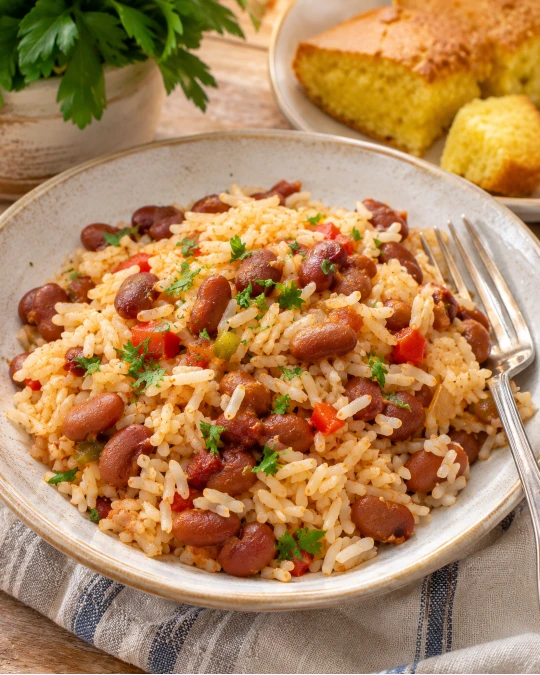
Rice and beans have fed families across generations because both ingredients are affordable, filling, and easy to store. Different regions developed their own versions, often using onions, garlic, herbs, or a small amount of smoked meat for flavor.
Grandma might soak dried beans overnight before simmering them until tender. The beans were then served over rice, creating a hearty dinner from two basic pantry ingredients.
In Louisiana, red beans and rice became closely associated with Monday meals. The beans could simmer while other household work was being done, and leftover ham bones sometimes provided additional flavor.
The combination offered plant protein, fiber, and carbohydrates, making it more nutritious than many inexpensive meals based on starch alone. Families could also prepare large quantities and save portions for another day.
Why it still works today: Dried beans and rice are useful for households trying to reduce grocery spending. Buying them in reasonable quantities and cooking only what the household can use can help control food costs.
A little onion, garlic, or tomato sauce can create different flavors from the same basic ingredients. That flexibility makes rice and beans a dependable choice for budget conscious families.
How Much Could These Simple Meals Cost Today?
The cost of homemade meals depends on local grocery prices, serving sizes, and the ingredients selected. The following hypothetical examples show how a modest total recipe cost can be divided into several portions.
| Budget Meal | Example Total Cost | Servings | Cost Per Serving |
|---|---|---|---|
| Homemade macaroni and cheese | $7.20 | 6 | $1.20 |
| Potato soup | $4.80 | 6 | $0.80 |
| Rice and beans | $5.60 | 8 | $0.70 |
These are illustrative prices, not verified national grocery averages for 2026. Actual costs vary by store, location, recipe, and portion size.
The advantage becomes clearer when compared with purchasing individual prepared meals. Cooking at home may reduce spending, particularly when basic ingredients are used across several recipes.
However, households should consider preparation time, cooking energy, and leftovers when comparing costs. Making eight servings only saves money if those portions are eaten or safely frozen.
4. Leftover Vegetable Soup

Some families called it garbage soup, although the ingredients were perfectly usable food rather than actual garbage. Grandma would collect leftover vegetables, pieces of cooked meat, and broth to create another warm dinner.
A few carrots, half an onion, some cabbage, and leftover potatoes could all go into the same pot. Small amounts of food that seemed insufficient for separate meals became useful when combined.
Families sometimes added beans, rice, or pasta to make the soup more filling. The finished dish depended on what was available, so no two batches tasted exactly alike.
This approach reflected one of the strongest habits of older generations. Food was considered valuable, and usable ingredients were rarely discarded simply because they were left over.
Why it still works today: Leftover vegetable soup is one of the easiest ways to use small quantities of refrigerated ingredients before they spoil. Frozen vegetables and canned beans can also help turn a thin soup into a complete meal.
Modern food safety matters, however, and leftovers should not be kept simmering indefinitely as some historical accounts describe. Cooked perishable ingredients should be refrigerated promptly and generally used within three to four days or frozen.
5. Biscuits and Gravy

Biscuits and gravy became a familiar breakfast in many Southern households because they could be made from basic ingredients. Flour, milk or buttermilk, baking fat, and a little seasoning formed the foundation of the meal.
Grandma would bake homemade biscuits until they were golden and fluffy. Meanwhile, she prepared gravy by cooking flour with fat and slowly adding milk or water until the mixture thickened.
When sausage was available, a small amount could provide extra flavor. During harder times, families sometimes made plain pepper gravy without any meat at all.
The warm gravy was poured over freshly baked biscuits, creating a filling breakfast or supper. It was a practical way to make an ordinary flour based meal feel comforting and satisfying.
Why it still works today: Homemade biscuits can be economical when flour and baking ingredients are already in the pantry. The gravy also requires only a few ingredients, making it useful when the refrigerator is nearly empty.
Adding an egg or serving the meal with vegetables can improve its nutritional balance. Families can still enjoy this traditional comfort food while adjusting portions and ingredients to their needs.
6. Cabbage and Sausage

Cabbage was a practical vegetable for families trying to make their grocery money last. One large head could provide several servings, and it worked well in soups, stews, and skillet meals.
Grandma would slice cabbage into thick pieces and cook it slowly with onions and sausage. As the sausage heated, its seasoning and fat flavored the cabbage, making the vegetables taste richer without requiring a large amount of meat.
Potatoes were sometimes added to increase the number of servings. The finished dish was hearty, inexpensive, and suitable for feeding several family members from one pan.
This cooking method was especially familiar in households influenced by Central and Eastern European food traditions. Cabbage and preserved meats were common ingredients in many regional recipes.
Why it still works today: Cabbage often offers good value because it can be used in several different meals. A small amount of sausage can flavor a larger portion of vegetables and potatoes.
Families can also substitute beans or another affordable protein to reduce the amount of processed meat. This preserves the satisfying character of the meal while offering greater flexibility.
How Grandparents Stretched Expensive Ingredients
Many traditional meals followed a simple financial rule. Instead of building dinner around a large serving of meat or cheese, families used these ingredients to flavor a much bigger quantity of inexpensive food.
| Costlier Ingredient | Budget Ingredient Used | Result |
|---|---|---|
| Cheese | Macaroni | More servings from a small amount of cheese |
| Sausage | Cabbage and potatoes | A larger family dinner |
| Meat drippings | Flour and milk | Gravy for several biscuits |
| Leftover meat | Vegetables and broth | Another pot of soup |
| Ground beef | Oats or breadcrumbs | More Sloppy Joe filling |
These methods reduced the amount of expensive ingredients needed for each serving. They also encouraged families to use what they already had instead of shopping for something different every night.
Today, the same approach can work with lentils, beans, frozen vegetables, and whole grains. The goal is not simply to eat less, but to make each grocery purchase more useful.
7. Hearty Lentil Soup
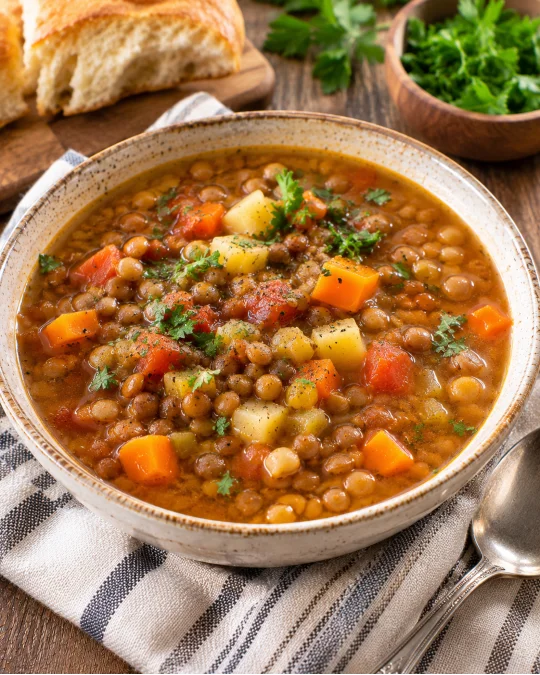
Long before lentils became popular in modern healthy eating recipes, they were a dependable food for households with limited budgets. Lentils provided protein, fiber, and a substantial meal without requiring meat.
Grandma could simmer dried lentils with onions, carrots, celery, and water until they softened. A little salt, pepper, and whatever herbs were available helped create a flavorful broth.
One advantage of lentils was their relatively short preparation time compared with many dried beans. Most varieties did not require overnight soaking, making them useful when a meal needed to be prepared without much planning.
The soup could be thickened with potatoes or served with homemade bread. Families could also prepare a large pot and save portions for later meals.
Why it still works today: Dried lentils store well and can be used in soups, stews, and meatless dinners. Their protein and fiber content make them especially useful when a household wants to reduce its reliance on expensive meat.
Adding carrots, tomatoes, or greens improves the meal without needing specialty ingredients. Leftover portions can also be frozen for convenient future dinners.
8. Sloppy Joes With Stretched Ground Beef
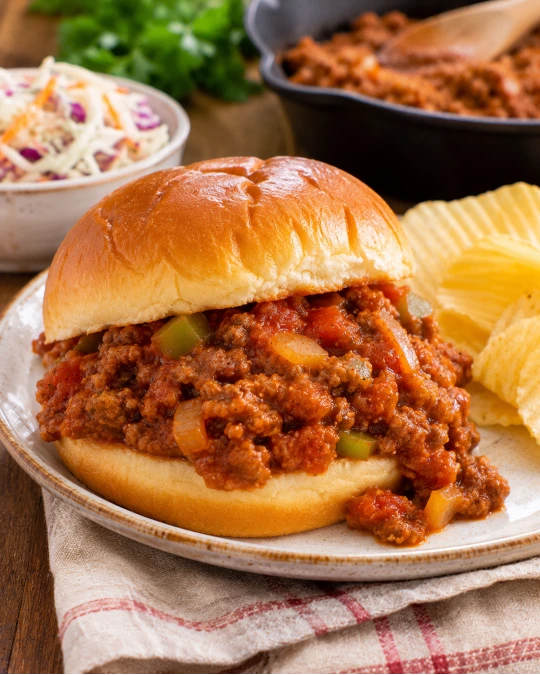
Sloppy Joes became a practical family meal because a modest amount of ground beef could be stretched into several sandwiches. The meat was browned with onions, then simmered in a tomato based sauce until thick and flavorful.
When budgets were tight, cooks sometimes mixed breadcrumbs or oats into the filling. These additions increased the quantity of food without requiring another pound of meat.
The savory mixture was spooned onto ordinary hamburger buns or slices of bread. It was easy to serve, satisfying for children and adults, and suitable for busy weeknights.
Families could adjust the sauce with ketchup, mustard, or simple pantry seasonings. That made it possible to prepare the dish without purchasing an expensive premade sauce.
Why it still works today: Ground beef can be one of the costlier ingredients in a family dinner, so stretching it with inexpensive foods may reduce the cost per serving. Cooked lentils, finely chopped mushrooms, or beans can also extend the filling while contributing nutrients.
Preparing the sauce from pantry ingredients can offer further savings when those items are already available. Any extra filling can be refrigerated promptly or frozen for another meal.
9. Pinto Beans and Cornbread
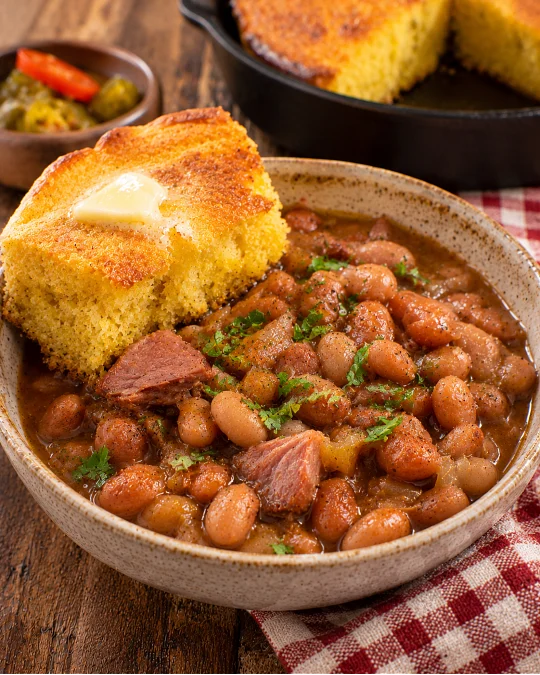
Pinto beans and cornbread were regular meals in many Southern and Appalachian homes. The combination was especially useful when families needed something filling but could not afford meat every day.
Dried pinto beans were soaked and simmered until soft, sometimes with a ham bone or a little salt pork for flavor. The long cooking process produced a rich bean broth that could be enjoyed with warm cornbread.
Grandma prepared the cornbread using cornmeal, milk or water, and other basic baking ingredients. It was often less sweet than many modern versions and had a firm texture that worked well with the bean broth.
A pot of beans and a pan of cornbread could provide several satisfying portions. Leftover beans could also be used in soups or other dishes later in the week.
Why it still works today: Beans are a practical source of plant protein and fiber, while homemade cornbread uses common pantry ingredients. The meal can be prepared without meat, making it useful when grocery prices rise.
Serving it with cooked greens or another vegetable improves variety and nutritional balance. Families can also freeze extra beans rather than eating the same dinner several days in a row.
What Old Fashioned Budget Cooking Got Right
Our grandparents did not have access to every modern convenience, but many developed habits that reduced waste and unnecessary spending. Some of those habits remain useful, while others need to be updated for modern food safety and nutrition.
| Traditional Habit | Why It Helped | What to Do Today |
|---|---|---|
| Cooking dried beans | Made several servings from pantry food | Cook batches and freeze extras |
| Saving usable leftovers | Reduced wasted ingredients | Refrigerate promptly |
| Making sauces at home | Used common ingredients | Compare homemade and store prices |
| Cooking large pots | Reduced repeated preparation | Freeze portions safely |
| Planning around staples | Limited unnecessary purchases | Build meals around versatile foods |
The strongest lesson is that inexpensive cooking works best when ingredients are planned across several meals. A bag of potatoes, for example, becomes more valuable when it serves multiple purposes instead of being purchased for one recipe.
Still, not every traditional practice was ideal. Meals should provide nutritional variety, and food safety should take priority over trying to save every last ingredient.
10. Fried Rice From Leftovers
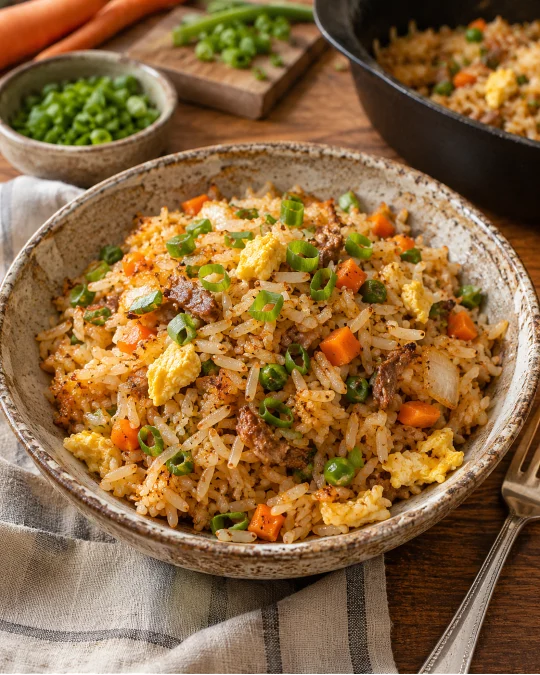
Leftover rice could be transformed into a satisfying meal with a skillet and a few inexpensive additions. Families used eggs, chopped vegetables, and small pieces of leftover meat to create a dish that tasted different from the previous dinner.
The rice was fried with onions or garlic until hot, then mixed with the available ingredients. A little soy sauce or another savory seasoning could provide extra flavor without needing an elaborate sauce.
This approach made good use of ingredients that might otherwise have been overlooked. Even a small serving of vegetables or meat became useful when combined with rice.
Grandparents who practiced this kind of cooking understood that leftovers did not always need to be served in their original form. Changing the preparation method could make yesterday’s food feel like something new.
Why it still works today: Fried rice is inexpensive to adapt because it uses ingredients already available in the kitchen. Frozen peas, carrots, eggs, and leftover vegetables are all practical additions.
Cooked rice must be cooled and refrigerated promptly because bacteria can grow when rice is left at room temperature. Properly stored rice should be reheated thoroughly, and only the quantity needed should be prepared.
11. Tuna Noodle Casserole

Tuna noodle casserole became a familiar American dinner during the era when canned foods and convenience products were becoming common household staples. It offered a quick way to turn shelf stable ingredients into a family meal.
Grandma would cook egg noodles and combine them with canned tuna and a creamy sauce. Many versions used condensed cream of mushroom soup, while others relied on a simple homemade white sauce.
The mixture was poured into a baking dish and topped with crushed crackers or breadcrumbs. After baking, the casserole developed a crisp surface while remaining creamy underneath.
Peas were sometimes added for extra color and nutrition. The completed dish could be divided into several servings, making it convenient for busy households.
Why it still works today: Canned tuna, noodles, and frozen vegetables are useful pantry and freezer staples. Buying these ingredients during sales can help households prepare inexpensive dinners without needing fresh meat.
A homemade sauce may offer more control over salt and ingredients, while a lower sodium canned sauce can save preparation time. The best option depends on local prices and household priorities.
12. Loaded Baked Potatoes

Baked potatoes were among the simplest meals prepared in traditional family kitchens. A large potato could be cooked until tender, split open, and topped with whatever ingredients were available.
Some families used leftover beans, gravy, vegetables, or small amounts of cooked meat. Others added butter, cheese, or sour cream when those ingredients fit the household budget.
The potato provided a filling foundation, while toppings added flavor and variety. This made it possible to create different dinners without purchasing completely different ingredients each time.
The method was especially useful when the refrigerator contained several small quantities of leftovers. Instead of preparing an entirely new recipe, the cook could turn those ingredients into a satisfying meal.
Why it still works today: Potatoes remain versatile and can be prepared with very little equipment. Beans, broccoli, plain yogurt, or a modest amount of cheese can turn a baked potato into a balanced meal.
For households cooking for one or two people, baked potatoes are also easy to portion. Preparing only the number needed can prevent unnecessary waste.
The Money Saving Power of Using Leftovers
One of the best habits from traditional cooking was planning a second use for ingredients. It reduced waste and made grocery purchases last longer without requiring families to eat identical dinners repeatedly.
| First Meal | Ingredient Saved | Next Meal |
|---|---|---|
| Rice and beans | Cooked rice | Vegetable fried rice |
| Pinto beans and cornbread | Cooked beans | Leftover vegetable soup |
| Cabbage and sausage | Cooked cabbage | Vegetable soup |
| Sloppy Joes | Extra cooked filling | Loaded baked potatoes |
| Macaroni and cheese | Extra cooked pasta | Another baked pasta portion |
These combinations help make use of foods already purchased, but safe storage is essential. Perishable leftovers should generally be refrigerated within two hours and used within three to four days or frozen.
The amount saved depends on how much food would otherwise have been wasted. A useful kitchen habit is to check refrigerated leftovers before preparing a shopping list.
How to Use These Budget Meals to Save Money Every Week
The biggest financial advantage of traditional home cooking is not tied to any single recipe. It comes from purchasing versatile ingredients, planning meals, and reducing the number of unnecessary grocery trips.
A household that purchases rice, potatoes, dried beans, pasta, onions, and frozen vegetables can prepare several different dinners from those same foods. Buying ingredients for several unrelated recipes may create higher costs and more unused food.
A simple weekly plan makes these habits easier to follow. It also provides structure without requiring every dinner to follow a strict recipe.
A Practical Seven Day Budget Meal Plan
| Day | Meal | Money Saving Idea |
|---|---|---|
| Monday | Rice and beans | Prepare extra rice |
| Tuesday | Potato soup | Use basic vegetables |
| Wednesday | Vegetable fried rice | Use refrigerated rice |
| Thursday | Lentil soup | Choose plant protein |
| Friday | Tuna noodle casserole | Rely on pantry ingredients |
| Saturday | Loaded baked potatoes | Use safe leftovers |
| Sunday | Pinto beans and cornbread | Prepare beans for future meals |
This plan is an example rather than a complete nutrition plan. Families should add suitable fruit, vegetables, dairy or alternatives, and other foods to meet their individual nutritional needs.
The real advantage comes from buying fewer unique ingredients and using each purchase more effectively. A simple plan can also make it easier to identify which groceries are genuinely needed.