
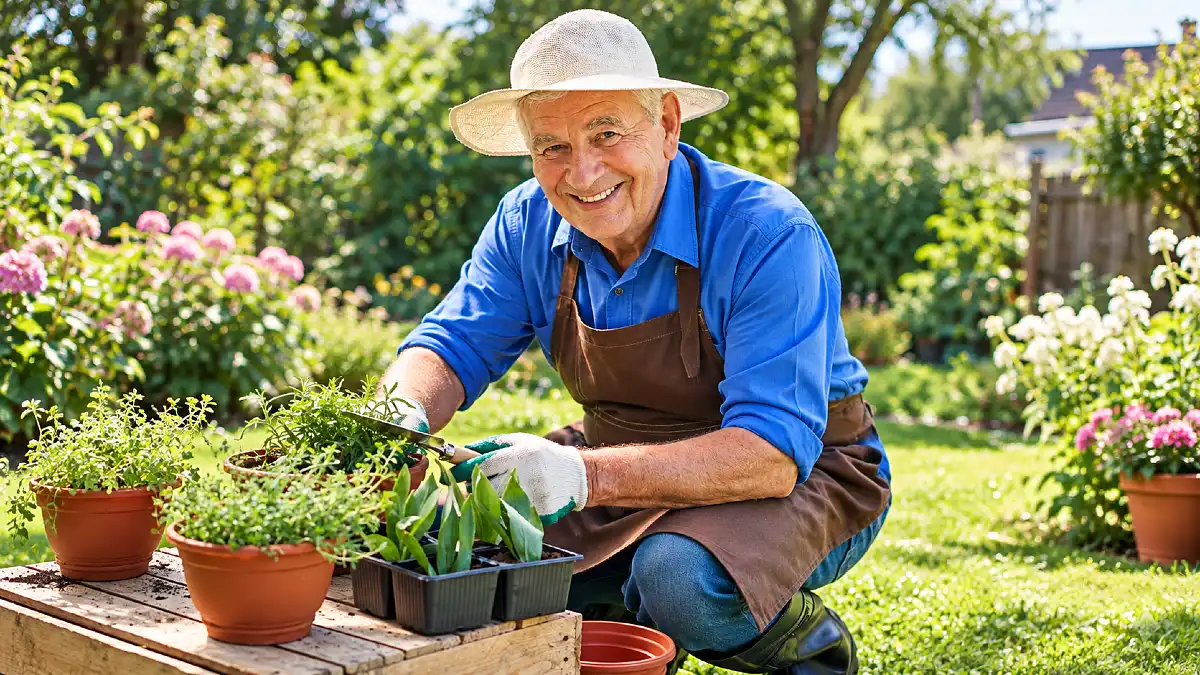
Retirement finally gives you more time to enjoy the little things, but what happens when your home no longer has room for the garden you once loved?
Moving into a smaller house, apartment, or retirement community can make gardening seem like something you have to leave behind. Yet giving up a large backyard does not mean giving up the pleasure of growing plants.
Gardening in retirement can be simple, affordable, and manageable, even with limited space or mobility. A sunny window, small patio, or balcony may be enough to grow flowers, fresh herbs, and vegetables.
Why Small-Space Gardening Makes Sense After Retirement
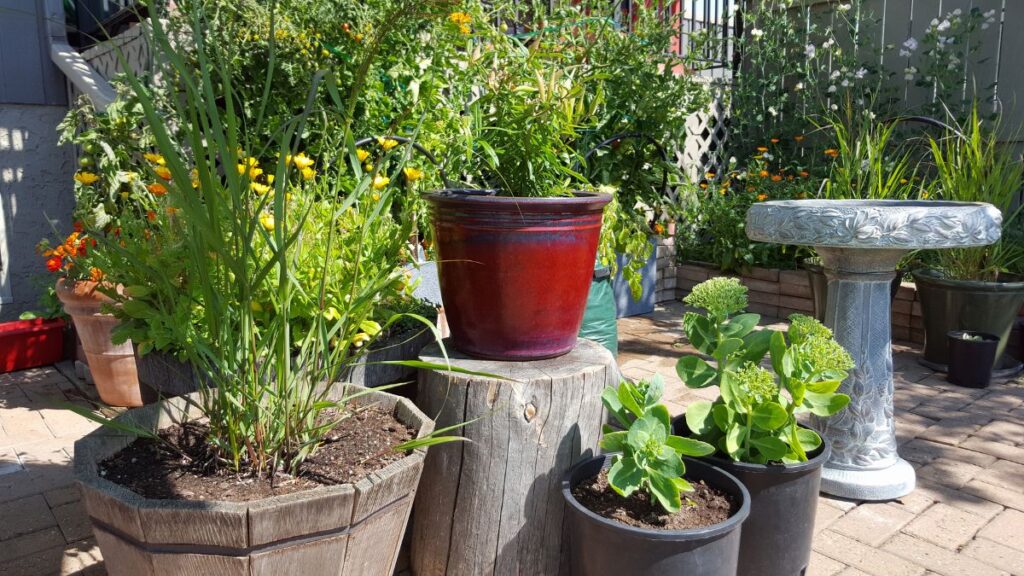
A smaller garden often means less digging, fewer weeds, and less time spent maintaining areas you no longer need. Instead of managing an entire yard, you can focus on a handful of plants that bring color, fresh food, and enjoyment into everyday life.
The University of Minnesota Extension explains that container gardening works in places such as balconies, front steps, and patios. Even a few pots can support herbs, vegetables, and flowering plants when they receive suitable light and care.
For retirees, the real advantage is flexibility. You can arrange plants at a comfortable height, limit the amount of physical work, and build a gardening routine that remains enjoyable rather than exhausting.
| Small-Space Garden | Best Location | Main Advantage |
|---|---|---|
| Container garden | Patio or balcony | Easy to start and rearrange |
| Windowsill herbs | Sunny kitchen window | Fresh herbs close to cooking |
| Elevated raised bed | Patio or small yard | Less bending and kneeling |
| Vertical garden | Wall or fence | Saves valuable floor space |
| Salad box | Porch or outdoor table | Fresh greens in a small area |
| Indoor microgreens | Bright indoor shelf | Gardening without a yard |
1. Start With Three Simple Patio Containers
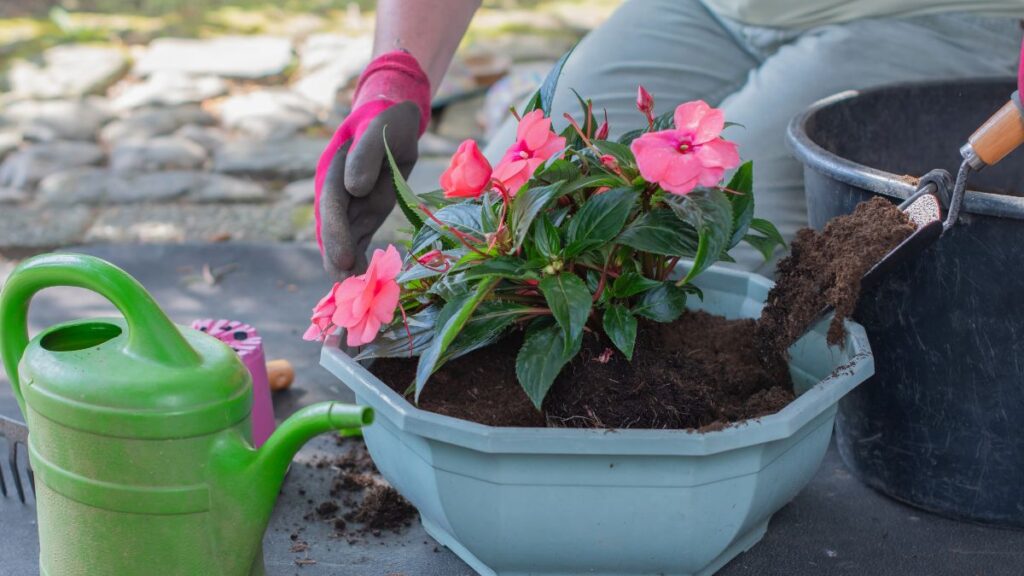
You do not need twenty pots to enjoy a garden. Three well-chosen containers can make an empty patio, porch, or balcony feel more welcoming without creating a demanding maintenance schedule.
Try growing one flowering plant, one herb, and one vegetable. For example, a pot of marigolds, a basil plant, and a compact pepper plant can provide color, fragrance, and something useful for the kitchen.
Choose lightweight containers with drainage holes and fill them with potting mix rather than heavy garden soil. Arrange the pots where you can reach them without stretching, and start with plants suited to the available sunlight.
Retirement tip: Begin with three plants for your first month. Once you know how much watering and attention they need, decide whether you want to add more.
2. Grow Fresh Herbs Right Outside the Kitchen
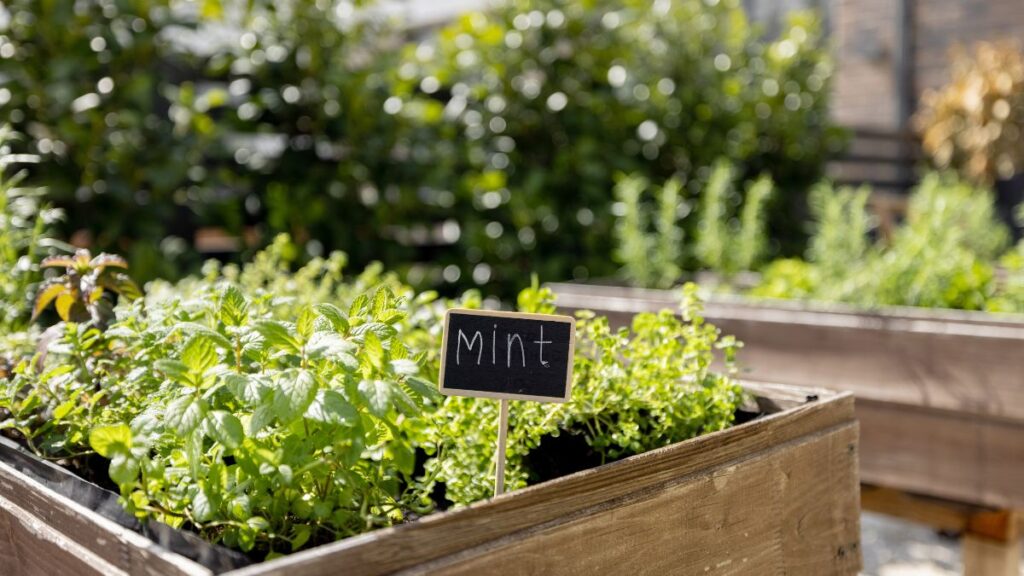
Fresh herbs are among the most practical plants for a small retirement garden. They take up little room, can be harvested in small amounts, and save you from buying an entire package of herbs when a recipe needs only a few leaves.
Basil, parsley, chives, thyme, and oregano are useful starting choices. A sunny windowsill, porch shelf, or small outdoor table can hold several containers without taking over the available space.
However, different herbs need different growing conditions. Most prefer strong light, while plants such as parsley tolerate some shade. The University of Maryland Extension recommends a sunny window or supplemental grow lighting for indoor herbs.
Easy starting idea: Plant basil and chives in separate small pots near your kitchen. Keep mint in its own container because it spreads aggressively and can crowd out neighboring plants.
3. Choose Elevated Raised Beds to Avoid Constant Bending
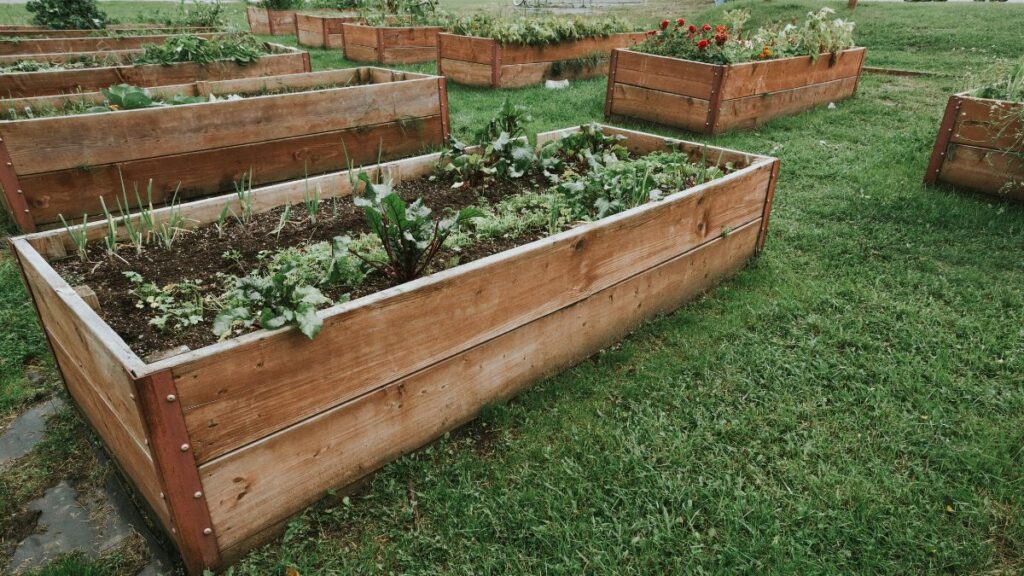
Traditional gardening often involves kneeling, bending, and getting back up from the ground. These movements can become uncomfortable with age, particularly for people experiencing reduced flexibility or joint stiffness.
An elevated raised bed brings the plants closer to a comfortable working height. It allows you to water, trim, and harvest vegetables while standing or sitting, depending on the design.
The University of Minnesota Extension notes that raised beds can improve garden accessibility. It suggests approximately 27 inches as a generally comfortable bed height for wheelchair users, although the ideal design depends on personal reach and clearance.
A narrow bed is usually easier to manage than a wide one. Before purchasing, make sure you can comfortably reach the middle without leaning too far forward.
| Gardening Challenge | Easier Alternative | Why It Helps |
|---|---|---|
| Difficulty kneeling | Elevated raised bed | Plants sit higher |
| Limited hand strength | Cushioned-grip tools | More comfortable handling |
| Back discomfort | Long-handled tools | Reduces repeated bending |
| Heavy watering cans | Lightweight watering wand | Less lifting |
| Limited standing endurance | Stable gardening chair | Allows seated work |
| Difficulty carrying pots | Wheeled plant caddy | Easier repositioning on level ground |
4. Create a Small Salad Garden in a Shallow Planter
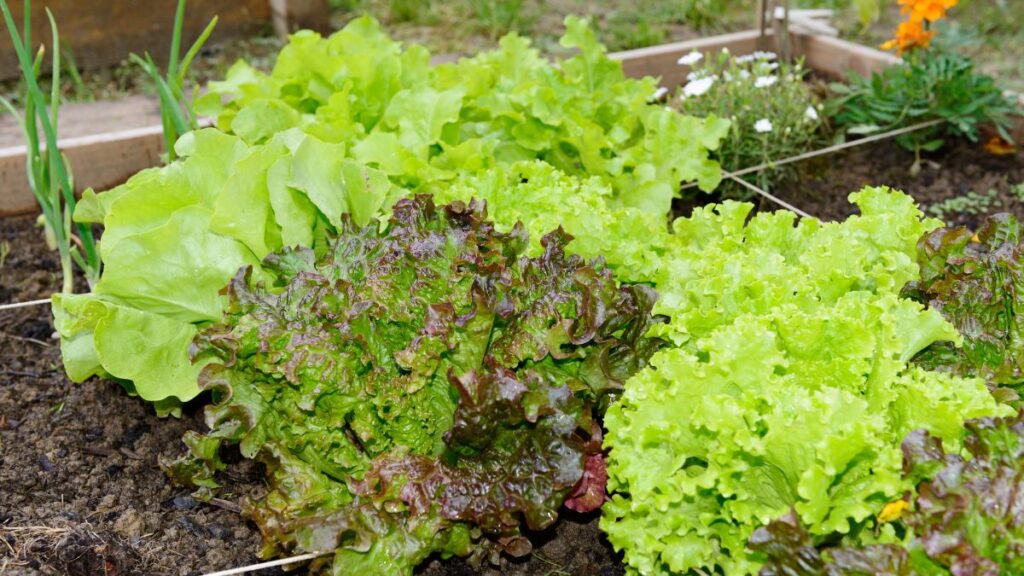
Imagine stepping outside to pick fresh lettuce for lunch without maintaining a vegetable patch. A small salad garden makes that possible, even if your only outdoor space is a porch or patio.
Leaf lettuce, arugula, spinach, and other salad greens can grow in wide, relatively shallow containers. According to North Carolina Cooperative Extension, many leafy greens can be grown in containers approximately 6 to 8 inches deep.
Choose a planter with drainage holes and place it where the greens receive suitable sunlight. Lettuce generally performs best during cooler growing periods, so spring and fall are useful planting seasons in many parts of the United States.
Instead of harvesting the whole plant, pick mature outer leaves while leaving the center to continue growing. This can provide several small harvests from the same planting.
Money-saving idea: Sow a small amount of lettuce seed every two or three weeks during suitable weather. You can enjoy a more consistent supply without growing more than you can eat.
5. Turn Window Boxes Into Colorful Mini Gardens
Window boxes can make a small home feel lively without sacrificing patio or floor space. They are particularly useful for retirees living in townhomes, apartments, or houses with little available land.
Geraniums, petunias, and compact seasonal flowers can create a colorful display. For a practical combination, consider planting parsley, chives, or other small herbs in a box that receives appropriate sunlight.
The main concern is safe installation. Window boxes should be securely attached, with suitable drainage and enough clearance to open windows and maintain the plants comfortably.
If you live in an apartment or retirement community, check building rules before installing railing or window planters. Avoid placing heavy containers where they could fall or drip onto people below.
A few well-kept boxes often look more attractive than dozens of overcrowded pots. They also give you less to water, prune, and replace when the seasons change.
6. Use Vertical Gardening to Make Room for More Plants
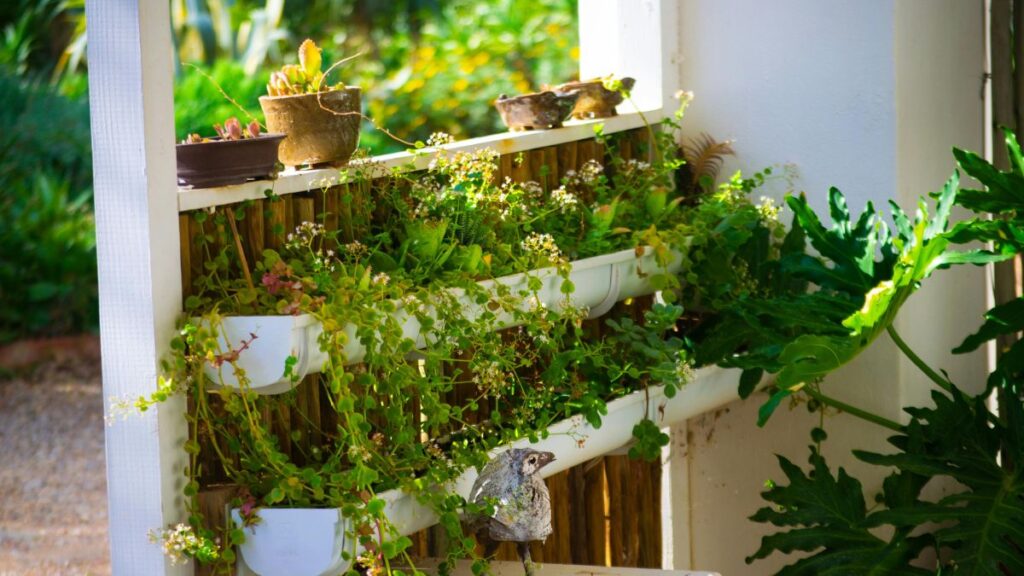
When floor space is limited, growing upward can make a surprising difference. A vertical garden uses trellises, shelves, or wall-mounted planters to create growing space without spreading containers across the ground.
Compact climbing beans and peas can grow on suitable trellises during their preferred seasons. Small herbs, trailing flowers, and certain foliage plants can also work well on sturdy shelves or purpose-built vertical planters.
The Royal Horticultural Society recommends considering walls, fences, and other upright surfaces when planning small gardens. However, every structure must support the weight of the plants, growing medium, and water.
For retirees, the best vertical garden is one that stays within comfortable reach. Avoid designs that require climbing ladders or stretching above shoulder height to water plants.
Practical tip: Keep frequently harvested herbs at waist or chest height. Use lower shelves for heavier pots so the arrangement remains stable.
7. Grow Compact Tomatoes and Peppers in Containers
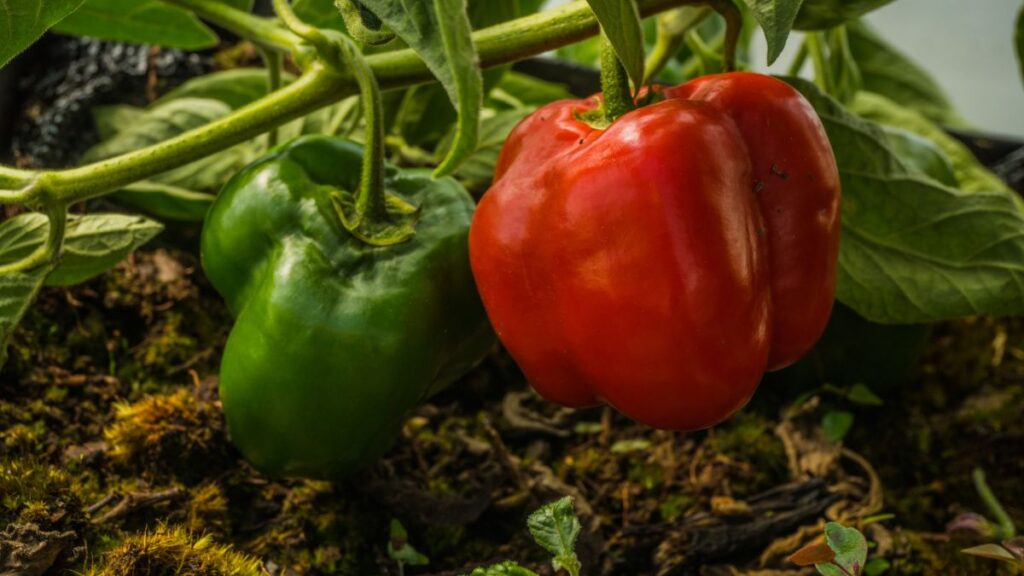
Growing vegetables does not have to involve an entire backyard. Certain compact tomato and pepper varieties can produce useful harvests in containers, making them appealing for small-space gardening.
Look for tomato varieties labeled patio, compact, or dwarf, and choose containers large enough for mature roots. A five-gallon container is a useful starting size for many compact fruiting vegetables, although some varieties need more room.
Oregon State University Extension recommends around six to eight hours of direct sunlight for crops such as tomatoes and peppers. It also emphasizes good drainage and appropriate potting mix.
Place containers near a water source before filling them because wet growing medium can become surprisingly heavy. Use a tomato cage or sturdy support early, before the plant grows large enough to lean or fall over.
| Vegetable | Container Starting Point | Sunlight | Beginner Difficulty |
|---|---|---|---|
| Leaf lettuce | 6–8 inches deep | Partial to full sun | Easy |
| Radishes | About 6–8 inches deep | Full sun or some shade | Easy |
| Green onions | About 8–10 inches deep | Full sun or some shade | Easy |
| Compact peppers | Around 5 gallons | 6–8 hours | Moderate |
| Dwarf tomatoes | Around 5 gallons or larger | 6–8 hours | Moderate |
| Bush beans | Around 12 inches deep | 6+ hours | Easy to moderate |
Container sizes are starting guidelines. Check the mature plant size and requirements for the particular variety you buy.
8. Try Self-Watering Planters for Less Daily Work
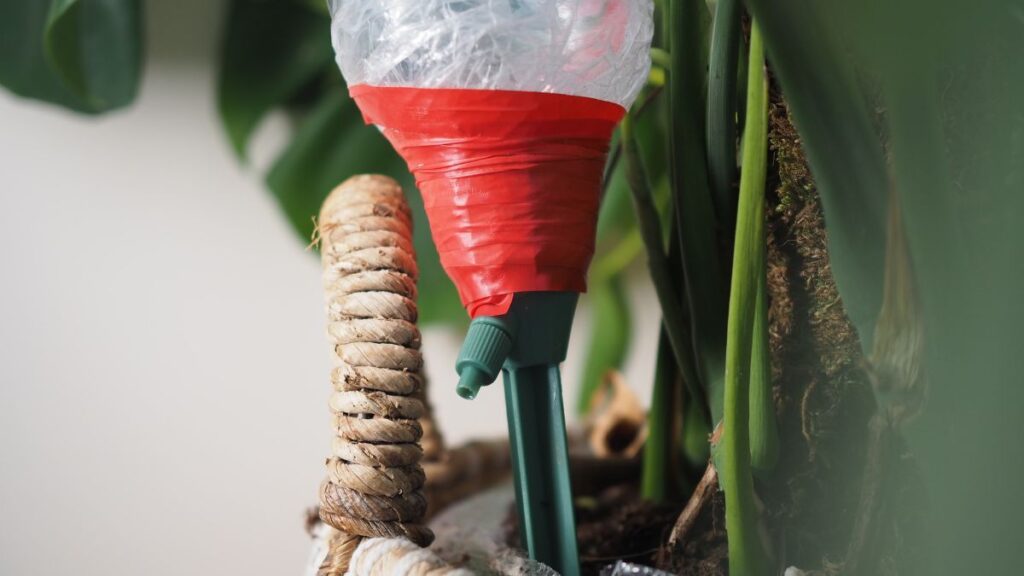
One of the biggest challenges with container gardening is keeping plants watered. Smaller pots can dry out quickly during hot weather, especially on sunny patios and balconies.
Self-watering planters can make this responsibility easier. Many have a reservoir beneath the growing area that supplies moisture as the potting mix needs it, reducing the number of times you must carry water.
This can be particularly helpful for retirees who travel, spend weekends with family, or simply prefer a less demanding gardening routine. However, self-watering containers still require checking, refilling, and occasional cleaning.
Choose a planter with a visible water-level indicator and follow its instructions carefully. Some plants prefer drier conditions, so not every herb or flower belongs in a consistently moist growing system.
Remember that a full water reservoir adds weight. Check the strength of shelves, balconies, and elevated stands before placing larger containers on them.
9. Make a Shady Corner Feel Like a Garden
Not every retirement home has a sunny backyard or south-facing balcony. Fortunately, a lack of direct sunlight does not prevent you from creating an attractive small garden.
Shade-tolerant foliage plants can bring texture and color to areas where tomatoes or sun-loving flowers would struggle. Depending on your climate, consider ferns, hostas, heucheras, or colorful coleus.
You can arrange several containers together to create a layered display. Taller foliage toward the back and smaller plants in front can make an ordinary corner feel thoughtfully designed.
The important distinction is between partial shade and deep shade. Some plants thrive with filtered daylight, while very dark corners may not support healthy growth without additional light.
| Light Available | Plants Worth Considering | Common Locations |
|---|---|---|
| 6–8 hours of direct sun | Basil, tomatoes, peppers, marigolds | Open patios and sunny balconies |
| 3–5 hours of direct sun | Lettuce, spinach, parsley | Partly shaded porches |
| Bright, indirect light | Ferns, some begonias, coleus | Sheltered patios |
| Partial shade outdoors | Hostas, heucheras, certain ferns | Shaded yards and entryways |
Plant performance varies by local climate, temperature, and variety. A plant suited to shade in one region may need different conditions elsewhere.
10. Plant a Mini Flower Garden for Butterflies and Bees
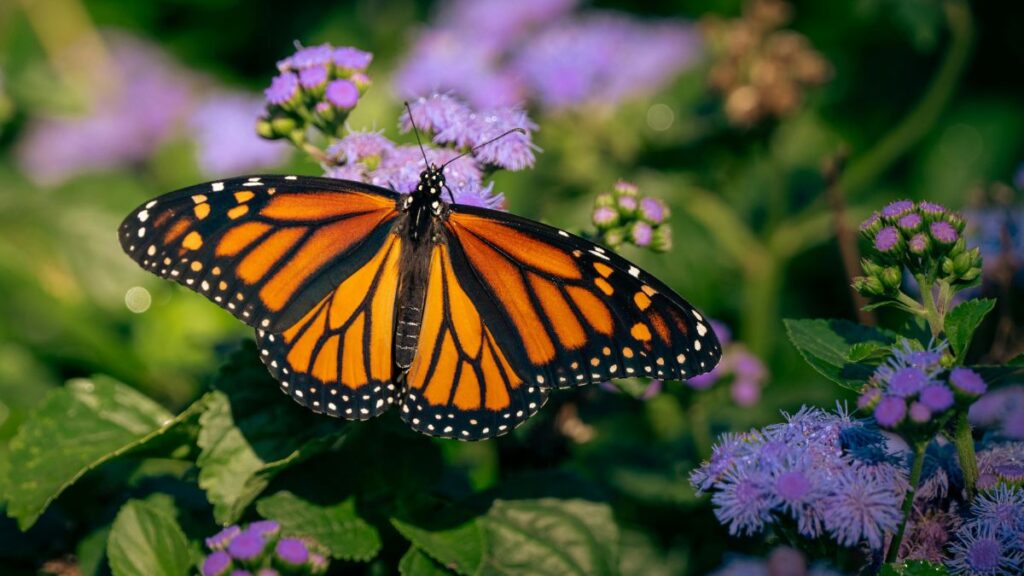
A small flower garden can bring more than color into retirement. Watching butterflies, bees, and other visiting insects can make an ordinary morning on the patio more interesting.
You do not need a large wildflower meadow to enjoy these visitors. Several containers with locally suitable flowering plants can provide nectar or pollen at different times of the growing season.
Consider native flowering plants that suit your climate and can grow well in containers. Depending on your region, compact coneflowers, coreopsis, asters, or other local species may be useful choices.
Keep flowering plants in an area where you can observe them comfortably, perhaps near an outdoor chair or a frequently used window. Avoid spraying insecticides on open blooms, and remember that even a small pollinator garden needs regular watering.
Retirement idea: Keep a simple notebook showing which flowers attract different visitors. It gives you something enjoyable to observe throughout the season without creating another demanding task.
11. Grow Microgreens on a Small Indoor Shelf
An outdoor garden is not necessary for every type of gardening. Microgreens allow you to grow young edible plants in trays that fit on a shelf or tabletop.
Radishes, broccoli, peas, and other crops sold specifically for microgreen production can be grown in shallow trays. Their growing periods are usually short, giving you a small project that changes noticeably from one day to the next.
Use clean containers, fresh growing medium, and seeds intended for food production. Provide sufficient light, keep the growing medium moist without leaving it waterlogged, and harvest the greens with clean scissors.
Indoor gardening can be especially appealing during colder months when outdoor beds are resting. However, food safety still matters: use clean water and equipment, discard any tray showing mold or decay, and refrigerate harvested greens promptly.
For retirees who enjoy small daily routines, checking a tray of developing greens can become an easy morning activity.
12. Build a Fragrant Garden Around Your Favorite Chair
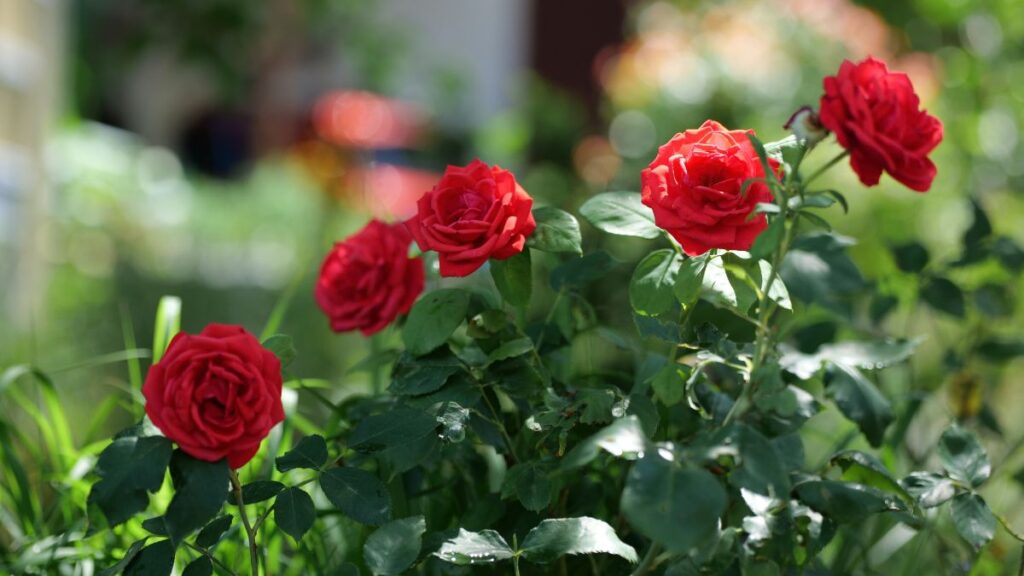
Not every garden needs to produce food. Sometimes the most rewarding retirement garden is simply a pleasant place where you can sit, relax, and enjoy your surroundings.
Start with a comfortable outdoor chair and two or three containers of fragrant plants. Lavender, thyme, scented geraniums, or other climate-appropriate choices can add pleasant scents when they receive suitable growing conditions.
Arrange the pots where you can enjoy them without blocking the walkway. Keep plants within easy reach for watering and trimming, but leave enough space to sit, stand, and move around safely.
Add a small table for your morning coffee, a book, or gardening tools. Instead of treating the space as another project to maintain, make it somewhere you genuinely enjoy spending time.
The most successful retirement garden may not be the one with the most plants. It may be the one that encourages you to sit outside for a few minutes every day.