

Going back to school after 60 might sound expensive, intimidating, or unnecessary. But many older adults are discovering that learning something new can bring excitement and purpose to retirement without requiring thousands of dollars.
Some colleges even offer free tuition to qualifying seniors.
You do not need to earn another degree or spend years in a classroom to benefit. A short history course, photography workshop, computer class, or language lesson can give your week something interesting to look forward to.
And some of the best learning opportunities are available right in your community.
Why Going Back to School After 60 Can Be Worth It
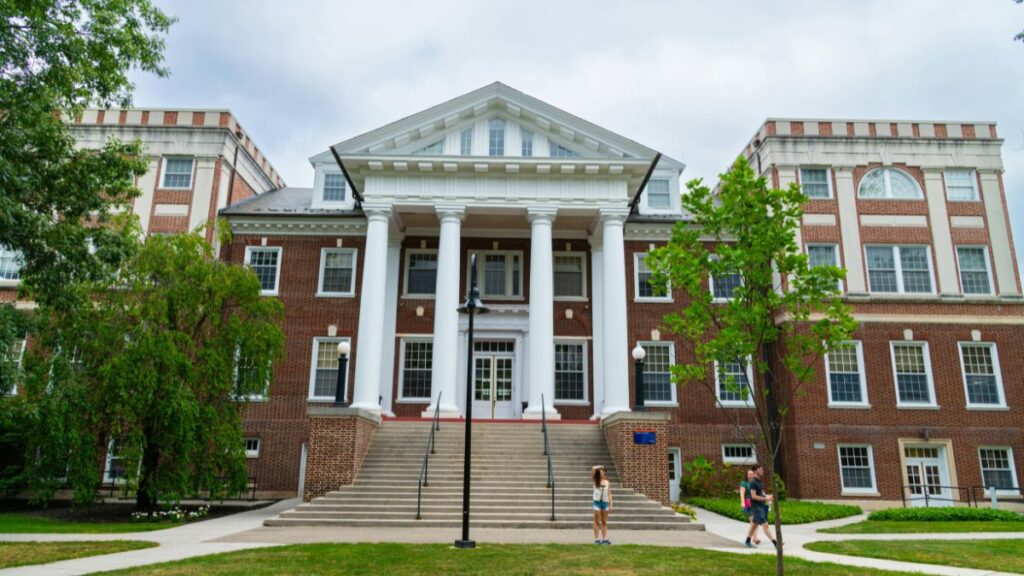
For many people, retirement means leaving behind the schedules, responsibilities, and daily challenges that once filled their working years. That freedom feels wonderful at first, but some retirees eventually miss having goals and opportunities to accomplish something new. Education can provide a fresh sense of direction.
The National Institute on Aging reports that older adults remain capable of learning new skills and forming memories.
Research also suggests that mentally demanding activities may support certain thinking abilities, although the evidence does not prove that taking classes prevents dementia. Learning can still be rewarding simply because it makes life more interesting.
The social benefits deserve attention as well. Walking into a classroom creates opportunities to meet people who share your interests, discuss ideas, and develop friendships. For retirees who miss the everyday conversations of working life, that connection can be especially meaningful.
You also have an advantage that younger students may not appreciate. After decades of experience, you often know which subjects genuinely interest you and which commitments you would rather avoid. Education after 60 can be about curiosity rather than grades, promotions, or pleasing somebody else.
Free College Tuition for Seniors Is More Common Than You Might Think

One of the biggest surprises is that several states offer tuition waivers or reduced fees for older residents at participating public colleges. Depending on the state, eligibility may begin at age 60, 62, or 65. Some programs allow students to earn credits, while others focus on attending classes without working toward a degree.
These benefits are not automatic, and the rules differ considerably. Colleges may require state residency, admission, available classroom space, or completion of certain paperwork. Books, transportation, parking, and other expenses may still be your responsibility.
Here are several examples of established state programs.
| State | Age Requirement | Potential Education Benefit |
|---|---|---|
| California | 60+ | Certain California State University tuition and fee waivers |
| Florida | 60+ | Senior tuition waivers at participating public institutions |
| Georgia | 62+ | University System courses at little or no cost, subject to eligibility and space |
| Texas | 65+ | Tuition exemption for up to six semester credit hours at qualifying public institutions |
These examples are starting points rather than guarantees of free enrollment. A university may offer the benefit only for particular courses or require students to meet regular admission standards. Checking directly with the registrar is the safest way to understand what applies.
Even if your state does not appear in this table, it is worth asking about senior education benefits. Some colleges maintain their own reduced tuition programs, auditing arrangements, or continuing education discounts. A brief phone call could reveal an opportunity that is not widely advertised.
Auditing a College Course Can Remove Much of the Pressure

Not everyone returning to school wants homework, examinations, or a permanent academic record. That is where auditing becomes particularly attractive for retirees who simply enjoy learning. Auditing generally allows someone to attend a class without earning academic credit.
Imagine sitting through an American history course because you have always loved the subject. You could listen to lectures, follow classroom discussions, and read materials without needing a grade at the end. The exact participation requirements depend on the college and instructor.
Some institutions charge a reduced auditing fee, while others include eligible audit courses in their senior tuition programs. However, auditing is not automatically free, and it may still require admission or registration. Always confirm the total amount before signing up.
Auditing can also be a comfortable way to test your interest in college life. You can begin with one subject rather than committing to an entire semester of demanding coursework. If the experience feels rewarding, additional classes may become part of your retirement routine.
Community Colleges Offer Practical Skills at Lower Costs

Four-year universities are not the only places worth considering. Community colleges often provide accessible education in subjects that connect directly to everyday life. Their catalogs may include both traditional academic courses and shorter programs for adults.
You might find classes in computer basics, personal finance, creative writing, photography, cooking, or small business management. Many community colleges also offer workforce training for adults who want to return to part-time employment. The selection depends on the college and the community it serves.
The important distinction is between credit courses and noncredit continuing education. A college may offer a generous senior tuition waiver for one category but charge its normal fee for another. Asking about that difference can prevent an unexpected bill.
Community colleges are particularly useful for retirees who prefer face-to-face instruction. Instead of watching lessons alone, you can ask questions, practice new skills, and learn alongside other people. That classroom experience may become as valuable as the subject itself.
Osher Lifelong Learning Institutes Are Designed for Older Adults
Some retirees want the university experience without feeling that they are returning to the same academic environment they left decades ago. Osher Lifelong Learning Institutes, commonly called OLLIs, were created with that kind of learner in mind. Their programs generally serve adults age 50 and older.
These institutes operate through colleges and universities around the country. Courses often cover history, literature, science, current affairs, philosophy, art, and other subjects chosen for their educational value. Most are noncredit learning opportunities rather than degree programs.
Fees vary by institute, and many charge membership dues, individual course fees, or both. Some locations offer financial assistance, reduced memberships, or discounted classes for eligible participants. For example, OLLI at UC Berkeley has offered fee assistance to help qualifying older learners participate.
An Osher program may be especially appealing if you want intellectual stimulation and regular social contact. You can meet people with similar interests without competing for grades or worrying about career advancement. Learning becomes an enjoyable part of retirement rather than another obligation.
Your Public Library May Already Have Free Classes

Before paying for an online subscription or college course, visit your local public library. Many libraries offer learning opportunities that go far beyond borrowing books. Depending on the branch, you may find workshops, digital resources, language learning tools, and educational events.
Computer instruction is one particularly useful option. Some libraries teach people how to use email, manage smartphones, search the internet, and recognize online scams. These skills can help retirees feel more independent when handling everyday tasks.
Libraries may also provide access to paid educational platforms at no additional cost to eligible cardholders. The available services differ from one library system to another, so it is worth asking what your library card includes. Some resources can be used from home.
Do not assume a library has nothing suitable because its building is small. Local branches may participate in countywide or statewide library networks with additional digital services. Asking a librarian about adult education resources is often the easiest place to begin.
Senior Planet Offers Free Technology Classes

Technology can become frustrating when familiar services suddenly require an app, password, or online account. Senior Planet from AARP offers programs intended to help older adults build confidence with modern technology. Its educational offerings are designed for people age 50 and older.
Senior Planet provides free online and in-person learning opportunities, including instruction on everyday digital skills. Topics may include smartphones, online communication, digital safety, and newer technologies. Classes are offered at different experience levels, including options for beginners.
You do not need to be an AARP member to participate in Senior Planet programs. Many classes are available virtually, although some activities require advance registration. That makes the program especially useful for people who do not live near a university.
For someone who has avoided technology because it feels overwhelming, a beginner class can be a practical first step. Learning how to join video calls or recognize suspicious messages may make everyday life easier. It can also open the door to other online courses.
Free University Courses Are Available From Home
Some older adults would love to study at a well-known university but have no interest in relocating or paying regular tuition. Free educational resources can make university-level subjects accessible from a living room or kitchen table. Several reputable institutions publish lessons that anyone can explore.
MIT OpenCourseWare is one example. It provides free access to educational materials from thousands of Massachusetts Institute of Technology courses. Subjects range from science and mathematics to literature, history, engineering, and economics.
There is no application process or enrollment requirement to use MIT OpenCourseWare. You can examine lecture notes, watch available videos, and work through course materials at your own pace. However, using these materials does not provide academic credit or an MIT certificate.
The Open University’s OpenLearn platform is another useful choice. It offers free courses in subjects such as arts, languages, business, science, psychology, and technology. Some courses also provide free digital badges or statements of participation, although these are not formal university credits.
The advantage is flexibility. You can study for twenty minutes in the morning, return after lunch, or take a few days away without worrying about attendance. For retirees with travel plans, caregiving responsibilities, or changing energy levels, that freedom can make learning more manageable.
Other Online Programs Can Help You Learn Specific Skills

Not every online course needs to come from a college or university. Some free educational platforms focus on practical abilities that people can use immediately. These may be especially valuable if your goal is to build confidence rather than complete an academic qualification.
Khan Academy offers free lessons in mathematics, economics, science, and other subjects. DigitalLearn, a program of the Public Library Association, provides free basic computer and internet lessons. Saylor University also offers free online courses in several academic and professional subjects.
Here is a comparison of useful options.
| Learning Platform | Main Subjects | General Cost |
|---|---|---|
| MIT OpenCourseWare | University-level academic subjects | Free |
| OpenLearn | Arts, business, science, languages, technology | Free |
| Khan Academy | Mathematics, economics, science, foundational skills | Free |
| Senior Planet | Technology and practical digital skills | Free |
| DigitalLearn | Computers, email, internet safety | Free |
| Saylor University | Business, academic and professional subjects | Free courses; some optional credit services cost extra |
Not every platform offers a certificate, formal credit, or personal instruction. Some provide reading materials and recorded lessons, while others include practice activities and assessments. Choosing the right format depends on whether you want knowledge, credentials, social interaction, or hands-on guidance.
It is also wise to check payment screens carefully. Certain education websites advertise free learning while charging for certificates, graded assignments, extended access, or subscriptions. Make sure you understand what is included before entering payment information.
Senior Centers and Recreation Departments May Have Hidden Opportunities

Another overlooked option is the local senior center. Many communities offer inexpensive or free activities for older residents, including educational programs. Classes can range from arts and crafts to financial literacy, technology, music, and local history.
City and county parks departments may also provide recreational education for adults. Depending on your location, you might discover beginner painting sessions, photography workshops, cooking demonstrations, or gardening instruction. Some departments offer reduced fees for residents or seniors.
These programs may not offer the academic depth of a university course. However, they often provide something equally appealing: the chance to try a new interest without making a major financial commitment. A short workshop can help you decide whether a hobby deserves more time.
Location also matters. A nearby class with a modest fee may ultimately cost less than a free university course that requires regular transportation and paid parking. Looking at the complete cost can change which option offers the best value.
Museums, Historical Societies, and Community Groups Can Be Classrooms Too

Education does not always happen behind a desk. Museums, historical organizations, botanical gardens, and community groups sometimes offer lectures, guided tours, demonstrations, and workshops. These experiences can turn a familiar local attraction into a source of ongoing learning.
A person interested in history might attend talks at a local historical society. Someone who enjoys gardening could participate in educational events offered by a botanical garden or extension program. Art museums may provide lectures that explain artists, techniques, and collections.
Some events are free, while others require an admission fee, ticket, or membership. Certain organizations offer discounted senior admission or special community days. It is worth checking event calendars before purchasing a full annual membership.
These settings may also help retirees who prefer informal learning. Instead of committing to weekly classes, you can attend a single event whenever a subject catches your attention. Over time, those experiences can build knowledge and create new friendships.
Choose Courses That Match Your Retirement Goals
One common mistake is choosing a course because it sounds impressive rather than because it genuinely interests you. At 60 or older, there is no need to study something simply to satisfy another person’s expectations. Your time deserves to be spent on subjects that feel meaningful.
A retiree who wants to travel might enjoy learning Spanish, Italian, or French. Someone hoping to earn additional income may prefer bookkeeping, basic computer programs, or small business courses. Others may simply want to write family stories, understand history, or learn an instrument.
Think about the kind of experience you want, not just the subject being taught. Some retirees enjoy lively group discussions, while others prefer quiet lessons they can complete at home. Neither approach is better for everyone.
| Your Main Goal | Learning Option Worth Exploring | What to Look For |
|---|---|---|
| Meet new people | OLLI or community college | In-person discussions and regular meetings |
| Improve technology skills | Senior Planet or public library | Beginner-friendly instruction |
| Explore academic subjects | College audit or MIT OpenCourseWare | Interesting lectures and flexible expectations |
| Develop a creative hobby | Recreation center or local workshop | Hands-on practice |
| Prepare for part-time work | Community college or Saylor University | Practical skills and recognized credentials |
| Study from home | OpenLearn or free online courses | Self-paced lessons and accessible materials |
The strongest choice is often the one you will actually continue attending. A free course is not particularly useful if it feels exhausting, confusing, or completely unrelated to your interests. Starting with something enjoyable can create the confidence to explore more demanding subjects later.
Watch for Costs That Free Tuition Does Not Cover

The phrase “free tuition” can create the impression that returning to college costs nothing. Unfortunately, that is not always the case. Even when tuition is waived, other expenses may remain.
Textbooks and learning materials can be expensive, especially for classes that require special equipment. Art courses may involve supplies, while science courses may carry laboratory costs. Parking, transportation, registration charges, and technology requirements can also affect the budget.
Before enrolling, review these possible expenses.
| Potential Expense | What to Ask Before Registering |
|---|---|
| Tuition | Does a senior waiver cover this specific course? |
| Registration fees | Are application and enrollment charges waived? |
| Books | Can materials be borrowed or accessed digitally? |
| Supplies | Does the class require equipment or purchases? |
| Transportation | Is parking free, and are online options available? |
| Certificates | Is proof of completion included or charged separately? |
| Membership | Must you pay annual dues before taking classes? |
A course that appears free may still require money for books, supplies, or administrative charges. Asking for a complete cost breakdown can help you avoid unpleasant surprises. It also makes it easier to compare different learning opportunities fairly.
For retirees on a fixed income, free library courses and open educational resources can be sensible starting points. You can explore several subjects without spending much and pay for a class only when you know it is worthwhile. This approach makes education easier to fit into an existing retirement budget.
Returning to School After Decades Away Can Feel Uncomfortable
Many older adults worry that they have forgotten how to study. Others feel nervous about using classroom technology or sitting beside much younger students. These concerns are understandable, particularly if your last formal education took place several decades ago.
But returning students bring valuable experience to the classroom. They have managed careers, households, relationships, and difficult decisions that younger learners may only be beginning to understand. That experience can make classroom conversations richer.
You also do not need to begin with a demanding subject. A short introductory course can help you become comfortable with assignments, lectures, online accounts, or group discussions. Building confidence gradually is often more enjoyable than trying to master everything immediately.
Accessibility deserves consideration as well. If hearing, vision, mobility, or another concern could affect participation, ask the institution about available accommodations before enrolling. Online courses with captions, adjustable text, and flexible schedules may provide useful alternatives.