

You can leave your job on Friday and discover that people are treating you differently by Monday. Your professional title disappears, relatives begin asking for weekday favors, and friends may quietly make assumptions about your money. These changes can catch even confident retirees off guard.
Retirement changes more than your paycheck. It can change how people judge your time, abilities, independence, and place in their lives.
Some shifts feel uncomfortable, while others create opportunities for stronger relationships.
1. People May Stop Seeing You Through Your Professional Title

For decades, your job may have helped people understand who you were. Being a manager, teacher, nurse, engineer, or business owner gave others an immediate picture of your experience and responsibilities. Retirement can suddenly remove that familiar introduction.
Someone who once introduced you as a respected professional might now simply say you’re retired. Your knowledge has not disappeared, but people may no longer connect it to a current position. That change can feel surprisingly personal.
Research published in the Journal of Organizational Behavior in 2020 found that retirement involves changes in how people define their roles and identities. Those who strongly identified with their work could face a more difficult adjustment when that role ended.
The important distinction is that losing a job title does not mean losing the abilities behind it. Your experience, judgment, and problem solving skills remain valuable even when nobody is paying you to use them.
What helps: Introduce yourself through your interests, experience, and current activities rather than only your former occupation. People are more likely to recognize your continuing abilities when you give them something meaningful to associate with you.
2. Others May Begin Treating Your Time as Unlimited

One of the first surprises after retirement is how quickly people assume your calendar is empty. Friends might request rides, neighbors may ask for favors, and relatives may expect you to handle tasks during regular working hours.
The problem is that being retired does not mean being available all day. Medical appointments, exercise, household responsibilities, hobbies, and personal commitments still take time. Rest is also a reasonable use of your day.
The Bureau of Labor Statistics’ 2025 American Time Use Survey found that Americans ages 65 and older spent about 7.1 hours per day on leisure and sports activities, on average. However, that figure covers everyone in the age group, including people who work, and does not measure how much time retirees can freely give away.
Even a small recurring request can become a major commitment. Helping someone for two hours every week adds up to 104 hours over a year, assuming the arrangement continues for 52 weeks.
Here is how expectations can change after you stop working.
| Situation | What Others May Assume | What You Can Clarify |
|---|---|---|
| Weekday mornings | You have nothing planned | Your mornings have a routine |
| Family errands | You can help anytime | You need advance notice |
| Childcare requests | You’re always available | You have limited hours |
| Social invitations | You can change plans easily | Your commitments matter too |
The important difference is between having flexible time and having unlimited time. Retirement may give you more control over your schedule, but that control belongs to you.
What helps: Establish a regular weekly routine and share your availability before accepting ongoing responsibilities. A simple statement such as “I can help on Tuesday afternoons, but my mornings are already planned” sets a clear expectation.
3. Former Coworkers May Gradually Stop Including You

Work relationships often feel permanent because people spend years solving problems and sharing everyday experiences. Once you retire, those relationships no longer have the workplace bringing everyone together. Invitations, messages, and casual conversations may become less frequent.
This does not necessarily mean former colleagues have stopped caring about you. Their working lives continue, and many of their conversations still revolve around projects, meetings, and issues you no longer share.
A 2025 study published in The Journals of Gerontology followed retirement related social changes among more than 5,000 people in the Netherlands. Researchers found that contact with former coworkers initially increased but tended to decline as retirement continued.
The same research found increased contact with friends and neighbors after retirement. That suggests retirement can change the shape of a social circle rather than simply make it smaller.
What helps: Keep relationships with former colleagues that matter personally, even when the professional connection has ended. Arrange occasional lunches, phone calls, or shared activities that do not depend on discussing your former job.
4. Family Members May Start Seeing You as Their Default Helper

Retirement can change how your family divides responsibilities. Adult children may begin asking you to watch grandchildren, help with household repairs, attend appointments, or provide transportation because they believe you now have more time.
Helping family can be deeply rewarding, especially when it strengthens relationships across generations. But an occasional favor can quietly become an ongoing responsibility if expectations are never discussed.
Consider a hypothetical retiree who agrees to provide childcare for 10 hours every week. That arrangement represents 520 hours over a full year, roughly equivalent to 13 standard 40 hour workweeks.
The table below shows how quickly regular unpaid commitments add up.
| Weekly Commitment | Annual Hours | Possible Effect |
|---|---|---|
| 2 hours | 104 | Less flexible personal time |
| 5 hours | 260 | Regular weekly obligation |
| 10 hours | 520 | Major ongoing commitment |
| 15 hours | 780 | Limited room for other plans |
Calculations assume 52 weeks of participation.
These hours are not automatically wasted. Many retirees gladly choose to spend this time supporting the people they love, but the commitment should be intentional rather than assumed.
What helps: Agree on the days, hours, and responsibilities you are comfortable accepting. If the arrangement involves regular driving or other expenses, discuss those costs before they become a financial burden.
5. Your Spouse May Begin Seeing You as a Different Partner

Retirement can change a marriage or long standing partnership even when both people are happy about leaving work behind. A couple accustomed to spending much of the day apart may suddenly be together for most of their waking hours.
The working partner may expect the retiree to handle more household tasks. Meanwhile, the newly retired partner may expect greater freedom, shared activities, or additional attention. Neither set of expectations is necessarily unreasonable, but they can conflict.
For couples retiring at different times, the adjustment can become more complicated. One person may still be managing a demanding job while the other wants to travel, spend money on hobbies, or change daily routines.
Household finances can also introduce tension when employment income stops. Spending that once felt ordinary may now require more discussion, especially if both partners have different views about protecting retirement savings.
What helps: Discuss how you want to share household responsibilities, personal space, spending decisions, and leisure time. Agreeing on a routine together is often more useful than assuming retirement will naturally improve every part of the relationship.
6. Adult Children May Become More Protective of Your Decisions

Adult children sometimes begin watching their parents more closely after retirement. They may ask about medical appointments, investment decisions, household safety, or whether a large purchase is necessary.
These questions often come from concern rather than disrespect. However, repeated advice can make a capable retiree feel as though others suddenly doubt their judgment.
The shift may become especially noticeable when adult children start discussing a parent’s money. Questions about savings, account access, housing, or future care can be sensible parts of family planning, but they should not automatically lead to children taking control.
Retirement itself does not remove someone’s right or ability to make independent financial decisions. A person’s age or employment status is not evidence that they can no longer manage their affairs.
What helps: Share the information that is useful for emergency planning while keeping appropriate privacy and control. You can identify important documents, explain whom to contact in an emergency, and discuss future wishes without surrendering everyday decision making.
7. Friends May Assume Your Retirement Budget Is Smaller Than It Is

People often connect employment with financial security. Once you stop receiving a regular paycheck, some friends may assume you can no longer afford restaurants, vacations, hobbies, or other activities you previously enjoyed.
That assumption may be completely wrong. A retiree with Social Security, pension income, savings, and manageable expenses could have considerable financial flexibility, while someone earning a high salary might still struggle with debt.
The opposite problem also occurs. Friends may assume retirement means you are financially comfortable because you no longer need to work, even when your budget is tight.
Both assumptions overlook the difference between income and financial resources. Retirement spending depends on household expenses, savings, debt, guaranteed income, health costs, and personal priorities.
For example, someone receiving $4,500 in monthly retirement income with $3,200 in expenses has a different situation from someone receiving $5,000 with $5,400 in expenses. The second person has more monthly income but faces a budget shortfall.
What helps: Avoid feeling pressured to prove your financial position through spending. Choose activities based on your actual retirement budget, and suggest less expensive options when a social plan does not fit your priorities.
8. Some Relatives May Begin Viewing Your Savings as Available Family Money
For some retirees, family requests shift from asking for time to asking for financial assistance. Adult children might need help with rent, grandchildren may have education expenses, or relatives may request loans during difficult periods.
A retirement account balance can look large to someone focused on immediate expenses. However, money intended to cover decades of living costs cannot be treated the same way as extra cash from a monthly paycheck.
Consider a hypothetical retiree who gives a family member $300 every month. The arrangement may initially seem manageable, but it creates an annual commitment of $3,600 before accounting for any additional requests.
Here is what different levels of monthly family assistance would cost.
| Monthly Assistance | Annual Cost | Five Year Total |
|---|---|---|
| $100 | $1,200 | $6,000 |
| $250 | $3,000 | $15,000 |
| $400 | $4,800 | $24,000 |
| $600 | $7,200 | $36,000 |
These are simple totals assuming fixed monthly payments, with no investment returns, inflation adjustments, taxes, or changes in assistance.
The key point is that regular financial help creates an ongoing obligation. It can reduce the money available for unexpected medical bills, home repairs, or future care.
What helps: Decide how much support your retirement budget can safely accommodate before requests arise. If you choose to help, explain whether the money is a gift or loan, and avoid commitments that depend on uncertain investment returns.
The Consumer Financial Protection Bureau also advises older adults to watch for financial pressure, unwanted control over accounts, and unusual financial changes. Family support should remain voluntary and consistent with your own long term needs.
9. Working Friends May Start Seeing Your Lifestyle as Completely Different

Friendships can change when one person retires while another continues working. You may want to meet during the week, take longer trips, or enjoy quieter activities, while your working friends still have limited evenings and weekends.
Some may envy your flexibility. Others may assume you cannot understand their workplace frustrations because you are no longer dealing with the same daily pressure.
These differences can slowly create distance unless both sides make an effort. A friend who once shared lunch breaks or commuting stories may now have fewer experiences that overlap with yours.
However, retirement does not always weaken friendships. The 2025 Dutch study on retirement and social connections found that contact with friends and neighbors generally increased after retirement.
That finding matters because it challenges the belief that leaving work automatically leads to losing social relationships. Retirement can create more opportunities to strengthen friendships that previously received limited attention.
What helps: Continue making plans that fit your friends’ schedules rather than expecting everyone to adapt to yours. At the same time, develop new relationships with people who share your available time and interests.
10. Some People May Begin Judging Your Abilities Through Age Stereotypes
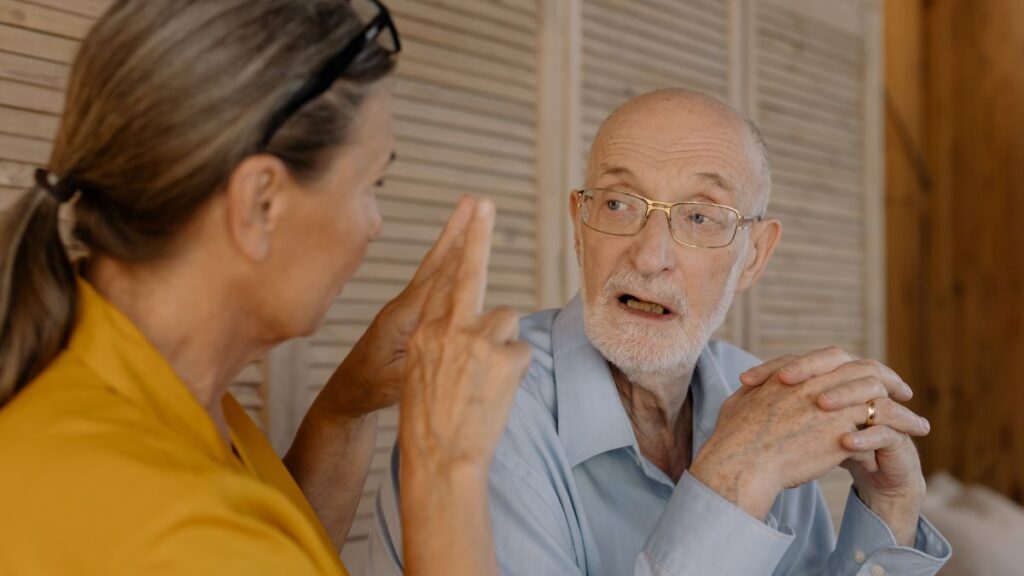
Retirement can make age more noticeable in how people describe you. Someone who previously saw you as an experienced professional may begin treating you as though being retired automatically means being less capable, active, or informed.
These assumptions can appear in everyday conversations. People might offer unnecessary help, question your ability to use technology, or speak to a younger family member instead of addressing you directly.
The World Health Organization identifies this kind of stereotyping and unequal treatment as ageism. Its 2025 guidance explains that age related assumptions can influence relationships, opportunities, and even how people view their own abilities.
Retirement and physical or mental ability are different things. Many people retire while remaining healthy, skilled, independent, and deeply involved in their communities.
Several common beliefs can contribute to unfair treatment.
| Common Belief | Reality | Better Perspective |
|---|---|---|
| Retired people are less capable | Abilities vary by person | Judge actual skills |
| Retirement means inactivity | Many retirees stay active | Ask about current interests |
| Older adults cannot learn technology | Learning differs individually | Offer help only when useful |
| Retirees no longer contribute | Contribution takes many forms | Recognize experience and service |
The common thread is that employment status cannot accurately measure someone’s abilities. A retired person may have stopped working for pay without becoming less knowledgeable or less independent.
What helps: Correct inaccurate assumptions calmly and directly. Stay involved in activities that demonstrate your interests and abilities, but remember that you do not need to prove your worth through constant productivity.
11. People May Begin Valuing You More for Your Wisdom Than Your Position

Not every change in social status is negative. Retirement can create opportunities for others to appreciate your experience without the pressure of workplace titles, deadlines, or competition.
Former coworkers may ask for career advice because they trust your judgment. Younger relatives might become interested in how you handled major financial decisions, raised a family, or managed difficult situations.
The difference is that people may now seek your perspective rather than your authority. Your value comes from what you know and how generously you share it, not from having a formal position above someone else.
This can be particularly rewarding for people who spent years teaching, leading teams, managing businesses, or solving technical problems. Their experience can continue to help others through mentoring, volunteering, community projects, or occasional consulting.
There is also room to grow. Retirees who remain curious and willing to learn from younger generations may build more balanced relationships than those who feel they must always be the expert.
What helps: Look for opportunities to share your knowledge where it is genuinely wanted. Offering guidance without trying to control the outcome can help build mutual respect.
12. New Social Circles May See You for Who You Are Today
One of retirement’s most meaningful changes is the chance to build relationships outside your former professional identity. New friends may know nothing about your previous salary, job title, or workplace reputation.
Instead, they may know you as someone who enjoys gardening, walks every morning, plays music, helps at the library, or volunteers in the community. These relationships can offer recognition that has little connection to career success.
Research published in Current Psychology in 2023 examined how social group memberships relate to identity changes during retirement. Having more group memberships was associated with more positive expectations about retirement identity, although actual experiences were not always as positive as people anticipated.
This suggests that retirement adjustment can benefit from maintaining meaningful roles outside work. However, joining activities is not a guarantee of happiness, and the quality of relationships matters more than simply filling a calendar.
The practical goal is to build a life in which your sense of belonging does not depend on one former job or one group of people.
Here is a simple way to strengthen your social identity after retirement.
| Priority | Action | Why It Helps |
|---|---|---|
| Maintain friendships | Arrange regular contact | Keeps meaningful ties active |
| Build new connections | Join a local group | Creates shared experiences |
| Protect independence | Set time and money boundaries | Reduces unwanted pressure |
| Share experience | Mentor or volunteer | Builds a valued social role |
| Keep learning | Pursue a personal interest | Supports growth and confidence |
You do not need to pursue every opportunity at once. Choosing one or two activities that genuinely interest you can be more satisfying than accepting obligations merely to appear busy.
What helps: Spend time with people who respect your present interests, decisions, and contributions. Over time, these relationships can help establish an identity that feels independent of your former career.