

Living alone in later life sounds wonderful until the little things begin to change. You can eat whenever you want, enjoy complete privacy, and make every household decision yourself.
But what happens when you get sick, the house needs repairs, or several days pass without a meaningful conversation?
These are the realities people rarely discuss before living alone in their 60s, 70s, or 80s. Some are emotional, while others affect your health, safety, and retirement savings.
1. Living Alone Means Becoming Your Own Emergency Backup

One of the biggest adjustments to living alone is realizing that nobody automatically knows when something goes wrong. If you slip in the bathroom, become suddenly ill, or need help during the night, another person may not be there to notice.
That does not mean living alone is unsafe. It means having a reliable emergency plan matters more than many people expect.
According to the CDC, more than 14 million Americans aged 65 and older report falling each year. Falls do not always cause serious injuries, but getting help promptly can make a major difference when one does.
The challenge is not simply preventing accidents. It is making sure someone can respond when you cannot handle an emergency yourself.
Consider these common situations and the preparations that can make them easier to manage.
| Potential Problem | Why It Matters | Practical Preparation |
|---|---|---|
| Falling at home | You may be unable to reach a phone | Keep a phone accessible or use a wearable alert |
| Sudden illness | Nobody may notice quickly | Arrange regular check-ins |
| Locked doors | Emergency helpers may struggle to enter | Establish secure access with someone trusted |
| Power outage | Lighting and communication may fail | Keep a charged flashlight and backup power |
| Medical emergency | Important information may be unavailable | Prepare a medication and emergency contact list |
A daily phone call or agreed check-in message can provide a useful safety net. Decide in advance what your contact should do if they cannot reach you.
A secure key lockbox can also help, provided access details are shared only with appropriate trusted people. These arrangements let you maintain privacy while ensuring assistance is available.
There is another important consideration. An emergency plan should include what happens to your pets, medications, and essential household needs if you are unexpectedly hospitalized.
The goal is not to live cautiously every moment. It is to remove a few preventable problems before they interfere with the life you enjoy.
2. Loneliness Can Find You Even When You Love Solitude

Many people assume that those who enjoy spending time alone cannot feel lonely. However, enjoying solitude and needing human connection are two different things.
You might love spending an entire afternoon reading or gardening. Yet when evening arrives, you may miss having someone ask how your day went.
These feelings can become more noticeable after retirement. Former coworkers disappear from your daily routine, longtime friends may move away, and family members become busy with their own responsibilities.
The CDC makes an important distinction between loneliness and social isolation. Loneliness is the feeling of being disconnected, while social isolation means having limited contact or support from others.
You can live alone without experiencing either problem. But living alone can make it easier for social connections to weaken without anyone noticing.
One practical solution is to build regular contact into your week. That could mean calling a friend every Tuesday, meeting someone for coffee, or attending a weekly community activity.
Pets can also provide companionship and daily structure. However, consider veterinary expenses, physical demands, and who would care for the animal during an emergency before adopting one.
The real lesson is that independence does not require isolation. Having people you can contact when you want companionship or assistance makes living alone more sustainable.
3. Home Maintenance Becomes a Bigger Responsibility

A home that once felt easy to manage can gradually become more demanding. Cleaning gutters, moving furniture, mowing the lawn, and keeping up with repairs all require time, energy, or money.
When two people share a household, these responsibilities can be divided. Living alone means arranging everything yourself, even when you would rather spend your time elsewhere.
Some people begin postponing tasks because they seem too exhausting. Unfortunately, certain neglected repairs can become more expensive when left unattended.
A minor plumbing leak, for example, may eventually damage flooring or cabinets. Delaying a repair can turn a manageable bill into a much larger expense.
There is also the cost of bringing in help. CareScout’s 2025 Cost of Care Survey found that the national median hourly rate for a nonmedical caregiver was $35.
That rate is useful for estimating personal assistance, companionship, and everyday support. Specialized cleaning, lawn care, and home repairs have different prices, so those services need separate estimates.
What Paid Help Could Cost
The following examples use the 2025 national median rate of $35 per hour. They assume paid assistance every week for 52 weeks, with no additional fees.
| Weekly Assistance | Approx. Monthly Cost | Annual Cost |
|---|---|---|
| 4 hours | $607 | $7,280 |
| 8 hours | $1,213 | $14,560 |
| 20 hours | $3,033 | $36,400 |
| 44 hours | $6,673 | $80,080 |
Even four hours of weekly assistance can cost more than $7,000 annually. That makes planning for future household support an important part of retirement budgeting.
For comparison, the same CareScout survey reported a 2025 national median assisted living cost of $6,200 per month. However, assisted living and in-home assistance provide different services, and neither figure represents what every person will actually pay.
You do not necessarily need to move when household work becomes difficult. Hiring occasional help, simplifying your garden, or reorganizing your living space may solve the immediate problem.
The important question is whether your home continues to fit your physical abilities and financial resources. That deserves regular attention, even when you have lived there comfortably for decades.
4. Your Daily Routine Becomes More Important Than Expected

When you live with someone, their schedule naturally influences yours. Meals, conversations, appointments, and household activities provide structure without much planning.
Living alone removes many of these daily reminders. Suddenly, the responsibility for creating a meaningful schedule belongs entirely to you.
This can be surprisingly liberating. You might enjoy drinking coffee at sunrise, walking before breakfast, or spending an afternoon working on a hobby.
Over time, these small habits can become important parts of your life. They give each day a familiar shape and help separate productive time from rest.
A routine can also make everyday responsibilities easier to manage. Taking prescribed medications, preparing meals, and checking upcoming appointments become simpler when tied to regular activities.
However, routines work best when they leave room for flexibility. A schedule that becomes too strict can make unexpected invitations or activities feel inconvenient.
Consider creating three daily anchors. Choose a regular morning activity, one afternoon commitment, and something pleasant to look forward to in the evening.
For example, you might begin with breakfast and a short walk, spend the afternoon gardening, and finish the day reading or speaking with a friend.
Your routine does not need to impress anyone. Its purpose is to make your days comfortable, purposeful, and easier to manage.
5. Cooking for One Can Be Surprisingly Difficult

Cooking for yourself sounds simple until you realize how many recipes assume you are feeding several people. Grocery packages may be too large, leftovers accumulate, and preparing a full meal can feel unnecessary.
For some older adults, eating alone also removes part of the enjoyment of cooking. There is no shared conversation or familiar person waiting at the table.
As a result, it can become tempting to rely on takeout, packaged foods, or whatever happens to be available. These choices are not automatically unhealthy or unreasonable, but their cost and nutritional value deserve attention.
One overlooked issue is grocery waste. Buying more food than you can comfortably use may erase the savings from cooking at home.
The Cost of Three Weekly Meals
Consider this hypothetical comparison of three meals each week. The prices are examples for budgeting, not national average food prices or nutritionally equivalent meals.
| Meal Choice | Weekly Cost | Annual Cost |
|---|---|---|
| Purchased meals at $18 each | $54 | $2,808 |
| Prepared meals at $10 each | $30 | $1,560 |
| Home-cooked meals at $7 each | $21 | $1,092 |
Under these assumptions, replacing three purchased meals each week with $7 home-cooked meals could reduce annual spending by $1,716. Actual savings depend on ingredients, portions, food waste, and any delivery or preparation costs.
The solution does not have to involve elaborate cooking. Preparing two or three portions at once can reduce effort and make it easier to eat regularly.
Freezing individual portions is another useful option. It gives you something convenient to eat on days when cooking feels difficult.
It can also help to keep simple ingredients available, such as eggs, vegetables, beans, yogurt, and other foods that suit your dietary needs.
Most importantly, eating well should not depend on having somebody else at the table. Your health and enjoyment matter just as much when you are preparing dinner for one.
6. The Silence Can Feel Wonderful and Unbearable
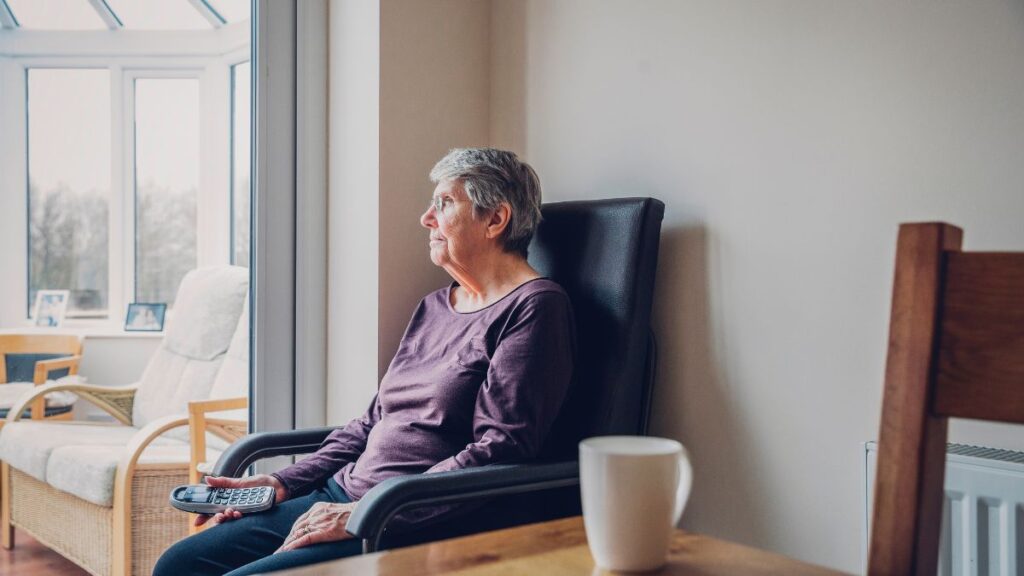
One of the greatest pleasures of living alone is having complete control over your surroundings. Nobody interrupts your thoughts, changes the television channel, or expects conversation when you want quiet.
For someone who has spent decades managing a busy household, that freedom can feel wonderful. An ordinary afternoon becomes an opportunity to rest without interruption.
But silence can have another side. After a spouse dies or children move away, the absence of familiar sounds can become a painful reminder of what has changed.
Certain moments may be particularly difficult. Eating breakfast without conversation or returning to an empty home after an outing can bring unexpected feelings of loss.
Some people find comfort in background music, radio programs, or audiobooks. Others prefer spending part of the day in a library, café, community center, or another place where people are nearby.
There is no single correct way to respond to the quiet. The important difference is whether it feels restful or leaves you increasingly distressed.
If you find yourself avoiding activities, withdrawing from people, or feeling persistently sad, those changes deserve attention. Speaking with a trusted person or healthcare professional can be a useful first step.
You are also allowed to enjoy being alone. Solitude can provide space for creativity, reflection, and activities that may have received less attention during earlier stages of life.
The goal is not to eliminate silence. It is to make sure your home feels like a place you want to return to, rather than somewhere you feel trapped.
7. Staying Physically Active Takes More Intention

Living with another person can create small reasons to stay active. You may walk together, complete shared household projects, or leave home for regular errands.
When you live alone, these activities are easier to postpone. Nobody necessarily notices if you skip your usual walk or spend most of the afternoon sitting.
A less active routine can gradually affect strength, balance, and endurance. Those changes matter because everyday movement helps you continue managing your own home.
Federal physical activity guidance recommends that older adults aim for at least 150 minutes of moderate aerobic activity each week. It also recommends muscle-strengthening activities on at least two days, along with balance activities suited to their abilities.
That does not mean everyone needs to join a gym. Walking, dancing, swimming, gardening, and appropriate home exercises can all contribute to an active routine.
Someone who has been inactive can begin with shorter sessions and increase gradually as appropriate. People with health limitations should choose activities that suit their abilities and discuss any concerns with their healthcare professional.
One useful strategy is combining movement with something enjoyable. Walking to meet a friend, joining a gardening group, or attending a community exercise class provides a reason to leave the house.
Consider how movement fits into your actual day. If you consistently sit through the afternoon, a short walk after lunch may be easier to maintain than an ambitious exercise schedule.
Physical activity is not simply about living longer. It can help preserve the ability to shop, climb steps, prepare meals, and carry out the ordinary tasks that make independent living possible.
8. Your Sense of Time Can Change Without Warning
Retirement changes the way many people experience time. Without work schedules or other household members coming and going, one day can begin to look very much like another.
You may find yourself checking the calendar more often or forgetting whether a particular task happened yesterday or earlier in the week. This can simply reflect having fewer external reminders.
For some people, the days seem to pass too quickly. For others, long afternoons stretch ahead without anything planned.
Creating weekly commitments can help distinguish one day from another. Grocery shopping on Monday, meeting a friend on Wednesday, and attending a class on Friday provide reliable points of reference.
However, it is important to distinguish an unstructured schedule from changes that may indicate a health problem.
Changes Worth Paying Attention To
Some difficulties can be addressed through better organization, while others deserve professional evaluation. The following distinctions can help you decide what to do next.
| What You Notice | Possible Concern | Helpful Response |
|---|---|---|
| Days feel repetitive | Limited weekly structure | Add regular commitments |
| Appointments are frequently missed | Organization or memory difficulties | Use reminders and discuss persistent changes |
| Bills begin going unpaid | Financial or health difficulties | Review bill management and seek support |
| Meals are regularly forgotten | Nutrition or health concern | Arrange meal support and medical review |
| Sudden confusion or disorientation | Possible medical emergency | Seek urgent medical evaluation |
The most important distinction is between an occasional scheduling mistake and a new or worsening problem with thinking or daily functioning. Sudden confusion should never be dismissed as a normal part of getting older.
A large calendar, medication reminders, and a weekly planning habit can reduce everyday mistakes. Keeping important appointments in one place also makes it easier to notice changes.
Your schedule should still contain time for spontaneity. Living alone gives you the freedom to decide how your days unfold, and that flexibility is worth protecting.
9. Decluttering Becomes an Emotional Experience

Decluttering sounds straightforward until you begin sorting through belongings collected over several decades. Every photograph, letter, book, or piece of furniture may hold a particular memory.
When you live alone, those objects can feel especially meaningful. They may remind you of people who are no longer nearby or moments you wish you could experience again.
That makes decisions about keeping or giving things away more complicated than simply deciding what you use. Letting go of an object can feel like letting go of part of your history.
However, keeping everything has practical consequences. Crowded walkways, difficult-to-reach storage, and rooms filled with unused belongings can make everyday life harder.
Decluttering does not mean removing everything that has sentimental value. It means making your living space easier to use while keeping the things that genuinely matter.
Begin with areas where the practical benefits are clearest. Clearing a hallway, organizing kitchen cabinets, or removing unused items from the bathroom may improve convenience and reduce hazards.
It also helps to create a separate place for important paperwork. Insurance policies, property documents, estate planning records, and financial account information should be organized and stored securely.
This becomes especially important when living alone. If illness prevents you from handling your affairs, a trusted person may need to locate necessary documents quickly.
The Consumer Financial Protection Bureau recommends considering arrangements such as a durable financial power of attorney and trusted contacts. A trusted contact generally does not gain authority to spend your money, while a power of attorney can grant significant legal authority and should be arranged carefully.
You do not need to make these decisions in a single afternoon. Completing one drawer or cupboard at a time can make the process less overwhelming.
The result is not simply a tidier home. It is a living space that reflects your present needs while respecting the memories you want to preserve.
10. Social Invitations May Become Less Frequent

One surprise of living alone in later life is realizing that invitations may become less frequent. Friends move, families change, and people become occupied with their own responsibilities.
This does not necessarily mean others have forgotten about you. Sometimes people simply assume you prefer your privacy or already have plans.
However, waiting for someone else to organize every social activity can gradually reduce your opportunities for connection.
You may need to become more active about arranging the experiences you want. Inviting a neighbor for coffee or suggesting a regular lunch with a friend can make a meaningful difference.
The activity does not need to be expensive. A neighborhood walking group, library event, community class, or shared hobby can provide regular contact without placing much pressure on a retirement budget.
An important advantage of organizing your own activities is that you can choose what suits you. Someone who dislikes large gatherings may prefer meeting one friend at a time.
Building friendships with people of different ages can also broaden your social circle. Neighbors, former coworkers, volunteer groups, and community organizations may provide connections beyond your immediate family.
Try making one specific invitation each week. Rather than saying you should meet sometime, suggest a day, activity, and place.
Not every invitation will be accepted, and relationships should involve effort from both sides. But taking the initiative gives you more influence over your social life.
Living alone does not mean waiting for other people to bring enjoyment into your home. It means having the freedom to create a social life that matches your interests and energy.
11. Taking Care of Yourself Becomes Entirely Your Decision

Perhaps the most personal truth about living alone is that nobody sees every small decision you make. There may be no one to notice when you skip lunch, postpone an appointment, or spend several days without leaving home.
This freedom can feel empowering. But it also means that healthy routines depend more heavily on your own attention and planning.
Some people begin asking themselves why they should bother preparing a proper meal or dressing nicely when nobody else is around. Over time, those small choices can shape the quality of everyday life.
Taking care of yourself is not about looking presentable for other people. It means protecting your health, comfort, and sense of purpose because those things matter to you.
Regular appointments, nutritious meals, sufficient sleep, and enjoyable activities all contribute to that goal. So does recognizing when you need assistance rather than expecting yourself to manage everything indefinitely.
There is also a financial side to self-care. Keeping bills organized, reviewing insurance, maintaining an emergency reserve when possible, and avoiding rushed financial decisions can protect your independence.
Medicare generally does not pay for long-term personal assistance with bathing, dressing, or routine household tasks when those are the only services needed. It may cover certain skilled home health services for people who meet eligibility requirements, but those benefits should not be confused with unlimited home care.
That makes early planning particularly valuable. Even if you do not need help now, knowing what services exist and how you might pay for them can make future decisions easier.
A Practical 30-Day Independence Plan
You do not need to change everything about your life. A few useful steps each week can strengthen the support around you without changing how you prefer to live.
| When | Priority | Practical Action |
|---|---|---|
| Week 1 | Emergency readiness | Set up check-ins and review home safety |
| Week 2 | Social connections | Arrange two regular activities or calls |
| Week 3 | Household finances | Review bills, repairs, and potential support costs |
| Week 4 | Long-term planning | Organize documents and identify trusted contacts |
These steps help address the most common gaps in living alone: emergency response, connection, household management, and future support. They also give you a chance to identify problems while you still have several options for addressing them.
For additional local assistance, your Area Agency on Aging may be able to identify meal programs, transportation, household services, and other community resources. The federal Eldercare Locator can help connect you with the appropriate agency at 1-800-677-1116.