

Living alone gives you freedom, privacy, and control over your daily routine. But it can also bring a quiet worry, especially at night when you hear an unfamiliar sound outside. You may wonder whether your doors are strong enough or what you would do if someone tried to enter.
The good news is that making your home safer does not require expensive cameras, monthly security fees, or major renovations. Many useful improvements cost very little, and some are completely free. A few practical changes can help you feel more comfortable without turning your home into a fortress.
Whether you are retired, recently widowed, or simply enjoy living independently, these 12 affordable security ideas can help you protect your home and your peace of mind.
1. Strengthen Your Front Door Without Replacing It
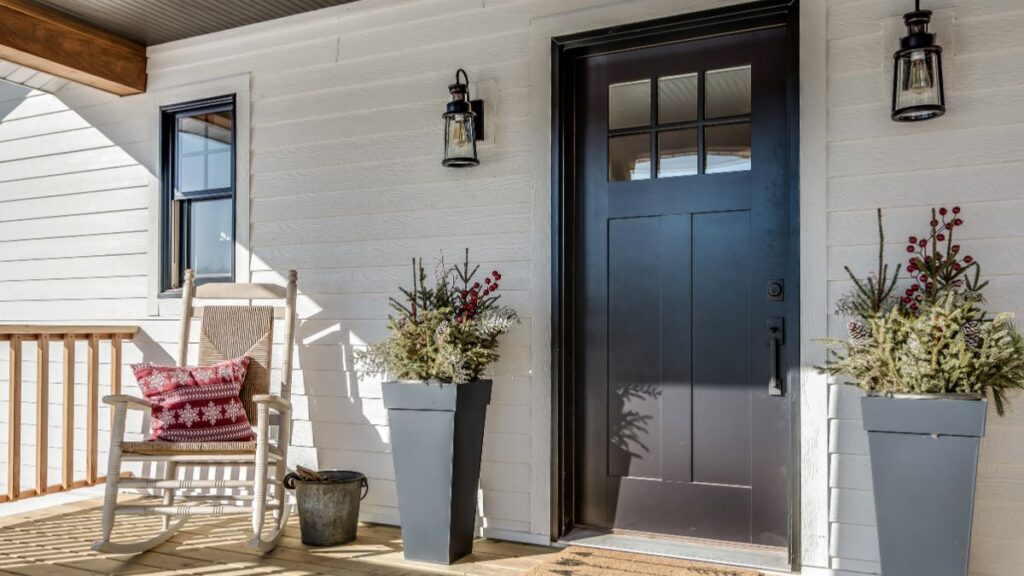
Your front door is one of the most important places to check when improving home security. Even a solid door can be less secure when its lock, hinges, or frame are loose. Fortunately, small hardware repairs can make a meaningful difference.
Start by checking whether your deadbolt works properly and whether the door closes firmly. A loose strike plate, which is the metal piece where the lock enters the frame, may need stronger screws. A locksmith or skilled handyman can help if you are unsure about the installation.
A strong lock is more useful when the surrounding door frame is also in good condition. You do not necessarily need to purchase a new door or an expensive electronic lock. Fixing weak hardware may be the better first investment.
If you rent your home, ask your landlord before changing locks or modifying the door frame. Make sure any added security still allows you to leave quickly during an emergency.
2. Secure Windows and Sliding Doors With Simple Devices
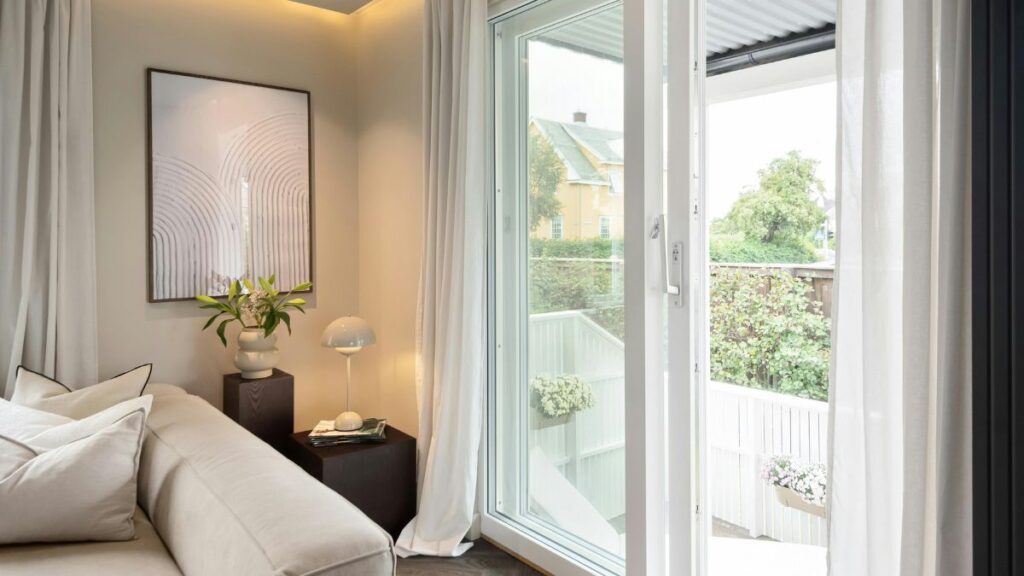
Windows and sliding glass doors sometimes receive less attention than the front entrance. However, worn locks, loose frames, and windows that do not close properly can create security problems. These areas deserve a regular inspection.
Check every accessible window to make sure its existing lock works. For sliding doors, a properly fitted security bar or other suitable locking device can provide extra protection. Many basic products cost far less than replacing the entire door.
Pay particular attention to windows near porches, balconies, and ground level areas. Keep them closed and locked when you are away or sleeping, unless they are being used as part of a safe emergency exit.
Important: Never install a security device that traps you inside during a fire. Bedroom windows and other required emergency exits must remain easy to open from the inside without searching for a key or tool.
3. Add Motion Sensor Lights Around Your Entrances
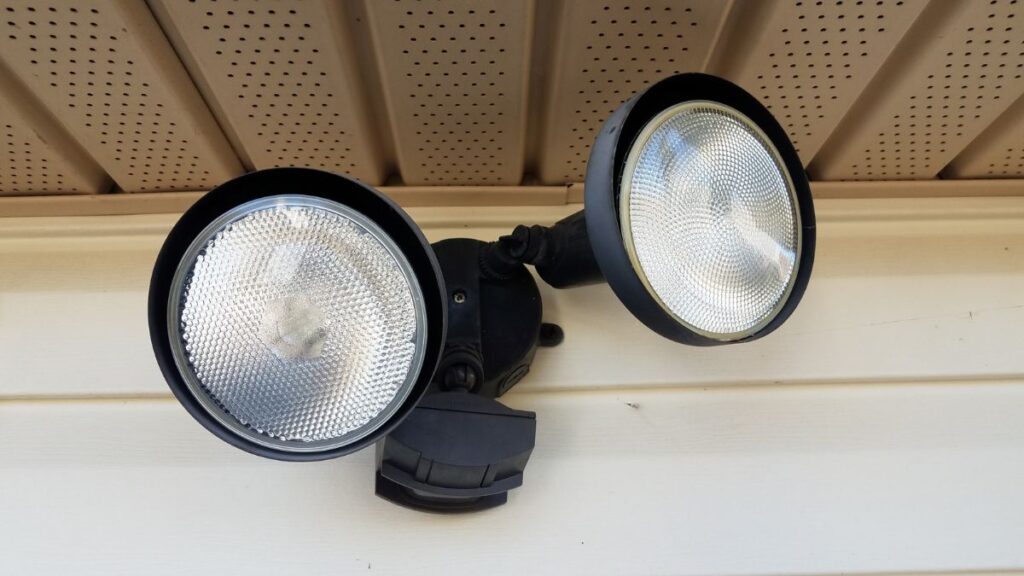
Walking toward a dark doorway can feel uncomfortable, especially when you live alone. Poor lighting can also make it difficult to notice obstacles, unfamiliar visitors, or activity near your home. A simple motion sensor light can improve visibility.
Battery powered and solar powered lights are often affordable options for porches, garages, and walkways. Many turn on automatically when movement is detected, so you do not need to leave an outside light burning all night. Choose a model suitable for your local weather conditions.
Place lighting where it helps you see who is approaching and where you place your feet. Avoid pointing bright lights directly into a neighbor’s windows or creating glare that makes it harder to see.
Lighting cannot guarantee that someone will avoid your property. Still, a well lit entrance makes everyday movement safer and helps you notice what is happening outside.
4. Install a Door Viewer So You Can Check Visitors Safely

You should never feel pressured to open your door simply because someone knocks. When you live alone, being able to identify visitors before opening the entrance is especially useful. A basic peephole or wide angle door viewer can help.
A traditional door viewer is usually much cheaper than a video doorbell. It requires no internet connection, subscription, or charging schedule. If your door already has one, check that it provides a clear view and is positioned at a comfortable height.
Another option is an inexpensive video doorbell, particularly if you have difficulty reaching the door quickly. However, check whether it requires monthly fees and whether useful features work without a subscription.
You can also speak through a closed, locked door when someone arrives unexpectedly. A legitimate visitor should be willing to identify themselves and explain why they are there.
5. Use Affordable Door and Window Alarms
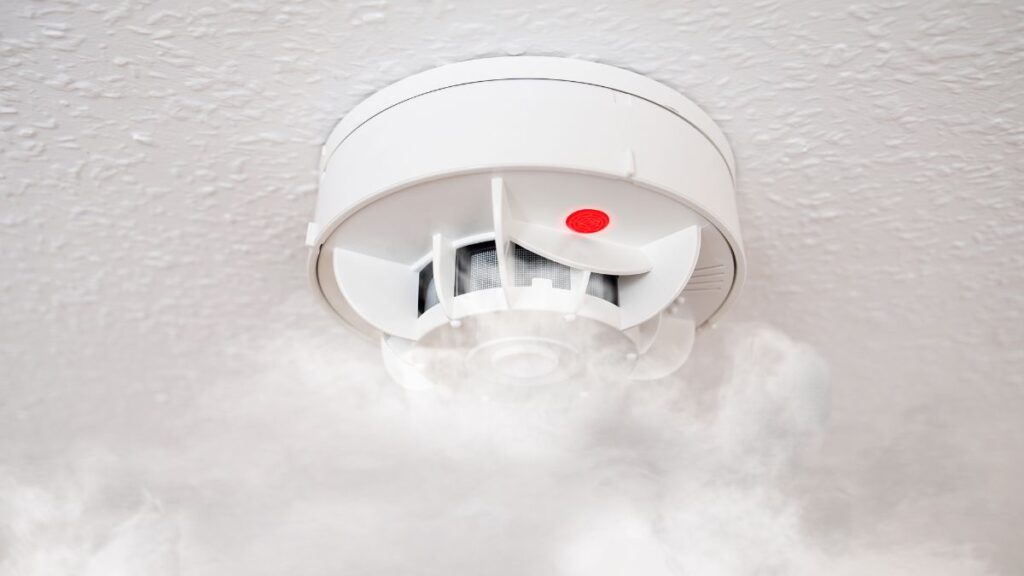
A full home security system may be outside your budget, but that does not mean you have to live without basic alerts. Small battery powered alarms can make a loud sound when a protected door or window opens. Many work without professional installation.
These devices usually attach with adhesive strips or simple mounting hardware. You might place them on a frequently used entrance, an accessible window, or a secondary door that is difficult to see from your living room. Always follow the manufacturer’s instructions.
The sound may alert you to an unexpected opening and give you time to respond safely. Some alarms can also be useful for noticing when a door has been left open by mistake.
Remember that a local alarm is not the same as a monitored security service. It generally does not contact the police or emergency services for you, so it works best as one part of a broader safety plan.
6. Make Your Home Look Occupied When You Are Away
An empty looking house can attract unwanted attention, especially when mail accumulates or the property appears neglected. You do not need expensive technology to make your home appear regularly occupied. A few small habits can help.
Plug in lamp timers can turn indoor lights on and off while you are away. Choose different times for different rooms rather than leaving every light on throughout the day. If you use smart plugs, protect the connected account with a strong password.
Ask someone you trust to collect newspapers, packages, or mail during longer trips. Keep your yard maintained when possible, and avoid leaving obvious signs that nobody has been home for several days.
You should also be careful about posting travel plans publicly before returning home. There is no need to announce exactly when your house will be empty, especially to people you do not know personally.
7. Keep Curtains Closed When Your Home Is Easy to See Into
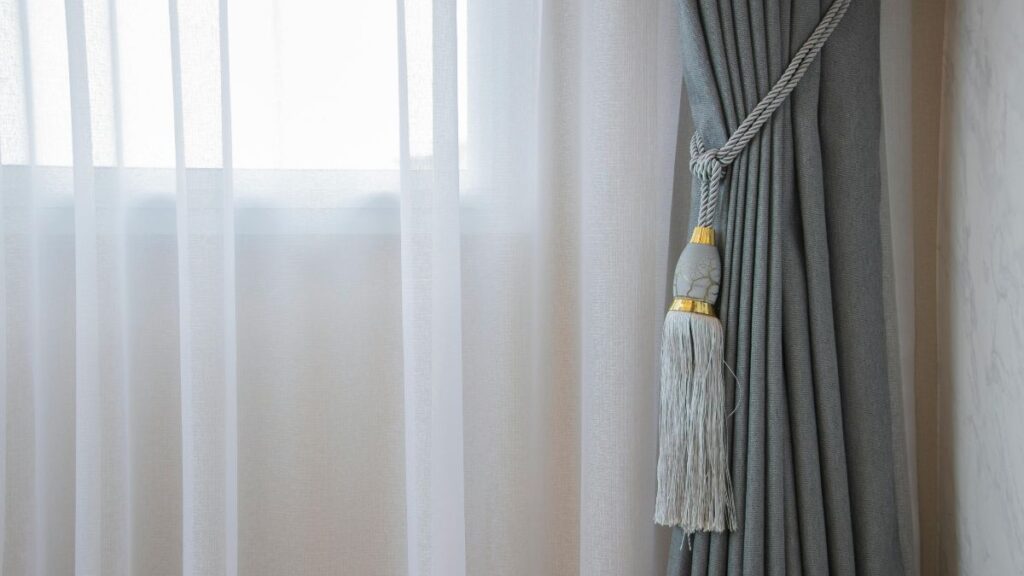
Privacy is an inexpensive part of home security that people sometimes overlook. When your windows face a street or sidewalk, strangers may be able to see expensive belongings, your daily habits, or whether you are home alone. Small changes can limit that view.
Use curtains or blinds in rooms where people outside can easily see inside. This becomes especially important after dark when indoor lighting makes your rooms more visible. You can still enjoy sunlight and open views during the day.
Consider moving valuable electronics, handbags, and important documents away from windows. You do not need to hide everything you own, but there is little benefit in displaying expensive belongings to passing strangers.
Window coverings can also create a greater sense of privacy while you relax at home. The goal is to control what outsiders can see without making your living space dark or uncomfortable.
8. Trim Bushes and Remove Places That Block Your View
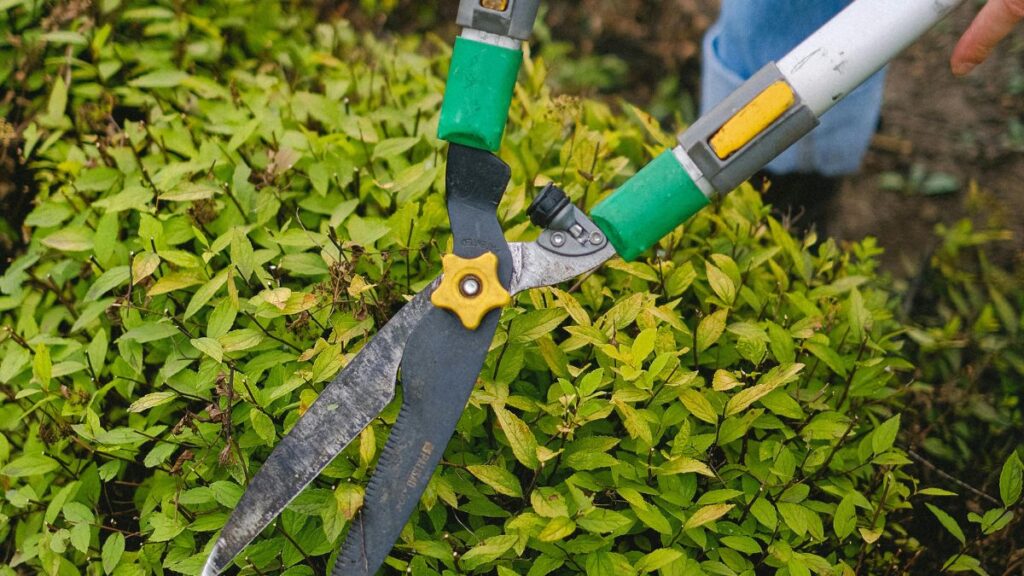
Overgrown plants can make a property feel private, but they may also block your ability to see who is approaching. Tall bushes near doors and windows can create hidden spaces and reduce visibility from the street. A little yard maintenance can help.
Trim shrubs around entrances and keep paths clear of branches. If you have outdoor storage, avoid placing large objects where they block your view of doors and walkways. Good visibility can make it easier for you and your neighbors to notice unusual activity.
You should also make sure house numbers are easy to read from the street. Clear numbers can help visitors, delivery workers, and emergency responders find the correct address without unnecessary confusion.
If gardening is physically difficult, consider asking a relative, neighbor, or local yard worker for occasional help. Maintaining a clear entrance is often more useful than spending money on decorative security products.
9. Stop Hiding Spare Keys in Predictable Places
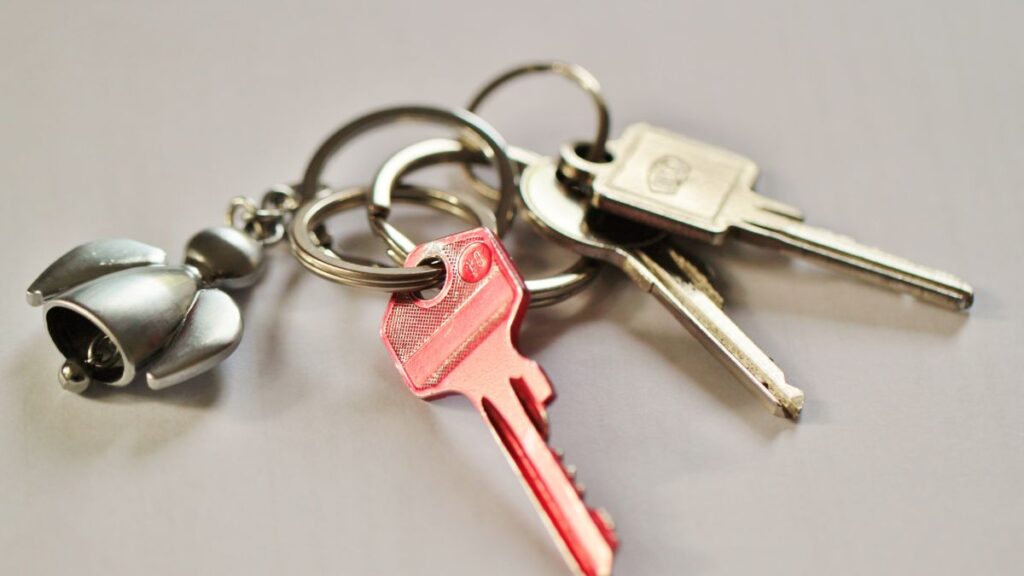
Keeping an extra key outside may seem practical when you live alone. But hiding one under a doormat, flowerpot, or decorative stone can create unnecessary security risks. These are common places for someone to look.
A better option is to give a spare key to a trusted family member, friend, or neighbor who lives nearby. Choose someone reliable who understands that your key should never be shared without permission. Make sure they know how to contact you before using it.
If you need an outdoor key storage option, consider a properly installed, good quality lockbox in a discreet location. Remember that lockboxes vary in quality and should not be treated as impossible to open.
Think carefully about who has received copies of your keys over the years. If keys are missing or you are unsure who still has access, asking a locksmith about changing or rekeying the locks may be worthwhile.
10. Create a Simple Plan for Unexpected Visitors
Living alone sometimes means answering the door without another person nearby. Delivery workers, repair technicians, salespeople, and strangers may arrive unexpectedly. Having a clear routine helps you avoid rushed decisions.
Before opening the door, look through your viewer or a nearby window. Ask the visitor to identify themselves and explain the reason for the visit. If someone claims to represent a utility company or another organization, contact that company using a number you already trust.
Never feel obligated to invite an unexpected visitor inside. If a repair worker is scheduled, confirm the appointment and ask for identification before allowing access. You can also arrange for a trusted person to be present during major service visits.
Be cautious when someone creates urgency, demands immediate payment, or asks whether anyone else lives with you. You can refuse entry without explaining your living arrangements or giving personal details.
11. Build a Check In Routine With Someone You Trust

Home security is about more than protecting doors and windows. When you live alone, having someone who notices when something is wrong can be just as valuable. It also costs nothing.
Choose a trusted relative, friend, or neighbor and agree on a simple check in routine. This might be a short morning message, an evening phone call, or a regular conversation several times a week. The schedule should feel comfortable rather than intrusive.
Decide what the other person should do if you unexpectedly miss a check in. They might call again, contact another trusted person, or request appropriate help if there is a genuine reason for concern. Agree on these steps before an emergency happens.
A trusted neighbor can also help notice an unfamiliar vehicle, an open gate, or a package left outside for too long. You do not need to share every detail of your daily schedule to benefit from looking out for one another.
12. Keep Your Phone and Emergency Supplies Within Reach
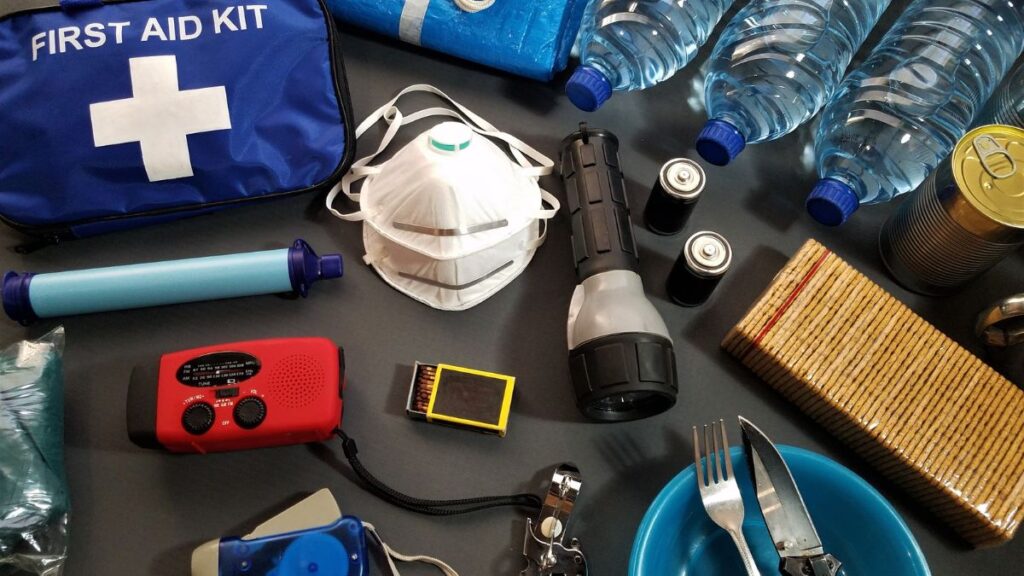
Even with secure doors and good locks, unexpected events can happen. A fall, medical emergency, fire, or power outage may leave you needing help quickly. Preparing for those situations is especially important when you live alone.
Keep a charged phone within easy reach, including beside your bed at night. Save emergency contacts and learn how to use your phone’s emergency calling feature. If you sometimes leave your phone in another room, consider whether a wearable alert device would be helpful.
Place a working flashlight where you can find it during a power outage. Test smoke alarms regularly, install carbon monoxide alarms where appropriate, and keep exits clear. Do not add door security devices that prevent a fast escape.
Write down important phone numbers in case your mobile phone stops working. You can also keep essential medications, medical information, and emergency contacts organized so they are easier to locate when needed.
The safest home is one that helps keep unwanted visitors out while allowing you to leave or get assistance quickly when something goes wrong.
Which Home Security Improvements Should You Make First?
You do not have to complete all 12 changes in one weekend. Start with the areas where you feel least secure and the improvements that fit your budget. The most useful first steps are often free.
| Security Improvement | Typical Cost Level | Main Benefit |
|---|---|---|
| Check existing locks and windows | Free | Finds obvious problems |
| Trim bushes and clear entrances | Free or low | Improves visibility |
| Close curtains after dark | Free if already installed | Improves privacy |
| Create a trusted check in routine | Free | Adds personal support |
| Install lamp timers | Low | Creates signs of activity |
| Add basic door alarms | Low | Provides an audible alert |
| Install motion sensor lights | Low to moderate | Improves entrance visibility |
| Reinforce door hardware | Low to moderate | Strengthens a common entry point |
Actual prices depend on the products you choose and whether professional installation is needed. If you rent, confirm which changes your landlord allows before purchasing anything.
A Simple Seven Day Plan to Make Your Home Safer
You can improve several parts of your home without spending much money. The easiest approach is to handle one small task each day rather than trying to change everything at once.
| Day | What to Do |
|---|---|
| Monday | Check all exterior doors and window locks |
| Tuesday | Remove outdoor spare keys and review who has copies |
| Wednesday | Check entrance lighting and clear walkways |
| Thursday | Adjust curtains and move valuables away from windows |
| Friday | Set up a trusted contact and emergency call plan |
| Saturday | Test smoke alarms and organize emergency supplies |
| Sunday | Decide which affordable security product would help most |
At the end of the week, walk through your home and notice what has improved. You may discover that fixing a faulty lock, improving lighting, or setting up regular contact with a neighbor provides more peace of mind than an expensive gadget.