
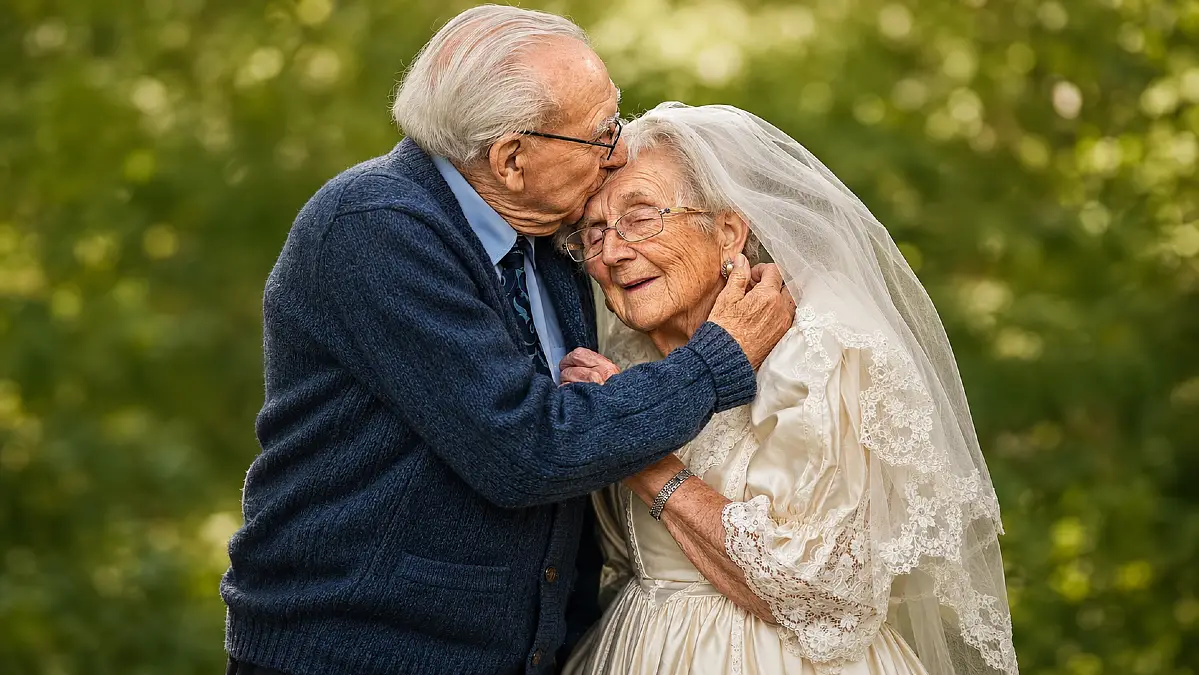
Fifty years of marriage sounds like proof that two people found the perfect match. Yet a long marriage can include deep affection, difficult seasons, and changes neither partner expected. Time alone does not make a relationship loving.
The challenge is that habits that worked at 30 may no longer work at 70. Children leave, careers end, health changes, and old disagreements can take new forms.
The most valuable lessons are often quieter than wedding promises. These 13 truths reveal what lasting love teaches about respect, forgiveness, friendship, and choosing each other through life’s changes.
1. Love Is Built on Ordinary Days, Not Extraordinary Moments

Fifty years of marriage means sharing more than 18,000 days together. Most of those days are not anniversaries, vacations, or romantic celebrations. They are ordinary mornings, household chores, grocery shopping, and evenings spent in familiar company.
Young couples often measure love through excitement and grand gestures. But over several decades, the small acts of care can become more meaningful than expensive gifts or elaborate plans. Making coffee, remembering an appointment, or checking on a tired spouse can carry real emotional weight.
These actions communicate something important without requiring a speech. They show that one person’s comfort and happiness still matter to the other, even after years of sharing the same home.
The lesson is that love needs regular attention, not constant excitement. A relationship grows stronger when kindness becomes part of daily life rather than something reserved for special occasions.
2. Staying Married Is Not the Same as Staying Happy

A marriage can last half a century without every year being happy. Some couples remain together because of deep affection, while others stay because of financial dependence, family expectations, fear of change, or the comfort of familiar routines.
Research published in the Journal of Family Psychology in 2024 examined long-term relationships among older adults. It found that remaining together does not always mean both partners feel satisfied, even when they share decades of experiences.
This distinction matters because anniversaries measure time, not the quality of a relationship. A healthy marriage also needs emotional safety, mutual respect, and the freedom to speak openly about unhappiness.
How Marriage Priorities Can Change Over Time
The priorities that bring two people together may change as their lives develop. Understanding those changes can help couples recognize needs they have stopped discussing.
| Marriage Stage | Common Priorities | Relationship Challenge |
|---|---|---|
| Early years | Building trust and stability | Adjusting expectations |
| Raising a family | Children, work, household needs | Finding time together |
| Middle years | Careers, finances, aging parents | Managing stress |
| Retirement years | Companionship and independence | Adjusting daily routines |
| Later life | Health, support, emotional connection | Balancing care and dignity |
These stages are not universal, and couples may experience them in different orders. The important lesson is that a lasting marriage must adapt rather than depend on arrangements made decades earlier.
A successful relationship is not simply one that continues. It is one in which both people still have opportunities to feel valued, respected, and heard.
3. Winning an Argument Can Cost More Than Losing One
After decades together, couples often know exactly which words will upset each other. That knowledge can help them communicate with care, or it can make disagreements especially painful.
Early in a marriage, being right may feel like the most important outcome of an argument. Over time, many couples learn that proving a point offers little comfort if the conversation leaves their partner feeling humiliated or dismissed.
Relationship research from John Gottman and Robert Levenson has examined how couples handle disagreements and recover from emotional tension. Their work highlights the importance of repairing conflict rather than treating every disagreement as a contest.
A useful question is not simply who caused the problem. It is what both people can do to prevent the same argument from damaging their relationship again.
This does not mean accepting unfair treatment or remaining silent to keep the peace. Healthy disagreement allows both partners to express concerns without threats, personal attacks, or attempts to control each other.
Couples do not have to agree on everything to build a strong marriage. They need a way to disagree that protects the dignity of both people.
4. A Sincere Apology Matters More Than Being Right

After 50 years together, mistakes are unavoidable. People forget important dates, speak harshly during stressful moments, make poor decisions, and sometimes fail to notice when their partner is struggling.
An apology becomes meaningful when it acknowledges the other person’s experience. Saying sorry only to end an argument may bring temporary silence, but it rarely addresses the reason the disagreement started.
For example, a partner who repeatedly interrupts conversations may apologize each time without changing the behavior. A stronger response recognizes the pattern and makes a genuine effort to listen differently.
The same principle applies to financial decisions, family disagreements, and broken promises. Trust grows when words and behavior begin to match.
What Healthy Conflict Repair Looks Like
These examples show how small changes in language can make difficult conversations more productive. They are starting points, not scripts that guarantee a particular response.
| Common Reaction | Healthier Response | Why It Helps |
|---|---|---|
| “You always do this.” | “This situation is upsetting me.” | Focuses on the concern |
| “You’re wrong.” | “I see this differently.” | Allows disagreement |
| “Forget about it.” | “Can we discuss this calmly?” | Keeps communication open |
| “I’m sorry, but…” | “I was wrong to say that.” | Accepts responsibility |
| Walking away without explanation | Agreeing to talk after a break | Creates room to recover |
An apology does not erase serious harm or remove the need for accountability. Its value comes from honest recognition, changed behavior, and a willingness to rebuild trust.
The larger lesson is that two people can make mistakes without making those mistakes the defining feature of their marriage. What happens afterward often matters more than the argument itself.
5. Respect Becomes More Important When Romance Feels Distant

Romantic feelings naturally change throughout a long relationship. The excitement of early attraction may become quieter, while physical intimacy, shared responsibilities, and emotional needs shift with age.
Respect provides stability during those changes. It appears in how partners speak about each other, respond to personal boundaries, and make decisions that affect their shared lives.
A spouse who listens without ridicule shows respect even during disagreement. So does a partner who refuses to make jokes about the other’s appearance, memory, abilities, or private worries.
This becomes especially important when one person earns more money, develops health problems, or needs additional assistance. Changes in ability should not mean losing a voice in household decisions.
People can spend decades together and still feel deeply hurt by dismissive behavior. Familiarity does not make cruel words harmless, and love should never be used to excuse repeated humiliation.
Respect means treating a spouse as a person with equal worth, not simply as someone who has promised to stay. That principle remains relevant at every age.
6. Saying Thank You Never Becomes Unnecessary

When two people share a home for decades, helpful actions can become almost invisible. Cooking meals, arranging appointments, handling bills, or maintaining the house may begin to feel like expected duties rather than contributions.
This familiarity creates a quiet problem. A partner may work hard for years while receiving little acknowledgment because the other assumes appreciation is already understood.
Expressing gratitude interrupts that pattern. A simple thank you for preparing dinner or handling an unpleasant task reminds a spouse that their efforts are noticed.
Research discussed by Harvard Health suggests that expressing appreciation can support relationship satisfaction and responsiveness. Gratitude is not a replacement for solving problems, but it can encourage more positive interactions.
Appreciation also needs to be specific. Recognizing that a spouse took time to arrange medical appointments or manage a difficult household responsibility feels more personal than offering a routine compliment.
After 50 years, gratitude does not need to become elaborate. It needs to remain genuine, especially for the small contributions that make daily life easier.
7. Money Arguments Are Often About Something Deeper
Money can become a sensitive issue in marriage because people attach different meanings to it. For one spouse, savings may represent security, while the other sees spending as an opportunity to enjoy experiences that were postponed during working years.
These differences can become especially noticeable near retirement. A couple may agree that they have enough money for ordinary expenses but disagree sharply about travel, helping adult children, replacing a vehicle, or supporting aging relatives.
The American Psychological Association has identified financial concerns as a common source of relationship conflict. Such disagreements are often difficult because they involve fears, priorities, and habits developed long before marriage.
Consider a hypothetical retired couple debating a $4,000 vacation. One partner may focus on the pleasure of traveling while both remain healthy, while the other worries about unexpected home repairs or future medical expenses.
Neither concern is automatically unreasonable. The disagreement becomes more productive when both partners discuss what the money represents rather than accusing each other of being careless or controlling.
Understanding Common Money Disagreements
Financial disagreements often become easier to discuss once the concern beneath the spending decision is identified. The following comparisons show questions couples can use to begin that discussion.
| Money Disagreement | Possible Underlying Concern | Better Conversation |
|---|---|---|
| Spending on vacations | Enjoyment versus security | What can we safely spend? |
| Helping adult children | Family responsibility versus independence | What support can we afford? |
| Keeping separate accounts | Privacy and personal control | How can both feel secure? |
| Saving too aggressively | Fear of future expenses | What reserve feels reasonable? |
| Large purchases | Different priorities | What matters most right now? |
The goal is not necessarily to combine every financial account or agree on every purchase. It is to create a system both partners understand and can influence.
A practical starting point is reviewing income, fixed expenses, savings, debts, and discretionary spending together. Even a short monthly conversation can reveal concerns that might otherwise become years of resentment.
8. Marriage Is a Partnership, Not a Permanent 50-50 Arrangement

Equal effort sounds like a simple formula for a successful marriage. In reality, contributions are difficult to measure, especially when people provide support in different ways.
During one stage, a spouse may bring home most of the income while the other handles childcare or household responsibilities. In another stage, one person may manage medical appointments while the other takes responsibility for shopping, transportation, or finances.
Problems arise when these contributions are taken for granted. A partner who consistently carries the mental load of planning, organizing, and remembering household needs may become exhausted even if the visible chores appear evenly divided.
Long-term fairness requires paying attention to changing circumstances. Illness, retirement, disability, and family responsibilities can all affect what each person is reasonably able to contribute.
For example, someone recovering from surgery may need months of additional help. That does not make them a lesser partner, but the spouse providing care may also need rest, support, and time for personal needs.
The lesson is that fairness should be discussed rather than assumed. Both people deserve appreciation, realistic expectations, and opportunities to raise concerns when responsibilities become unbalanced.
9. The Person You Married Will Change, and So Will You

Someone who married at 22 may have different interests, beliefs, and priorities at 72. Fifty years of work, family experiences, successes, losses, and personal growth can change how people see themselves and the world.
One of the quieter challenges of a long marriage is recognizing that a familiar person is still developing. A spouse may discover new interests in retirement, become more independent, or reconsider goals that once seemed permanent.
Trouble can begin when partners expect each other to remain exactly as they were decades earlier. Statements about how someone used to behave can make personal growth feel like a betrayal.
Healthy curiosity creates room for change. Asking about a new interest, listening to a different opinion, or supporting an unfamiliar hobby helps partners continue learning about each other.
This also means maintaining individual interests. Separate friendships, hobbies, and personal goals do not automatically weaken a marriage, and they may give both people a stronger sense of independence.
A long marriage involves loving a changing person, not preserving an old version of them. That understanding can make later life feel less like an ending and more like another stage of connection.
10. Friendship Becomes Essential When Life Gets Quieter

During the busiest years of marriage, couples may spend much of their time managing responsibilities. Children, careers, relatives, and household demands can fill nearly every conversation.
Retirement can expose how little time some couples have spent simply enjoying each other’s company. Without the familiar schedule of work and parenting, they may discover that sharing a house is not the same as sharing a meaningful daily life.
Friendship helps fill that space. It includes enjoying ordinary conversations, noticing each other’s interests, sharing humor, and finding activities that both people genuinely want to do.
Research from UC Berkeley followed middle-aged and older couples over time and found increases in humor and affection as the participants aged. The findings suggest that some long-term relationships may develop warmer ways of interacting.
But shared enjoyment does not require identical hobbies. One partner may enjoy gardening while the other prefers reading, and both can still create regular moments of connection.
A weekly walk, a favorite television program, or an occasional meal away from home can provide those opportunities. The important part is choosing time together because it is enjoyable, not merely because both people happen to be available.
11. Growing Older Changes What It Means to Care for Someone

Marriage during later life can bring challenges that were difficult to imagine on the wedding day. Health conditions, limited mobility, hearing changes, and medical appointments may gradually alter everyday routines.
One spouse may eventually need help with tasks they once managed independently. The other may become a caregiver while continuing to manage their own health, finances, and emotional needs.
Research on older couples has found that spouses often expect to provide care, even when the responsibilities are demanding. However, those expectations can create stress when one person needs more assistance than the other can safely provide.
Loving care is not the same as doing everything alone. A devoted spouse can still need outside assistance, regular breaks, and support from relatives or professionals.
How Couples Can Prepare for Later-Life Changes
Planning ahead does not eliminate uncertainty, but it can make difficult conversations more manageable. These are topics worth discussing while both spouses can take part in decisions.
| Later-Life Change | Possible Relationship Impact | Practical Preparation |
|---|---|---|
| Retirement | Different expectations for free time | Discuss routines and personal space |
| Chronic illness | Changing household responsibilities | Review care needs together |
| Mobility limitations | Reduced independence | Discuss home accessibility |
| Hearing difficulties | Misunderstandings and frustration | Seek evaluation and communication support |
| Increased care needs | Caregiver stress | Explore outside help and respite care |
| Financial uncertainty | Anxiety about future support | Review resources and preferences |
This preparation should also include conversations about medical decisions, legal authorizations, and who should be contacted during an emergency. Each spouse should understand the other’s wishes rather than relying entirely on assumptions.
The deeper truth is that care must preserve dignity wherever possible. Helping someone through a difficult period should not mean taking away their independence or treating them as incapable of making decisions.
12. Forgiveness Is Important, but It Should Never Require Self-Betrayal
Over 50 years, even loving couples may face disappointment. Forgotten promises, selfish decisions, emotional distance, and painful disagreements can leave memories that take time to heal.
Forgiveness may help people move beyond past mistakes when there is sincere accountability and meaningful change. It can prevent an old disagreement from controlling every future conversation.
However, forgiveness should not be confused with accepting repeated harm. A spouse does not have to tolerate intimidation, controlling behavior, financial abuse, or violence to prove loyalty.
This distinction matters because long marriages are sometimes praised simply for surviving. But remaining together should not be treated as a greater achievement than personal safety or emotional well-being.
Healthy forgiveness also respects timing. A person who has been hurt may need a direct apology, an honest conversation, counseling, or consistent evidence that the behavior has changed.
Some relationships can rebuild trust, while others cannot do so safely. The important lesson is that commitment has value only when both people can participate freely and with dignity.
13. Lasting Love Is a Choice That Must Remain Mutual
The final lesson is perhaps the most difficult to understand during the early years of marriage. Lasting love cannot depend entirely on the feelings that brought two people together decades earlier.
At different times, a marriage may be filled with excitement, routine, grief, uncertainty, or quiet companionship. No couple experiences every stage in the same way, and there is no single formula that guarantees happiness.
What can remain consistent is the willingness to treat the relationship as something worth caring for. That may mean making time for conversation, adjusting expectations, apologizing sincerely, or asking for help before problems become overwhelming.
But commitment must remain mutual. One spouse cannot create a healthy relationship alone while the other refuses accountability, respect, or cooperation.
After 50 years, love may be less concerned with impressive promises and more focused on what happens during an ordinary afternoon. Being heard, receiving kindness, and having someone genuinely interested in your well-being can mean a great deal.
Five Small Habits Worth Keeping
Big relationship improvements often begin with manageable actions. Couples can adapt these habits to their personalities, schedules, and changing needs.
| Relationship Habit | Simple Action | Suggested Frequency |
|---|---|---|
| Express appreciation | Thank a partner for something specific | Daily |
| Stay connected | Have a conversation without distractions | Daily |
| Check household priorities | Discuss spending and upcoming needs | Monthly |
| Protect shared enjoyment | Choose an activity both appreciate | Weekly |
| Review changing needs | Discuss health, responsibilities, and goals | Every few months |
These actions are suggestions rather than rigid rules. Their purpose is to make emotional connection and shared decision-making part of normal life.
A couple does not need an elaborate anniversary celebration to begin improving communication. Sometimes the most meaningful step is asking one sincere question and listening carefully to the answer.