

The house can feel different after 70. There are fewer meals to share, fewer familiar voices, and some evenings seem longer than they once did.
Even people who enjoy their independence may miss having someone who notices the small details of their day. More activities will not always fix that feeling, and expensive outings can strain a fixed income.
To feel less alone after 70, the goal is not to fill every hour with company. It is to rebuild a handful of dependable connections, find reasons to look forward to tomorrow, and make home feel welcoming again.
1. Make One Regular Phone Call Part of Your Week

One of the hardest parts of living alone is having no one to share ordinary moments with. A funny television commercial, an unexpected letter, or something growing in the garden can feel less meaningful when there is nobody to tell.
According to the University of Michigan’s 2024 National Poll on Healthy Aging, 33% of Americans ages 50 to 80 reported feeling lonely at least some of the time. The finding covers a broader age group than people over 70, but it shows how common the experience can be.
A simple way to rebuild connection is to establish a regular phone call. Instead of waiting until someone has free time, choose a predictable day and make it a small tradition.
For example, two ten-minute conversations each week add up to more than 17 hours of contact over a year. The benefit is not simply the number of minutes, but the comfort of knowing another conversation is coming.
The person on the other end does not have to be an adult child. An old coworker, former neighbor, cousin, or longtime friend may appreciate the same connection.
Try this: Choose two people you enjoy talking with and suggest a regular time for a short call. Keep the arrangement flexible so it feels like friendship rather than another obligation.
2. Reconnect With Someone You Haven’t Spoken to in Years

After 70, many people assume their closest friendships belong to the past. Former neighbors move away, coworkers retire, and friends gradually lose touch without any particular disagreement.
Yet a relationship that has been quiet for years is not always a relationship that has ended. Sometimes both people are waiting for someone else to make the first move.
Consider an old friend from a previous neighborhood. Instead of feeling embarrassed about the time that has passed, a short message about a shared memory can reopen the conversation.
The first exchange does not need to become a long emotional discussion. A simple question about how life has been going gives the other person room to respond naturally.
It also helps to recognize that different relationships serve different needs. A neighbor might provide everyday familiarity, while an old friend may offer the comfort of shared history.
The following table shows how several kinds of relationships can become part of a more connected life.
| Connection | Small First Step | Long-Term Goal |
|---|---|---|
| Old friend | Send a personal message | Monthly conversation |
| Adult child | Suggest a regular call | Reliable family contact |
| Neighbor | Start a short conversation | Familiar local friendship |
| Former coworker | Share an old memory | Occasional catch-up |
| Distant relative | Send a card or call | Renew family connection |
The important lesson is that friendship does not always require meeting someone new. Sometimes rebuilding an old connection is easier than starting one from the beginning.
Not every person will respond, and that does not mean the effort was wasted. Reaching out to several people creates more chances for a friendship to grow naturally.
3. Become a Familiar Face Somewhere Nearby

One of the most useful ways to feel less alone after 70 is to visit the same welcoming place regularly. Familiarity often develops before friendship, especially when people see each other at predictable times.
A public library, neighborhood café, community center, or faith community can provide that setting. The place matters less than the chance to encounter familiar faces again.
Someone who visits the library every Wednesday may eventually recognize the same readers or staff members. What begins as a greeting can slowly become a conversation about books, family, or local events.
This is especially helpful for people who find large gatherings tiring. It allows social contact to grow without the pressure of introducing yourself to an entire room.
Many communities also operate senior centers with meals, classes, games, and social programs. Some activities are free, while others charge small fees or have eligibility rules.
The financial advantage can be substantial compared with joining a private club or paying for entertainment every week. A familiar community space may offer regular contact without requiring much additional spending.
A useful starting point: Choose one nearby place that feels comfortable and visit at roughly the same time each week. Give familiar faces a chance to become familiar people.
4. Pick Activities That Make Conversation Feel Natural

Making new friends can feel awkward when the only goal is to meet people. Shared activities remove some of that pressure because everyone already has a reason to be there.
A gardening group might discuss seasonal plants, while a book club has a story to talk about. People who would struggle with small talk may find conversation easier when it begins with a common interest.
The National Institute on Aging recommends returning to enjoyable hobbies, learning something new, and participating in activities with others. These actions can support both social connection and a sense of purpose.
It is important to choose an activity that matches personal energy and physical ability. A seated art class may be more enjoyable than a walking group for someone dealing with joint pain or reduced stamina.
| Activity | Natural Conversation Starter | Good Fit For |
|---|---|---|
| Book club | Discussing a shared book | Readers |
| Gardening group | Plants and seasonal projects | Nature lovers |
| Walking group | Neighborhood observations | Active adults |
| Craft class | Learning techniques | Creative people |
| Community meals | Food and local events | People who enjoy company |
The most useful activity is not necessarily the most exciting one. It is something enjoyable enough that returning next week feels appealing.
Someone who loves painting may discover more companionship in a quiet class than at a crowded social event. Shared interests can turn repeated encounters into genuine friendships.
5. Volunteer in a Way That Fits Your Energy

Retirement removes many daily responsibilities, but it can also remove the feeling of being needed. For people who once managed teams, raised families, or served their communities, that change can be surprisingly difficult.
Volunteering offers a different kind of connection because it gives people something meaningful to do together. The focus shifts from finding company to contributing something valuable.
AmeriCorps Seniors operates programs for Americans ages 55 and older, including RSVP, which matches volunteers with community needs. Opportunities vary by location and may include education, community support, and assistance for other older adults.
A retired teacher might enjoy helping children improve their reading skills. Someone with limited mobility might prefer making phone calls for a local nonprofit or helping with administrative tasks.
The important point is that volunteering does not have to become another full-time commitment. An hour or two of meaningful service may be more sustainable than agreeing to responsibilities that become exhausting.
It is also worth asking about transportation requirements, reimbursement, and physical demands before accepting a position. A volunteer role should fit the person’s abilities and finances, not create additional strain.
Consider starting small: Offer one afternoon a month to a cause that matters to you. If the work brings satisfaction and connection, gradually increase your involvement.
6. Build Friendships With People of Different Ages

Friendships after 70 do not have to come only from people in the same age group. Younger neighbors, former colleagues, local students, and community volunteers can bring different experiences into everyday life.
These relationships often work best when both people contribute something. An older adult may share practical knowledge, while a younger friend may introduce a new hobby or different perspective.
A person who enjoys woodworking could help a younger neighbor learn a simple repair skill. Someone interested in local history might volunteer with a community project and meet people decades younger.
Intergenerational relationships also create opportunities that might not exist in age-specific social groups. A shared interest can matter more than the difference between two birthdays.
Research from the University of Michigan’s 2024 National Poll on Healthy Aging found that 46% of adults ages 50 and older who had at least one close friend reported having a close friend from another generation. The finding supports the idea that meaningful friendships can cross age boundaries.
These connections should develop through mutual respect rather than one person always providing favors. The strongest friendships allow both people to give, receive, and enjoy each other’s company.
A structured mentoring program or established community organization can provide a comfortable place to begin. Such settings also offer clearer expectations and appropriate safeguards.
7. Invite One Person Over Instead of Waiting for a Special Occasion
Some older adults stop inviting people into their homes because entertaining feels expensive or tiring. Preparing a large meal, cleaning every room, and organizing a gathering can make hospitality seem like too much work.
But companionship does not require an elaborate event. One friend sharing tea at the kitchen table can be more enjoyable than a crowded dinner party.
A simple invitation might involve watching a favorite movie, working on a puzzle, or sitting outside on a pleasant afternoon. The activity provides a reason to meet without placing pressure on either person.
It also helps to make invitations specific. Asking someone to come over for coffee on Thursday afternoon is often easier to answer than suggesting that the two of you should get together sometime.
How Much Does Staying Social Really Cost?
A fuller social life does not have to mean spending hundreds of dollars on entertainment. Still, small recurring costs can add up, especially for retirees living on a fixed monthly income.
The following amounts are hypothetical planning examples, not national prices or advertised local rates. They assume the stated activity happens four times a month where applicable.
| Social Activity | Monthly Example | Annual Cost |
|---|---|---|
| Four free library visits | $0 | $0 |
| Four classes at $5 each | $20 | $240 |
| Four round-trip rides at $12 each | $48 | $576 |
| Two coffee visits at $6 each | $12 | $144 |
The comparison reveals that transportation can cost more than the activity itself. A free community event may become difficult to afford if getting there requires a paid ride every week.
For someone on a tight budget, alternating home visits with community activities may help keep costs manageable. Choosing local gatherings within walking distance, when safe and practical, may also reduce expenses.
The better measure of social spending is not how much an outing costs, but how much meaningful connection it adds to everyday life.
8. Turn Technology Into Real Conversation

Technology can make it easier to stay connected with people who live far away. Yet scrolling through family pictures is not the same experience as having a conversation with the people in them.
A short video call with a grandchild may create more connection than spending an hour looking at social media. Hearing someone’s voice and responding in real time can make the relationship feel more immediate.
The National Institute on Aging recommends using phone calls, video chats, email, and other communication tools to maintain relationships. For people with limited transportation, these options can be especially useful.
Technology can also help people find shared activities. Online book clubs, hobby discussions, virtual classes, and community meetings may provide regular opportunities to interact.
The key is choosing tools that support genuine relationships rather than simply occupying time. Someone who spends an evening watching videos may still feel lonely afterward, while a short conversation with a friend may feel more satisfying.
Safety matters when meeting new people online. The Federal Trade Commission warns that scammers may create false friendships and eventually ask for money, so personal financial information should remain private.
If a new online acquaintance requests gift cards, transfers, or money for an emergency, that is a serious warning sign. Genuine friendship does not require sending funds to someone whose identity has not been verified.
9. Solve the Practical Problems That Keep You at Home

Sometimes loneliness is not caused by a lack of interest in social activities. The real problem is that leaving home, hearing conversations, or getting around has become difficult.
Someone who no longer drives may stop attending gatherings because asking for rides feels uncomfortable. Another person may avoid restaurants because hearing conversations in a noisy room has become exhausting.
These barriers deserve practical solutions instead of resignation. Many communities offer transportation assistance, accessibility programs, and services designed to support independent living.
The Administration for Community Living operates the Eldercare Locator, which can connect older Americans with local support resources. People can call 800-677-1116 to ask about services such as transportation, community programs, and meals.
Availability, fares, eligibility, and waiting times depend on the local program. It is worth asking specific questions before deciding that an activity is out of reach.
| Common Barrier | Possible Solution | First Action |
|---|---|---|
| No longer driving | Community transportation | Call local aging services |
| Hearing difficulties | Hearing assessment or quieter venues | Speak with a clinician |
| Limited mobility | Accessible or seated activities | Ask about accommodations |
| Tight budget | Free community programs | Contact the library or senior center |
| Rural location | Telephone or virtual groups | Ask local agencies about options |
The important insight is that social participation and physical independence are connected. Addressing a hearing problem or finding reliable transportation may open doors that seemed permanently closed.
It can also help to ask organizations about accessible entrances, seating, restrooms, and the length of an event. Good planning can make participating more comfortable and reduce the risk of unnecessary fatigue.
10. Make Your Home Feel Connected, Even When You Live Alone
A home can feel peaceful and still offer opportunities for companionship. The goal is to create small points of contact throughout the week rather than relying on occasional major gatherings.
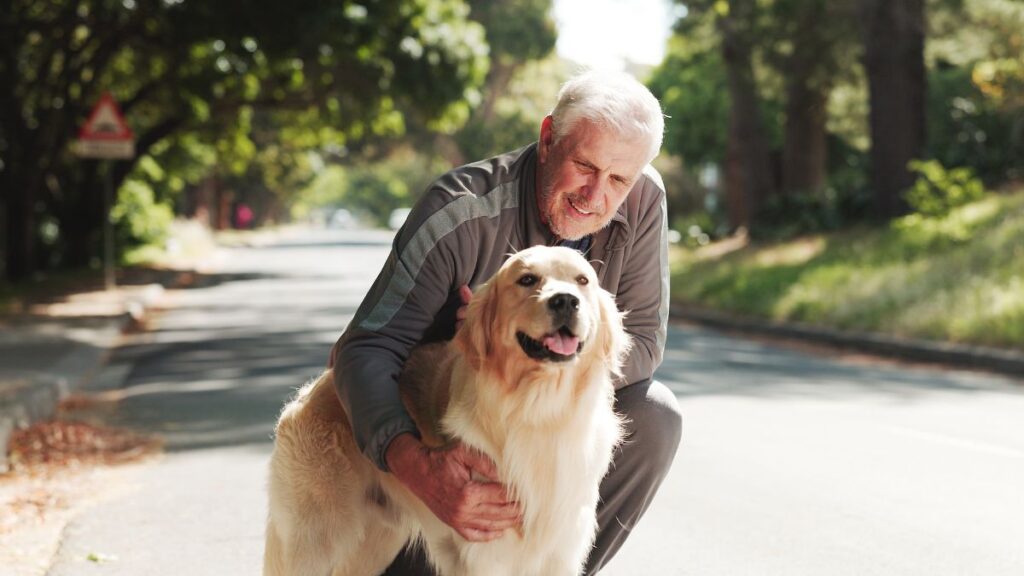
For some people, a pet provides comfort, daily structure, and companionship. Feeding an animal, taking a dog outside, or caring for a cat can bring a sense of routine into an otherwise quiet house.
However, adopting an animal is a financial and practical commitment. Food, veterinary care, grooming, and emergency treatment can become costly, especially if mobility or health needs change.
Someone who enjoys animals but cannot manage full-time pet ownership might consider occasional pet sitting or visits with a friend who has a pet. This can provide enjoyment without taking on years of responsibility.
Human companionship at home matters too. Some communities offer telephone reassurance programs, friendly visitor services, and volunteer-based companionship through local organizations.
AmeriCorps Seniors also supports a Senior Companion Program that connects eligible volunteers with older adults who need companionship or assistance. The availability and details of these services vary by community.
For someone who rarely leaves home, even a regular conversation at the front door can become something worth looking forward to. A home does not need to be busy to feel connected to the outside world.
11. Allow Yourself to Grieve Without Giving Up on New Connections
For many people over 70, loneliness is connected to losing someone important. A spouse, sibling, close friend, or longtime companion may have been part of daily life for decades.
After such a loss, ordinary activities can feel unfamiliar. Cooking dinner, visiting a restaurant, or attending a family gathering may bring back memories of the person who is no longer there.
It is important to understand that making new friends does not replace someone who has died. New relationships can bring comfort while the original loss remains meaningful.
Some people benefit from bereavement groups where others understand the experience of losing a partner or friend. Others prefer private conversations with a counselor, faith leader, or someone they already trust.
There is no universal timetable for grief. A person may feel ready for social activities one week and prefer a quiet afternoon the next.
One practical approach is to reconnect with activities that once brought enjoyment, without expecting them to feel exactly the same. Returning to a garden, visiting a familiar park, or attending a community meal may create new experiences alongside old memories.
If grief becomes overwhelming, or persistent sadness begins affecting sleep, appetite, energy, or daily functioning, professional support may be helpful. Loneliness and depression are not identical, and both deserve attention.
A meaningful life after loss does not require forgetting the past. It allows space for new people and experiences while continuing to value what came before.
12. Build a Weekly Routine That Gives You Something to Anticipate

One reason loneliness can feel stronger after retirement is the loss of predictable daily structure. Work once provided scheduled meetings, shared breaks, familiar people, and regular reasons to leave home.
After those routines disappear, an entire week may pass without a meaningful conversation. The solution is not necessarily a busy schedule, but a few reliable social activities that create anticipation.
A useful starting goal is two personal conversations and one shared activity each week. That may include a phone call, a community meeting, or a visit with someone nearby.
The schedule should reflect personal energy, health, transportation, and interests. Some people enjoy daily contact, while others feel most comfortable with several quiet days between social activities.
A Simple Seven-Day Connection Plan
This example is designed as a flexible routine rather than a list of obligations. The aim is to create regular opportunities for connection while preserving time for rest and personal interests.
| Day | Suggested Activity | Main Benefit |
|---|---|---|
| Monday | Call a friend | Familiar conversation |
| Tuesday | Walk or greet a neighbor | Local connection |
| Wednesday | Attend a community activity | Shared experience |
| Thursday | Write a letter or personal message | Maintain friendships |
| Friday | Talk with family or a longtime friend | Emotional connection |
| Saturday | Share a hobby or small visit | Enjoyable company |
| Sunday | Rest and plan one activity | Something to anticipate |
Not every activity has to happen every week. Even two regular calls and one enjoyable outing can create a more dependable rhythm than waiting for invitations.
It may help to keep a small calendar where social plans are written down alongside medical appointments and household tasks. This makes relationships part of ordinary life rather than something reserved for special occasions.
After a month, consider which activities felt rewarding and which created stress. Keep the connections that feel natural, and adjust or replace those that do not.
The National Institute on Aging emphasizes that meaningful social activities can support emotional and physical well-being. The goal is not to collect the largest number of contacts, but to develop relationships that feel supportive.
A quiet home can remain a welcome place to rest. The difference is knowing there are conversations, familiar faces, and shared experiences waiting beyond its walls.