
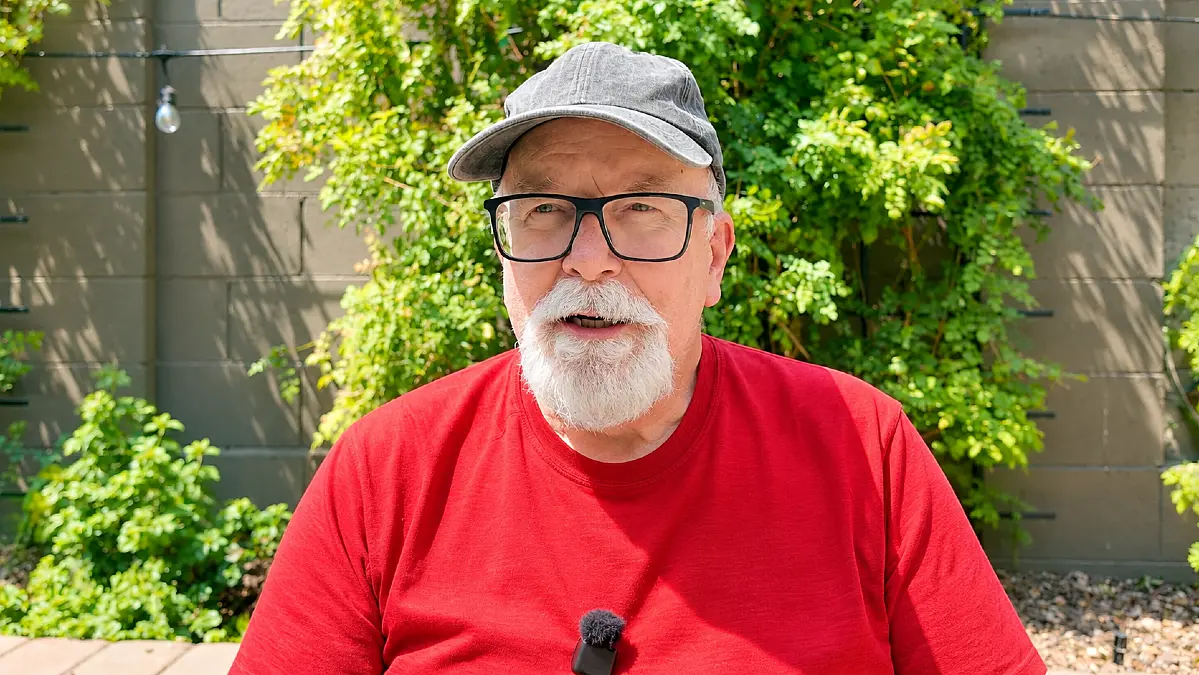
Retiring at 62 sounds wonderful until the final paycheck arrives, the daily routine disappears, and the future suddenly feels uncertain. What happens when the excitement wears off? Does retirement become everything a person hoped for, or do unexpected problems begin to appear?
Mike retired at 62 after spending 39 years working. Now, at 71, he has nearly nine years of retirement behind him and a very different view of what makes this stage of life satisfying.
Some of his original worries never became problems. Other expectations changed completely, and a few lessons took years to recognize. His experience offers an honest look at what retirement can feel like after the first excitement has faded.
The First Day of Retirement Wasn’t as Comfortable as He Expected
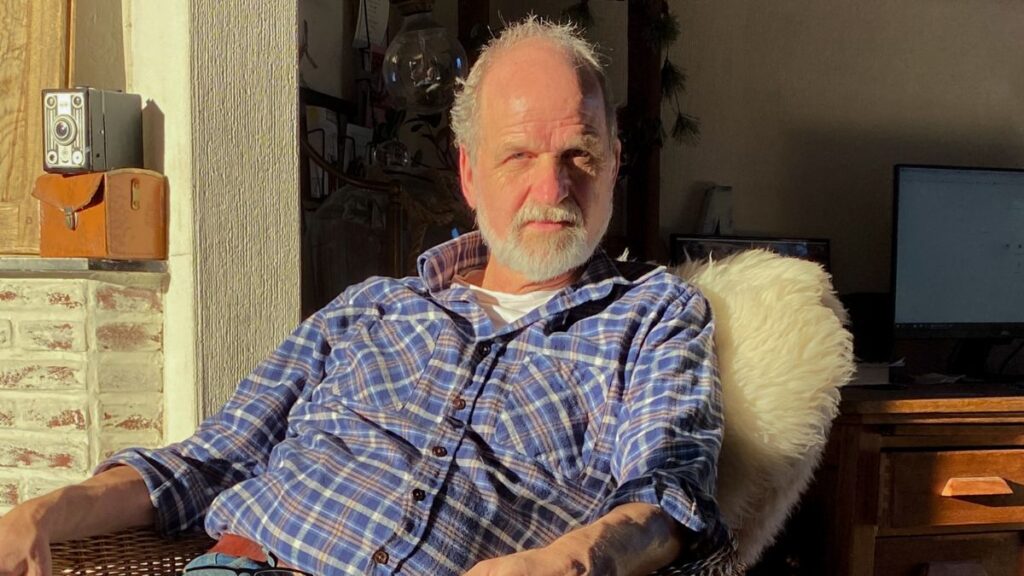
Mike remembers feeling something unexpected when he retired at 62. Although he had planned for retirement and looked forward to leaving work, a quiet sense of fear followed him into that new chapter.
It wasn’t overwhelming fear. It was the strange feeling of stepping away from something familiar and entering a life he had never experienced before.
For nearly four decades, work had provided structure. He knew where to go, when to arrive, what responsibilities needed attention, and what tomorrow would probably look like.
Retirement removed that certainty almost overnight. Suddenly, Mike was responsible for deciding how his days would look, and he wasn’t completely sure whether his plans would work.
At 71, he sees that fear differently. He believes it was a normal reaction to a major life change, but his experience eventually showed him that many of his concerns were unnecessary.
His first lesson was that feeling nervous about retirement doesn’t automatically mean someone is making the wrong decision. Sometimes uncertainty simply comes from leaving a familiar routine behind.
Walking Away From 39 Years of Work Changed Everything
One memory remains especially clear for Mike. It was a pleasant December day in 2017 when he left his workplace for the final time, accompanied by his wife.
His coworkers had organized a small retirement gathering. Afterward, Mike and his wife walked through the security area of the building where he had spent so many years.
The facility had heavy metal doors, strict security, and no windows in his work area. As those doors closed behind him, Mike felt something he had spent years waiting to experience.
He was free.
There would be no more Monday morning rush to work. No more fighting traffic, sitting through meetings, or organizing his day around a supervisor’s expectations.
That moment stayed with him because retirement stopped being a future plan. It became his everyday reality.
Nearly nine years later, he still remembers the feeling of leaving that building. He has never wanted to return to his old job, and the freedom he experienced that day has only become more meaningful.
His Biggest Financial Fears Never Came True
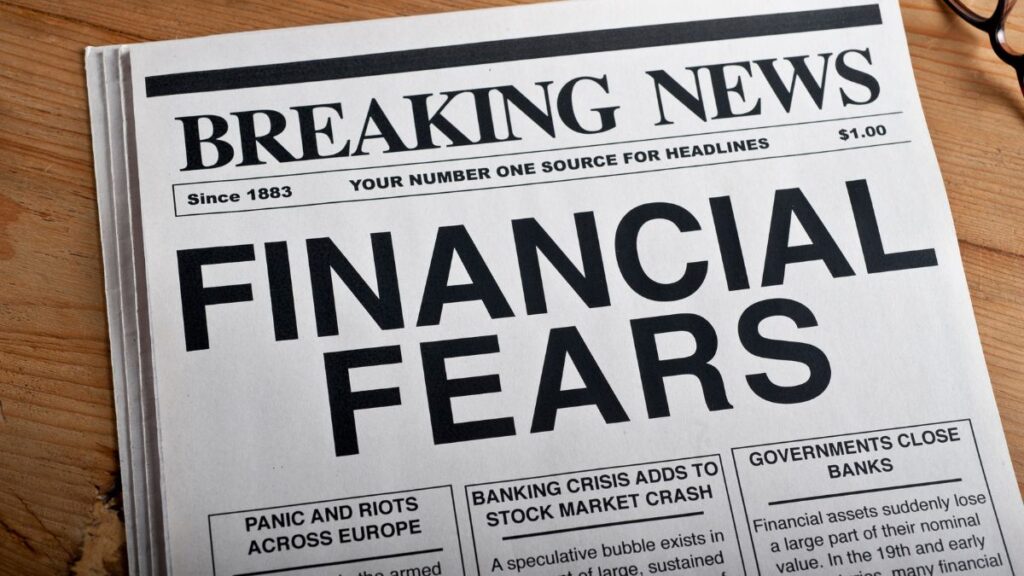
Money was one of Mike’s greatest concerns before retirement. Even though his finances appeared manageable on paper, he wondered whether those numbers would hold up in everyday life.
Would his income cover his expenses? Could he maintain a comfortable lifestyle without a regular paycheck? What would happen if something went wrong financially?
He also worried about the possibility of retirement failing. Leaving work at 62 felt like a serious decision, and the thought of having to admit that it hadn’t worked weighed on him.
Now, at 71, Mike can look back with greater confidence. He reports that he has experienced no major financial catastrophe during his retirement.
His finances are somewhat tighter than they were while he was working. However, he says he has enough to meet his needs and has not experienced the financial disaster he once feared.
There is an important distinction here. Mike isn’t claiming to be wealthy, and he doesn’t share detailed financial figures or present himself as a retirement planning expert.
His experience simply shows that a retirement budget can feel uncertain before someone lives with it, even when careful planning has been done.
That doesn’t mean every financial worry is unfounded. Future retirees still need to consider their savings, expected income, health expenses, inflation, and the possibility of living longer than expected.
For Mike, however, the financial picture turned out better than his fears suggested.
He Learned That Retirement Doesn’t Have to Look Like the Original Plan
Before retiring, Mike had ideas about how he would spend his time. Like many workers approaching retirement, he pictured certain activities and experiences that would make his new freedom worthwhile.
Some of those plans happened. He and his wife enjoyed some traveling, and he experienced the pleasure of having more control over his schedule.
But other expectations gradually became less important. Looking back, Mike believes some of his original plans were unrealistic, while others simply weren’t necessary.
That realization changed how he measured retirement satisfaction. At 62, he had been concerned about making retirement match the life he pictured in advance.
At 71, he no longer feels that pressure. His retirement doesn’t look exactly as he originally expected, but he considers it fulfilling and enjoyable.
This is one of the more useful lessons from his experience. A retirement plan can provide direction without becoming a list of obligations that must be completed.
People change as they age, and their interests may change too. An activity that sounded exciting at 60 may matter much less at 70, while ordinary pleasures may become surprisingly satisfying.
Mike’s happiness comes partly from accepting the retirement he actually enjoys rather than chasing every expectation he once created.
The Fear of Being Bored Turned Out to Be Unnecessary

Before retiring, Mike wondered how he would fill his days. After spending so many years with a work schedule, having endless free time seemed both exciting and slightly intimidating.
He considered whether he would need hobbies or activities to prevent boredom. He wasn’t sure what an ordinary Tuesday would look like without professional responsibilities.
Nearly nine years later, he has discovered something unexpected. His days tend to fill naturally, even without a long list of scheduled activities.
He doesn’t maintain a busy calendar simply to prove that he is making good use of retirement. In fact, he enjoys having empty spaces in his schedule.
Mike makes videos, which he sometimes considers a possible hobby. But he doesn’t believe he needs a collection of hobbies to justify his retirement.
His days can pass peacefully without major events or impressive accomplishments. That slower pace is something he has come to appreciate.
He also sees boredom differently now. Given the choice between a quiet day spent doing something he enjoys and a dull day carrying out someone else’s assignments, he knows which one he prefers.
For Mike, retirement isn’t about staying busy every hour. It’s about having the freedom to decide whether an hour needs to be busy at all.
Of course, this approach won’t suit everyone. Some retirees feel better with regular activities, social commitments, volunteering, or part time work.
The important lesson is that retirement doesn’t have to follow someone else’s definition of a productive life.
Peaceful Mornings Became One of His Greatest Rewards

When people picture retirement, they often think about vacations, major purchases, or exciting new experiences. Mike has found that some of his greatest rewards are much quieter.
His mornings usually begin peacefully. He no longer wakes up with the pressure of getting ready for work or reaching a particular place at a particular time.
Most days continue at a comfortable pace. He can decide what needs attention without feeling that every hour belongs to somebody else.
That sense of control has become more valuable as the years have passed. He has grown comfortable with a lifestyle that doesn’t require constant activity or outside approval.
There are still lively moments, particularly when his grandchildren visit. Those days bring a different kind of energy, and he welcomes them.
But he doesn’t believe every day needs to be filled with excitement. Some of his favorite experiences come from simply being home and enjoying the absence of pressure.
At 62, he was still learning what to do with his freedom. At 71, he is comfortable letting that freedom take whatever shape the day requires.
He Didn’t Realize How Stressful His Working Life Had Been
One of Mike’s biggest discoveries came years after he stopped working. The longer he remained retired, the more clearly he recognized how much stress had been part of his former life.
For 39 years, deadlines, meetings, responsibilities, and expectations had shaped his schedule. Those pressures had become so familiar that he no longer noticed their full effect.
He spent much of his working life operating according to other people’s priorities. His time was often divided between tasks that needed immediate attention and meetings that consumed valuable hours.
Only after leaving that environment did he begin to recognize the contrast. His days became quieter, and the constant pressure to meet somebody else’s schedule disappeared.
This discovery was important because Mike hadn’t fully realized how peaceful life could feel. He had become accustomed to a certain level of stress and treated it as normal.
At 71, he appreciates retirement more because he can compare his current life with those working years. The difference has become clearer with time.
He no longer attends work meetings or answers to supervisors. Even necessary tasks can usually be handled on a schedule that works for him.
His experience highlights something that retirement planning often overlooks. People may spend years calculating how much money they need without giving equal attention to how work affects their daily sense of peace.
For Mike, leaving those pressures behind became one of retirement’s most lasting benefits.
Time Became More Valuable Once It Was His Own
Mike’s relationship with time has changed dramatically since he retired. During his working years, much of his week was already spoken for before he had a chance to make personal plans.
Even when he wasn’t working, his free hours had limits. Weekends eventually ended, Monday mornings returned, and responsibilities remained waiting.
Retirement changed that pattern. For the first time in decades, he could organize an ordinary week around his preferences rather than an employer’s schedule.
At first, having so much control was unfamiliar. He wondered whether he would use his time properly and whether he needed to accomplish something meaningful every day.
As the years passed, those concerns faded. He learned that spending time peacefully wasn’t the same as wasting it.
Some days involve activities he enjoys. Other days remain quiet, with no major plans or particular goals.
The difference is that Mike gets to make those choices. Even when an unpleasant task needs attention, he usually has more control over when to handle it.
He now sees that freedom as something he wouldn’t willingly trade away.
Retirement Gave Him a Different View of What Matters
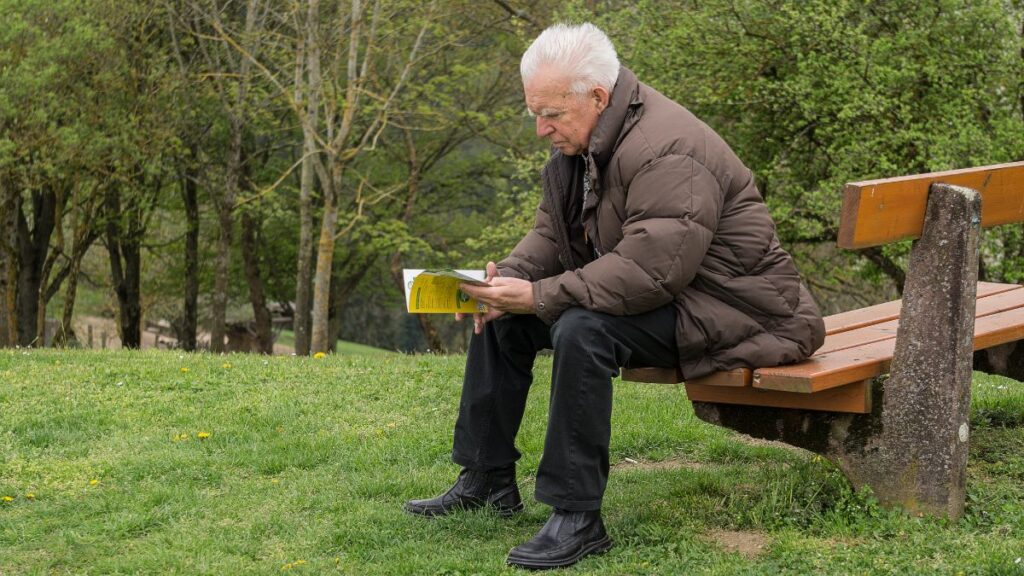
At 62, Mike was looking ahead to what retirement might offer. At 71, he has a clearer sense of what actually makes his life enjoyable.
His early plans included activities and experiences. Now, his appreciation is less tied to having a particular event on the calendar.
He values quiet mornings, control over his time, financial stability, and the ability to enjoy his days without pressure. Those ordinary benefits have become central to his satisfaction.
His experience also shows that retirement happiness doesn’t have to depend on constant travel or expensive entertainment. He enjoyed some traveling, but it wasn’t the only thing that made retirement worthwhile.
He has found satisfaction in a lifestyle that is manageable and personally rewarding. What once seemed like an unfamiliar future has become a comfortable daily routine.
That change didn’t happen immediately. It developed as he gained experience and became more confident in his retirement choices.
At 71, he no longer feels the same need to question whether retirement will work. He has lived it long enough to know which parts matter most to him.
His Financial Life Changed, but His Needs Became Clearer

Mike acknowledges that his financial situation changed after he stopped working. Without his previous employment income, he had to live within a different set of financial limits.
He doesn’t pretend that retirement left every part of his life unchanged. Spending habits, saving habits, and everyday financial choices can all look different once someone leaves the workforce.
Still, he has found that his current resources meet his needs. He doesn’t describe himself as having a large fortune, but he feels financially comfortable with the life he leads.
That distinction matters. Having more money isn’t necessarily the same as having a greater sense of financial security.
For Mike, the important outcome is that he can pay for what he needs and enjoy his retirement without the financial problems he once feared.
His situation shouldn’t be treated as proof that retiring at 62 is affordable for everyone. People have different savings, debts, income sources, medical expenses, and family responsibilities.
Someone considering early retirement needs to test their own financial plan carefully. Mike’s experience is reassuring, but it is a personal outcome rather than a guarantee.
He Stopped Feeling Guilty About Doing Nothing
One of the more surprising changes in Mike’s retirement is how comfortable he has become with unplanned time. During his career, much of his day was shaped by tasks, meetings, and expectations.
That environment can make constant activity feel normal. When someone retires, an empty afternoon may initially seem like a problem that needs fixing.
Mike no longer sees it that way. If he has an open stretch of time with nothing planned, he is perfectly comfortable leaving it open.
He doesn’t feel obligated to invent another project or fill every hour with entertainment. His days can be satisfying without a checklist of accomplishments.
This doesn’t mean he has given up on being active or involved. It means he has stopped treating a busy schedule as the only acceptable way to spend his time.
That change reflects growing confidence in his new lifestyle. He can enjoy a quiet day without wondering whether retirement is somehow passing him by.
There is also an important difference between enjoying solitude and feeling isolated. Mike describes his quiet time positively, while another retiree might need more social contact or regular activities to feel fulfilled.
The goal isn’t to copy his daily routine. It is to find a pace that supports personal happiness rather than creating another set of demands.
At 71, He Appreciates Retirement More Than He Did at 62

Some people expect the excitement of retirement to decline as the years pass. For Mike, the opposite has happened.
He enjoyed his freedom when he first retired, but he was still dealing with uncertainty. He didn’t know how his finances would hold up or whether his days would feel rewarding.
Over time, experience answered many of those questions. The feared financial disaster didn’t happen, boredom didn’t become a major problem, and his daily routine grew more comfortable.
He also gained greater distance from the pressures of his working life. The longer he remained retired, the more he appreciated not having to return to that environment.
At 62, retirement was an unfamiliar change. At 71, it is a life he knows well and genuinely enjoys.
Mike says he has no lingering second thoughts about retiring. He also doesn’t carry the same fears that troubled him during those first uncertain days.
That confidence may be the biggest difference between his younger retired self and the person he is today.
What Would He Tell Someone Thinking About Retiring at 62?

Mike’s story offers reassurance, but it also points to several matters that future retirees should consider carefully.
The first is financial preparation. Mike worried about money, and although his fears didn’t come true, he still believes people should make sure their financial plans are realistic before leaving work.
The second is that retirement may feel strange at first. Leaving a routine that has shaped life for decades can create uncertainty even when someone is excited about the decision.
The third is that retirement doesn’t need to match a perfect picture. Interests change, plans evolve, and people may discover that simple pleasures matter more than the activities they once expected to enjoy.
Finally, retirement requires a personal definition of satisfaction. Mike enjoys peaceful days without a crowded schedule, but somebody else may need regular social activities, paid work, or a more structured routine.
His experience doesn’t establish that everyone should retire at 62. It shows that, with suitable circumstances and enough financial support, retirement can become more comfortable and satisfying as the years pass.
Does He Regret Retiring at 62?
After nearly nine years, Mike’s answer is clear. He doesn’t regret leaving his career when he did.
He looks back at the fear he experienced, the financial concerns that troubled him, and the uncertainty about how he would spend his time. Those worries once seemed important, but they no longer control how he feels about retirement.
His finances have remained manageable, his days are peaceful, and he enjoys the independence that comes from living on his own schedule.
Most importantly, he doesn’t wish he were still working. He values the freedom he gained more deeply now than he did when he first walked through those heavy security doors.
Still, his experience represents one person’s retirement rather than a universal result. Others may face health problems, financial setbacks, loneliness, or unexpected family responsibilities that make retirement more difficult.
Mike’s story is valuable because it shows how expectations can change through lived experience. What feels uncertain at the beginning can become familiar and rewarding with time.