

Retiring single can bring a wonderful sense of freedom, but it also means carrying every financial responsibility alone. Without a spouse’s income, pension, or savings to fall back on, even a small money mistake can create lasting pressure.
For women approaching retirement, the biggest concern is not always whether they have saved enough. It is whether that money can support housing, healthcare, daily expenses, and unexpected emergencies for another 20 or 30 years.
Fortunately, financial security does not require being wealthy. These 12 practical money moves can help solo women protect their savings, reduce financial stress, and maintain greater independence throughout retirement.
1. Figure Out What Retirement Actually Costs When You Live Alone

One of the biggest mistakes a single retiree can make is using a retirement budget designed for two people. Living alone removes some shared expenses, but many household costs remain almost the same.
Property taxes, rent, utilities, insurance, internet service, and home repairs do not automatically become half as expensive when only one person lives in the household.
That is why the first money move is to calculate your personal monthly retirement number, rather than relying on a general estimate of what retirees supposedly need.
Start by separating expenses into three groups: essential bills, flexible spending, and irregular costs. This makes it easier to identify which expenses must be covered by dependable income and which can be adjusted.
| Expense Category | What to Include | Planning Priority |
|---|---|---|
| Housing | Rent, mortgage, property taxes, insurance | Essential |
| Utilities | Electricity, heating, water, phone | Essential |
| Healthcare | Premiums, prescriptions, dental care | Essential |
| Food | Groceries and household supplies | Essential |
| Transportation | Car insurance, repairs, fuel, rides | Essential |
| Personal spending | Dining, hobbies, entertainment | Flexible |
| Irregular costs | Home repairs, travel, major purchases | Separate savings |
Do not forget expenses that appear only once or twice a year. Annual insurance bills, appliance replacements, dental work, and vehicle repairs can make a retirement budget look healthier than it really is.
A useful approach is to estimate these occasional expenses for the entire year and set aside money for them each month. This turns large surprises into smaller, more manageable costs.
The real advantage: Once a woman knows the minimum amount she needs each month, she can make better decisions about Social Security, retirement withdrawals, housing, and whether part-time work is necessary.
2. Treat Social Security as a Long-Term Income Decision
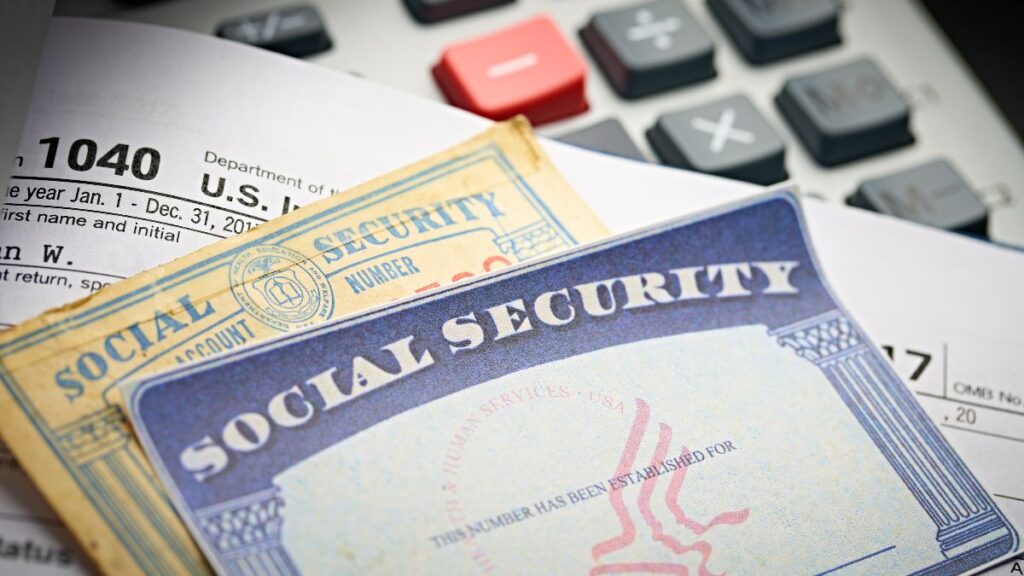
For a woman retiring alone, Social Security may become one of the most dependable sources of monthly income. Choosing when to claim it deserves more attention than simply applying as soon as benefits become available.
Social Security retirement benefits can generally begin at 62. However, claiming early permanently reduces the monthly benefit compared with waiting until full retirement age.
For people born in 1960 or later, full retirement age is 67. Waiting beyond that age increases retirement benefits until age 70.
Here is how the claiming decision changes the starting benefit.
| Claiming Age | Share of Full Benefit | Example With $2,000 Full Benefit |
|---|---|---|
| 62 | 70% | $1,400 |
| 67 | 100% | $2,000 |
| 70 | 124% | $2,480 |
These examples assume a full retirement age of 67 and exclude future cost-of-living adjustments. Actual benefits depend on earnings history and claiming dates.
The difference between claiming at 62 and waiting until 70 can be substantial. In this example, the later starting benefit is $1,080 higher each month.
However, waiting is not automatically the best decision for everyone. Poor health, limited savings, unemployment, or the need for immediate income can make an earlier claim more reasonable.
A single woman should compare several scenarios rather than automatically choosing the largest possible payment. The strongest decision accounts for expected retirement spending, other income sources, health, and how she would support herself while waiting.
Women should also remember that Social Security benefits generally receive annual cost-of-living adjustments. Starting with a larger benefit may therefore provide additional long-term income protection.
3. Check Whether a Former Marriage Could Increase Your Benefits

Being single today does not necessarily mean Social Security will consider only your personal earnings record.
Divorced and widowed women may qualify for certain benefits based on a former spouse’s work history. Depending on the circumstances, these benefits can be worth investigating before retirement.
For divorced women, the marriage generally must have lasted at least 10 years to qualify for divorced-spouse retirement benefits. Other requirements include being unmarried and generally being at least 62.
A former spouse may not need to be collecting benefits yet. However, additional eligibility requirements apply, including rules about how long the divorce has been final.
Survivor benefits have different rules. Some widows and surviving divorced spouses can qualify for benefits as early as 60, with reductions for claiming before survivor full retirement age.
Social Security also permits certain eligible people to claim survivor benefits first and switch to a retirement benefit later. Others may benefit from taking retirement benefits first and switching to survivor benefits when appropriate.
That flexibility can be particularly valuable when one benefit will grow larger with age. However, survivor and retirement benefits are not generally added together into two full monthly payments.
Women who have been divorced more than once should also ask Social Security whether multiple marriage records affect their eligibility.
The key is understanding which benefit provides the greatest financial value over time. A past marriage could affect retirement income even if that relationship ended decades ago.
4. Use the Final Working Years to Strengthen Retirement Savings
The years immediately before retirement can be an opportunity to strengthen savings, especially for women who spent parts of their careers caregiving, working part time, or earning less than they do now.
Small increases in retirement contributions may help reduce financial pressure later. Women do not need to contribute the legal maximum to benefit from saving more.
In 2026, the IRS allows higher retirement contributions for older workers through catch-up contribution rules.
| Retirement Account | 2026 Contribution Limit |
|---|---|
| 401(k), under age 50 | $24,500 |
| 401(k), age 50 or older | $32,500 |
| 401(k), ages 60–63 | $35,750 |
| IRA, under age 50 | $7,500 |
| IRA, age 50 or older | $8,600 |
These limits apply to common eligible accounts. Workplace plan rules, earned income, account types, and tax eligibility can affect how much a person may contribute.
A woman who cannot afford large contributions can still make meaningful changes. Increasing workplace retirement contributions by a small percentage, capturing the full available employer match, or directing part of a raise into savings can help.
Workers aged 60 through 63 may have an additional opportunity because qualifying employer plans permit higher catch-up contributions during those years.
However, increasing contributions should not come at the expense of essential expenses or emergency savings. A retirement account is less helpful when someone must regularly borrow money to cover ordinary bills.
It may also be worth reviewing old workplace retirement accounts. Forgotten accounts, high investment fees, and an unsuitable investment mix can weaken retirement planning.
5. Eliminate the Debts That Could Follow You Into Retirement

Debt becomes more difficult to manage when the regular paycheck stops. A credit card balance that once felt manageable can become a serious monthly burden when retirement income is limited.
For women retiring alone, reducing high-interest debt can be more valuable than maintaining a lifestyle that depends on borrowing.
The first priority is usually debt carrying expensive interest rates, particularly credit cards and certain personal loans. These balances can continue growing even when payments are made regularly.
However, eliminating every debt before retirement is not always the best approach. Paying off a low-interest mortgage by emptying retirement savings could leave someone without enough cash for emergencies.
The better strategy is to compare interest costs, monthly payments, available savings, and how much debt will affect future income.
A woman approaching retirement should also review automatic charges, unused subscriptions, unnecessary insurance extras, and financing agreements. Small recurring expenses can become surprisingly expensive over an entire retirement.
Which Debts Should Come First?
Credit card debt with high interest rates generally deserves immediate attention. Paying more than the minimum can reduce the amount of interest paid over time.
Personal loans and vehicle financing also deserve review because they create fixed monthly obligations. Removing one payment before retirement may provide valuable room in the budget.
A mortgage requires a different calculation. Keeping an affordable, low-interest mortgage may be preferable to using a large portion of accessible retirement savings to eliminate it.
6. Build an Emergency Fund That Does Not Depend on Anyone Else

An emergency fund serves a different purpose when a woman lives alone. There may be nobody else in the household who can temporarily cover the bills after an unexpected expense.
A broken furnace, major car repair, dental emergency, or sudden need to travel can put pressure on a fixed retirement income.
For this reason, some solo retirees may prefer a larger cash cushion than households with two dependable incomes.
A possible starting point is six months of essential expenses, with some women choosing nine to twelve months when their income is uncertain or they have significant household responsibilities.
These are planning guidelines, not required savings targets. The right amount depends on reliable income, insurance coverage, available resources, and personal comfort.
Consider how emergency savings might work at different spending levels.
| Monthly Essential Expenses | 6-Month Emergency Fund | 12-Month Emergency Fund |
|---|---|---|
| $2,000 | $12,000 | $24,000 |
| $2,500 | $15,000 | $30,000 |
| $3,000 | $18,000 | $36,000 |
| $3,500 | $21,000 | $42,000 |
A woman with dependable pension and Social Security income may need a different emergency cushion from someone who relies heavily on investment withdrawals.
Emergency savings should generally remain accessible in suitable cash accounts rather than being invested entirely in assets that might fall in value when the money is needed.
This distinction matters during a market downturn. If investments are losing value, available cash may help cover unexpected bills without forcing an investment sale at an unfavorable time.
It is also important to keep emergency savings separate from money intended for vacations, gifts, and major planned purchases. Otherwise, the emergency fund may disappear through ordinary spending.
7. Make Housing Decisions Based on Retirement Income, Not Emotions Alone

A longtime home can represent decades of hard work, family memories, and personal independence. However, a property that was comfortable during working years may become financially demanding after retirement.
For solo women, housing decisions should account for more than the monthly mortgage or rent payment.
Property taxes, insurance, repairs, accessibility, transportation, and proximity to medical services can all affect the true cost of remaining in a particular home.
A paid-off house can reduce monthly expenses substantially. But ownership does not eliminate maintenance costs, and larger homes may require more physical work as their owners age.
| Housing Choice | Financial Advantage | Potential Drawback |
|---|---|---|
| Stay in a paid-off home | No mortgage principal or interest payments | Repairs, taxes, upkeep |
| Downsize | May reduce ongoing expenses | Moving and transaction costs |
| Rent a smaller home | Less direct responsibility for major repairs | Rent increases and lease uncertainty |
| Move near family or services | Possible transportation and support savings | Relocation costs and lifestyle adjustment |
| Buy an accessible home | May reduce future modification needs | Purchase and ownership expenses |
The cheapest housing option on paper may not be the most practical choice. A less expensive house far from medical care, transportation, and community services could create additional costs later.
Women should also consider whether they can manage their homes if driving becomes difficult or additional help is needed.
A smaller home with fewer stairs and lower maintenance needs may allow someone to remain independent longer. However, moving should not be treated as an automatic solution to every retirement budget problem.
Selling a home can involve agent commissions, moving costs, repairs, taxes in some situations, and the expense of furnishing a new property.
The decision should be based on the total financial picture rather than the selling price alone.
Money move: Calculate the complete annual cost of your current housing and compare it with at least one realistic alternative. Include the costs of staying, moving, and adapting the home for older age.
8. Plan for Healthcare Before It Becomes a Financial Emergency

Healthcare deserves a separate place in a single woman’s retirement budget because medical expenses can change considerably with age.
Retiring before 65 creates an immediate question: how will health insurance be maintained until Medicare eligibility begins?
Women who leave employer coverage before Medicare may be able to purchase insurance through the Health Insurance Marketplace. Losing employer-sponsored coverage generally qualifies for a special enrollment period.
At 65, Medicare becomes a major part of the picture for most Americans. However, it does not eliminate premiums, deductibles, and other out-of-pocket expenses.
Here are several important Medicare figures for 2026.
| Medicare Expense | 2026 Amount |
|---|---|
| Standard Part B monthly premium | $202.90 |
| Part B annual deductible | $283 |
| Part A hospital deductible per benefit period | $1,736 |
| Part D covered prescription drug out-of-pocket cap | $2,100 |
These figures do not represent total annual healthcare costs. Part B premiums may be higher based on income, while coverage choices affect additional expenses.
Women should compare Original Medicare with supplemental coverage against Medicare Advantage options based on their doctors, prescriptions, travel needs, and likely medical expenses.
Dental care, hearing-related expenses, vision services, and other services not fully covered by their plans also deserve attention.
There is another opportunity many retirees overlook. Medicare Savings Programs and Extra Help may reduce costs for people who meet income and resource requirements.
Do Not Forget the Cost of Retiring Before Medicare
A woman who retires at 62 may need approximately three years of health insurance before reaching the usual Medicare eligibility age.
Premiums and out-of-pocket expenses during those years can consume a significant portion of retirement savings.
Before leaving employment, compare the cost of available health insurance options and estimate how much would need to come from savings.
9. Plan Taxes Around a Single Filing Status

Retirement changes where income comes from, but it does not automatically eliminate income taxes.
Social Security, pensions, traditional IRA withdrawals, investment earnings, and part-time wages can all affect the amount of tax a retiree owes.
Single women need to pay attention to their individual tax situation, particularly when they previously filed jointly with a spouse.
For 2026, the basic federal standard deduction for single filers is $16,100, compared with $32,200 for married couples filing jointly. Eligible older taxpayers may qualify for additional deductions.
Another provision allows eligible taxpayers aged 65 and older to claim an additional deduction of up to $6,000 for tax years 2025 through 2028.
The deduction begins phasing out for single taxpayers with modified adjusted gross income above $75,000.
Women should also understand that Social Security benefits can become taxable depending on their other income.
For single taxpayers, the calculation generally begins with a $25,000 combined-income threshold. Above $34,000 in combined income, up to 85% of Social Security benefits may become subject to federal income tax.
This does not mean an 85% tax rate. It means that a portion of the benefits may be included when calculating taxable income.
Retirement account withdrawals deserve particular attention. Taking too much from a traditional IRA in one year may increase taxable income and potentially affect Medicare premiums.
There is also an age-related requirement to consider. Many owners of traditional retirement accounts must begin required minimum distributions at age 73 or 75, depending on their birth year.
One useful strategy is to coordinate withdrawals from taxable, traditional retirement, and Roth accounts rather than drawing money randomly.
For example, a woman might decide to spread certain taxable withdrawals across several years instead of taking one unusually large distribution.
However, the best strategy depends on income, investment needs, tax brackets, and future required withdrawals.
Money move: Before making large retirement withdrawals or Roth conversions, estimate the tax impact for the entire year. A qualified tax professional can help compare withdrawal strategies and avoid unnecessary surprises.
10. Create a Retirement Paycheck Without Draining Your Investments

Retirement savings may look impressive as a single account balance, but that number does not show how much can safely be spent each month.
For solo women, the more useful question is how savings will generate income for decades without exposing essential living expenses to unnecessary risk.
This means deciding how Social Security, pensions, cash savings, investment withdrawals, and any part-time income will work together.
A common starting point is to estimate annual spending, subtract dependable income, and identify the amount that investments must provide.
For example, suppose a woman needs $3,500 per month to cover retirement expenses. If Social Security provides $2,200 monthly, she must find another $1,300 from pensions, savings, investments, or other income.
That equals $15,600 annually. The next step is determining whether her savings can reasonably support that withdrawal amount over a long retirement.
The traditional 4% withdrawal guideline is often discussed in retirement planning, but it should not be treated as a guarantee.
Actual results depend on investment returns, retirement length, taxes, fees, inflation, and spending changes.
Some retirees may benefit from keeping money for near-term expenses in cash or high-quality short-term investments while maintaining a diversified portfolio for longer-term needs.
The purpose is to avoid having every market decline immediately threaten the ability to pay essential bills.
Women should also review investment fees, portfolio risk, and how accounts are distributed between stocks, bonds, and cash.
Give Essential Bills Their Own Income Plan
A useful approach is to separate retirement expenses into essential and flexible categories.
Essential expenses include housing, groceries, utilities, insurance, and necessary medical care. Flexible expenses include vacations, gifts, entertainment, and optional purchases.
When markets perform poorly, reducing flexible spending may help protect retirement savings without immediately affecting basic living needs.
This approach provides more control than withdrawing the same amount regardless of economic conditions.
11. Prepare Financially for the Possibility of Needing Care

Planning for care is especially relevant when retiring single because a spouse may not be available to provide daily assistance.
This does not mean that women living alone are destined to need extensive paid care. It means that arranging help deserves attention before an emergency occurs.
Someone recovering from surgery may need temporary transportation, meals, household assistance, or help attending appointments.
Later in life, some people require support with activities such as dressing, bathing, shopping, or managing medications.
One costly misunderstanding is assuming Medicare will cover all of these services.
Medicare generally does not cover long-term custodial care, whether that care is provided at home or in a nursing facility.
Medicaid may cover certain services for eligible people, while others use personal savings or private insurance.
That makes it sensible to investigate potential care costs before retirement savings become difficult to replace.
Long-term care insurance is one option, but policies can be expensive and differ considerably in coverage, waiting periods, exclusions, and benefit limits.
Some women may prefer setting aside additional savings, choosing more accessible housing, or creating a support network that can help coordinate services.
A trusted friend, relative, neighbor, or professional care manager may also become an important part of the plan.
Think Beyond the Cost of Care
The financial concern is not limited to paying caregivers. Transportation, grocery delivery, home modifications, and household assistance may also become necessary.
Having a practical plan for these services can make it easier to remain in familiar surroundings. It may also reduce the likelihood of making rushed financial decisions during a medical emergency.
Women should consider who could help organize services if they temporarily could not manage their affairs.
12. Protect Your Money With the Right Legal Documents and Trusted Contacts

One of the most overlooked parts of retiring single is deciding who can handle financial responsibilities if you temporarily or permanently cannot.
A spouse often becomes the default person families turn to during medical or financial emergencies. For a woman living alone, that responsibility may need to be assigned more deliberately.
A durable financial power of attorney can allow a trusted person to handle certain financial matters when appropriate.
The exact authority and when it takes effect depend on state law and the document’s wording.
Failing to arrange financial decision-making authority in advance can sometimes result in a costly court guardianship or conservatorship process.
Women should also consider a healthcare directive, healthcare power of attorney, will, and updated beneficiary designations.
Choosing trustworthy people matters as much as preparing paperwork. Someone responsible for financial decisions should understand the woman’s wishes and be willing to act in her interests.
Protect Yourself Against Financial Exploitation
Financial fraud is another concern worth addressing.
Account alerts, secure passwords, careful monitoring, and a trusted contact at financial institutions can provide additional protection.
A trusted contact is not automatically authorized to withdraw money or make account decisions. That distinction can help protect independence while providing a way to respond to suspicious activity.
Women should also be cautious when someone pressures them to make immediate financial decisions, transfer money, or provide personal account information.
A genuine financial emergency rarely requires ignoring basic security precautions. Taking time to verify unusual requests can prevent expensive mistakes.