
Retirement is supposed to bring peace, yet many people over 60 find themselves surrounded by clutter, constant responsibilities, and days that somehow feel busier than before. Even with more free time, slowing down can be surprisingly difficult. The pressure to stay productive, healthy, and active never seems to disappear.
But what if a happier retirement has less to do with doing more and more to do with appreciating what is already there? Traditional Japanese living offers a refreshing perspective, especially through the everyday habits associated with older generations in Okinawa.
Why Japanese Simple Living Makes Sense After 60
Okinawa, a group of islands in southern Japan, has attracted international attention for its history of exceptional longevity. Researchers studying older generations have examined their eating habits, physical activity, social relationships, and attitudes toward daily life.
Many traditional Okinawan communities emphasized natural movement, plant-rich meals, close friendships, and meaningful responsibilities. These habits often developed naturally through everyday living rather than formal health programs.
However, longevity is influenced by genetics, healthcare, environment, and many other factors. Okinawa’s historical longevity advantage has also changed across generations, so its lifestyle should not be viewed as a guaranteed formula for reaching 100.
What makes these ideas useful after 60 is their simplicity. Most require little money, special equipment, or major lifestyle changes.
| Japanese Concept | Basic Meaning | How It Fits After 60 |
|---|---|---|
| Ikigai | A reason for living | Finding daily purpose |
| Hara hachi bu | Eating until comfortably satisfied | Practicing mindful eating |
| Moai | A supportive social circle | Maintaining dependable friendships |
| Danshari | Letting go of unnecessary possessions | Simplifying the home |
| Wabi-sabi | Appreciating imperfection and change | Accepting aging with greater ease |
The following 12 habits combine Okinawan traditions with broader Japanese ideas about living more simply. Each can be adapted to American retirement without trying to copy another culture’s lifestyle exactly.
1. Find Your Ikigai, a Small Reason to Get Up Each Morning

One of the most meaningful Japanese concepts is ikigai, which refers to something that makes life feel worth living. It does not need to be a career, a major accomplishment, or an impressive personal mission.
For someone over 60, ikigai might be growing tomatoes, caring for a pet, helping grandchildren with homework, or keeping a favorite hobby alive. These ordinary activities provide a reason to look forward to another day.
Retirement can make this especially important because employment once supplied structure and a sense of responsibility. When work disappears, people sometimes lose more than a paycheck, including familiar routines, daily conversations, and the satisfaction of accomplishing something.
Ikigai helps fill that space without requiring another demanding schedule. A small personal commitment can create direction while preserving the freedom retirement was supposed to provide.
The important question is not whether an activity seems impressive to others. It is whether that activity brings a genuine sense of meaning, enjoyment, or belonging.
How to practice it: Identify one activity that makes an ordinary day feel worthwhile. Give it a regular place in the week, even if it only takes 20 minutes.
2. Follow Hara Hachi Bu Without Turning Meals Into a Diet

The Okinawan expression hara hachi bu is commonly understood as eating until approximately 80% full. It encourages people to recognize when they feel comfortably satisfied rather than continuing until they are uncomfortably full.
This idea is less about measuring an exact percentage and more about paying attention. Eating slowly allows people to notice hunger, satisfaction, and enjoyment instead of rushing through a meal.
Many American eating habits work against this approach. Large portions, distracted snacking, and meals eaten in front of television screens can make it harder to recognize when enough food has been consumed.
A simple adjustment is to slow down and check how the body feels during a meal. Setting the fork down occasionally, enjoying the food’s flavor, and avoiding the pressure to finish every last bite may help.
Traditional Okinawan diets also included substantial amounts of vegetables, sweet potatoes, soy foods, and other minimally processed ingredients. Their broader dietary pattern offers useful ideas for balanced eating, although no single food explains exceptional longevity.
After 60, however, eating less is not automatically healthier. Older adults need enough calories and protein to maintain strength, and unintentional weight loss can be a serious concern.
| Common Eating Habit | More Mindful Alternative |
|---|---|
| Eating quickly | Slow down and enjoy each bite |
| Watching television during meals | Eat at a table without distractions |
| Automatically finishing large portions | Pause to assess hunger |
| Eating because food is available | Notice whether you actually feel hungry |
| Following strict restrictions | Focus on nourishment and comfortable satisfaction |
Anyone experiencing poor appetite, unexplained weight loss, or difficulty maintaining weight should seek individualized dietary advice rather than deliberately reducing portions.
3. Build a Moai, a Few Friendships That Last
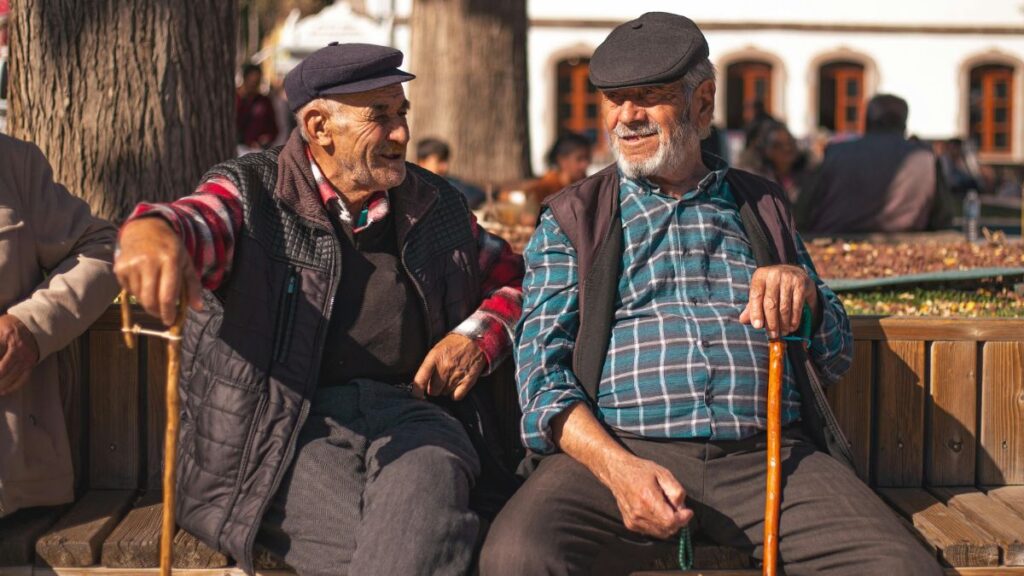
In Okinawan culture, a moai is a social group that provides ongoing connection and mutual support. Traditionally, some groups shared financial responsibilities, while others maintained relationships through regular meetings and everyday help.
The valuable lesson for retirement is that a small, dependable circle may matter more than a large collection of casual acquaintances. Three close friends who regularly check in can provide more meaningful support than dozens of people who rarely communicate.
This becomes increasingly relevant after 60 because retirement changes social routines. Former coworkers disappear from daily life, adult children become busy, and longtime friendships sometimes weaken when nobody takes the initiative.
A modern moai does not need to be formal or complicated. It could involve four neighbors gathering every Thursday, a group of retired friends sharing breakfast, or former colleagues who maintain a monthly lunch tradition.
Regular contact creates familiarity and makes it easier to recognize when someone needs help. Research consistently associates meaningful social relationships with better well-being, although friendships cannot prevent every health problem.
The goal is to build relationships where people can share good news, discuss concerns, and enjoy ordinary moments without feeling they must impress one another.
How to practice it: Choose two or three people you genuinely enjoy and suggest a standing weekly or monthly activity. Consistency matters more than expensive outings or elaborate plans.
4. Make Natural Movement Part of Every Day
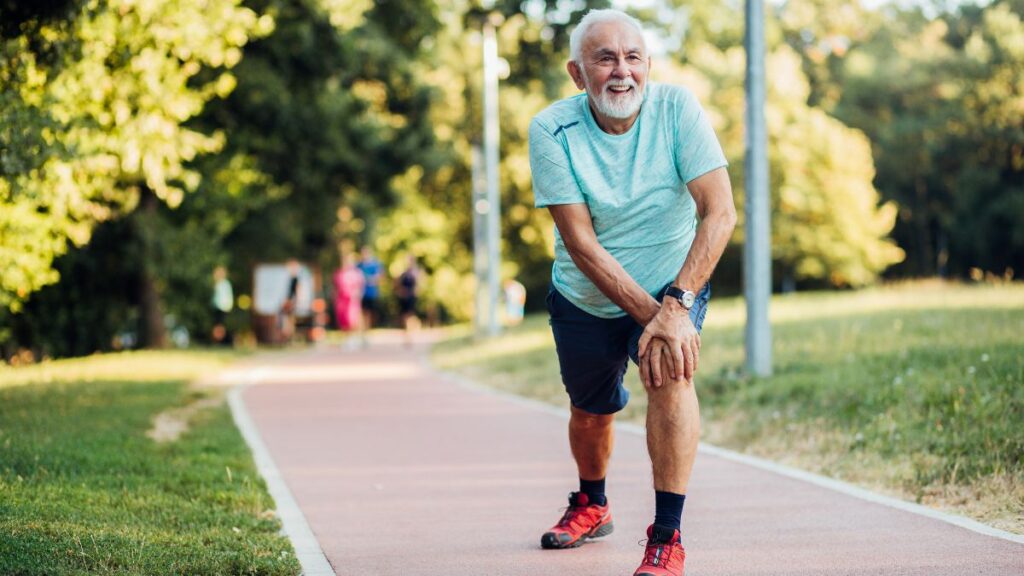
Many traditional Okinawan lifestyles included physical activity throughout the day. Walking, gardening, preparing meals, carrying supplies, and maintaining homes provided regular opportunities to move.
The interesting part is that these activities were often ordinary responsibilities rather than formal exercise sessions. Movement was integrated into daily life instead of being confined to a particular hour.
This approach can work beautifully after 60, especially for retirees who dislike gyms or demanding fitness routines. Watering plants, taking short walks, and doing manageable household tasks can reduce long periods of inactivity.
Natural movement also helps people maintain the practical abilities that support independence. Walking to the mailbox, preparing meals, and moving comfortably around the home are important parts of everyday life.
Still, gentle movement does not replace every type of exercise. Adults 65 and older generally benefit from aerobic activity, muscle strengthening, and balance exercises suited to their abilities.
The usual public health recommendation includes 150 minutes of moderate aerobic activity weekly, at least two strengthening days, and regular balance work. People with physical limitations can adapt these goals with professional guidance.
| Daily Activity | Potential Benefit | Easy Starting Point |
|---|---|---|
| Walking | Supports cardiovascular fitness and mobility | Short, comfortable walks |
| Gardening | Encourages movement and coordination | Tend a few containers |
| Light housework | Breaks up sitting time | Complete one manageable task |
| Strength exercises | Helps preserve muscle | Chair rises or resistance bands |
| Balance practice | Supports stability | Supported exercises near a sturdy surface |
| Gentle stretching | Helps maintain comfortable movement | Stretch within a pain-free range |
The goal is not to prove that you can still move like a 30-year-old. It is to keep your body capable of doing the everyday things that make retirement enjoyable.
5. Create a Quiet Daily Ritual That Belongs Only to You
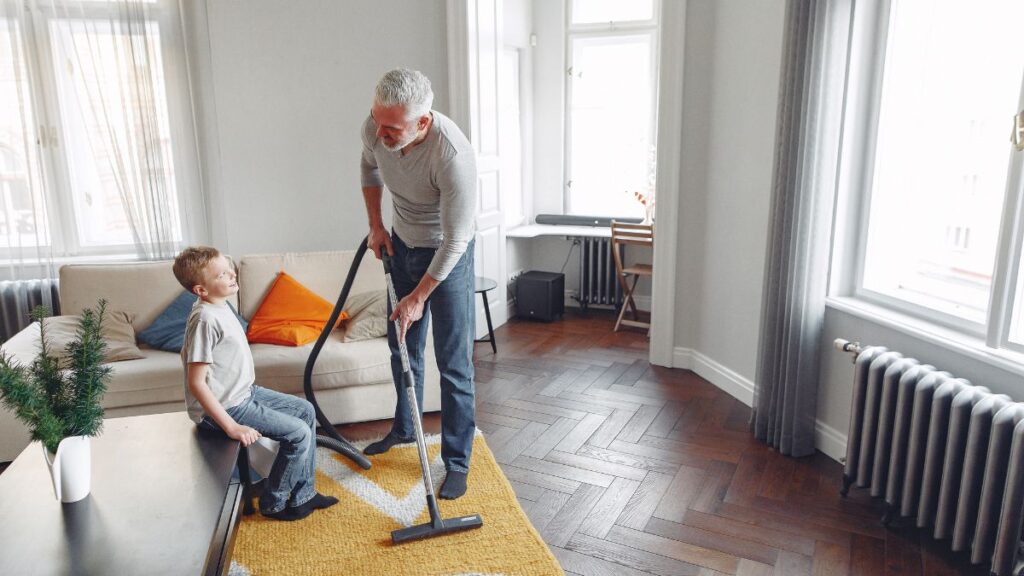
Retirement removes many workplace demands, but it does not automatically create peace. News, social media, family obligations, financial concerns, and household responsibilities can continue filling every available hour.
Japanese traditions include various forms of quiet reflection and deliberate attention. Tea preparation, peaceful gardens, and moments of remembrance offer examples of slowing down and giving an ordinary experience more meaning.
The practical lesson is to establish a small period each day when nothing needs to be accomplished. This can be particularly refreshing for people who spent decades measuring their time through productivity.
A quiet ritual might be drinking morning tea beside a window, sitting on the porch after lunch, or listening to peaceful music before dinner. Prayer, reflective reading, and gentle breathing exercises can serve similar purposes.
There is no need to adopt a complicated meditation practice or purchase special equipment. A comfortable chair, a quiet corner, and a few uninterrupted minutes are enough to begin.
These routines can also provide stability during periods of uncertainty. Knowing that a peaceful moment is waiting each day may help reduce the feeling that everything needs immediate attention.
How to practice it: Choose a dependable time and spend 10 minutes without your phone, television, or unfinished chores. Allow yourself to enjoy the pause without turning it into another responsibility.
6. Protect Your Sleep With a Slower Evening Routine
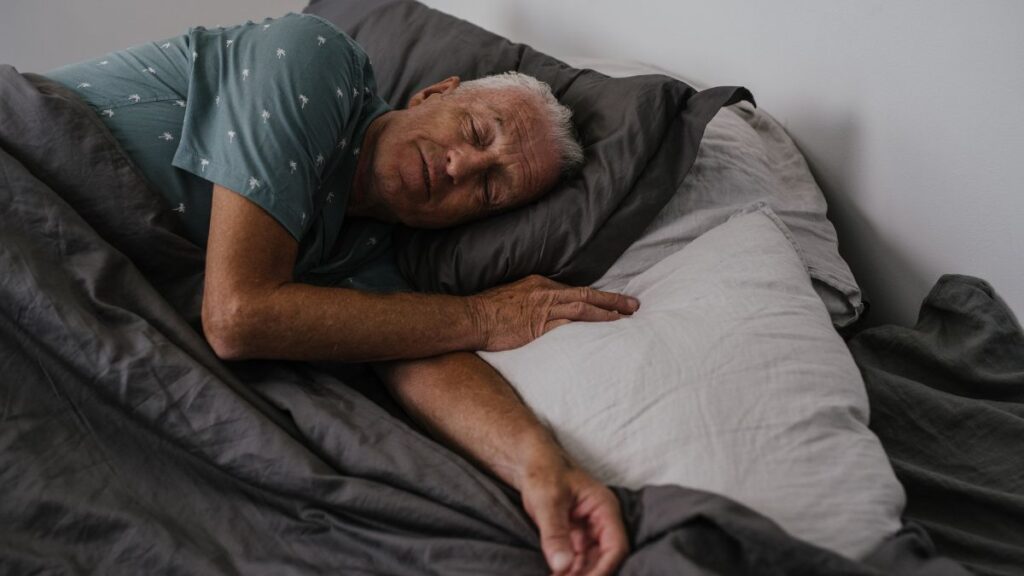
Sleep is one of the foundations of healthy aging, yet many retirees struggle to maintain a consistent pattern. Without work schedules, bedtimes may drift later while mornings become unpredictable.
Aging can also affect sleep quality. Older adults may experience lighter sleep, frequent waking, or earlier morning awakenings, while medications and medical conditions sometimes create additional difficulties.
Most older adults still need around seven to nine hours of sleep each night. Adequate sleep supports attention, memory, mood, and physical functioning.
A slower evening routine can help prepare the body for rest. Dimming lights, putting away stimulating devices, and choosing peaceful activities may make it easier to wind down.
Reading a book, taking a warm bath, or listening to quiet music can provide a pleasant transition. Maintaining relatively consistent sleeping and waking times also supports the body’s internal clock.
The bedroom environment deserves attention as well. Comfortable bedding, manageable temperatures, limited noise, and clear walking paths can improve comfort and safety.
| Evening Habit | What to Try Instead |
|---|---|
| Watching upsetting news before bed | Choose relaxing entertainment or reading |
| Using a phone in bed | Put the phone away before bedtime |
| Drinking caffeine late in the day | Move caffeinated drinks earlier |
| Going to bed at different hours | Keep a fairly regular schedule |
| Leaving clutter near the bed | Clear walking paths and nighttime obstacles |
| Ignoring persistent sleep problems | Discuss symptoms with a healthcare professional |
Persistent insomnia, breathing interruptions during sleep, or excessive daytime sleepiness should be discussed with a healthcare professional rather than dismissed as normal aging.
7. Welcome Morning Daylight Before Checking Your Phone
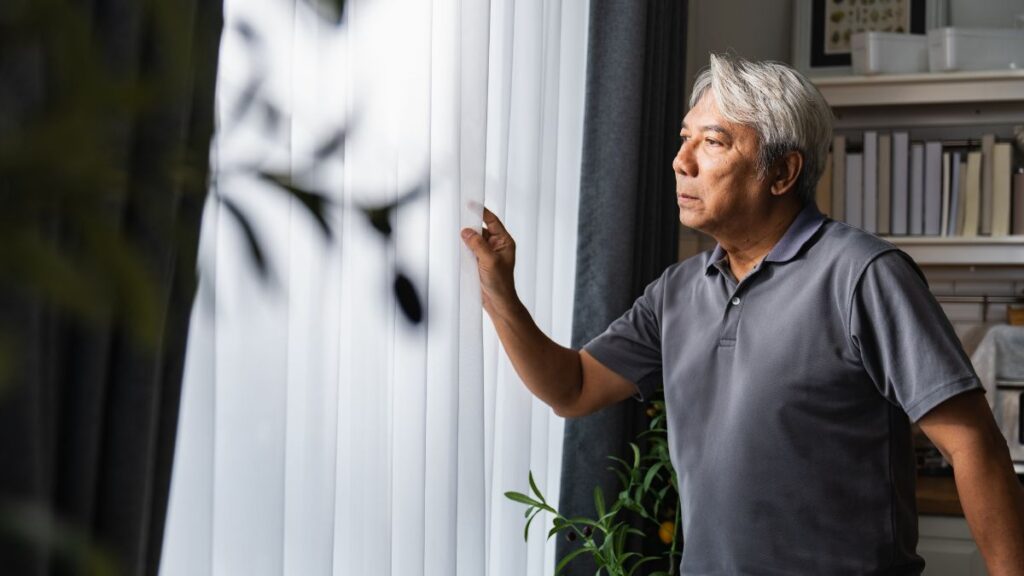
Many people begin their mornings by reaching for a phone before getting out of bed. Within seconds, emails, news headlines, and other people’s concerns can take over what might otherwise be a peaceful start.
A Japanese-inspired slower morning offers another option. Opening the curtains, stepping outside, or spending a few minutes in a garden allows the day to begin without immediately responding to outside demands.
Natural daylight also helps regulate the body’s circadian rhythm, the internal system that influences when people feel awake and when they become sleepy. Morning light provides an important signal that helps reinforce this daily pattern.
For older adults, regular morning routines can be particularly useful when retirement no longer requires arriving at work at a particular hour. A predictable start gives the day some structure without making it rigid.
The activity itself can be very simple. Someone might sit with coffee on the porch, enjoy the morning air, or take a short walk along a familiar street.
It is not necessary to wake before sunrise or spend hours outdoors. The idea is to create a comfortable routine that includes daylight and gives the mind a little space before distractions begin.
People with eye conditions or specific light-sensitivity concerns should follow their healthcare professional’s advice and avoid looking directly at the sun.
8. Stay Involved in Life Without Returning to Work
Retirement can sometimes create the impression that usefulness ends when employment ends. People spend decades contributing through their careers, only to find that their daily responsibilities disappear almost overnight.
Traditional Okinawan communities have often included older residents who remained involved in gardening, family activities, local traditions, and practical community responsibilities. Their participation could continue at a pace suited to their abilities.
That approach offers a helpful distinction between retirement and withdrawal. Leaving a job does not require giving up opportunities to contribute, teach, learn, or connect.
A retired teacher may enjoy helping a child practice reading. Someone with gardening experience might share seeds, while a former office worker could assist a local community group with organizing an event.
These roles do not need to resemble employment. In fact, one of retirement’s greatest advantages is the freedom to choose how much responsibility feels comfortable.
Meaningful participation can support social connection and provide a sense of accomplishment. However, it should remain an opportunity rather than an obligation, especially for older adults coping with illness, disability, or caregiving responsibilities.
| Personal Interest | Simple Way to Stay Involved |
|---|---|
| Gardening | Share plants or growing advice |
| Reading | Participate in a book club |
| Cooking | Teach a favorite family recipe |
| Woodworking | Show someone a practical skill |
| Music | Join a community music group |
| Helping others | Volunteer for a manageable task |
How to practice it: Choose one skill or interest you would enjoy sharing. Look for a low-pressure opportunity that allows you to participate without committing more energy than you have available.
A fulfilling retirement should not require proving your worth through constant activity. Simply having something enjoyable and meaningful to participate in can be enough.
9. Make Shared Meals a Regular Pleasure
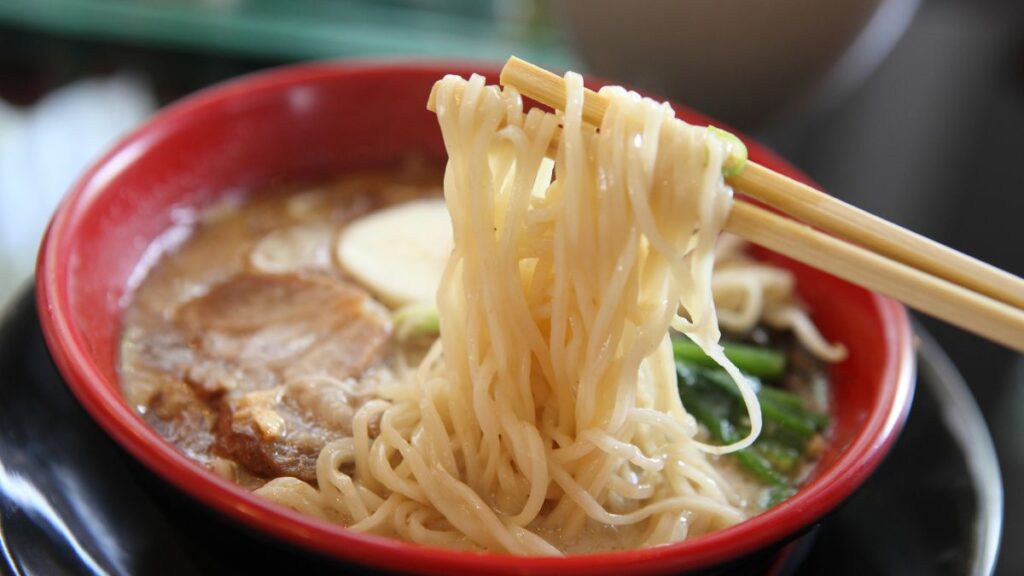
Traditional Japanese food culture often emphasizes attention to meals, seasonal ingredients, and the experience of eating. The meal itself can be treated as an enjoyable part of the day rather than a task to complete quickly.
This is especially appealing after retirement, when there may be more freedom to prepare food at a comfortable pace. A simple lunch can become something to look forward to instead of something eaten while watching television.
Meals also create opportunities for conversation. Sharing breakfast with a neighbor or having lunch with friends can strengthen relationships without requiring expensive entertainment.
For people living alone, the same idea can still improve everyday life. Using a favorite plate, preparing a balanced meal, and sitting somewhere pleasant can make eating feel more intentional.
The food does not have to be Japanese or complicated. A bowl of vegetable soup, a sandwich with fresh fruit, or a familiar family recipe can be just as enjoyable when given proper attention.
Older adults should also remember that eating well means getting enough nutrition. Protein-rich foods, fruits, vegetables, whole grains, and other suitable choices help support physical health.
The value of the habit lies in combining nourishment with pleasure. Meals should support the body while offering a comfortable pause in the day.
10. Make Gratitude and Humor Part of Ordinary Life

Growing older brings changes that are not always easy to accept. People may experience health problems, lose longtime friends, or discover that activities once taken for granted now require more effort.
These difficulties are real, and gratitude should never become a demand to pretend everything is fine. A positive outlook does not eliminate grief, illness, or financial concerns.
However, people can acknowledge difficult experiences while still noticing moments of comfort and enjoyment. A sunny afternoon, a conversation with a grandchild, or a familiar song may provide something pleasant in an otherwise ordinary day.
Japanese-inspired slow living encourages greater attention to these everyday experiences. Instead of constantly comparing life with the past, people can make room to appreciate what remains meaningful in the present.
Humor can also have a place in this approach. Sharing a funny memory with an old friend or watching a favorite comedy may provide relief during stressful periods.
Small expressions of appreciation often fit more naturally into daily routines than formal exercises. Someone might reflect on a pleasant moment while washing dishes or share something enjoyable from the day during dinner.
Research has found associations between gratitude-related practices and aspects of emotional well-being, although results vary and positive thinking is not a treatment for medical or mental health conditions.
How to practice it: At the end of each day, identify one moment that brought comfort, enjoyment, or satisfaction. It does not need to be extraordinary, and difficult days do not require forced optimism.
Sometimes, retirement happiness comes from recognizing that ordinary life still contains experiences worth appreciating.
11. Practice Danshari and Release What You No Longer Need

The Japanese concept of danshari, popularized by Hideko Yamashita, encourages people to reconsider their attachment to unnecessary possessions. It involves making thoughtful choices about what enters the home and what deserves to remain.
This approach can be particularly useful after 60 because many homes contain belongings accumulated over several decades. Closets fill with clothing from previous careers, cupboards hold duplicate dishes, and garages become storage spaces for things rarely used.
Possessions can carry memories, but they also require space, cleaning, repairs, and organization. Keeping too many things may make a home harder to maintain as physical abilities and daily priorities change.
Danshari does not require disposing of treasured family objects or creating an empty, minimalist house. It simply encourages people to decide whether belongings still serve a practical or meaningful purpose.
A retiree who no longer hosts large dinner parties might keep a favorite set of dishes and give away the extras. Someone who rarely wears formal clothing may prefer a smaller wardrobe built around comfortable daily outfits.
The benefits can extend beyond appearance. Clear walkways, organized storage, and reduced clutter can make household tasks easier and help eliminate certain tripping hazards.
The process should remain gradual. Trying to organize an entire house in one weekend can create unnecessary physical strain and emotional pressure.
| Part of the Home | What to Reconsider | Potential Benefit |
|---|---|---|
| Closet | Clothes no longer worn | Easier daily dressing |
| Kitchen | Duplicate utensils and appliances | More usable space |
| Bathroom | Expired and unnecessary products | Clearer surfaces |
| Living room | Excess furniture and clutter | Easier movement |
| Paperwork | Outdated documents | Simpler organization |
| Garage | Unused or broken equipment | Less maintenance |
Simple living should make the home more comfortable, not create guilt about possessions. The goal is to keep what supports the life you want to live now.
12. Embrace Wabi-Sabi and Find Beauty in Growing Older

Wabi-sabi is a Japanese aesthetic that appreciates simplicity, imperfection, and the changes that come with time. It recognizes that things can remain meaningful and beautiful even when they are no longer new or flawless.
This idea can offer a gentler perspective on aging. Modern culture often treats wrinkles, gray hair, slower movement, and other visible signs of age as problems that must be corrected.
Wabi-sabi suggests another way of looking at change. A weathered wooden table can carry years of family memories, just as an older person carries experience, relationships, and knowledge accumulated over a lifetime.
The same perspective can help people adjust their expectations after retirement. A garden may become smaller, travel plans may become less demanding, and favorite activities may need modifications.
These adjustments do not automatically make life less meaningful. They may simply reflect a different stage in which comfort, connection, and enjoyment deserve greater attention.
A home does not need expensive furniture to feel welcoming. A birthday dinner does not need perfect decorations, and a hobby does not need to produce impressive results to be worthwhile.
There is freedom in allowing ordinary experiences to be good enough. That freedom can be especially valuable for people who spent decades trying to meet professional, financial, and social expectations.
How to practice it: Choose one area of life where perfection has become an unnecessary burden. Allow yourself to enjoy the experience without correcting every small detail.
Accepting change does not mean neglecting health or abandoning personal goals. It means understanding that a satisfying life can take different forms at different ages.