

Imagine spending winter mornings in Florida sunshine instead of shoveling snow, then returning north when summer arrives. For many retirees, snowbird life sounds like the perfect reward after decades of work.
But living in two places can bring expenses and responsibilities that are easy to underestimate.
Two homes may mean twice the maintenance, more complicated health care, and long stretches away from family and friends. What begins as a dream of freedom can slowly become another source of stress.
Still, snowbird living can be deeply rewarding when the arrangement fits your finances, health, and personal priorities.
What Snowbird Living Actually Looks Like in Retirement
Snowbirds are people who spend part of the year in a warmer location and return to their primary home when the seasons change. Many are retirees who have the freedom to live in different places without worrying about a traditional work schedule.
A common arrangement involves spending late fall through early spring in Florida, Arizona, Texas, or another warm-weather destination. The remaining months are spent closer to family, longtime friends, or a northern home.
However, snowbird living does not always mean owning two houses. Some retirees rent seasonal apartments, stay in RV communities, or arrange extended visits with relatives.
| Living Arrangement | Main Advantage | Main Drawback |
|---|---|---|
| Own two homes | Familiar surroundings in both locations | Higher fixed expenses |
| Own one home, rent another | More flexibility | Seasonal rental costs |
| Rent in both locations | Easier to change destinations | Less housing stability |
| Travel in an RV | Freedom to explore different areas | Maintenance and campground costs |
| Extended seasonal stays | Opportunity to test locations | Limited sense of permanence |
The biggest difference between these options is commitment. Owning two homes creates a long-term financial responsibility, while renting allows retirees to change their plans more easily.
For first-time snowbirds, the ability to leave a destination without selling property can be especially valuable.
The Biggest Reward Is Escaping the Harshest Months

For retirees who have spent decades dealing with freezing temperatures, icy sidewalks, and long winter evenings, warmer weather can change how the season feels. Simple activities such as walking outside, visiting a park, or sitting on a patio may become more appealing.
Warmer weather can also make it easier for some older adults to maintain outdoor routines. Golf, swimming, gardening, and neighborhood walks may become regular parts of the week rather than activities postponed until spring.
However, sunshine alone does not guarantee better health or greater happiness. Hot weather, poor air quality, and long periods of strong sun can create their own problems, especially for people with certain medical conditions.
The greatest advantage is having more choice over how to spend the day. Instead of letting winter conditions determine every activity, retirees may enjoy a wider range of comfortable outdoor options.
The Financial Reality of Maintaining Two Places

The biggest concern with snowbird living is usually money. A second residence may create expenses that continue even when nobody is living there.
Property taxes, insurance, maintenance, association fees, utilities, and transportation can take a meaningful portion of retirement income. These costs can be particularly difficult for households depending mainly on Social Security and fixed pension payments.
Retirees should consider housing expenses, insurance, community fees, and unexpected property costs before purchasing a second home. Even when the property is paid off, maintaining two households can create ongoing financial pressure.
What Four Months Away Might Actually Cost
Consider a hypothetical retiree who owns a northern home and rents a furnished apartment for four winter months.
| Additional Expense | Illustrative Four-Month Cost |
|---|---|
| Seasonal apartment rental | $7,200 |
| Additional utilities and internet | $600 |
| Round-trip transportation | $1,200 |
| Home preparation and monitoring | $800 |
| Extra insurance and community fees | $600 |
| Total additional spending | $10,400 |
These figures are examples for budgeting, not actual quotes or national averages. Real expenses depend on location, accommodations, travel distance, insurance, and the arrangements made at the primary home.
In this example, the retiree would need about $10,400 in additional annual cash flow before accounting for possible savings elsewhere. Reduced heating, transportation, or entertainment expenses at home could offset part of the amount.
The important question is not simply whether a second home is affordable. It is whether the lifestyle remains affordable after emergencies, rising expenses, and future health needs are considered.
Owning a Second Home Can Become a Financial Trap

Buying a winter property may feel appealing because it eliminates the need to find accommodations every year. Owners can leave belongings in place, become familiar with the neighborhood, and return to a home that already feels comfortable.
However, owning a second property means taking responsibility for another building. Repairs, insurance renewals, taxes, and unexpected assessments continue whether the owner visits for two months or six.
Condominiums may seem easier to maintain, but homeowners association fees and special assessments can create substantial expenses. A building needing major roof or structural repairs might require owners to contribute additional money.
There is also the question of how the property will fit into later retirement. A home purchased at 65 may be less useful at 80 if long-distance travel becomes difficult or medical needs change.
A second home should support retirement rather than become the expense that controls it. For some households, renting a comfortable winter apartment provides nearly the same lifestyle with less long-term risk.
Health Insurance Can Make or Break the Arrangement
Health coverage is one of the most important details to examine before splitting the year between two states. A plan that works perfectly near the primary home may offer different access to doctors elsewhere.
Under Original Medicare, beneficiaries can generally visit any doctor or hospital that accepts Medicare anywhere in the United States. Medicare Advantage plans may have regional provider networks and different rules for receiving non-emergency care outside their service areas.
| Health Coverage | What Snowbirds Should Check |
|---|---|
| Original Medicare | Participating doctors and hospitals in both locations |
| Medicare Advantage | Network access and rules for extended stays |
| Medigap | Coverage and costs when receiving eligible care away from home |
| Medicare Part D | Pharmacy networks and prescription refills |
| Private insurance before 65 | Out-of-state treatment and specialist coverage |
Prescription medications create another consideration. Some drug plans offer preferred pharmacies or mail-order prescriptions, but coverage and out-of-pocket costs can vary by pharmacy.
Retirees managing long-term medical conditions may also need to coordinate care between two locations. A winter stay can become complicated if treatment requires regular visits to a specialist who practices only near the primary home.
Before making plans, review health coverage for both locations, identify nearby providers, and understand what would happen if a medical emergency or unexpected hospital stay delayed the return trip.
Health coverage rules differ by plan. Confirm the details directly with your insurer before making decisions about extended travel.
State Taxes Are Not as Simple as Spending Six Months Somewhere

Some retirees are attracted to warm-weather states because they do not impose a state income tax. Florida and Texas are well-known examples, but spending the winter there does not automatically change someone’s tax residency.
A person’s domicile generally depends on where their permanent home is located and the broader facts of their life. States may consider such details as housing, time spent in each location, driver’s licenses, voter registration, and personal connections.
New York, for example, may treat someone as a resident for income tax purposes if they maintain a qualifying permanent place of abode and spend at least 184 days in the state during the taxable year. New York also has separate domicile-based residency rules.
Simply buying a property in Florida does not necessarily end the tax obligations associated with another state. Retirees who maintain strong ties to their previous residence could still face tax questions.
This is especially important for households receiving retirement account distributions, investment income, pensions, or income from property in different states.
Before claiming residency elsewhere, consult a qualified tax professional who understands the rules in both locations.
Two Empty Homes Still Need Maintenance
One of the less glamorous parts of snowbird living is worrying about the home that has been left behind. A residence can develop problems even when nobody is using it.
Frozen pipes, water leaks, storm damage, and break-ins can become more serious when problems go unnoticed for weeks. Homeowners may need someone nearby who can inspect the property and respond quickly.
Vacant or unoccupied homes may face losses and liabilities that standard homeowners insurance policies do not fully cover. Coverage restrictions can depend on how long the property remains empty and the specific terms of the policy.
Before leaving for an extended period, homeowners should speak with their insurer, arrange regular property checks, maintain appropriate heating, and consider water leak detectors.
A dependable neighbor or property manager can reduce the worry, but these arrangements may create additional expenses. The convenience of arriving at a second home must be weighed against the responsibility of protecting the first one.
Living Between Two Communities Can Feel Surprisingly Lonely
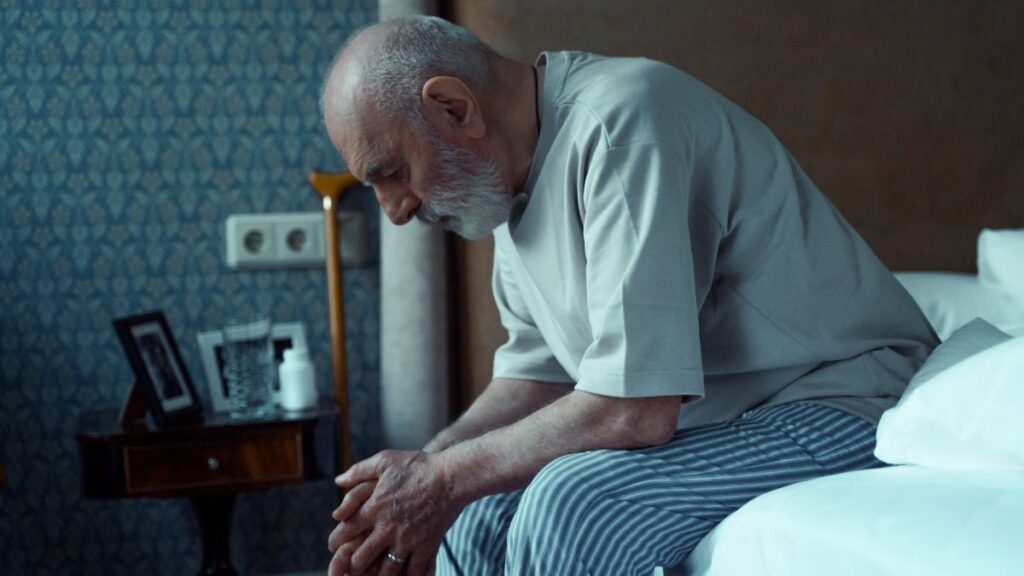
Snowbird life creates opportunities to meet new people, especially in retirement communities where seasonal residents share similar interests. Organized activities, clubs, neighborhood gatherings, and volunteer opportunities can make building friendships easier.
However, living in two places may also mean never feeling completely settled in either one. Friendships formed during winter might become difficult to maintain when everyone returns to different states.
Family relationships can present another challenge. Retirees may miss birthdays, school events, holiday gatherings, and ordinary weekends with grandchildren while staying hundreds of miles away.
Technology makes communication easier, but video calls cannot replace every family visit or shared experience. Some retirees discover that being physically present matters more to them than spending another winter in the sunshine.
The emotional question is whether dividing the year creates more meaningful experiences or simply divides the relationships that already make life satisfying.
The Travel Itself Can Become Less Appealing With Age

At the beginning of retirement, traveling between two homes may feel exciting. Packing the car, planning the route, and anticipating warmer weather can become enjoyable seasonal traditions.
However, long-distance travel can become tiring over time. Driving for several days, carrying luggage through airports, managing medications, and adjusting household arrangements require planning and physical effort.
The situation becomes more complicated when one spouse enjoys traveling but the other begins to prefer staying home. Different health needs or comfort levels can place pressure on a routine that once suited both people.
Retirees should consider how they would handle an unexpected illness, a family emergency, or a situation requiring an early return. Having the financial ability to change plans quickly can make the arrangement less stressful.
A good snowbird plan should also have an exit strategy. Selling a winter property, ending a rental arrangement, or reducing travel should remain realistic options if circumstances change.
Renting First Can Prevent an Expensive Retirement Mistake

A warm-weather destination may look wonderful during a one-week vacation but feel different after several months. Everyday life involves grocery shopping, medical appointments, traffic, utility bills, and regular household responsibilities.
Spending an entire season in a community before buying property can reveal things that short visits miss. Retirees may discover that a neighborhood is too crowded, too isolated, or more expensive than expected.
Rental scams are another concern when arranging accommodations from another state. Retirees should verify the property and owner, understand the rental agreement, and avoid suspicious requests for payment by wire transfer, gift cards, or cryptocurrency.
A trial season is particularly helpful for couples who have never lived away from their primary community for an extended period. It gives both partners time to decide whether the lifestyle matches their expectations.
The goal is to experience the ordinary days, not just the vacation atmosphere.
A Practical Way to Test Snowbird Life Before Committing
A sensible first year does not require purchasing property or changing permanent residency. Retirees can begin with a shorter seasonal stay and gradually increase the time away.
For example, spending four to six weeks in a warm-weather community can help reveal whether the destination feels comfortable. A longer visit during the next winter provides a better picture of seasonal expenses and daily routines.
During that time, retirees should record actual spending rather than relying entirely on estimates. Rental payments, groceries, dining out, transportation, medical expenses, and costs back home all belong in the calculation.
A comparison after the trip can be particularly revealing.
| Question | Encouraging Sign | Reason to Reconsider |
|---|---|---|
| Was the total cost manageable? | Spending stayed within budget | Savings were needed for ordinary bills |
| Did the location improve daily life? | More enjoyable routines | Most days felt similar to home |
| Was medical care accessible? | Needed providers were available | Regular treatment became difficult |
| Did both partners enjoy the stay? | Both want to return | One felt isolated or unhappy |
| Was the primary home secure? | Maintenance was handled | Property problems caused stress |
| Was returning home enjoyable? | Both locations felt welcoming | Moving between them felt exhausting |
This assessment gives retirees something more useful than a collection of vacation photographs. It shows whether snowbird living is financially and emotionally sustainable.
Who Is Most Likely to Enjoy Being a Snowbird?

Snowbird living often works best for retirees who have dependable retirement income, manageable housing expenses, good transportation options, and a genuine interest in maintaining two communities.
It can be especially appealing to people whose favorite activities are difficult during northern winters. Someone who enjoys daily walks, outdoor social gatherings, or warm-weather recreation may find substantial value in changing locations.
The arrangement may also suit retirees who already have friends or relatives living in the winter destination. Familiar people can make the seasonal transition feel more like returning home than starting over.
However, financial comfort alone does not determine whether the lifestyle will be satisfying. Retirees who enjoy predictable routines and strong local relationships may prefer occasional winter vacations rather than spending several months away.
There is no requirement to split the year evenly. One month in a warmer location may deliver enough of the benefits without creating the expense or responsibility of a second home.
When Snowbird Living May Not Be Worth the Trouble
Snowbird life deserves extra caution when the additional housing costs would reduce emergency savings or require large withdrawals from retirement investments.
It may also be less suitable for people who need frequent medical care, have limited travel options, or depend on nearby family members for everyday assistance.
The same applies to retirees who find moving between homes stressful. A lifestyle intended to make retirement more enjoyable should not require months of preparation, worry, and recovery.
For some households, the better solution may be taking one extended winter vacation, renting a smaller property for a few weeks, or relocating permanently to a preferred climate.
These options can provide seasonal comfort without maintaining two separate households.