

Early retirement can make a major purchase feel like a reward for decades of work. But once paychecks stop, that purchase can create bills your savings must cover for years.
The money traps of early retirement often look appealing: a larger home, a new car, or a vacation property. Insurance, maintenance, taxes, and financing can turn an exciting purchase into a lasting expense.
That does not mean retirees should stop enjoying their money. These 13 purchases are worth examining before they reduce financial flexibility, especially during the first years when retirement plans are being tested.
Why the First Five Years of Retirement Matter So Much

The first years of retirement often bring more free time and a strong desire to enjoy it. Traveling, renovating the house, or buying something long postponed can suddenly seem easier to justify.
However, retirement spending can carry different consequences once regular employment income ends. A purchase that once required a few extra months of work may now require withdrawing investments intended to support decades of living expenses.
According to the Bureau of Labor Statistics, housing and transportation accounted for approximately 50% of average U.S. household spending in 2024. That figure covers households of all ages, but it shows why decisions about homes and vehicles deserve particular attention.
There is also sequence of returns risk, which means investment losses can be especially damaging when they occur early in retirement while withdrawals continue. Large discretionary purchases can increase the amount withdrawn during an already difficult market period.
How Small Monthly Commitments Become Large Expenses
A purchase does not need to cost $100,000 to affect retirement savings. Several smaller commitments can gradually consume thousands of dollars every year.
The following examples show hypothetical additional monthly expenses rather than national averages. The five-year totals assume unchanged payments and exclude inflation, taxes on withdrawals, and investment returns.
| Additional Expense | Monthly Cost | Five-Year Cost |
|---|---|---|
| Higher housing expenses | $600 | $36,000 |
| Extra vehicle expenses | $350 | $21,000 |
| Premium memberships | $180 | $10,800 |
| Boat storage or slip | $275 | $16,500 |
| Total | $1,405 | $84,300 |
These four commitments alone could require $84,300 over five years, before counting the original purchase prices. This illustrates why retirees benefit from calculating ongoing expenses rather than looking only at what they pay upfront.
1. A Dream Home That Costs More Than Expected

Buying a beautiful retirement home can feel like the final reward after years of saving. A larger house, scenic property, or desirable neighborhood may seem especially appealing when there is finally time to enjoy it.
The financial problem is that the purchase price represents only part of the commitment. Property taxes, homeowners insurance, utilities, landscaping, repairs, and maintenance can create substantial ongoing costs.
Consider a hypothetical couple who moves into a home that costs an additional $900 per month to maintain. That difference equals $10,800 annually, or $108,000 over ten years before inflation.
Even a mortgage-free home is not free to maintain. A larger property may also require more physical work or paid help as the owners get older.
A better approach is to estimate the total annual ownership cost and compare it with the existing home. Retirees should also consider whether the property will remain practical if their health, mobility, or family circumstances change.
The financial test: Would the home still feel affordable if investment income fell or one spouse needed additional care?
2. A Brand-New Luxury Car

A new luxury car can be an enjoyable retirement purchase, particularly for someone who has spent years driving an older vehicle. Better comfort, newer safety technology, and dependable transportation may have genuine value.
However, the excitement of a new car can hide a much larger financial commitment. Insurance, depreciation, financing charges, registration, and repairs must all be included in the calculation.
The Consumer Financial Protection Bureau advises car buyers to focus on the total cost of a vehicle rather than simply the advertised monthly payment. A longer loan can reduce monthly payments while increasing the total interest paid.
A luxury car also may not suit a retiree’s new driving habits. Someone who previously drove 15,000 miles annually might drive much less after leaving work, making the additional expense harder to justify.
Buying a reliable vehicle that meets daily needs can preserve money for travel, healthcare, and other priorities. A well-maintained used vehicle may offer much of the desired comfort without the same upfront commitment.
3. A Second Vehicle That Rarely Leaves the Driveway
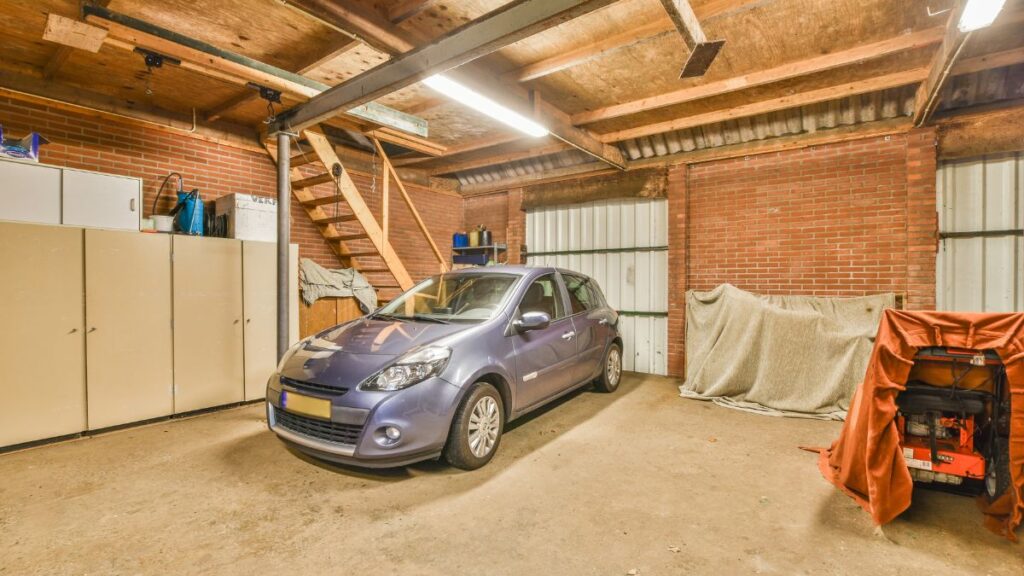
Many couples enter retirement with two vehicles because both partners previously needed transportation for work. After retirement, those driving patterns may change substantially.
One spouse may no longer commute, and the couple might complete most errands together. Yet the second vehicle continues to generate insurance, registration, maintenance, and depreciation costs.
Selling an extra vehicle could eliminate several recurring expenses and release cash tied up in the car. However, keeping both vehicles may be reasonable if the partners regularly travel separately, have limited transportation options, or need independent access to medical appointments.
The Hidden Cost of Stretching a Vehicle Loan
Borrowing to purchase a vehicle creates another financial consideration. A longer loan may appear affordable each month while consuming more money overall.
The following example assumes a $30,000 loan at a fixed 8% annual percentage rate, with equal monthly payments. This is an illustrative interest rate, not a current market quote, and the figures exclude taxes, insurance, and fees.
| Loan Term | Monthly Payment | Total Interest |
|---|---|---|
| 3 years | $940 | $3,843 |
| 5 years | $608 | $6,498 |
| 6 years | $526 | $7,872 |
Extending the loan from three to six years lowers the monthly payment considerably but more than doubles the total interest. Retirees should compare the full financing cost and consider whether the payments would remain manageable during a market downturn.
4. An RV Purchased Before Testing the Lifestyle
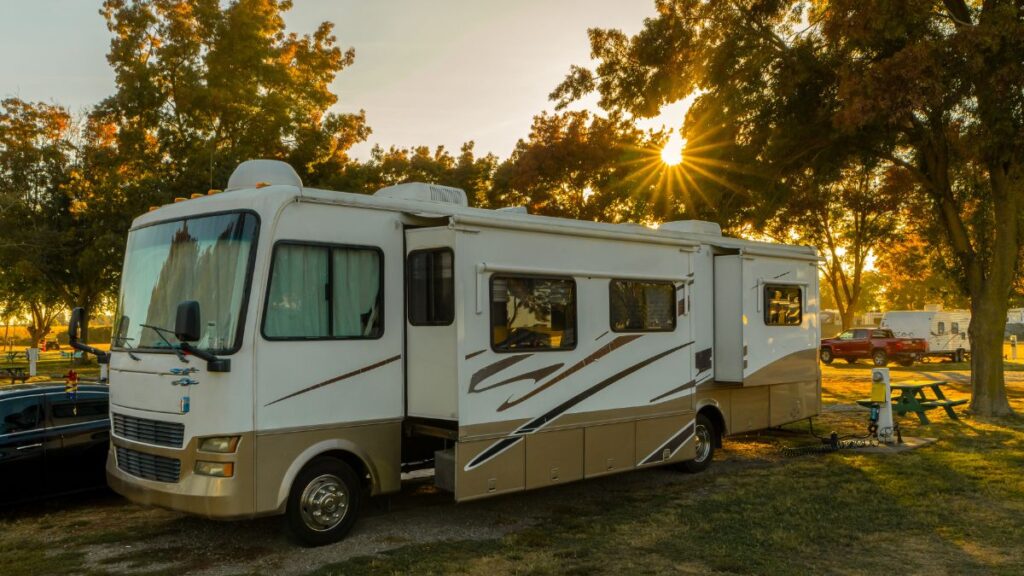
Traveling across the country in a recreational vehicle sounds like an ideal retirement adventure. The promise of flexibility, scenic destinations, and traveling without hotel reservations can make an RV especially tempting.
However, purchasing an RV introduces expenses that do not disappear when it is parked. Insurance, fuel, campground charges, storage, maintenance, registration, and unexpected repairs all affect the real cost.
A large motorhome can also require specialized repairs and expensive replacement parts. Depreciation may reduce its resale value, making it difficult to recover the original purchase price.
A retiree who expects to travel for months may discover that extended driving is tiring or that campground living is less enjoyable than expected. Someone who uses the RV only occasionally may find the annual ownership cost difficult to justify.
Try before buying: Rent an RV for several trips in different seasons and calculate the full travel expenses. This provides a practical test before committing retirement savings to ownership.
5. A Boat That Comes With Permanent Expenses

A boat can offer memorable afternoons with family, fishing trips, and time outdoors. For retirees who genuinely enjoy boating and use their vessel frequently, the expense may be worthwhile.
The problem is that boats continue costing money even when they remain unused. Docking, storage, insurance, maintenance, fuel, cleaning, and winter preparation may create substantial annual expenses.
Repairs can also be difficult to predict, especially for older vessels. A seemingly affordable used boat may require expensive mechanical work before it is dependable.
Before purchasing, calculate the expected number of boating days each year. Compare ownership costs with rentals, boat clubs, or shared ownership arrangements, while reviewing the full contract terms.
A smaller boat used regularly may provide more enjoyment than an expensive model that spends most of the year in storage. The best purchase is not necessarily the most impressive one.
6. A Vacation Home That Becomes Another Financial Responsibility

A lakeside cottage or beach property can represent the retirement lifestyle many people have imagined for years. It may also provide a comfortable place for children and grandchildren to gather.
However, maintaining two properties means paying many household expenses twice. Property taxes, insurance, utilities, maintenance, repairs, and possibly homeowners association fees continue even when the second home is empty.
Retirees who finance the purchase must also consider mortgage payments and interest. Short-term rental income should not be treated as guaranteed because bookings, local regulations, repairs, and management costs can change.
A second property also concentrates money in real estate that cannot always be sold quickly. If an unexpected healthcare expense arises, accessing that equity may take time and involve transaction costs.
Renting a vacation property for several weeks each year offers another option. It allows retirees to visit different locations without accepting year-round ownership responsibilities.
7. A Timeshare or Vacation Club Membership
Timeshares often appeal to retirees because they promise future vacations in attractive destinations. Sales presentations may emphasize convenience, luxury accommodations, and the idea of securing travel opportunities for years.
However, the Federal Trade Commission warns that timeshares and vacation clubs can involve substantial upfront charges, recurring maintenance fees, booking restrictions, and difficulties when owners want to exit.
Some agreements require fees even when the owner does not use the property. Depending on the contract, fees can also increase over time.
The FTC advises prospective buyers to examine every charge, understand cancellation and exit terms, and avoid making decisions under sales pressure. State laws can also affect cancellation rights and ownership obligations.
What Does a Recreational Purchase Really Cost Per Use?
A useful test is to divide annual ownership expenses by the number of days or nights the purchase is actually used. This makes occasional-use purchases easier to compare with rentals.
These hypothetical figures include selected annual fixed expenses only. They exclude the original purchase price, depreciation, financing, and variable usage expenses, so the actual total ownership cost would be higher.
| Purchase | Annual Fixed Cost | Annual Use | Cost Per Use |
|---|---|---|---|
| RV | $6,000 | 12 nights | $500 |
| Boat | $6,000 | 10 days | $600 |
| Vacation home | $12,000 | 24 nights | $500 |
An RV costing $500 per night in fixed expenses alone may be less attractive than expected. Ownership can still make sense for frequent users, but an accurate calculation should include purchase costs, resale value, and comparable rental prices.
8. A Major Home Renovation Immediately After Retiring

Retirement often creates a desire to improve the home. People may finally have time to replace the kitchen, renovate bathrooms, update furniture, or create an outdoor entertainment space.
These projects can improve daily comfort and make a property easier to maintain. However, major renovations can quickly exceed the original budget because of hidden structural problems, material changes, and additional labor.
Suppose a hypothetical couple plans a $35,000 kitchen renovation but spends $50,000 after changing several features. The extra $15,000 must come from savings, borrowing, or another financial goal.
Borrowing against home equity also introduces repayment obligations and puts the home at risk if the loan cannot be repaid. Using retirement funds may create taxes and reduce money available for future expenses.
Before beginning a large renovation, obtain multiple detailed estimates and include a contingency allowance. Separate necessary repairs and accessibility improvements from purely cosmetic changes.
A smarter spending choice: Complete urgent repairs first, then decide whether larger improvements still fit the retirement budget after living with the new routine for several months.
9. Premium Club Memberships That Receive Little Use
Retirement can create more opportunities for golf, fitness classes, social clubs, and recreational activities. Joining a private club or premium gym may feel like a natural way to build a more active social life.
However, memberships sometimes become expensive reminders of activities that never became regular habits. Initiation charges, monthly dues, food minimums, and additional facility fees can make the true cost much higher than expected.
Consider a hypothetical membership costing $240 per month, or $2,880 annually. The amount paid for each visit changes dramatically depending on how often the member attends.
| Visits Per Year | Annual Membership Cost | Cost Per Visit |
|---|---|---|
| 12 | $2,880 | $240 |
| 48 | $2,880 | $60 |
| 96 | $2,880 | $30 |
This comparison excludes initiation fees and other charges. It also does not measure social benefits, which can be a genuine reason to keep a membership.
Someone who attends twice a week may receive considerable value from the same membership that another person uses once a month. Retirees should review actual attendance rather than relying on how often they expect to visit.
Before joining, test the facility through a trial period or shorter membership if available. Also review renewal, cancellation, and refund conditions so unused services do not continue draining the budget.
10. Expensive Equipment for a Hobby That Might Not Last

Retirement often gives people the opportunity to explore interests they postponed while working. Photography, woodworking, cycling, gardening, music, and outdoor recreation can all provide rewarding ways to spend time.
The financial mistake occurs when someone buys professional equipment before discovering whether the activity genuinely suits them. An expensive camera, woodworking setup, or electric bicycle can become an unused purchase after only a few months.
This is partly an example of present bias, the tendency to give greater weight to immediate satisfaction than future consequences. The excitement of starting something new may overshadow the possibility that the hobby will not become a lasting habit.
Someone considering a $5,000 photography setup could begin with a less expensive camera or rented equipment. If the interest continues after several months, upgrading becomes a more informed decision.
The goal is not to discourage hobbies. Activities that support physical movement, learning, friendships, and personal enjoyment may be among the most valuable uses of retirement money.
The better approach is to let experience determine spending. Start with basic equipment, develop the habit, and invest more once the activity has earned a regular place in daily life.
11. Expensive Travel Packages Paid for Too Far in Advance

Travel is one of the strongest reasons many people want to retire early. Visiting new destinations, spending time with family, and enjoying experiences while healthy can be well worth the expense.
However, purchasing several expensive vacations in advance can create unnecessary financial pressure. Large deposits, cancellation restrictions, travel insurance limitations, and changing health circumstances can make future plans difficult to adjust.
Consider a hypothetical retiree who books three major trips costing $8,000 each. That creates a $24,000 travel commitment before accounting for optional excursions, meals, medical needs, and other expenses.
The same retiree may have more flexibility by planning one major trip at a time. Smaller regional trips can also provide meaningful experiences without requiring large upfront payments.
A travel budget should distinguish between essential expenses and discretionary experiences. Funding travel from a planned annual spending allowance can reduce the chance of unexpectedly large retirement account withdrawals.
The important distinction: Travel itself is not a financial mistake. The risk comes from committing more money than the retirement plan comfortably supports or accepting cancellation terms that are too restrictive.
12. Large Purchases for Adult Children or Grandchildren

Helping family members can be one of the most meaningful uses of retirement savings. Contributing toward education, buying a vehicle, or helping with a home down payment may provide real benefits.
However, large gifts can become a financial problem when they are made without considering future household needs. Retirees may feel pressure to help because they have accumulated savings, even when those savings must support their own living expenses.
For example, providing $1,000 each month in ongoing family support equals $12,000 annually. If the arrangement continues for five years, the total reaches $60,000 before considering any taxes or lost investment returns.
One-time gifts also deserve careful planning. Paying for a relative’s new vehicle or home renovation may be generous, but it should not require sacrificing money reserved for housing, healthcare, or emergencies.
There can also be tax considerations, particularly for large gifts. Federal gift tax reporting rules and exclusions depend on the year and circumstances, so significant transfers deserve individualized review.
Retirees can establish a family assistance budget that reflects what they can genuinely afford. Being clear about whether financial help is a gift, loan, or temporary arrangement can also reduce family misunderstandings.
The key question: Can this financial support be provided without depending on future investment gains or reducing money needed for personal security?
13. A Business or Franchise Purchased to Stay Busy

Leaving a long career can create an unexpected sense of emptiness. Someone who previously managed employees, solved problems, and followed a daily schedule may begin searching for a new purpose.
Buying a small business or franchise can appear to offer the perfect solution. It promises activity, possible income, and the opportunity to build something meaningful.
However, business ownership requires more than purchasing the operation. Rent, equipment, insurance, inventory, employee wages, marketing, and unexpected operating expenses may continue even during periods of weak sales.
A retiree who invests $100,000 in a business is exchanging retirement savings for an asset with uncertain future value. Additional funding may be needed if the business does not become profitable as quickly as expected.
The Federal Trade Commission requires franchisors to provide prospective buyers with a Franchise Disclosure Document at least 14 days before signing a contract or paying the franchisor or its affiliate. This document contains information about fees, obligations, risks, and available financial disclosures.
Prospective buyers should review the document with qualified legal and financial professionals. They should also speak with current and former franchise owners and independently examine any claims about earnings.
For retirees mainly seeking activity and social interaction, part-time employment, volunteering, mentoring, or occasional consulting may offer some of the same benefits with less financial exposure.
How One Expensive Purchase Can Change Retirement Withdrawals
Large discretionary purchases can create problems even when they do not involve recurring payments. The money used to buy something today is no longer available to cover expenses or remain invested.
Consider a hypothetical retiree starting with $800,000 in investable retirement assets. Assume the retiree normally withdraws $32,000 annually after accounting for Social Security or other income.
The following table shows what happens when additional purchases are funded through extra portfolio withdrawals in the same year. The percentages are based on the starting $800,000 balance and are not suggested safe withdrawal rates.
| Spending Scenario | Annual Withdrawal | Initial Withdrawal Rate |
|---|---|---|
| Normal spending | $32,000 | 4.00% |
| Additional $10,000 purchase | $42,000 | 5.25% |
| Additional $25,000 purchase | $57,000 | 7.13% |
A $25,000 discretionary purchase increases the first-year withdrawal amount by more than 78% in this example. The effect on long-term finances depends on future returns, inflation, taxes, income, and how spending changes in later years.
A single elevated withdrawal year does not automatically mean a retirement plan will fail. However, repeated extra withdrawals can meaningfully reduce the amount available for future living expenses.
The Tax and Healthcare Costs Retirees May Overlook
The account used to fund a purchase can matter as much as the price. Withdrawals from traditional IRAs and 401(k) accounts are generally subject to income tax, while some distributions before age 59½ may also face an additional 10% tax unless an exception applies.
For someone retiring before 65, large taxable retirement withdrawals can also affect eligibility for Marketplace health insurance savings. HealthCare.gov uses household income calculations that generally include taxable traditional IRA and 401(k) distributions.
This means a large purchase funded from retirement accounts can have consequences beyond the amount withdrawn. Before making major purchases, retirees should examine both the spending decision and its tax implications.