

Visiting America’s national parks can get expensive when entrance fees, camping charges, and travel costs start adding up. For retirees living on a fixed income, even a simple weekend trip may require careful budgeting.
Many older Americans want to explore the outdoors without spending hundreds of dollars on admission fees.
Fortunately, the National Park Senior Pass offers a practical way to save money. Americans age 62 and older who meet the eligibility rules can purchase an annual pass for $20 or a lifetime pass for $80.
What Is the National Park Senior Pass?
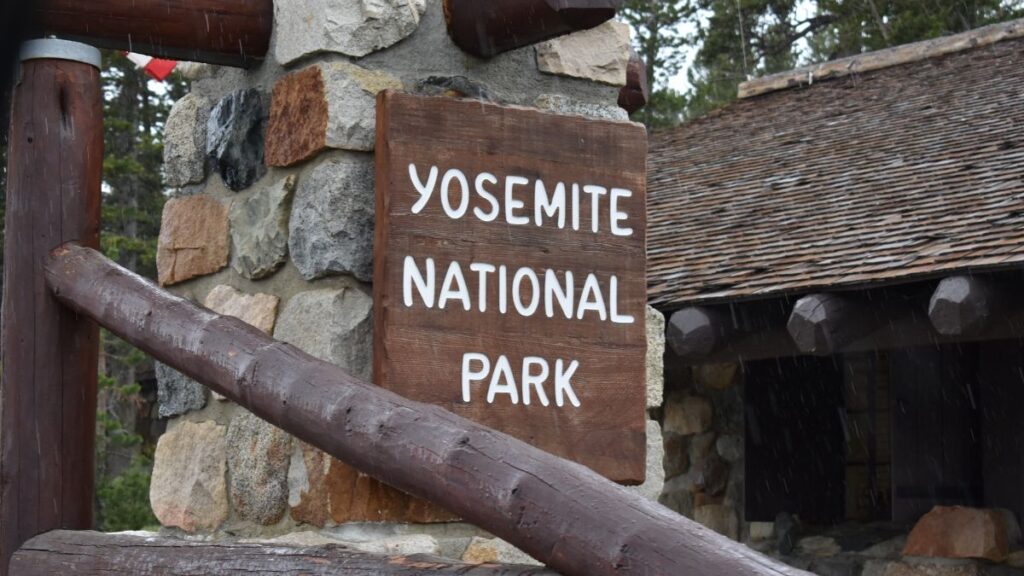
The National Park Senior Pass is a special recreation pass available to eligible Americans age 62 and older. It is part of the America the Beautiful program, which provides entrance benefits at national parks and other federally managed recreation sites.
Despite its name, the pass is not limited to national parks. It also works at many national forests, wildlife refuges, and other federal recreation areas that charge entrance or standard day-use fees.
Both annual and lifetime Senior Passes provide the same basic entrance benefits. The main difference is how long each pass remains valid and how much it costs.
For retirees who enjoy traveling, camping, scenic drives, or visiting historic places, the pass can make outdoor activities more affordable throughout retirement.
How Much Does the National Park Senior Pass Cost in 2026?
There are two versions of the Senior Pass available in 2026. Both offer the same basic entrance benefits, but one lasts a year while the other remains valid for the owner’s lifetime.
| Pass Type | Price | How Long It Lasts |
|---|---|---|
| Senior Annual Pass | $20 | One year |
| Senior Lifetime Pass | $80 | Lifetime of the passholder |
The $20 annual pass may be a good option for someone who rarely visits national parks. It provides a lower-cost way to enjoy the benefits without making a larger initial purchase.
The $80 lifetime pass may offer better value for retirees who expect to visit federal recreation areas regularly. Once purchased, it remains valid for the owner’s lifetime without annual renewal payments.
These are the standard pass prices. Online orders for physical passes may include additional processing and shipping charges.
Can You Upgrade an Annual Pass to a Lifetime Pass?
One helpful feature is that seniors can apply the value of previously purchased annual Senior Passes toward a lifetime pass. Even expired annual Senior Passes can count toward the upgrade.
| Annual Senior Passes Held | Additional Cost for Lifetime Pass |
|---|---|
| 1 annual pass | $60 |
| 2 annual passes | $40 |
| 3 annual passes | $20 |
| 4 annual passes | $0 |
The exchange must be completed in person at a participating federal recreation site that issues Senior Passes. You will need to provide the qualifying annual passes when requesting the upgrade.
This arrangement gives retirees more flexibility. Someone can begin with an annual pass and later switch to the lifetime version without losing the value of qualifying earlier purchases.
Who Qualifies for the National Park Senior Pass?
The eligibility requirements are straightforward. You must be at least 62 years old and be a U.S. citizen or permanent resident.
You do not need to be retired, receive Social Security benefits, or meet a particular income limit. Someone who continues working at age 65 can qualify just as easily as someone who retired several years earlier.
Applicants must provide acceptable documentation showing their age and citizenship or residency status. A valid photo ID is also required when using the pass.
A U.S. passport, driver’s license, or permanent resident card may be accepted as part of the documentation process, depending on the applicant’s circumstances.
Important: The Senior Pass is issued to one eligible person. It cannot be transferred to a spouse, adult child, friend, or another family member.
What Does the Senior Pass Actually Cover?
The biggest benefit is that the pass covers entrance fees and standard amenity fees at participating federal recreation sites. These are the charges visitors normally pay to enter a national park or use certain federal day-use areas.
Depending on the location, the pass may also provide discounts on camping, boat launching, swimming, and selected guided activities.
However, additional recreational discounts are not guaranteed at every location. The agency managing the site determines which eligible fees qualify.
| Expense or Activity | What the Senior Pass Covers |
|---|---|
| National park entrance fees | Covered at participating sites |
| Standard federal day-use fees | Covered at participating sites |
| Admission for passengers in one private vehicle | Generally covered when charged per vehicle |
| Camping fees | Discounts may apply, often up to 50% |
| Boat launching | Discounts may apply |
| Swimming facilities | Discounts may apply |
| Certain guided tours | Discounts may apply |
| Hotels and lodges | Generally not covered |
| Food and souvenirs | Not covered |
| Reservation and special permit fees | Generally not covered |
The National Park Service explains that Senior Pass holders may receive a 50% discount on some expanded amenity fees. However, certain privately operated services and special permits remain outside the program.
This means the pass can eliminate an entrance fee while leaving other travel expenses unchanged. Checking the rules for each location is the best way to estimate potential savings.
Can Your Spouse and Family Enter With You for Free?

One of the most useful benefits is that the Senior Pass can cover admission for certain companions. The number of people included depends on how the recreation site charges its entrance fees.
When a Park Charges Per Vehicle
At participating locations that charge a standard entrance fee per vehicle, the pass generally covers the passholder and passengers traveling together in one private, noncommercial vehicle.
For example, a 67-year-old passholder could visit a national park with a spouse and two adult children in the same car. If the location charges a standard vehicle entrance fee, the Senior Pass would generally cover that admission.
However, the passholder must be present. If another family member takes the pass to the park without its owner, it cannot legally be used for admission.
The pass does not automatically cover multiple separate vehicles. If relatives arrive in a second car, they may need to pay another entrance fee.
When a Park Charges Per Person
Some recreation sites charge individual entrance fees instead of charging by vehicle. At these locations, the Senior Pass generally covers the passholder and up to three additional adults.
Children under age 16 are admitted free under the standard federal interagency pass rules.
This can make the Senior Pass especially useful for grandparents who enjoy taking family members on outdoor trips.
Which National Parks Accept the Senior Pass?
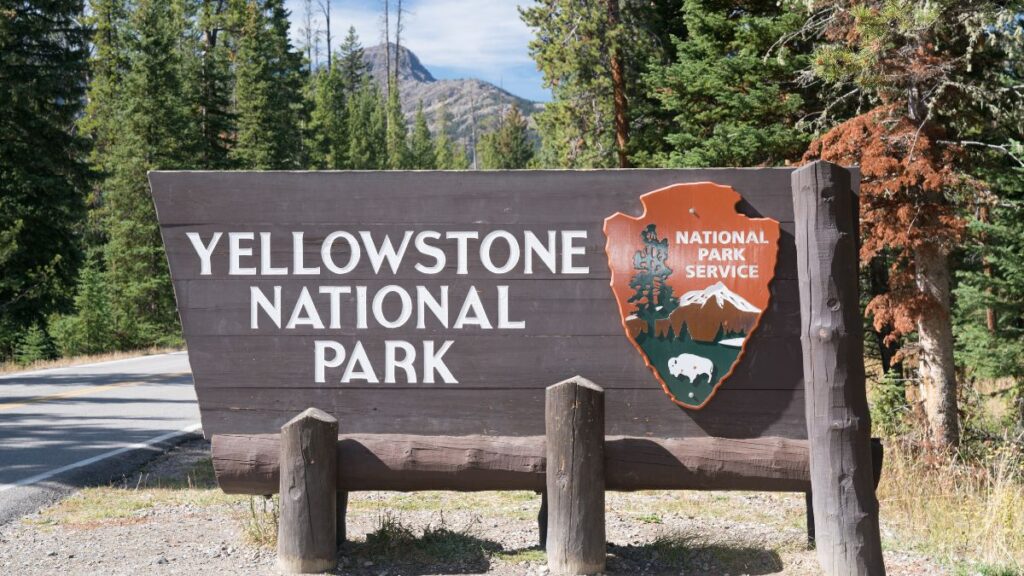
The Senior Pass is accepted at participating fee-charging sites managed by six federal agencies. These agencies oversee national parks, forests, wildlife refuges, and many other public recreation areas.
The participating agencies include:
- National Park Service
- U.S. Forest Service
- U.S. Fish and Wildlife Service
- Bureau of Land Management
- Bureau of Reclamation
- U.S. Army Corps of Engineers
This broad coverage means the pass can be useful even when a retiree does not live near a famous national park.
A nearby national forest, federal recreation area, or wildlife refuge may offer outdoor activities where the pass covers an entrance or standard day-use charge.
Popular National Parks Where the Pass Can Help
The Senior Pass is accepted for qualifying entrance fees at major national parks across the United States. These include Yellowstone, Yosemite, Grand Canyon, Zion, Rocky Mountain, and several other popular destinations.
However, some national parks require additional reservations or permits during busy periods. Having a Senior Pass does not automatically guarantee entry when a reservation system is in place.
It is also worth remembering that most National Park Service sites do not charge entrance fees. At locations that are already free, the pass may not create additional admission savings.
Camping Discounts Can Make the Pass Even More Valuable

Many retirees purchase the Senior Pass primarily for national park admission. However, camping discounts may provide even greater savings for people who enjoy spending several nights outdoors.
At participating federal campgrounds, the Senior Pass may provide a 50% discount on eligible camping fees. This can reduce the cost of weekend outings and longer camping trips.
Suppose a federal campground normally charges $30 per night and offers a qualifying 50% Senior Pass discount.
| Camping Stay | Regular Price | Discounted Price | Savings |
|---|---|---|---|
| 1 night | $30 | $15 | $15 |
| 3 nights | $90 | $45 | $45 |
| 5 nights | $150 | $75 | $75 |
| 7 nights | $210 | $105 | $105 |
| 10 nights | $300 | $150 | $150 |
These are illustrative calculations. Actual discounts and campsite prices depend on the campground, and reservation or other charges may still apply.
In this example, a seven-night stay could save $105. That would be more than the standard $80 purchase price of a lifetime Senior Pass.
However, not every campground offers the same discount. Some facilities are operated by private concessioners, and their fees may not qualify.
Does the Discount Apply to RV Camping?
Some federally operated campgrounds offer Senior Pass discounts that can benefit RV travelers. However, extra charges for electricity, water hookups, sewer connections, or other amenities may not receive the same reduction.
A retiree booking an RV campsite should verify which part of the advertised price qualifies for a discount. The campsite’s basic overnight fee and its additional service charges may be treated differently.
Money-saving tip: Before reserving a campsite, ask whether the Senior Pass discount applies to the selected site and what extra fees remain payable. This helps avoid unexpected costs at check-in.
What the National Park Senior Pass Does Not Cover

The Senior Pass provides useful savings, but it is not an all-inclusive travel package. Several common expenses remain outside its standard benefits.
Hotels, lodges, restaurants, gift shops, rental equipment, and most privately operated services generally charge their normal prices.
Special recreation permits and reservation fees may also require separate payments. Some guided activities offer eligible discounts, while others do not.
Visitors should not assume that purchasing the pass makes every activity inside a national park free.
For example, an entrance fee may be covered while a special tour, boat rental, or reservation still requires payment.
Understanding these limits allows retirees to prepare a realistic travel budget instead of relying on the pass to cover everything.
How to Get a National Park Senior Pass in 2026
Eligible seniors can purchase the pass in person, order a physical card online, or obtain an available digital version. Each option has advantages depending on when and how the pass will be used.
Buy the Pass in Person
Purchasing the pass at a participating federal recreation site is often the easiest option. Physical passes are available at more than 1,000 federal recreation locations across the country.
Bring acceptable identification and documentation confirming your age and citizenship or permanent residency. Once the required information is verified and payment is completed, you can generally receive the pass at the issuing location.
Buying in person can also help avoid the processing and shipping charges associated with ordering a physical pass through the mail.
However, not every federal recreation site sells passes. It is best to confirm availability before making a special trip.
Order a Physical Pass Online
The U.S. Geological Survey operates an official online store where eligible seniors can order physical Senior Passes.
The application requires the necessary eligibility documents, payment information, and delivery details. After verification, the physical card is mailed to the applicant.
Online physical-pass orders currently include a $5 document processing fee and a $7.50 handling fee.
| Pass Type | Base Price | Typical USGS Online Total |
|---|---|---|
| Annual Senior Pass | $20 | $32.50 |
| Lifetime Senior Pass | $80 | $92.50 |
These amounts reflect the standard published USGS charges in 2026. Optional expedited shipping and changes to processing fees may affect the final cost.
The National Park Service recommends allowing up to three weeks for a mailed pass to arrive. Order confirmations, receipts, photographs, and copies of physical passes cannot be used as substitutes for the actual card.
Get a Digital Senior Pass
Digital Senior Passes are available through Recreation.gov. This option allows eligible seniors to purchase a pass and save it to a compatible mobile device.
Unlike a physical card ordered through the mail, the digital version can be used immediately after purchase. This may be convenient for retirees planning a trip on short notice.
Visitors should make sure their digital pass is accessible when they arrive and carry valid photo identification.
Is the $80 Lifetime Senior Pass Worth Buying?
For many retirees, the lifetime pass can offer excellent long-term value. However, the answer depends on how often someone visits fee-charging federal recreation sites.
Consider a retiree who visits three national parks over several years. If each visit would otherwise require a $30 entrance fee, the pass could save $90 in regular admission charges.
That means the pass would already have provided more than its original $80 cost in avoided entrance fees.
| Qualifying Visits | Example Entrance Fee per Visit | Total Fees Avoided |
|---|---|---|
| 1 visit | $30 | $30 |
| 2 visits | $30 | $60 |
| 3 visits | $30 | $90 |
| 4 visits | $30 | $120 |
| 5 visits | $30 | $150 |
This is an example based on a hypothetical $30 entrance fee. Actual entrance prices and the value of the pass vary by destination.
Camping discounts could increase the savings further when available. A retiree who enjoys frequent campground stays may recover the purchase cost faster than someone who only visits national parks occasionally.
However, the lifetime pass is not automatically the best choice for everyone.
Someone who rarely travels and does not expect to visit participating federal recreation sites often may prefer the $20 annual option.
What Happens if You Lose Your Senior Pass?

A lost Senior Pass generally cannot be replaced for free. The National Park Service states that passes are nonrefundable, nontransferable, and cannot be replaced if lost or stolen.
If a physical lifetime pass disappears, its owner will generally need to purchase another pass. This makes careful storage especially important.
Keep the pass with other travel documents when preparing for trips, and store it in a secure location when it is not being used.
Do not rely on a photograph of the card as a replacement. Copies and photographs of physical passes are not accepted as valid passes.
What if You Already Have an Old Golden Age Passport?
Some older Americans still own a Golden Age Passport issued under an earlier federal recreation program. Although these passports are no longer sold, they remain valid under the applicable program rules.
People who already have a valid Golden Age Passport do not need to purchase a new Senior Lifetime Pass.
The National Park Service allows holders to exchange an existing Golden Age Passport for a current Senior Lifetime Pass without paying the normal $80 purchase price.
The exchange can be completed in person at a participating pass-issuing location. Bring the old passport and acceptable photo identification.
This can be helpful for retirees who purchased their original pass many years ago and are unsure whether it still works.
Can Married Couples Share One Senior Pass?

A married couple traveling together in one private vehicle generally does not need two Senior Passes for standard vehicle entrance fees. One qualifying passholder can provide admission coverage when present.
However, the pass remains the property of the eligible person whose name is associated with it. A spouse cannot use that person’s pass independently.
If both spouses qualify and regularly travel separately, buying individual passes may be worthwhile.
For example, two retirees who often take separate trips with friends could benefit from each having a valid Senior Pass.
The decision depends on how the couple travels rather than simply whether both partners are older than 62.
Does the Senior Pass Work at State Parks?
The National Park Senior Pass is designed for participating federal recreation sites. It does not automatically provide free admission to state parks, county parks, or city-managed recreation areas.
However, some states offer their own senior passes, discounted entrance fees, or reduced camping charges.
These programs operate separately from the federal Senior Pass. Their age requirements, costs, and benefits vary by state.
Retirees who spend more time exploring nearby state parks may benefit from comparing state-level discount programs with the federal pass.