
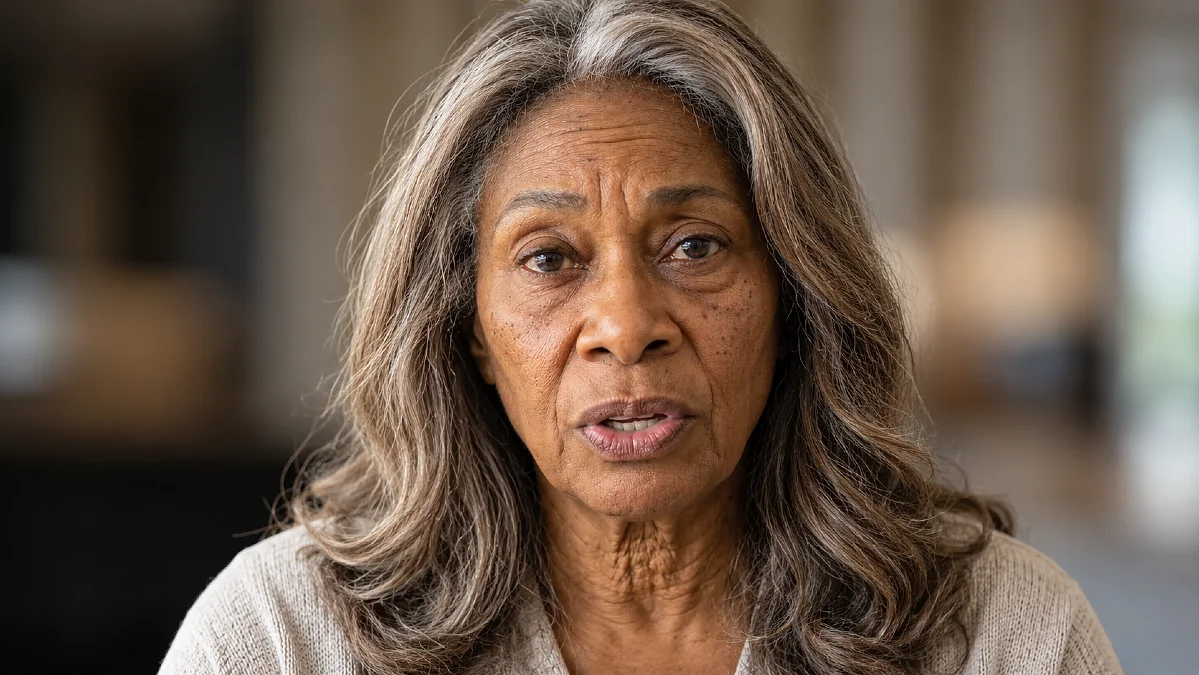
Finding love again after 65 can feel like an unexpected gift. But for women who have spent decades building a home, raising children, and saving for retirement, another marriage can bring questions that never mattered quite as much at 30 or 40.
A wedding might promise companionship while also changing financial responsibilities, inheritance plans, and personal freedom. Some women discover these concerns only after making commitments that are difficult to reverse.
Before saying yes, there are 12 things worth considering. Understanding them can help women protect what they have built while remaining open to a loving relationship.
1. Is She Marrying for Love or Because She Fears Being Alone?
After losing a husband or going through a divorce, loneliness can feel overwhelming. The silence of an empty house, eating dinner alone, and having nobody to share everyday news with can make another relationship especially appealing.
Friends and family sometimes add pressure without realizing it. Adult children may worry about their mother living alone, while relatives might encourage her to find someone who can provide companionship and security.
But there is an important difference between wanting a particular person and wanting someone to fill an empty space. A woman can enjoy dating and companionship without necessarily wanting to become a wife again.
After 65, some women discover that living independently gives them a freedom they never experienced during earlier marriages. They enjoy choosing their schedules, maintaining friendships, and making decisions without seeking another person’s approval.
Before accepting a proposal, it helps to ask whether marriage would genuinely improve daily life. If the strongest motivation is fear of loneliness or pressure from other people, taking more time may be the wisest decision.
2. His Financial Past Could Affect Her Retirement Security

A man who appears financially comfortable may still have obligations that are not immediately visible. A pension, a nice home, and a reliable vehicle do not necessarily reveal how much money he owes or how he manages his finances.
He might be carrying credit card balances, personal loans, unpaid taxes, or financial commitments to adult children. These responsibilities do not make him a bad partner, but they can affect the household budget after marriage.
For women who have spent decades carefully saving, financial transparency becomes an important part of trust. Knowing what each person owns and owes helps prevent unpleasant surprises.
Marriage does not automatically make one spouse responsible for every debt the other accumulated before the wedding. However, state property laws, jointly signed accounts, shared borrowing, and certain obligations can create financial exposure.
| Financial Question | Why It Matters |
|---|---|
| Does he have outstanding debt? | Monthly payments could affect shared expenses |
| How much retirement income does he receive? | Helps establish a realistic household budget |
| Does he financially support relatives? | Existing commitments may continue after marriage |
| Does he have unpaid taxes? | Tax problems deserve attention before combining finances |
| How much does he have in savings? | Reveals his ability to handle unexpected expenses |
| Are his finances separate from yours? | Helps clarify ownership and responsibility |
Discussing money before marriage is not selfish or unromantic. It is a practical way for two adults to understand the responsibilities they are choosing to share.
A partner who values the relationship should be willing to discuss these matters respectfully. Repeated secrecy, pressure to combine accounts, or anger over reasonable questions deserves careful attention.
3. The Home She Owns May Need Special Protection

For many older women, their home represents decades of effort. They may have worked alongside a previous spouse to pay off the mortgage, maintained the property through difficult years, and finally reached retirement without a housing payment.
That security can feel too valuable to put at unnecessary risk. When a new husband moves into the home, questions about ownership, expenses, and inheritance become especially important.
A house owned before marriage does not automatically become equally owned by both spouses. However, laws governing marital property, surviving spouses, and divorce can affect certain rights to the property.
Adding a new husband’s name to the deed is another decision that should never be rushed. Changing ownership can create legal consequences that are difficult to reverse later.
Couples should discuss who will pay property taxes, insurance, repairs, and maintenance. They should also decide what happens if one spouse dies, the marriage ends, or either person eventually needs assisted living.
A prenuptial agreement or carefully prepared estate plan may help clarify these questions. The appropriate arrangement depends on state law, financial circumstances, and each person’s wishes.
Protecting a home does not mean expecting a marriage to fail. It means recognizing that the property may represent financial security that took an entire working life to build.
4. Social Security and Pension Benefits Deserve a Second Look

Retirement income often comes from several sources, including Social Security, pensions, investment accounts, and benefits connected to a previous marriage. Remarrying can affect some of these payments, making it important to understand the rules before the wedding.
One common fear involves Social Security survivor benefits. Under federal rules, a widow who remarries after age 60 generally remains eligible for survivor benefits based on her deceased spouse’s earnings record.
However, benefits based on a living former spouse can be treated differently. Supplemental Security Income may also change because a new husband’s income and resources can affect eligibility.
Pensions require separate attention because each plan may have its own rules. Some survivor benefits continue after remarriage, while others include restrictions or conditions.
| Retirement Benefit | What Remarriage May Mean |
|---|---|
| Social Security based on her own work record | Generally continues |
| Widow’s survivor benefits after age 60 | Generally remain available |
| Divorced spouse benefits based on a living former spouse | Generally end upon remarriage |
| Supplemental Security Income | Could decrease or stop |
| Previous spouse’s pension survivor benefits | Depends on the pension plan |
| Income-based assistance | May change with household income and resources |
A woman receiving survivor benefits should verify how remarriage would affect her particular situation. The same applies to pensions, especially when those payments cover a substantial portion of monthly expenses.
Marriage can also create access to certain benefits through a new spouse. The best decision comes from comparing the actual financial outcomes rather than assuming marriage will always increase or decrease retirement income.
5. Her Children’s Inheritance Could Become More Complicated

Many women enter retirement with clear wishes about what should happen to their belongings after death. They may want their children to inherit the family home, divide retirement savings, or keep meaningful possessions within the family.
Remarriage introduces another person with potential legal rights. A new husband may also have children from an earlier relationship, creating two families with different expectations.
A will may not always settle every question. Depending on state law, a surviving spouse may have rights to certain assets even when an older estate plan leaves those assets to children.
Retirement accounts and life insurance policies can introduce additional complications. Beneficiary designations, spousal protections, and account rules may determine who receives money regardless of what an outdated will says.
| Asset or Document | What to Review Before Marriage |
|---|---|
| Family home | Ownership and inheritance arrangements |
| Retirement accounts | Beneficiary designations and spousal rights |
| Life insurance | Who receives the death benefit |
| Savings and investments | Individual or joint ownership |
| Existing will | Whether it still reflects current wishes |
| Trust documents | How a spouse and children will be provided for |
| Power of attorney | Who can make financial decisions if needed |
These questions become particularly sensitive when the property was built through decades of work with a deceased spouse. Adult children may feel emotionally attached to the home or concerned about losing something their parents intended to leave behind.
Still, a woman’s assets remain part of her own financial life, and she has the right to make decisions about them within the law. Children deserve honest communication, but they do not automatically have the right to control their mother’s romantic future.
A properly designed estate plan can often balance several goals. It may provide security for a new husband while protecting assets intended for children and grandchildren.
6. She Could Become a Full-Time Caregiver Again
Marriage after 65 brings a reality that younger couples may not think about as often. Serious illness, disability, and increasing care needs can change a relationship more quickly than either partner expects.
A woman may marry an active man who enjoys traveling, walking, and attending social events. Several years later, a stroke, dementia diagnosis, or another medical condition could leave him needing substantial assistance.
Suddenly, daily life might involve managing medications, preparing special meals, arranging transportation, and attending frequent medical appointments. She may also have to help with bathing, dressing, or other personal activities.
For a woman who previously cared for an ill husband or aging parent, these responsibilities may bring back difficult memories. Some have already spent years providing care while putting their own needs aside.
That does not mean an older woman should avoid marrying someone who has health problems. It means couples should discuss what support would be available if either partner needed considerable care.
| Possible Health Challenge | Planning Question |
|---|---|
| Serious illness | Who will help with everyday care? |
| Loss of mobility | Can the home accommodate changing needs? |
| Frequent appointments | Who will provide transportation? |
| Dementia or memory problems | Who will manage medical and financial decisions? |
| Long-term care needs | How will professional assistance be funded? |
| Both spouses need help | Who can coordinate outside support? |
Professional caregivers, family support, savings, and appropriate insurance may form part of a realistic plan. Medicare generally does not cover long-term custodial nursing home care, so understanding the available options matters.
There is also another question that deserves equal attention. If she becomes seriously ill first, will her new husband be willing and able to care for her?
A healthy marriage involves concern for both people’s future needs. Neither partner should assume the woman will automatically carry every caregiving responsibility.
7. Giving Up Personal Freedom May Be Harder Than Expected

After decades of marriage, some women discover how much they appreciate having control over their everyday lives. They can choose when to get up, what to eat, where to travel, and how they want to spend a quiet afternoon.
These freedoms may seem ordinary to someone who has always lived independently. For a woman who spent much of her adult life accommodating a husband, children, and household responsibilities, they can feel deeply meaningful.
A new relationship naturally requires compromise. The difficulty begins when one partner repeatedly expects the other to rearrange everything to accommodate his preferences.
Perhaps she enjoys attending a weekly book club, but her boyfriend complains whenever she leaves the house. Maybe she has recently discovered painting or gardening, yet he expects her to spend most of her free time entertaining him.
Over time, small changes can become a pattern. She may gradually spend less time with friends, abandon hobbies, or stop doing things she once enjoyed.
This does not have to happen in a second marriage. Couples can maintain separate interests, spend time with different friends, and respect each other’s need for personal space.
Before remarrying, a woman should think carefully about which parts of her current life she wants to preserve. A supportive partner should be interested in protecting those things rather than treating them as obstacles to the relationship.
8. Adult Children May Have Concerns She Cannot Ignore

Adult children often have complicated feelings when an older parent decides to remarry. Some feel relieved that their mother has companionship, while others worry about her finances, safety, and relationship with the family.
These concerns may become stronger when the new partner has been around for only a short time. A daughter might worry about changes to the family home, while a son may wonder whether his mother’s retirement savings are adequately protected.
Not every concern is financial. Children may also struggle with the emotional reality of seeing someone new occupy a place once held by their father.
A woman does not need her adult children’s permission to remarry. However, listening to specific concerns may reveal practical questions that deserve attention.
It helps to separate emotional discomfort from legitimate financial or safety concerns. A child disliking the idea of a new marriage is different from noticing suspicious behavior or discovering that major documents have been changed without proper explanation.
Couples should also discuss how the new husband will fit into existing family relationships. He should not expect his wife to abandon her children, grandchildren, friends, or longstanding traditions.
Likewise, adult children should respect their mother’s right to happiness and companionship. Clear boundaries and honest conversations can make a blended family easier for everyone.
9. Living Together Can Reveal Habits Dating Never Exposed

Dating someone for several months does not necessarily show what marriage will feel like. During courtship, couples often see each other at their best, enjoying restaurants, social events, and pleasant conversations.
Sharing a home introduces an entirely different set of routines. Bedtimes, television habits, household cleanliness, food preferences, visitors, and spending decisions suddenly become shared concerns.
A woman accustomed to a quiet house might discover that her husband prefers constant television or frequent guests. Someone who values independence may feel uncomfortable if her partner expects every meal and activity to happen together.
These differences may sound minor, but repeated disagreements can affect everyday happiness. Retirement often means spending more hours together, leaving fewer natural breaks than couples experienced during their working years.
Financial arrangements can also create tension. If one person owns the home and the other moves in, both should understand how housing expenses and maintenance responsibilities will be handled.
Some couples keep separate bank accounts while contributing agreed amounts toward common expenses. Others combine part of their finances but maintain personal savings for independent purchases.
Whatever arrangement they choose, both partners should understand it before marriage. Clear expectations can prevent ordinary differences from becoming lasting sources of resentment.
10. Marriage Can Change Taxes and Financial Assistance

Combining two households may reduce certain expenses. Couples might share utility bills, groceries, transportation costs, and housing expenses rather than maintaining separate homes.
However, lower household expenses do not automatically mean greater financial security. Marriage can also affect taxes and eligibility for some assistance programs.
Married couples generally choose between filing federal taxes jointly or separately. Their combined income, deductions, and other financial circumstances determine which approach makes sense.
A joint tax return can provide advantages in some situations, but both spouses may also become responsible for the return’s tax liabilities. That makes reviewing outstanding tax problems before marriage particularly sensible.
Women receiving income-based benefits should consider how a spouse’s income and resources may affect eligibility. Some Medicaid programs, Supplemental Security Income, Medicare Savings Programs, and prescription assistance programs use financial rules that can change after marriage.
Ordinary Medicare coverage does not automatically disappear because someone remarries. Still, income-related premiums and financial assistance may be affected depending on the circumstances.
A tax professional can compare the couple’s current situation with their expected financial position after marriage. This may reveal costs or benefits that were not obvious when they first discussed sharing a home.
The main lesson is that two retirement incomes do not automatically create a better financial outcome in every situation. The details deserve attention before making a permanent legal commitment.
11. How He Handles Boundaries May Reveal His True Character
A new relationship can feel wonderful after years of loneliness or grief. Having someone express affection, remember special occasions, and show interest in everyday life may restore feelings a woman thought she would never experience again.
But kindness during courtship is only one part of a healthy relationship. How someone responds to disagreement, disappointment, and reasonable boundaries can reveal much more.
A woman should feel comfortable asking financial questions, requesting additional time before marriage, and maintaining her existing relationships. She should not have to prove her love by giving up control over money or personal decisions.
Certain behaviors deserve particular attention, especially when they appear repeatedly.
- Pressuring her to marry before she feels ready.
- Asking for access to savings or financial accounts without clear reasons.
- Becoming angry when she requests legal advice.
- Criticizing friends and relatives who raise reasonable concerns.
- Discouraging her from spending time with people she trusts.
- Insisting she change her will or beneficiary information immediately.
- Making her feel guilty for wanting independence.
One disagreement does not automatically mean a relationship is unhealthy. However, a pattern of pressure, intimidation, financial secrecy, or isolation can signal serious problems.
A considerate partner should want both people to feel comfortable with the decision to marry. That includes allowing time to consult professionals and discuss difficult subjects.
Women who feel rushed should remember that they are allowed to slow down. A relationship worth preserving should be able to survive reasonable questions and thoughtful planning.
12. She May Want Companionship Without Another Legal Marriage

One of the most meaningful realizations a woman can have after 65 is that companionship and marriage are not necessarily the same thing. She can love someone, enjoy a committed relationship, and build shared memories without automatically needing a marriage certificate.
Some couples prefer living in separate homes. They spend weekends together, celebrate holidays, travel, and support each other while maintaining individual routines and finances.
Others choose to live together without legally marrying. This arrangement can offer daily companionship, although it also requires planning around housing, property ownership, healthcare decisions, and inheritance.
Legal marriage offers advantages that unmarried relationships may not provide automatically. Spousal rights, certain benefits, and legal recognition can make marriage the preferred choice for some older couples.
| Relationship Arrangement | Potential Advantages | Matters to Consider |
|---|---|---|
| Legal marriage | Legal recognition and potential spousal protections | Finances, taxes, inheritance, and household responsibilities |
| Committed relationship with separate homes | Companionship and personal independence | Cost of maintaining two households |
| Living together unmarried | Shared daily life without becoming legally married | Property, healthcare, and estate planning |
| Dating without combining households | Flexibility and personal space | Less automatic everyday support |
| Remaining single | Independence and control over personal decisions | Maintaining meaningful social connections |
Unmarried couples may need legal documents to establish rights that spouses sometimes receive automatically. Powers of attorney, healthcare directives, wills, and property agreements can help protect both people.
The best arrangement depends on what the individuals actually want. There is no requirement that a meaningful relationship must eventually lead to marriage.
For some women, marriage provides comfort and security. For others, keeping separate homes and personal finances allows them to enjoy love without giving up the independence they value.