
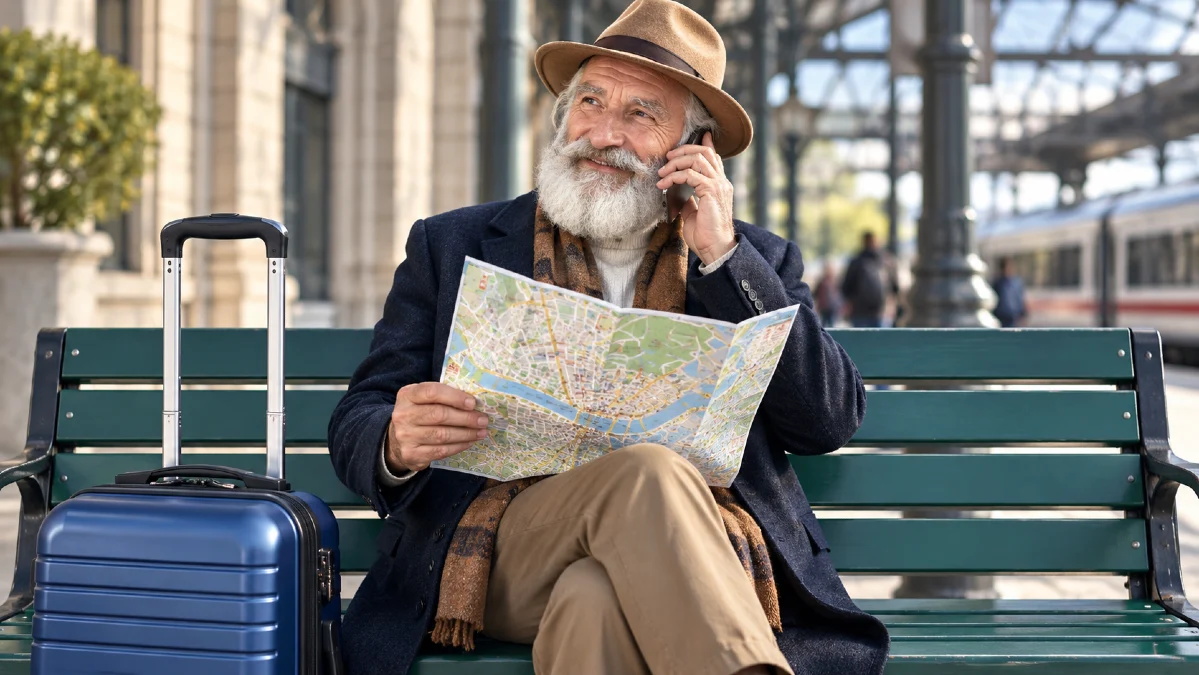
Traveling alone after 65 can be one of the most rewarding ways to enjoy retirement, but it can also bring worries that were easier to ignore at a younger age.
Questions about personal safety, health, transportation, and loneliness may make even an exciting trip feel uncertain. The good news is that solo travel does not require perfect health, endless energy, or years of experience.
With thoughtful planning and realistic expectations, older adults can enjoy new places while keeping the comfort, freedom, and independence they value.
1. Start With a Short Trip Before Planning a Big Adventure

One of the easiest ways to build confidence is to begin with a destination that feels manageable. A three or four day trip to a nearby city, coastal town, or peaceful countryside hotel can teach you plenty about traveling independently.
You get to practice booking transportation, checking into accommodations, finding meals, and exploring without depending on another person.
Starting small also helps you discover what makes travel comfortable at this stage of life. Perhaps you prefer direct flights, quieter hotels, afternoon sightseeing, or a slower morning routine. Learning these preferences during a short getaway can prevent expensive mistakes when planning a longer vacation.
There is no need to make your first solo trip impressive. A few enjoyable days away from home can provide more confidence than an ambitious itinerary that leaves you exhausted. The real goal is returning home feeling capable and excited about another trip.
2. Choose Destinations That Match Your Energy and Mobility

An attractive destination is not always a comfortable destination, especially when traveling alone. Beautiful hillside towns may involve steep streets, historic hotels may lack elevators, and popular attractions can require long periods of standing.
Looking beyond photographs helps you understand what daily life will actually feel like once you arrive.
Consider how far your hotel sits from restaurants, transportation, and places you want to visit. A walkable neighborhood with convenient transportation may be worth paying slightly more for, particularly if it reduces the need for complicated transfers. Reliable medical services and predictable weather also deserve attention.
| Destination Feature | Why It Matters After 65 |
|---|---|
| Walkable neighborhood | Makes meals and sightseeing easier |
| Reliable transportation | Reduces uncertainty when traveling alone |
| Accessible accommodations | Helps manage stairs and physical limitations |
| Nearby medical facilities | Provides reassurance if health concerns arise |
| Mild weather | Makes outdoor activities more comfortable |
| Clear tourist information | Helps with directions and local arrangements |
A destination should fit your present abilities rather than the abilities you remember having twenty years ago. Choosing comfort does not mean giving up adventure. It simply creates better conditions for enjoying the experience.
3. Build a Flexible Schedule Instead of Filling Every Hour

One of the greatest benefits of solo travel is having complete control over your time. There is no companion insisting on another museum, an early breakfast, or a long walk when you would rather rest. Taking advantage of this freedom can make your vacation more satisfying.
Plan one or two meaningful activities each day instead of trying to visit every attraction. Leave room for a relaxed lunch, an unexpected conversation, or an afternoon spent enjoying the view. Keeping your first day especially light can help you settle in after a tiring flight or train ride.
A comfortable daily schedule might look like this:
| Time | Suggested Activity |
|---|---|
| 8:00–9:00 AM | Relaxed breakfast and morning preparation |
| 9:30–11:30 AM | Main sightseeing activity |
| 12:00–1:30 PM | Lunch and a short break |
| 2:00–4:00 PM | Optional museum, scenic walk, or rest |
| 5:00–6:30 PM | Return to hotel and recharge |
| Evening | Dinner nearby and a quiet activity |
This is only an example, not a schedule that must be followed. Some travelers prefer active mornings, while others feel their best later in the day. The important part is giving yourself permission to change plans without feeling that you have wasted the trip.
4. Book Accommodations That Make Daily Life Easier

The cheapest hotel room can become expensive in other ways if it requires long walks, difficult transportation, or uncomfortable surroundings. After 65, convenience may be worth more than extra space or fancy decorations. A comfortable location can make everyday decisions easier when there is nobody sharing the planning.
Before booking, look for details about elevators, bathroom safety, lighting, reception hours, and nearby restaurants. Read recent guest reviews for comments about noise, cleanliness, and the surrounding neighborhood. If you need an accessible shower or step free entrance, contact the property to confirm the exact arrangement.
A hotel with a staffed front desk may offer additional reassurance for someone traveling independently. Staff can often help arrange reliable transportation, explain local routes, or assist when something unexpected happens. Having a familiar place to return to each evening can make an unfamiliar city feel much more comfortable.
5. Make Airport and Transportation Arrangements in Advance

Airports and train stations can be stressful because they involve crowds, luggage, directions, and strict departure times. Traveling alone means handling these details independently, but advance preparation can remove much of the pressure.
Direct flights and manageable connection times are often worth considering, even when another ticket costs less.
If a disability or mobility limitation makes long distances difficult, contact the airline about wheelchair or guided assistance. U.S. airlines generally provide disability related assistance, and advance notice is helpful even though it is not required for most accommodations.
Travelers with medical conditions or disabilities can also contact TSA Cares for guidance about airport security screening.
For local transportation, identify how you will reach your hotel before landing. Research official airport taxis, reliable shuttle services, or public transportation routes instead of making decisions while tired. Whenever practical, arriving during daylight can make finding your way around a new destination less stressful.
6. Pack Light Without Leaving Behind Important Essentials
Heavy luggage is one of the simplest ways to make solo travel more difficult. Carrying a large suitcase up stairs, through crowded stations, or across uneven sidewalks can drain energy before the day begins. Choosing lighter luggage with dependable wheels and comfortable handles can make a noticeable difference.
Pack clothing that works in several combinations rather than bringing a completely different outfit for every day. Comfortable walking shoes, weather appropriate layers, and a small bag for daily outings are often more useful than extra formal clothing.
Laundry facilities or hotel laundry services can also help reduce the amount you need to bring.
Keep prescription medicines, important documents, valuables, essential medical supplies, and a change of clothes in your carry on bag. This protects important items if checked luggage is delayed. A printed copy of your hotel address and emergency contacts is also useful if your phone becomes unavailable.
Practical comfort tip: Before leaving home, take a short walk while carrying your packed luggage. If managing it feels difficult, remove unnecessary items or arrange baggage assistance rather than hoping the problem will disappear during the trip.
7. Prepare for Health Needs Before Leaving Home

Many older adults travel comfortably while managing conditions such as arthritis, diabetes, or high blood pressure. The important part is preparing for your own health needs rather than assuming that a change of location will not affect daily routines.
Travel can involve different meal times, unfamiliar foods, prolonged sitting, and changes in sleep.
For international trips, the CDC recommends consulting a healthcare professional or travel health specialist around four to six weeks before departure.
This provides time to discuss destination specific vaccines, medications, and relevant health concerns. Travelers with ongoing medical conditions should also ask whether planned activities or long flights require special precautions.
Keep medicines in their original labeled containers, and carry enough for the trip plus a reasonable reserve for delays when permitted. Check whether each medicine is legal at your destination, especially when traveling internationally. If you cross time zones, ask your healthcare professional how to adjust medication schedules safely.
It is also sensible to identify a nearby medical facility before arrival. Knowing where to seek help can reduce stress if an unexpected problem develops. Preparation is not about expecting something to go wrong; it is about making unexpected situations easier to manage.
8. Understand Travel Insurance Before Paying for Your Trip
Travel insurance deserves careful attention when traveling independently after 65. A missed connection, sudden illness, injury, or emergency return home can create unexpected expenses. Without another person traveling beside you, dependable assistance services may become especially useful.
For international travel, remember that Original Medicare generally does not cover healthcare outside the United States, apart from limited exceptions. Certain Medigap policies may provide some foreign travel emergency coverage.
Never assume that your regular insurance will pay for treatment abroad without checking your specific benefits.
| Coverage Type | What to Check |
|---|---|
| Emergency medical care | Medical coverage limits and exclusions |
| Medical evacuation | Whether transport to suitable medical care is included |
| Trip cancellation | Which reasons qualify for reimbursement |
| Trip interruption | Costs covered when a trip ends early |
| Baggage protection | Coverage for lost or delayed belongings |
| Existing medical conditions | Whether exclusions or waivers apply |
Read the full policy rather than relying on a short advertisement. Some plans have age related rules, medical exclusions, or strict conditions for cancellation benefits. Choosing suitable coverage can protect both your savings and your peace of mind.
9. Stay Connected Without Giving Up Your Independence

Solo travel offers privacy and freedom, but someone you trust should still know your general plans. Share your flight details, accommodation information, and travel dates with a family member or dependable friend. Agree on a reasonable check in schedule so missed messages do not create unnecessary worry.
A working phone is one of the most useful travel tools. Before departure, check international roaming costs, available mobile data options, and whether your device will work in the destination country. Downloading offline maps and saving hotel information can help when internet service is unreliable.
For Americans traveling overseas, the State Department’s Smart Traveler Enrollment Program, known as STEP, provides destination related safety alerts and can help U.S. embassies contact travelers or their emergency contacts during emergencies.
Keep local emergency numbers and embassy contact information available as well. Technology is helpful, but a small paper backup remains worthwhile.
10. Protect Your Money, Documents, and Personal Information
Traveling alone requires extra awareness of important belongings because there is no companion watching your bag while you look for directions. Simple habits can reduce the chance of theft, loss, or financial trouble. Keep your passport, money, and phone secure without making yourself so anxious that you stop enjoying the trip.
Carry more than one payment method, and keep backup cards separate from your main wallet. Check foreign transaction fees before leaving and use established banks or trustworthy cash machines when possible. Avoid carrying large amounts of cash unless your destination makes it necessary.
Be cautious when strangers offer unexpected help with money, transportation, or travel bookings. Verify prices and arrangements through official businesses rather than responding to pressure from someone you have just met.
It is also wise to avoid publicly sharing your exact accommodation details or announcing that your room is empty.
Save copies of important travel documents in a secure location separate from the originals. If a wallet or passport goes missing, having the relevant information available may make reporting the loss and arranging replacements easier. Small precautions protect your freedom to focus on the enjoyable parts of travel.
11. Find Comfortable Ways to Meet People Along the Way
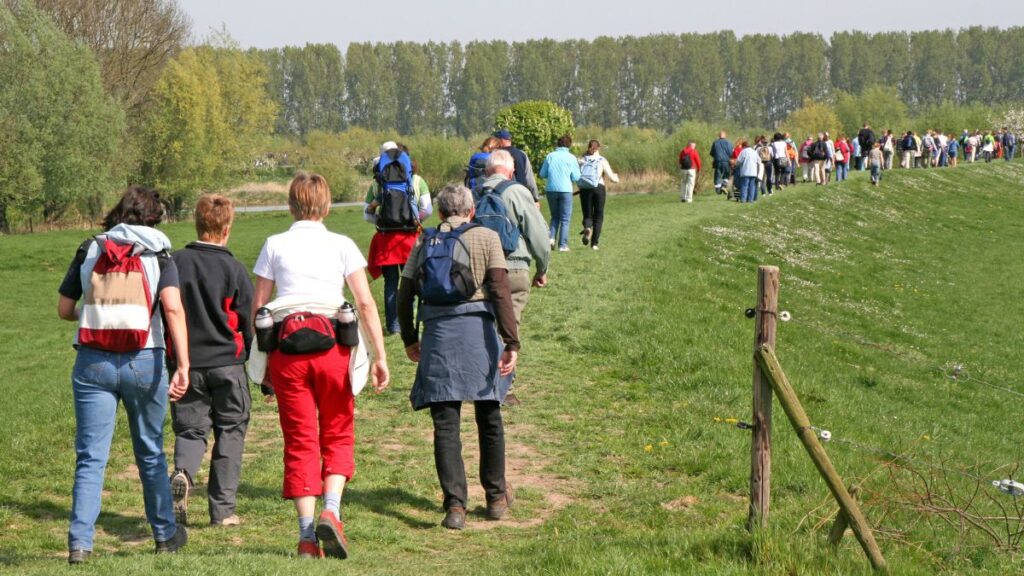
Traveling solo does not mean spending every moment alone. Many older travelers enjoy meeting people during walking tours, cooking classes, museum visits, or organized day trips. These activities can provide conversation without requiring you to coordinate an entire vacation with another person.
Small group tours can be particularly useful when visiting places that are difficult to reach independently. They may also provide transportation and a planned schedule while allowing you to return to your own accommodation afterward.
Look for activity levels and walking requirements before booking rather than assuming every tour will be suitable.
At the same time, there is nothing wrong with enjoying your own company. Reading in a café, sitting in a public garden, or exploring a museum quietly can be just as satisfying as joining a group. The goal is to choose social contact when it adds something to your day, not because traveling alone must be treated as a problem.
If loneliness becomes uncomfortable, try arranging a short phone call with someone at home or joining a structured local activity. A little familiar conversation can make an unfamiliar place feel warmer. You can remain independent while still appreciating human connection.
12. Trust Your Comfort Level and Give Yourself Permission to Change Plans

Confidence in solo travel does not mean saying yes to every opportunity. It means recognizing what feels reasonable, understanding your limits, and making decisions without needing somebody else’s approval. Sometimes the wisest choice is skipping a crowded attraction, taking a taxi, or spending an afternoon resting.
Pay attention when a situation feels unsafe or physically overwhelming. You do not owe strangers an explanation for declining an invitation, leaving an uncomfortable place, or changing your route. Asking hotel staff for assistance or choosing a more convenient option is a practical decision, not a loss of independence.
Travel confidence often grows through ordinary successes. Finding your hotel without trouble, enjoying dinner alone, managing public transportation, or meeting someone new can all make the next unfamiliar experience feel easier.
These small achievements deserve recognition because they remind you how much you can still do.
Perhaps the greatest advantage of solo travel after 65 is deciding what a meaningful day looks like for yourself. There is no requirement to keep pace with younger travelers or recreate the vacations you took decades earlier. Your own interests, comfort, and curiosity are enough to shape a rewarding experience.
A Simple Checklist Before Your First Solo Trip
Good preparation does not require complicated planning. A few organized steps can make the difference between a stressful departure and a comfortable beginning.
| When | What to Do |
|---|---|
| 6–8 weeks before | Research the destination, travel documents, insurance, and health requirements |
| 4–6 weeks before | Arrange a healthcare or travel medicine consultation when appropriate |
| 3–4 weeks before | Confirm accommodations, transportation, and accessibility needs |
| 1–2 weeks before | Review medications, payment methods, luggage, and emergency contacts |
| 2–3 days before | Check travel updates, weather, reservations, and phone access |
| Departure day | Allow extra time, keep essentials accessible, and follow a comfortable schedule |
This schedule is a planning example, not a guarantee that every travel requirement can be completed within these periods. Passports, visas, and certain medical preparations may require additional time. Checking requirements early gives you more options when plans need adjusting.