

On Monday morning, the alarm stays silent. For the first time in decades, there is no office to reach, no meeting to attend, and no regular paycheck waiting at the end of another workweek. That freedom can feel wonderful, but it can also make ordinary decisions surprisingly difficult.
During the first week of retirement, small choices begin shaping spending habits, daily routines, and family expectations.
A few rushed decisions about insurance, retirement withdrawals, or commitments can create problems that last long after the celebration ends.
1. Give Yourself Seven Days Without Outside Pressure

The first change is surprisingly simple. Do not immediately fill every empty hour with activities, family obligations, travel plans, and promises to help other people.
After years of working, having control over an entire week may feel unfamiliar. Friends might suggest trips, relatives may ask for favors, and former coworkers might want to celebrate your departure.
There is nothing wrong with enjoying those invitations. The problem begins when other people start deciding how your retirement time will be spent before you have decided for yourself.
Try this during week one: Leave several blocks of time completely open. Before accepting a regular commitment, ask whether it is something you genuinely want to do or simply something you now have time to do.
This distinction becomes important when family members assume retirement means unlimited availability. Helping with grandchildren or supporting relatives can be rewarding, but recurring obligations deserve an honest conversation.
Retirement creates freedom from an employer’s schedule. It should not automatically replace that schedule with everyone else’s priorities.
2. Replace the Work Alarm With a Simple Morning Routine

Many new retirees focus on the financial side of leaving work but overlook what happens to their mornings. For decades, the alarm clock, commute, and work responsibilities provided structure without requiring much thought.
Suddenly, those familiar routines disappear. Sleeping late might feel wonderful initially, but an entire week without any structure can leave some people feeling restless.
The answer is not to recreate a working schedule. It is to establish one or two small habits that make the morning feel purposeful.
A short walk, breakfast at a regular time, reading the newspaper, or tending to a garden can provide a useful starting point. None requires spending much money or making a major commitment.
Here is one example of how the first week could unfold.
| Day | Small Change | Purpose |
|---|---|---|
| Monday | Enjoy an unhurried morning | Adjust to leaving work |
| Tuesday | Take a 20-minute walk | Establish a daily activity |
| Wednesday | Review household expenses | Understand spending |
| Thursday | Organize financial paperwork | Reduce future confusion |
| Friday | Meet a friend for coffee | Maintain social connections |
| Saturday | Enjoy a favorite hobby | Explore personal interests |
| Sunday | Plan the next week loosely | Balance structure and freedom |
This is only an example, not a schedule that every retiree should follow. The important lesson is to give the week some shape while protecting enough free time to enjoy it.
Small change: Keep one familiar morning habit and introduce one enjoyable new activity. Give yourself several weeks before deciding whether the routine works.
3. Start Tracking What Retirement Actually Costs

One of the most important changes in retirement happens quietly. Money stops arriving through a regular salary, but household expenses continue much as they did before.
Many people enter retirement with a budget based on estimates rather than their actual spending. Those estimates may overlook irregular medical bills, home repairs, travel, insurance premiums, and small purchases.
Consider an expense that exceeds the retirement budget by just $15 a day. Over a full year, that difference becomes $5,475.
That amount may not threaten someone’s retirement by itself. However, it shows why even small gaps between planned and actual spending deserve attention.
Here is a hypothetical monthly retirement budget.
| Expense Category | Monthly Cost | Annual Cost |
|---|---|---|
| Housing and utilities | $2,100 | $25,200 |
| Food and transportation | $850 | $10,200 |
| Healthcare and insurance | $600 | $7,200 |
| Travel and entertainment | $500 | $6,000 |
| Irregular expense reserve | $450 | $5,400 |
| Total | $4,500 | $54,000 |
Suppose this household receives $3,500 in monthly retirement income available for spending after tax withholding. It would need another $1,000 per month, or $12,000 annually, from savings or other sources.
That shortfall is not necessarily a problem if it fits a sustainable retirement income plan. The important point is knowing the number before spending becomes automatic.
Small change: Start a 30-day spending record during your first week. Include fixed expenses, groceries, transportation, healthcare, subscriptions, and discretionary purchases.
Continue tracking for at least three months, preferably six, to capture more of your new spending habits. Irregular annual expenses should be recorded separately so they do not disappear from the budget.
4. Create a Retirement Paycheck System

While working, most people organize their finances around payday. Money arrives, bills get paid, and the remaining balance is available for everyday spending.
Retirement changes that arrangement, especially when income comes from several sources. Social Security, pensions, savings accounts, and investment withdrawals may all have different payment schedules.
A useful first-week change is to create a retirement paycheck system. This means choosing a checking account for household expenses and deciding how much money should arrive there each month.
For example, imagine a retired household that needs $4,500 monthly. If Social Security and pension income provide $3,500 after applicable withholding, the remaining $1,000 must come from another planned source.
Instead of making random withdrawals whenever the checking balance becomes low, the household could arrange a regular transfer from a designated spending account. Investment sales and replenishment of that account should follow a separate withdrawal plan.
This approach makes retirement income easier to manage. It also helps retirees distinguish between money intended for ordinary living expenses and money reserved for future needs.
Small change: Write down the dates when each income payment arrives and when major bills are due. Then identify any gaps between those dates.
Do not begin automatic IRA withdrawals until the tax implications and withdrawal strategy are clear. A convenient transfer schedule is useful only when the underlying financial plan makes sense.
5. Give Your Cash Savings Three Different Jobs
A retiree might have $50,000 sitting in savings and still feel uncertain about whether that money is available to spend. The uncertainty often comes from treating all cash as one large balance.
In reality, cash serves different purposes in retirement. Some money pays current bills, some covers emergencies, and some is intended for expenses that are already expected.
Separating these purposes can make decisions clearer without requiring complicated investment products.
Consider a hypothetical household with $3,550 in monthly essential expenses.
| Cash Category | Example Amount | Intended Purpose |
|---|---|---|
| Monthly spending cash | $4,500 | Regular household expenses |
| Emergency reserve | $21,300 | Six months of essential costs |
| Planned purchase savings | $5,000 | Future car or home expense |
| Total | $30,800 | Three separate needs |
The emergency amount is calculated by multiplying $3,550 in essential monthly expenses by six. That is an illustration, not a universal recommendation for every retired household.
A retiree with reliable pension income and low fixed expenses may need a different reserve than someone relying heavily on investment withdrawals. Healthcare costs, insurance deductibles, and major planned purchases also affect the appropriate cash balance.
Keeping money set aside for emergencies can reduce the chance of having to sell investments unexpectedly to pay a repair bill. However, holding too much cash also has a cost because its purchasing power can be reduced by inflation.
Small change: Label your existing cash balances according to their purpose. Even a simple written breakdown can help prevent money intended for emergencies from becoming ordinary spending money.
6. Confirm Your Health Insurance Before Anything Else

A missing paycheck is usually obvious. A gap in health insurance coverage can remain unnoticed until someone visits a doctor or needs an expensive prescription.
That makes health coverage one of the few first-week tasks that should not be postponed. The correct action depends on the retiree’s age, previous employer benefits, and current insurance arrangements.
For Americans retiring before 65, employer coverage may end before Medicare eligibility begins. Marketplace coverage, COBRA, or coverage through a spouse’s employer may be possible alternatives.
HealthCare.gov generally allows a special enrollment period within 60 days of losing employer health coverage. Eligible retirees may also apply before the previous coverage ends to help avoid a gap.
For those who delayed Medicare Part B because they had qualifying coverage through current employment, Medicare generally provides an eight-month special enrollment period after employment or that coverage ends, whichever occurs first. COBRA does not extend that Part B enrollment window.
The following comparison highlights what different retirees should confirm.
| Retirement Situation | Coverage Concern | First-Week Action |
|---|---|---|
| Retiring before 65 | Employer insurance ends | Compare Marketplace, COBRA, and other eligible coverage |
| Retiring at 65 or older | Medicare enrollment timing | Confirm Parts A and B enrollment requirements |
| Already using Medicare | Plan and drug coverage | Review coverage changes and premiums |
| Covered by a spouse’s employer | Coordination of benefits | Verify continued eligibility and Medicare rules |
Insurance premiums are only part of the calculation. Deductibles, prescription coverage, doctor networks, and out-of-pocket costs should also be considered.
One subtle issue involves income-based Marketplace subsidies. Taxable retirement withdrawals can affect household income and, therefore, eligibility for premium assistance.
Small change: Write down the exact date your previous insurance ends and the date your replacement coverage begins. Confirm those dates with the relevant insurer or benefits administrator rather than assuming coverage continues automatically.
7. Decide Which Accounts Will Fund Your Retirement Spending

Saving for retirement and spending retirement savings require different decisions. During working years, the focus is often on contributing to investments and allowing balances to grow.
Once retirement begins, the questions change. Which account should provide income, how much should be withdrawn, and what will those withdrawals mean for future taxes?
A traditional IRA, Roth IRA, and taxable brokerage account can create very different tax outcomes. That means the easiest account to access is not automatically the best account to use.
Here is a basic comparison.
| Account Type | General Federal Tax Treatment | First-Week Action |
|---|---|---|
| Traditional IRA or 401(k) | Withdrawals are generally taxable as ordinary income | Review taxable withdrawal needs |
| Roth IRA | Qualified withdrawals are tax-free | Confirm withdrawal eligibility |
| Taxable brokerage account | Sales may create capital gains or losses | Review cost basis and potential taxes |
| Bank savings | Withdrawn principal is generally not taxed; interest may be taxable | Identify spending and reserve cash |
The distinction matters because two retirees withdrawing identical dollar amounts may owe different taxes. Their results depend partly on which accounts supply the money.
Required minimum distributions add another consideration. Under the law in effect for 2026, traditional IRA owners generally begin these distributions at age 73 if born before 1960, or age 75 if born in 1960 or later, subject to applicable rules.
Retirees who have not yet reached their required distribution age may have more flexibility in scheduling withdrawals. That flexibility can be useful, but it should be evaluated alongside future income, tax brackets, and healthcare premiums.
Small change: Create a one-page list of your retirement accounts, balances, and tax categories. Identify how the next 90 days of spending will be funded without making an unnecessary large withdrawal.
8. Look at Your Taxes Before Making Withdrawals

One common retirement mistake is assuming that a lower income automatically means a smaller tax bill. That may happen, but the first retirement year often includes several income sources that interact.
A retiree might receive several months of salary, unused vacation pay, a pension, investment income, and traditional IRA withdrawals in the same calendar year. Even if regular employment has ended, the total taxable income may still be substantial.
This is one reason a large Roth conversion in the first retirement year deserves careful review. Moving pretax retirement money into a Roth account can create current taxable income, although it may provide future tax benefits.
Retirement income can also affect Medicare premiums. Medicare generally uses tax information from two years earlier to determine whether higher-income beneficiaries owe income-related premium adjustments, known as IRMAA.
An important detail is that retirement itself can qualify as a life-changing event for requesting an IRMAA reduction when income falls substantially. The Social Security Administration evaluates such requests under its rules.
Small change: Gather your final employment income estimate, pension payments, investment income, and planned retirement distributions. Use those figures to estimate the current year’s tax position before arranging large withdrawals or conversions.
Also check whether enough federal and state taxes will be withheld. Retirees sometimes need to adjust pension withholding or make estimated payments to avoid an unexpected bill.
9. Review Your Social Security Claiming Decision
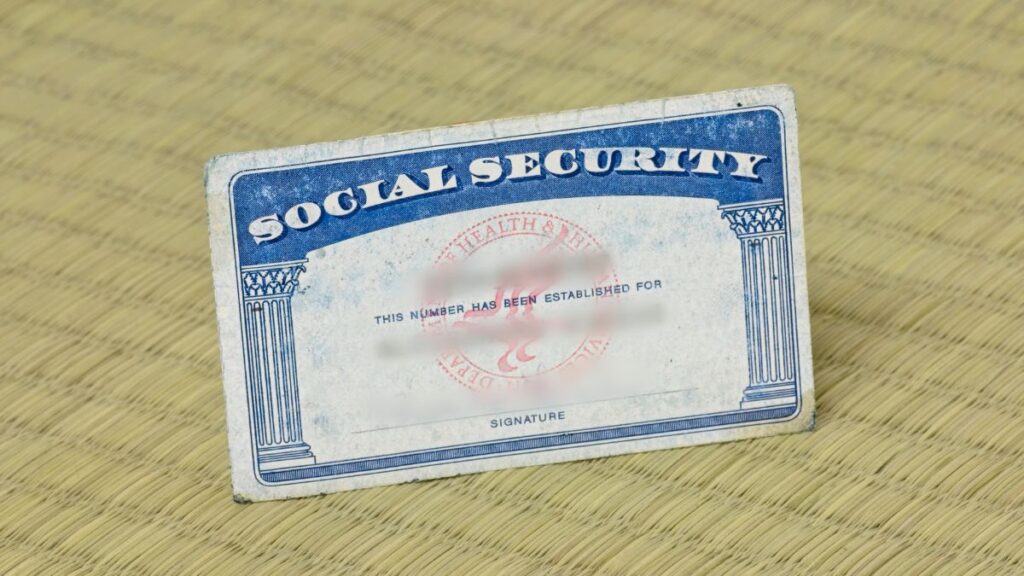
Leaving work and claiming Social Security are two different decisions. They do not always need to happen at the same time.
Social Security retirement benefits can generally begin as early as age 62, but claiming before full retirement age reduces the monthly amount. Waiting beyond full retirement age increases the monthly retirement benefit up to age 70.
For people born in 1960 or later, full retirement age is 67. The best claiming decision depends on health, other income, longevity expectations, household finances, and potential survivor benefits.
Consider a hypothetical retiree who does not need Social Security immediately because a pension and savings cover current expenses. Delaying the benefit might improve future guaranteed monthly income, although doing so would require drawing on other resources in the meantime.
Another retiree may need the benefit sooner to meet essential bills or avoid taking larger investment withdrawals. Earlier claiming can be reasonable when it serves the household’s circumstances.
The mistake is making the decision simply because retirement has begun.
Small change: Review your Social Security statement and compare estimated benefits at different claiming ages. If married, examine the impact on both spouses, including potential survivor benefits.
If benefits have already started, review how they fit with your spending plan rather than assuming the original decision must have been wrong.
10. Check Who Will Inherit Your Retirement Accounts
Beneficiary designations are easy to overlook because they rarely affect everyday life. Yet those few names on retirement account forms can have major consequences after an account owner dies.
Many people selected beneficiaries when they first opened a 401(k), IRA, or life insurance policy. Since then, they may have married, divorced, lost a loved one, or changed their estate plans.
For IRAs, beneficiary designations generally determine who inherits the account, even if the will says something different. Employer retirement plans may also have special spousal rights that require consent before someone else can be designated.
Imagine someone who named a sibling as an IRA beneficiary twenty years ago. That person may now have a spouse and adult children, but the original designation could still be on file.
An outdated form can create financial consequences that no one intended. It can also create family disputes or additional legal work at an already difficult time.
Small change: Review the primary and contingent beneficiaries listed on each major retirement account. Check that names, percentages, and relationships still match your intentions.
For complex families, trusts, or beneficiaries who are minors, obtain legal guidance before changing designations. The goal is to confirm the arrangement, not make a rushed change.
11. Review Your Legal Documents and Insurance Coverage

The next change is to gather the documents that protect your finances and help others act if an emergency occurs. Retirement is a useful time to review them because income sources, account balances, and household responsibilities may have changed.
Start with your will, any trusts, financial power of attorney, healthcare directives, and important insurance policies. Check whether the people named in those documents are still the people you would choose today.
A financial power of attorney can authorize a trusted person to manage financial matters on your behalf. A healthcare directive or healthcare power of attorney addresses medical decisions, depending on state law.
These documents have different purposes, and the legal requirements vary by state. Reviewing them with an appropriate professional may prevent serious problems later.
Insurance deserves similar attention. Employer-provided life insurance may end at retirement, while personal life insurance, homeowners coverage, auto insurance, and umbrella liability policies may continue.
Some retirees discover they are paying for protection they no longer need. Others find that a valuable employer benefit has disappeared or that their remaining coverage is inadequate.
Small change: Create one secure folder containing important legal documents, insurance details, and professional contact information. Make a short list of policies or documents that require review.
Do not cancel insurance simply because employment has ended. First determine what protection is still needed and whether replacing existing coverage would be expensive or difficult.
12. Have One Honest Conversation About the Years Ahead

The final change has less to do with financial paperwork and more to do with expectations. Retirement can change relationships because the routines that once separated work, home, and personal time are suddenly different.
For couples, having more hours together does not automatically mean wanting to spend every hour together. One partner may dream of traveling, while the other prefers a quieter life at home.
Money expectations can differ as well. Someone who spent decades saving may feel uncomfortable withdrawing investments, even when the retirement plan allows for reasonable spending.
That hesitation is understandable because saving and spending require different habits. A carefully planned vacation or hobby purchase is not necessarily wasteful simply because the money comes from retirement savings.
The conversation should also cover what would happen if one spouse died or became unable to manage financial affairs.
Consider a hypothetical couple receiving $3,200 and $1,600 in separate monthly Social Security retirement benefits. Their combined income is $4,800 before any applicable taxes or deductions.
After one spouse dies, the survivor generally does not continue receiving both full benefits. Depending on eligibility and claiming circumstances, the survivor may receive the higher applicable benefit, potentially leaving the household with substantially less monthly income.
Housing expenses, insurance, and property taxes may not fall by the same proportion. That is why a survivor income review matters even when the couple has considerable retirement savings.
The goal is not to solve every possible future problem during week one. It is to make sure both partners understand where accounts are held, which income sources would continue, and whom to contact for help.
Small change: Set aside one quiet hour to discuss what each person wants from retirement. Talk about travel, personal space, family obligations, spending priorities, and financial concerns without expecting every issue to be settled immediately.
Single retirees can have a similar conversation with a trusted friend, family member, or professional. Independence also involves having reliable support available when circumstances change.
What Should Wait Until After the First Week?
A useful first week does not require completing every financial task or making every lifestyle decision. In fact, some choices are better made after retirees have experienced several weeks or months without work.
Selling the family home, purchasing an expensive recreational vehicle, changing an investment strategy, or agreeing to a major caregiving commitment may deserve more consideration.
The same applies to significant Roth conversions, retirement account rollovers, and purchasing new insurance products. Each can have long-term costs or consequences that are not obvious from the initial proposal.
Urgent deadlines are different. Health insurance enrollment, required retirement distributions, existing financial obligations, and other time-sensitive matters should receive attention immediately when applicable.