

Dating in your 70s can feel surprisingly familiar and completely different at the same time. There is still excitement before a first date, disappointment when someone stops calling, and the hope of finding a person who makes ordinary days better.
But there are also decades of memories, established routines, grown children, financial concerns, and sometimes the grief of losing a longtime spouse.
For some older adults, dating leads to marriage. Others discover that having someone to share dinner, take a walk, or talk with in the evening is enough. The real lesson is that love after 70 does not have to follow the same rules it followed at 25.
Dating in Your 70s Is More Common Than It May Seem
It is easy to assume that most people stop dating once they reach retirement age. In reality, many older adults remain interested in companionship, romance, and meaningful relationships.
The challenge is that dating opportunities change. Workplace friendships disappear after retirement, social circles may become smaller, and some people have not been on a first date in 30 or 40 years.
Research from Pew Research Center provides a useful picture of online dating among older Americans.
| Dating Measure | Research Finding |
|---|---|
| Adults 70+ who have ever used a dating site or app | 12% |
| Adults in their 60s who have ever tried online dating | 14% |
| Online daters 50+ who have encountered someone they suspected was a scammer | 47% |
| Women online daters 50+ who reported an overall negative experience | 57% |
| Men online daters 50+ who reported an overall negative experience | 38% |
Source: Pew Research Center, 2023, using survey data collected in 2022. These figures describe different groups and do not represent all adults in their 70s.
These numbers show that online dating is one option, not a requirement. People also meet through friends, community activities, volunteering, religious gatherings, and everyday social situations.
More importantly, finding a partner is not the only measure of success. Dating can help someone understand what they want from the years ahead, even when a particular relationship does not work out.
1. Many People Want Companionship More Than Another Marriage

At 25, dating often comes with expectations about marriage, raising children, buying a home, and building a life together. By 75, many of those milestones are already behind you.
That changes what a successful relationship can look like. Some older adults want a person to share meals, enjoy concerts, take short trips, or spend quiet evenings with. They do not necessarily want another wedding.
Janie Emaus, writing about dating as a 78-year-old widow in 2026, described wanting a companion for meals, movies, and other shared experiences. Her account shows how ordinary companionship can become a meaningful goal later in life.
For someone who has spent years living independently, another marriage might involve changes they simply do not want. Sharing a home, combining finances, and adjusting lifelong routines can feel less attractive than having a committed relationship with personal space.
Some couples prefer spending weekends together while maintaining separate homes. Others enjoy regular dinners and telephone conversations without making plans to move in together.
There is no reason these relationships must be considered less meaningful simply because they do not follow traditional expectations.
The lesson: Ask what someone wants from a relationship instead of assuming that every date is supposed to lead to marriage.
2. Starting Over Can Feel Awkward Even After Decades of Marriage

Someone who spent 45 years married may have considerable relationship experience but very little recent dating experience. Those are two different things.
Modern dating can involve online profiles, text messages, video calls, and unfamiliar social expectations. Even deciding who should call first may feel strange to someone who last dated in the 1960s or 1970s.
The emotional side can be just as difficult. A widowed person may feel nervous about holding someone else’s hand. A divorced person may wonder whether they can trust another partner after a painful marriage.
The first few dates may feel uncomfortable. Conversation might stall, expectations might differ, and someone who seemed interesting over the phone may feel like the wrong match in person.
These experiences do not necessarily mean someone is unsuited to dating. They may simply reflect what happens when a familiar part of life becomes unfamiliar again.
Some older adults also worry about being judged for their appearance, physical abilities, or personal circumstances. They may compare themselves with the person they were decades earlier, even though the people they meet have experienced many of the same changes.
A first date does not need to become an unforgettable romantic evening. Sometimes a short coffee meeting and an enjoyable conversation are enough.
The lesson: Treat the first few dates as opportunities to meet people, not as tests you must pass. Confidence often becomes easier with practice.
3. Online Dating Can Work, but It Takes Patience and Good Judgment

Dating apps are not only for younger people. Some older adults have found meaningful relationships through them, including people who initially doubted the idea.
Barbara Norton was 79 when she joined Match in November 2023. According to an AARP account, she had been married three times, had been widowed twice, and was uncertain whether she would find love again.
Within weeks, she met Bob Auguste, then 87, who was also widowed. The couple married in August 2024, showing that a new relationship can begin well into later life.
Of course, not every dating-app experience ends that way. Some people encounter misleading profiles, poor communication, or matches who are looking for completely different things.
A useful approach is to create an honest profile, use recent photographs, and explain the kind of relationship you want. A short conversation can help establish basic compatibility before arranging a meeting in a public place.
There is also no need to use several platforms at once. One manageable approach may feel less exhausting than trying to keep up with dozens of conversations.
Online dating is not the right choice for everyone. Someone who dislikes technology may feel more comfortable meeting people through community events, mutual friends, or shared activities.
The lesson: Technology can introduce you to people you would never otherwise meet, but the quality of a relationship still depends on what happens between two real people.
4. Romantic Attraction Does Not Disappear at 70

One of the biggest misunderstandings about aging is that older adults eventually stop wanting romance. In reality, many still enjoy flirting, affectionate touch, physical attraction, and the excitement of meeting someone special.
A person in their 70s may still feel nervous before a first kiss or excited when a new partner calls. The difference is that attraction may now be accompanied by a stronger appreciation for kindness, trust, and emotional comfort.
Relationship experts have noted that some people in their 70s and 80s continue to experience satisfying romantic and sexual relationships. The National Institute on Aging also explains that intimacy can remain meaningful throughout later life.
However, attraction does not have to mean sexual intimacy. For some couples, holding hands, cuddling, dancing, or simply sitting close together provides the connection they want.
There can also be a greater appreciation for simple romantic gestures. Someone bringing flowers, remembering a favorite meal, or calling after a difficult day may mean more than an expensive dinner.
Physical changes may affect how people express affection, but they do not automatically remove the desire for closeness.
The important part is finding someone whose expectations are compatible with your own. Problems can arise when one person expects a physically intimate relationship while the other wants companionship without sexual involvement.
The lesson: Growing older does not erase the need for affection. What matters is finding someone whose expectations about closeness match your own.
5. A Former Spouse Can Still Be Part of the Emotional Picture
Dating after widowhood comes with something younger daters may not fully understand. A person can develop feelings for somebody new while still deeply loving a spouse who died.
A widower may keep wedding photographs in his home or speak warmly about his late wife. A widow may continue celebrating a wedding anniversary or visiting a familiar place filled with memories.
These actions do not automatically mean someone is emotionally unavailable. They may reflect decades of shared experiences that remain part of that person’s identity.
Relationship experts emphasize that grief and readiness for a new relationship vary greatly between individuals. There is no single waiting period that makes every widow or widower ready to date.
Some people feel guilty when they first experience romantic feelings again. They may worry that enjoying a new relationship somehow diminishes the love they had for their spouse.
Others face criticism from relatives who believe they should remain single out of respect for the person who died. These reactions can make an already emotional decision more difficult.
At the same time, a new partner deserves attention and emotional honesty. If every conversation becomes a comparison with the previous marriage, the new relationship may struggle to develop its own identity.
A healthy balance allows memories of the past to remain meaningful while giving the new relationship space to develop.
The lesson: A new relationship does not require erasing an old one. It requires enough emotional room for another person to become important.
6. Everyday Compatibility Matters More Than an Impressive First Date
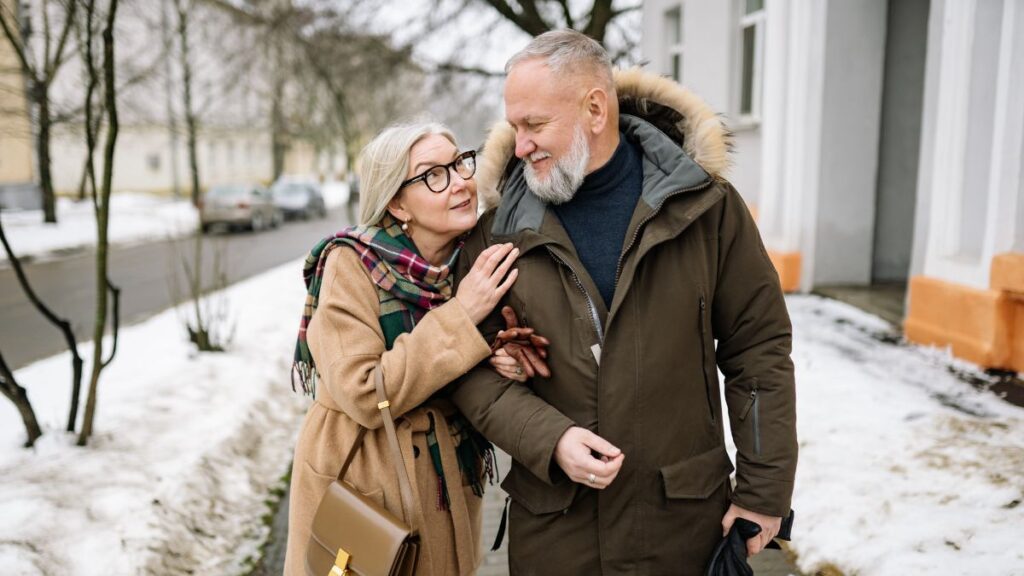
Attraction can bring two people together, but daily habits often determine whether they enjoy spending time together.
One person may love traveling, while the other prefers staying close to home. Someone who enjoys early mornings might find it difficult to date a night owl who regularly stays awake until midnight.
Health, transportation, family responsibilities, and spending habits can also shape what a couple can realistically enjoy together.
A person who seems charming during a restaurant dinner might be less compatible when ordinary routines become part of the relationship. This does not mean either person is wrong; they may simply want different lives.
These are some useful questions to consider when getting to know someone.
| Area | Questions Worth Asking |
|---|---|
| Daily routine | Do we enjoy similar activities and schedules? |
| Travel | Does one person want frequent trips while the other prefers home? |
| Family | How much time do we expect to spend with children and grandchildren? |
| Health | Can we respect each other’s physical needs and limits? |
| Money | Do we have compatible spending habits? |
| Independence | How much time do we want together and apart? |
Being compatible does not require identical interests. A couple can enjoy different hobbies while still respecting each other’s needs and making time together enjoyable.
Some older adults find that honesty becomes easier with age. They may feel less pressure to pretend to love an activity simply because a potential partner enjoys it.
It can also become easier to recognize problems early. Someone who has already experienced a difficult marriage may be less willing to ignore controlling behavior, repeated dishonesty, or incompatible expectations.
The lesson: Pay attention to how someone fits into an ordinary Tuesday, not just how wonderful they seem during a special Saturday night.
7. Living Apart Can Be a Serious Relationship Choice
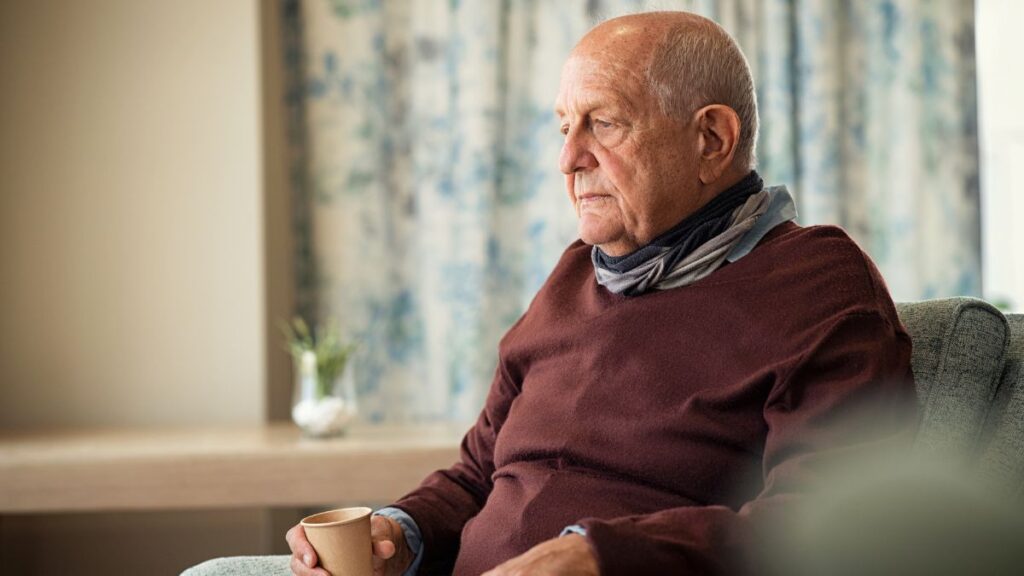
For many people in their 70s, independence is something they have worked hard to build. Giving it up may feel unnecessary, even when they genuinely love someone.
This has made relationships in which committed partners maintain separate homes an appealing option for some older adults.
Writer Elinor Lipman described this arrangement in a personal AARP essay about her relationship with Jonathan. After years together, they remained committed while keeping separate Manhattan apartments and spending regular time together.
The arrangement allows some couples to enjoy companionship without combining every part of their lives. Each person can keep familiar routines, personal belongings, and their own space.
There can be practical advantages. Partners may avoid arguments about housekeeping habits, decorating preferences, or how to divide household responsibilities.
Maintaining separate homes may also make it easier to protect financial independence, especially when both people already own property or have established estate plans.
There can be disadvantages, including maintaining two households and arranging transportation. If health problems develop, partners may also need to reconsider how they support one another.
Still, sharing an address is not the only way to demonstrate commitment. Some couples are happiest when they have both regular companionship and time alone.
The lesson: A relationship does not need to look like a traditional marriage to be meaningful, loving, or committed.
8. Adult Children May Have Strong Opinions About a New Partner

Dating in your 70s rarely happens without an existing family history. Adult children and grandchildren may already have strong feelings about the people in your life.
Some children feel happy when a parent finds companionship after divorce or widowhood. Others may worry about financial security, inheritance, or whether the new person has good intentions.
There can also be emotional concerns. A child who still misses a deceased parent may struggle to see the surviving parent holding hands with someone new.
These feelings deserve consideration, but they do not mean adult children should control their parent’s romantic decisions.
A useful approach is to introduce a new partner gradually. Give family members an opportunity to become comfortable while making it clear that the relationship belongs to the people involved.
It also helps to distinguish genuine warning signs from simple discomfort. Concerns about financial pressure or controlling behavior deserve attention, while objections based only on the idea that a parent is too old to date are different.
Some families may need time to adjust. A new romantic partner can change holiday plans, family dinners, and expectations about how time will be spent.
Older adults also have a responsibility to maintain healthy boundaries. A new relationship should not automatically require grown children to provide money, transportation, or other assistance.
The lesson: Listen respectfully to family concerns without automatically giving other people the final decision about your personal life.
9. Money Questions Become More Important When Marriage Is No Longer the Main Goal

By the time someone reaches their 70s, finances may involve retirement savings, pensions, Social Security, property, investments, and plans to leave assets to family members.
Beginning a new relationship can raise questions that were less pressing during younger dating years. Who pays for dates, what happens if someone becomes ill, and whether the couple should eventually share housing are all worth discussing.
Marriage can create additional financial and legal consequences. Depending on personal circumstances, it may affect taxes, certain government benefits, property rights, and estate plans.
One detail is often misunderstood: remarrying after age 60 generally does not prevent a person from receiving Social Security survivor benefits based on a previous deceased spouse’s record.
However, remarriage can affect other benefits, including Supplemental Security Income and certain divorced-spouse benefits.
Financial guidance for older daters also recommends setting a dating budget and learning about a partner’s financial habits without making quick judgments.
Couples considering marriage or combining assets should review the financial consequences before making commitments.
Financial Conversations Worth Having Before Making Big Commitments
| Financial Question | Why It Matters |
|---|---|
| Will we combine bank accounts? | Shared accounts can create financial and legal responsibilities. |
| Will either person move into the other’s home? | Housing decisions can affect ownership and living costs. |
| Are either of us carrying significant debt? | Existing obligations may affect future household finances. |
| Do we want to remarry? | Marriage can change taxes, benefits, and estate arrangements. |
| What happens if one partner needs long-term care? | Care expenses can be substantial. |
| Have we updated our estate plans? | Existing documents may not reflect a new relationship. |
These discussions may not sound romantic, but they can protect both people from misunderstandings.
Money should not become a measure of someone’s worth. Someone with a modest pension may be a caring and dependable partner, while a wealthy person may still handle money irresponsibly.
The lesson: Love and financial planning can exist together. A healthy relationship should not require someone to risk the security they spent decades building.
Financial note: Rules vary by benefit type and personal circumstances. A financial adviser or qualified legal professional can help evaluate significant financial decisions.
10. Rejection Still Hurts, but Older Daters Can Learn to Take It Less Personally

Being 75 does not make disappointment pleasant. Someone can still feel embarrassed when a date goes badly or hurt when a person they like loses interest.
Modern dating adds its own frustrations. Messages may go unanswered, people sometimes disappear without explanation, and someone who appears enthusiastic may suddenly decide they are not ready for a relationship.
Zack Rogow described reentering the dating world at 66 after a long relationship ended. In a July 2026 AARP essay, he recounted having 75 first dates before finding love.
His experience illustrates that finding a suitable partner can take considerable effort. Sometimes a person must meet many people before finding someone whose personality, expectations, and lifestyle feel compatible.
Not everyone wants to go on dozens of dates, and nobody has to. Taking breaks can help prevent dating from becoming an exhausting obligation.
It can also help to separate rejection from personal worth. Two decent people may have different expectations, incompatible schedules, or simply no romantic attraction.
At this stage of life, time often feels more valuable. There may be less willingness to spend months pursuing someone who is uncertain about the relationship.
Some older adults discover that rejection becomes easier once they stop treating every date as a chance to find a permanent partner. Instead, they focus on whether they enjoyed the conversation and would genuinely like to see that person again.
The lesson: One disappointing date does not define your future. It may simply help you understand what kind of relationship is worth your time.
11. Romance Scams Are a Real Risk, Not a Reason to Give Up Dating

One of the difficult realities of modern dating is that some people deliberately target others who are seeking companionship.
A scammer may use an attractive photograph, claim to live far away, and quickly express strong feelings. After developing an emotional connection, the person may invent an emergency or introduce an investment opportunity.
The financial consequences can be severe. According to the Federal Trade Commission’s report released in December 2025, adults age 60 and older reported $329 million in romance scam losses during 2024.
This represents reported losses, not necessarily every incident that occurred.
The most useful protection is recognizing patterns before emotions make them harder to question.
| Potential Warning Sign | A Safer Response |
|---|---|
| Someone declares love after only a few conversations | Slow down and continue getting acquainted. |
| They repeatedly refuse video calls or in-person meetings | Treat the identity as unverified. |
| They request money for travel, medical bills, or emergencies | Do not send money. |
| They introduce cryptocurrency or investment opportunities | Do not invest through a new romantic contact. |
| They pressure you to keep the relationship secret | Speak with someone you trust. |
| They request bank details, passwords, or identity documents | Keep sensitive information private. |
The FTC advises people not to send money or gifts to romantic contacts they have not met in person. It also recommends discussing suspicious situations with trusted friends or relatives and reporting suspected scams.
When meeting someone for the first time, choose a public location, arrange your own transportation, and tell a trusted person where you will be.
These precautions are useful for everyone, regardless of age. Being lonely or wanting companionship does not mean someone lacks judgment, and even careful people can be deceived.
A trustworthy partner should respect reasonable questions and boundaries. Someone who becomes angry when you refuse to send money or share financial information is giving you a reason to reconsider the relationship.
The lesson: You can remain open to love while maintaining firm personal and financial boundaries. Being careful does not mean being suspicious of everyone.
12. Physical Intimacy Requires New Conversations, Not Embarrassment
Dating in your 70s may involve health concerns that were not present during younger relationships. Arthritis, medications, reduced mobility, and other physical changes can influence comfort and intimacy.
Some people remain sexually active, while others prefer relationships centered on affection and companionship. Neither choice is automatically better.
The National Institute on Aging explains that physical changes and health conditions can affect sexual activity, but communication and appropriate care can help people continue enjoying intimacy.
A conversation about physical expectations may feel uncomfortable at first. However, being clear about boundaries, preferences, and health concerns can prevent misunderstandings.
Sexual health matters at every age. Older adults can still contract sexually transmitted infections, and pregnancy no longer being a concern does not eliminate the need for protection.
Older adults who are sexually active should discuss STI prevention with their health care providers and use appropriate barrier protection.
A new relationship may also require patience when someone experiences physical discomfort, fatigue, or changes related to medications. Partners who communicate openly may find ways to remain affectionate without creating pressure.
For some couples, emotional closeness becomes the most meaningful form of intimacy. Sharing private thoughts, enjoying a quiet evening, or providing reassurance during difficult moments can create a strong bond.
The lesson: Intimacy should be based on mutual comfort, consent, honesty, and respect, regardless of age.
Health note: New pain, physical changes, or concerns about sexual health are good reasons to speak with a qualified health care professional.
13. Finding Someone Is Wonderful, but Staying Single Can Also Be a Good Life

Perhaps the most surprising lesson of dating after 70 is that romance does not have to become the center of someone’s life.
Some people discover that they enjoy dating but do not want a permanent partner. Others may find that a loving relationship adds something valuable without replacing existing friendships, family connections, or personal interests.
There are also people who simply prefer being single. After decades of responsibilities, they may enjoy controlling their schedules, managing their homes, and choosing how to spend their time.
A person who is happy alone does not need to enter a relationship to prove that life remains meaningful. Likewise, someone who wants another partner does not need to feel embarrassed about seeking companionship.
The National Institute on Aging recognizes that older adults have different preferences about sexuality and intimacy. Some want romantic and physical relationships, while others are content without them.
A relationship should ideally add warmth, enjoyment, and support to a life that still belongs to you. It should not require giving up every routine, friendship, or interest that already makes you happy.
Someone who has built a satisfying life alone may also be better prepared to recognize whether a new relationship is genuinely beneficial. They are choosing companionship because they want it, not because they believe they cannot manage without it.
The lesson: The goal of dating in your 70s is not necessarily to stop being single. It is to discover whether someone makes your life better.
How to Know Whether You’re Ready to Date Again
There is no required waiting period after divorce or losing a spouse. Some people feel ready within months, while others need years or decide they do not want another relationship.
Instead of measuring readiness by the calendar, consider how you feel about meeting someone new.
You may be ready to explore dating when you can imagine enjoying another person’s company without expecting that individual to repair every difficult feeling in your life.
You do not need to be completely free of grief or uncertainty. It helps, however, to recognize your emotional limits and communicate them clearly.
A few practical questions can guide that decision:
- What do I want? Marriage, companionship, occasional dates, or simply meeting new people?
- What am I unwilling to give up? My home, financial independence, hobbies, or established family routines?
- What would make me feel safe? A slow pace, public meetings, honest conversations, and clear boundaries?
- Am I comfortable saying no? Can I end an uncomfortable situation without feeling obligated to continue?
- Would I still enjoy my life without a partner? Is dating something I want rather than something I feel pressured to do?
These questions are not a formal test. They are a way to identify what matters before another person becomes part of your daily life.
Someone who is still grieving may find that friendships and social activities feel more comfortable than romantic dates. Another person may already feel excited about meeting someone new.
Both situations are normal. There is no age at which someone must begin dating again, and there is no deadline for finding companionship.